GWM has done the sensible thing with the H6GT Hi4, and for once the biggest change is the one buyers will notice every single day. Instead of pretending a fresh badge and a few menu animations are enough to keep punters interested, it has given the coupe SUV the thing it was crying out for, a cabin that no longer feels like three departments furnished it during separate lunch breaks. The shape was never the problem, but the old interior certainly was.
At $52,990 driveaway, the updated plug-in hybrid fastback lands with 321kW, 642Nm, all-wheel drive, a claimed 0 to 100km/h time of 4.6 seconds, and enough electric range on the NEDC cycle to cover plenty of suburban schlepping without waking the petrol engine if you keep it charged. That is the brochure hook, but the more important point is that GWM seems to have looked at the old car, looked at what Chinese rivals are doing, then upped their game. Legacy brands are notoriously slow to react to change, often leaving any major improvements for the following generation.
GWM also arrives with a handy bit of momentum, saying more than 2,300 H6GT PHEVs have been sold since launch, electrified versions now account for 51.5% of all H6GT sales, and the broader H6 line has racked up more than 2,700 PHEV deliveries in under 14 months. Legacy brands are still treating plug-in hybrids as a side dish, while GWM has put the roast in the middle of the table and invited everyone to fight over the gravy.
Like all Chinese brands, GWM (previously Great Wall Motors) seems to be hitting driver needs with a bullseye, rather than asking drivers to hit OEM investor demands.
You can see the local model page on GWM ANZ.
Above: Geely Starray and Which Driveline Is Best for You
#GeelyStarray #EV #Hybrid #PHEV #ElectricCars

Help Support Gay Car Boys Subscribe to our Youtube Channel by SMASHING THE BUTTON ABOVE


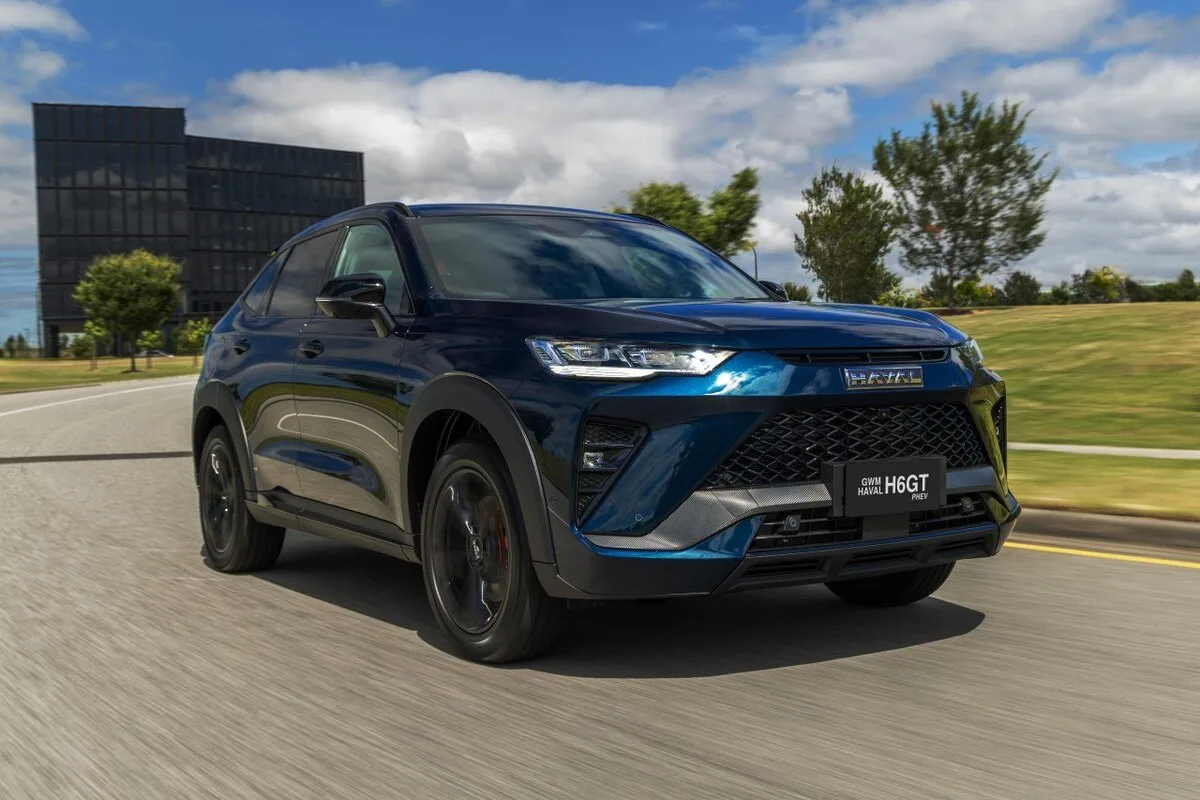
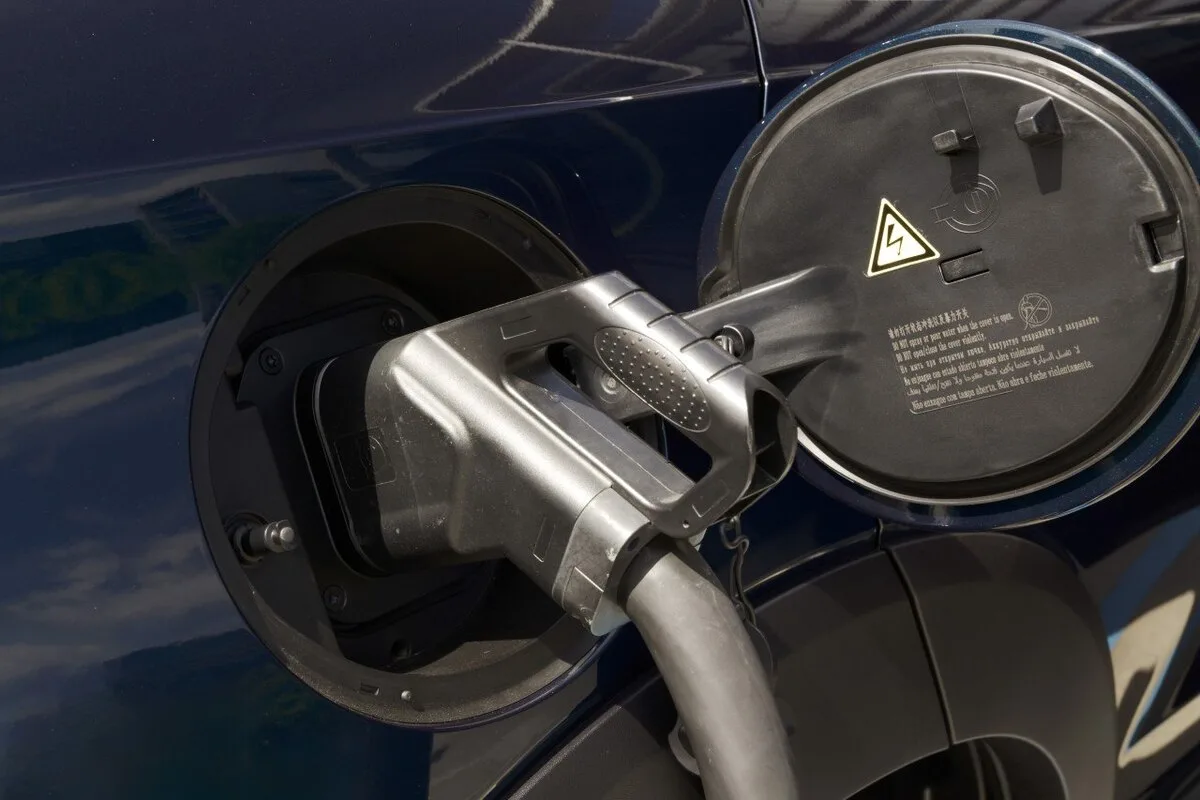
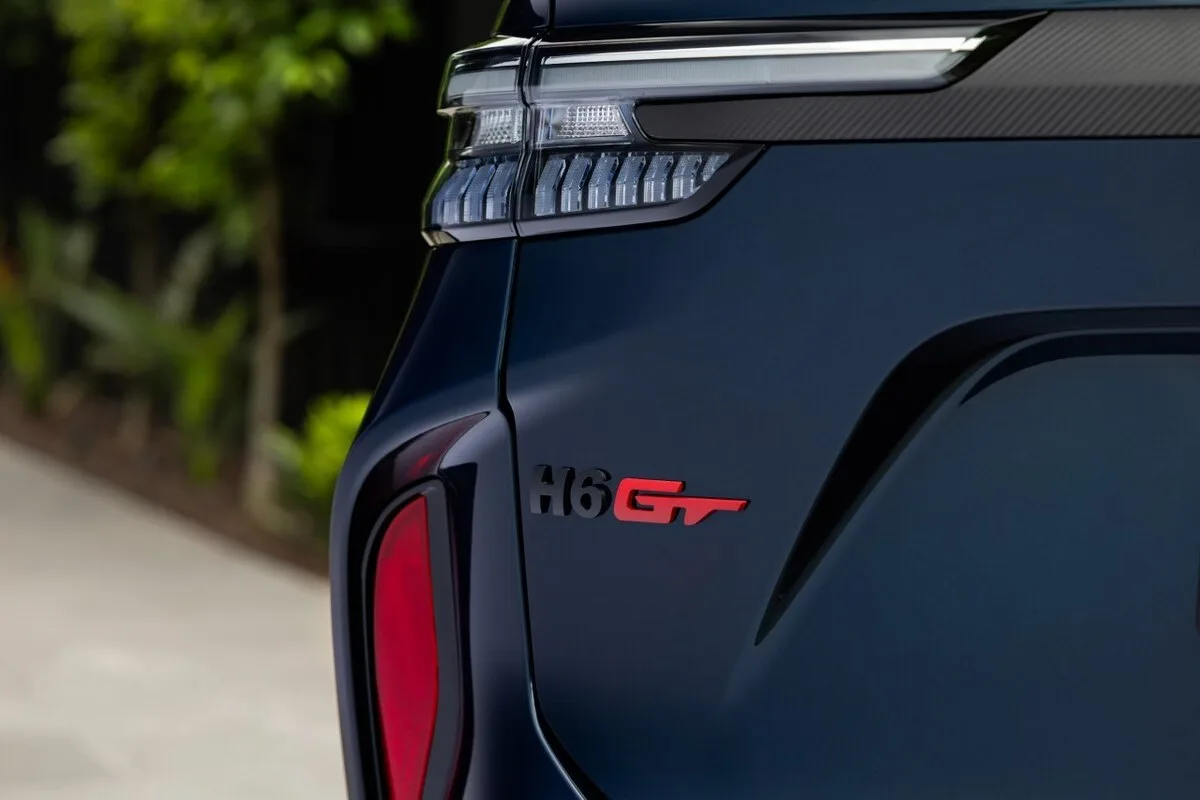
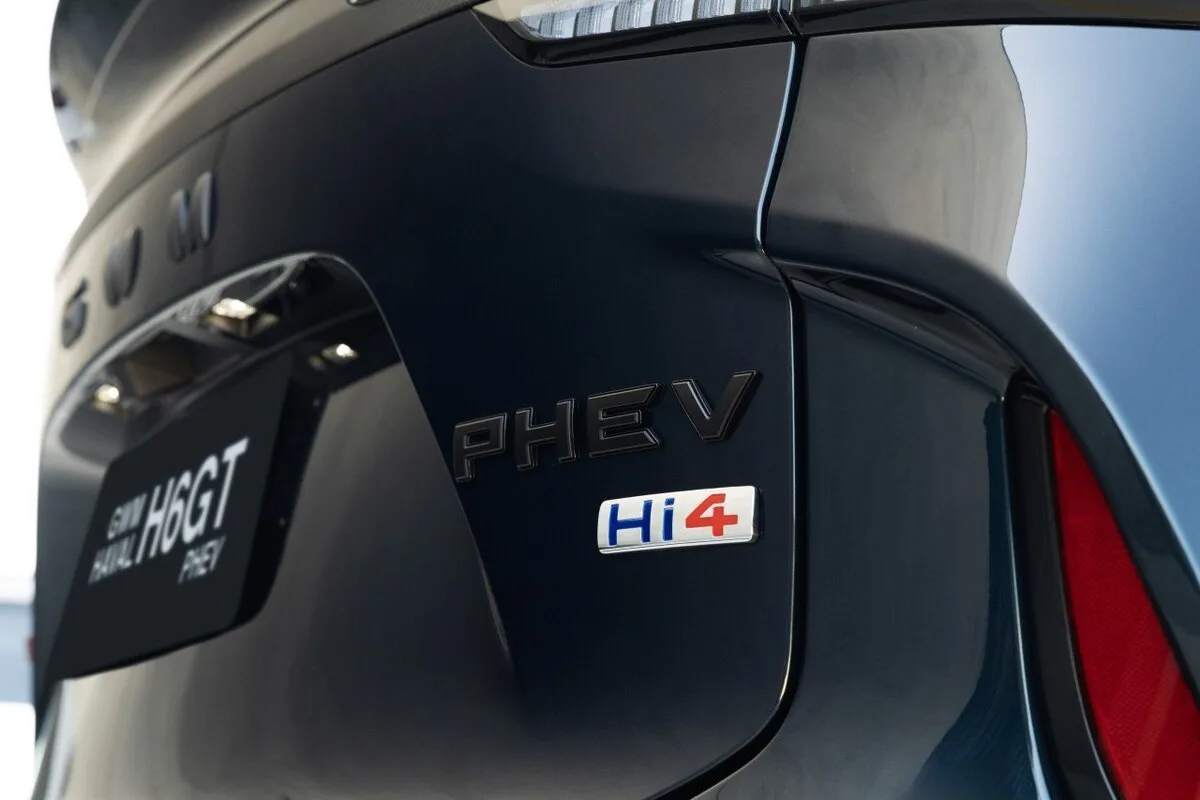
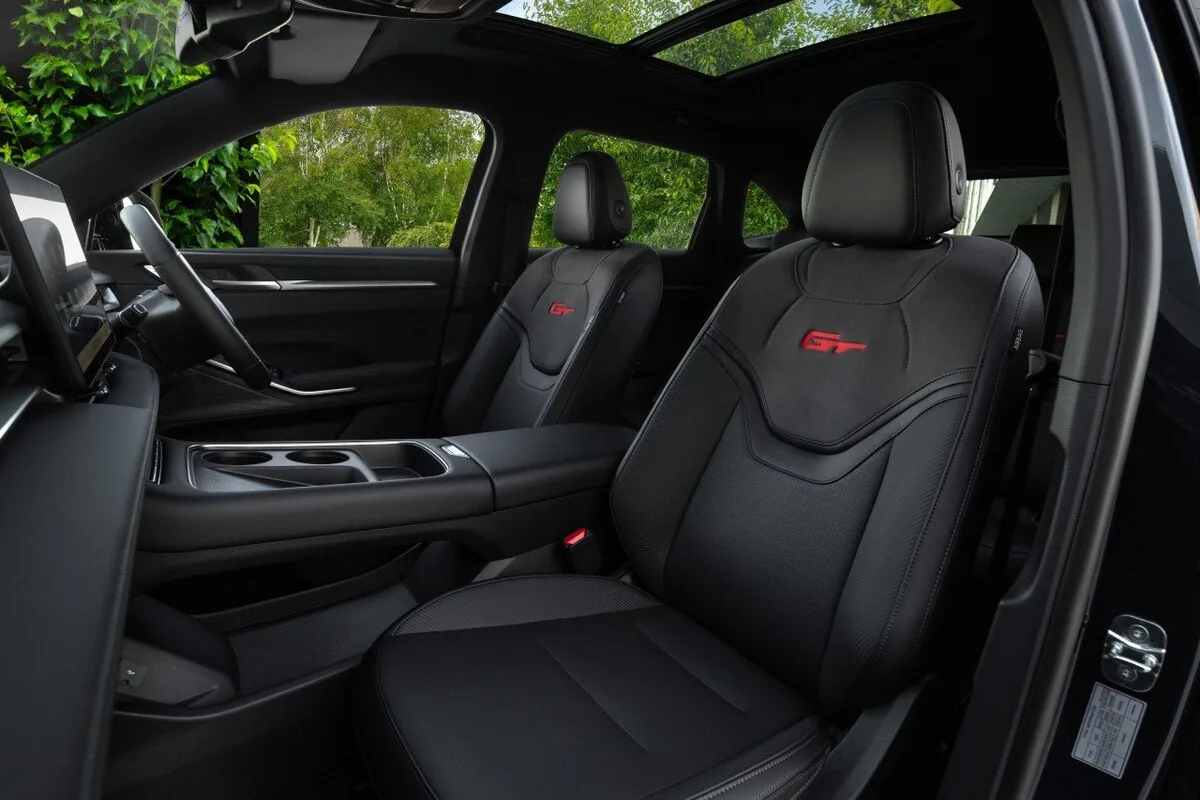
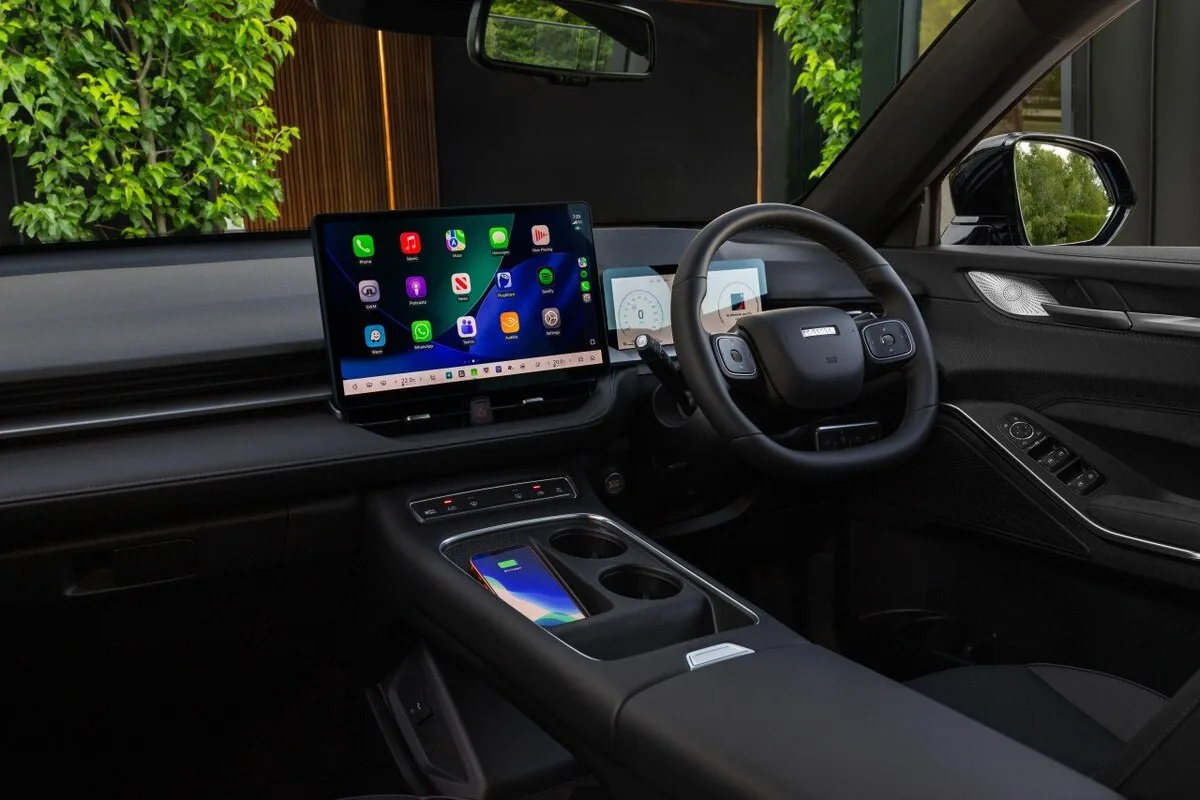


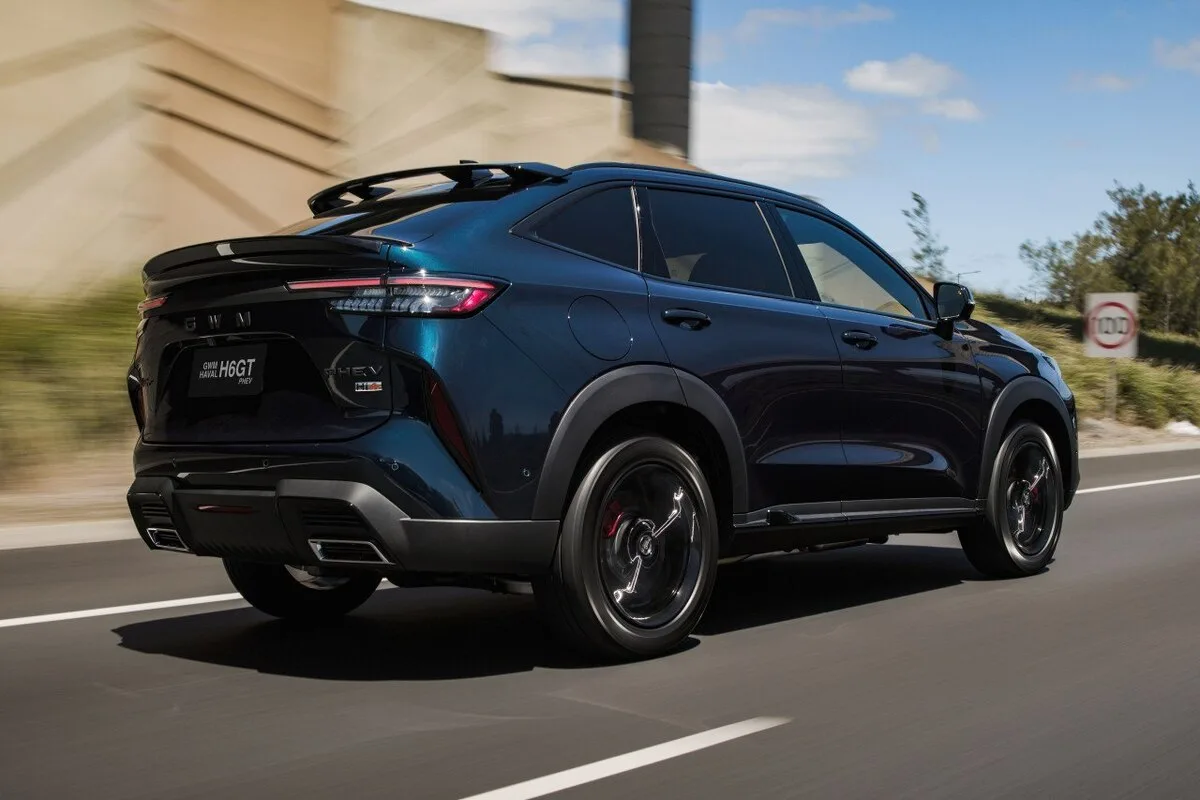
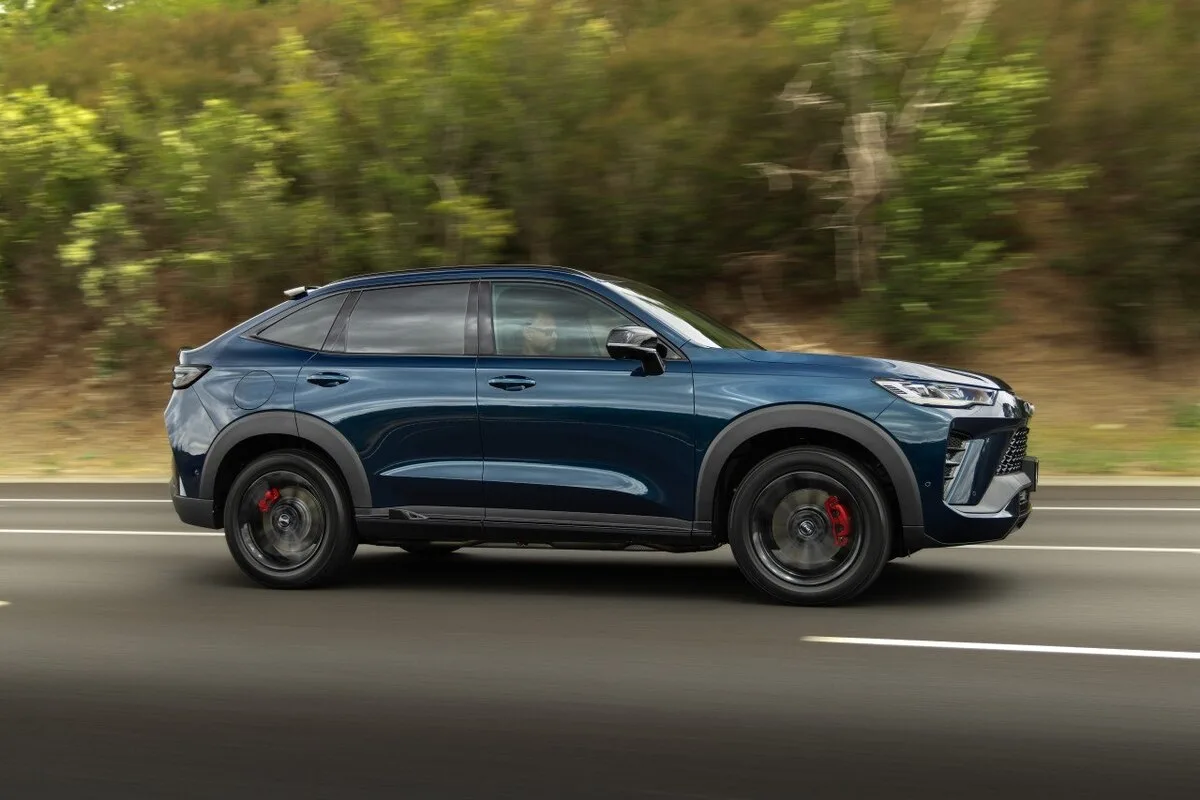
ABOVE: GWM H6GT Hi4 PHEV inside and out
Why the cabin matters
This was the job. If the old H6GT PHEV had a weakness, it was never the idea of the car. A sloping roof, decent poke, and a plug made sense well enough. What let it down was a cabin that felt OK, but not quite up to the rest of the range. It was a display home where the cushions had arrived but the kitchen installer had gone missing.
The new dashboard is cleaner, calmer, and much more “it girl”. GWM has moved the gear selector to the steering column, which frees up the centre console for more storage and a wireless charging pad instead of crammed compromise. The 14.6-inch central screen runs the new Coffee OS software, and yes, that name still sounds like a suburban café with delusions of grandeur, but if the interface is quicker and less dim-witted than before.
Wireless Apple CarPlay and Android Auto are standard, as they should be in 2026. Carmakers keep trying to convince us their in-house software is a cultural event, see Tesla as a what-not-to-do. Drivers keep plugging in their phones and ignoring the sermon, so the clever move is not to fight that habit. The clever move is to make the screen fast, the menus tidy, and the charger big enough that your phone does not end up balanced on a lip like a martini on a ferry trip across the heads (yes, a Sydney Ferry reference).
The suede-appointed GT seats help, too. They give the cabin a bit of theatre without turning the whole thing into an eisteddfod of red stitching, fake carbon trim, simulated metal and fake fuzzy-feel fabric. From the images, this version finally looks related to the broader H6 family instead of the dribbling odd cousin.
How much punch does Hi4 bring
Plenty. More than enough, in fact.
GWM’s Hi4 system combines petrol and electric power for a generous total of 321kW and 642Nm, then sends it to all four wheels. The claimed 4.6 second dash to 100km/h puts this squarely against a family SUV starts making expensive European badges look a touch overdressed. Nobody is pretending this is an AUDI or BMW, but is it 1/3 as good for 1/3 of their price? You do not need a car like this to be that quick, and that is rather the point.
A plug-in hybrid only feels polished when the calibration is smooth. If the transition between engine and battery power is clumsy, or if the throttle behaves like a bored intern running the lights at an amateur production, the gloss comes off in minutes. GWM says the system constantly varies front and rear torque according to demand, grip, and driver inputs. Fine. That is what the brochure should say. The road test will tell us whether it glides between modes or lurches about like a Fawlty Towers waiter carrying soup through a set of vicious kitchen doors.
The battery is a hefty 35.43kWh unit, which is more than some older EVs had to move the whole car about. Claimed electric range is up to 183km on the NEDC cycle, combined fuel use is quoted at 0.6L per 100km, and total range is said to stretch to 1,183km. NEDC numbers have always been as optimistic as a real estate agent describing a cupboard as a study. But even after the usual haircut there should still be enough battery here to let many owners do most weekday driving on electricity alone. In our test of the first GT PHEV, the engine never fired up.
Too many plug-in hybrids promise saintly fuel figures, then wake the petrol engine the moment you look at a hill, an air conditioner, or a right foot. A large battery gives the H6GT Hi4 a fighting chance of behaving like a proper EV around town, rather than a petrol SUV wearing a green ribbon for attention.
The “transmission” treats the electric motors as drive units sans gears, so nothing to shift from cog to cog. It is EV-like whoosh because it is an EV with the ICE unit glued in, not the other way round.
Is the price sharp enough
That depends on what buyers want from the badge on the bonnet. If they want old-school prestige, they’ll pay old school prices. There are still plenty of European brands willing to charge more and give less while talking about heritage as if you can use it to tow a trailer. If they want speed, kit, and useful electric range for $52,990 driveaway, the H6GT Hi4 starts looking rather tasty.
The shape remains a niche within a niche. Coupe SUVs always ask buyers to trade a bit of straight-up practicality for style, and some people will never be persuaded. Fair enough. Not everyone wants their family car to look like it is wearing trousers cut too tight through the calf. Yet the H6GT has always had a sharper point than the standard H6, and the new drivetrain gives that point a proper sting.
The sales figures suggest GWM has found buyers who like the formula. More than half of H6GT sales are now electrified, which tells you this is no token eco variant rolled into the corner for compliance to ease the NVES. It is the version with the story, the version with the pull, and now, at last, the version with an interior that looks worthy of the asking price.
GWM also says it held 3.3% of Australia’s PHEV market and ranked as the country’s second-largest plug-in hybrid seller in March. Those are the sort of numbers that make established brands stare into the middle distance and wonder when the furniture started moving by itself. The Chinese are not waiting for permission. They are not arriving cap in hand, either. They are turning up with bigger batteries, fuller equipment lists, and prices that land like a slap.
The GCB take
The updated H6GT Hi4 looks like the first version of this car that has painted inside all the lines. It still has the coupe SUV compromises, and I still want to drive it before declaring the drivetrain slick, the software polished, or the NEDC range anything other than generous fiction dressed for church. Even so, the ingredients are far more convincing this time.
What GWM has done is simple. It has taken an impressive car for the dosh, interesting but slightly off-piste, then fixed the bits buyers have to live with daily. That matters more than a face-lift, more than an acronym, and far more than another love-fest lecture on nebulous intelligent mobility. People notice the seat, the screen, the charger, the storage, and the way the thing puts its power down long before they fall in love with your press release.
If the real-world drive backs up the numbers, the 2026 GWM H6GT Hi4 will not be a curiosity. It will be one of those deeply awkward cars for legacy brands, the sort that forces unpleasant conversations in product planning meetings and causes someone in a navy blazer to ask whether charging extra for metallic paint was, in hindsight, a ghastly mistake.
More GWM stories
- 2026 GWM ORA 5 Price Australia Starts at $33,990 Driveaway
- 2026 GWM March Sales Australia, 5,680 Deliveries and 46% NEV Mix
- GWM Launches AT-1 and Some Trubiani Magic

Alan Zurvas is the founder and editor of Gay Car Boys, Australia's leading LGBTQI+ automotive publication. Before launching GCB in 2008, Alan's automotive writing was published in SameSame.com.au and the Star Observer. With over 16 years of hands-on car reviewing experience, Alan brings an honest, irreverent voice to every review — championing value and innovation over brand loyalty.
Leave a Reply