Lexus will tick over 20 years of hybrid technology in Australia this May, and it is marking the anniversary by reminding everyone it was early to the game, then pointing firmly at what comes next. The brand says the next evolution of its electrified powertrains will arrive with two new battery electric models, the new Lexus RZ and the all new Lexus ES. The BEV models have not been startling success stories according to VFACTS sales figures, and Lexus and Toyota spent far too long resisting full electric drive with every fibre of their existence.
That gives the milestone a bit more shape than the usual over-frothed birthday party nonsense. This is not just Lexus rummaging through dusty photo albums for a nostalgic vignette of faded naughties memories. It is using the anniversary to draw a straight line from the GS 450h and RX 400h to an electric ideal it spent years resisting. There is competition, a lot of it so Lexus is going to need serious magic to make that electric dream a viable reality.
Above: Geely Starray and Which Driveline Is Best for You
#GeelyStarray #EV #Hybrid #PHEV #ElectricCars

Help Support Gay Car Boys Subscribe to our Youtube Channel by SMASHING THE BUTTON ABOVE


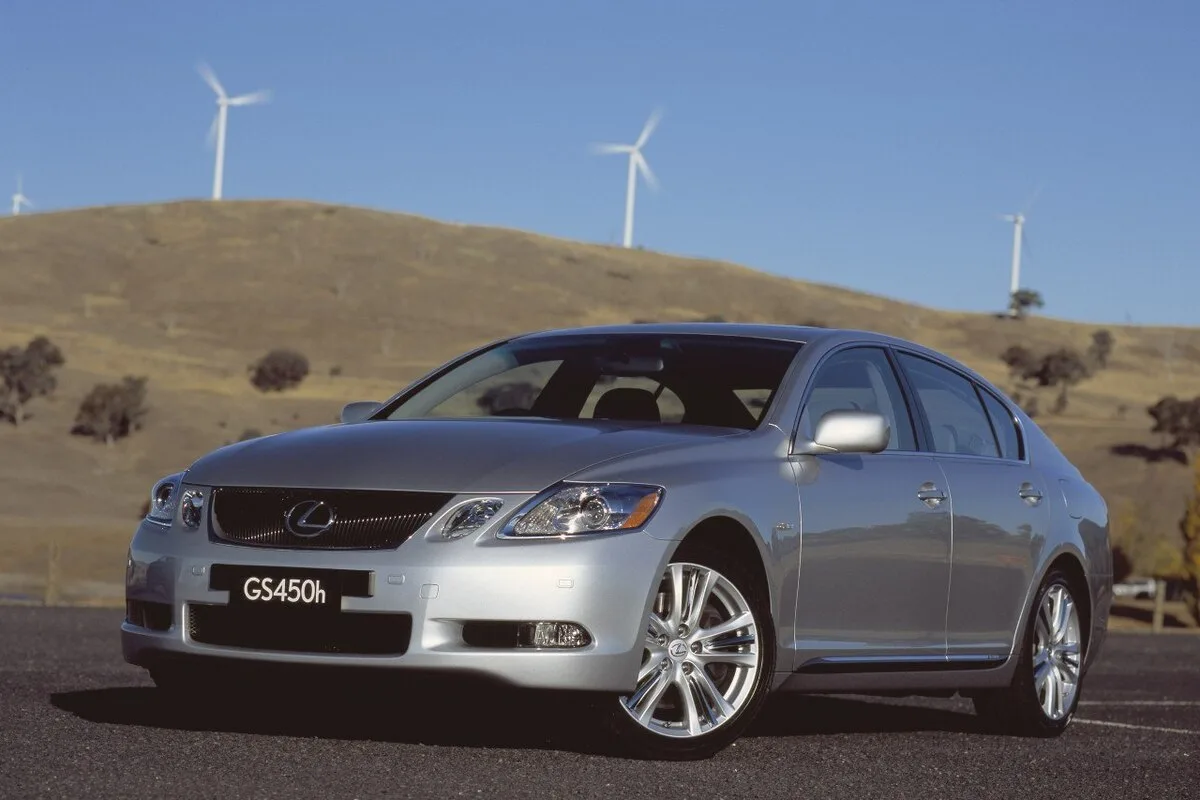
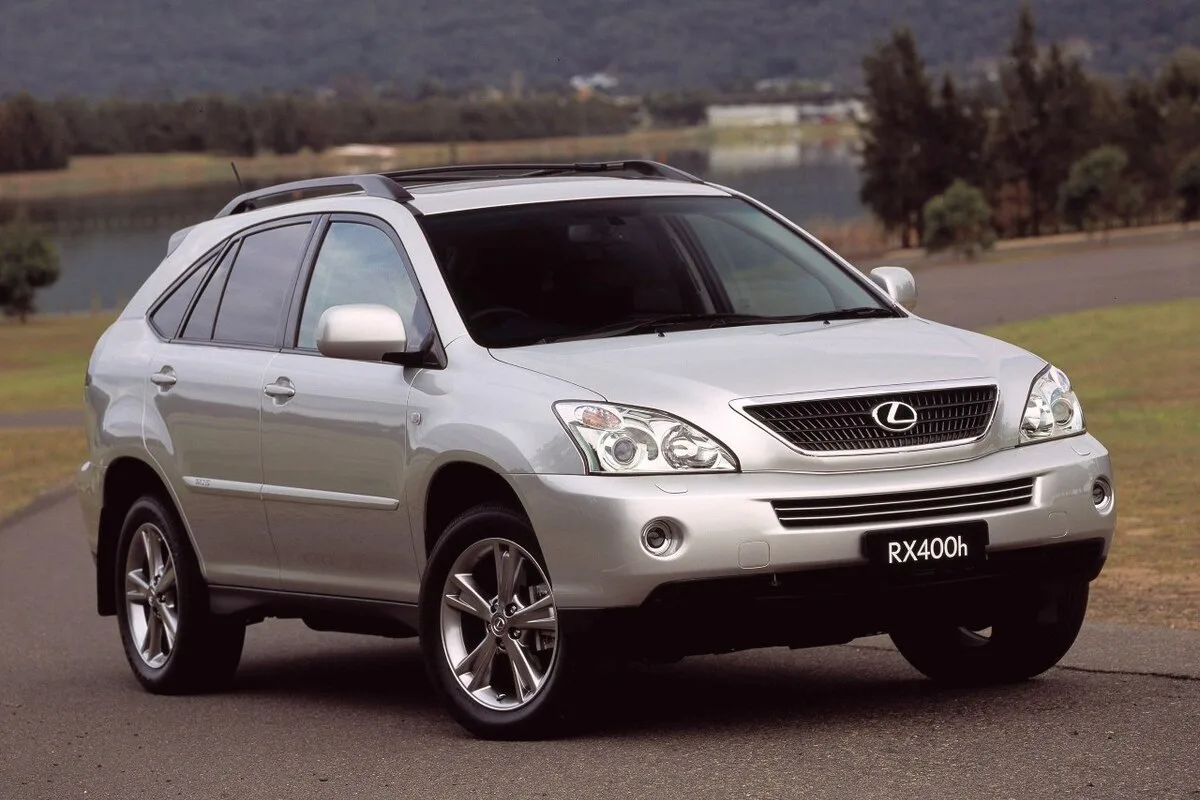

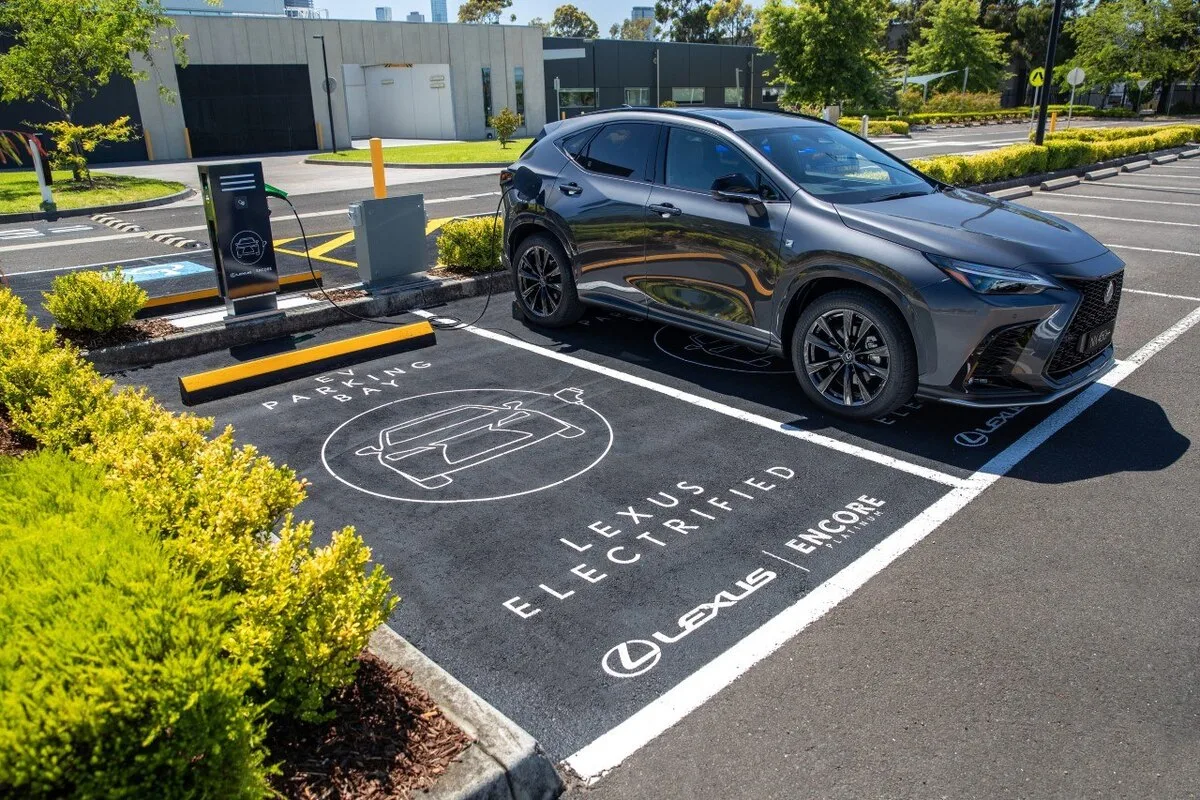
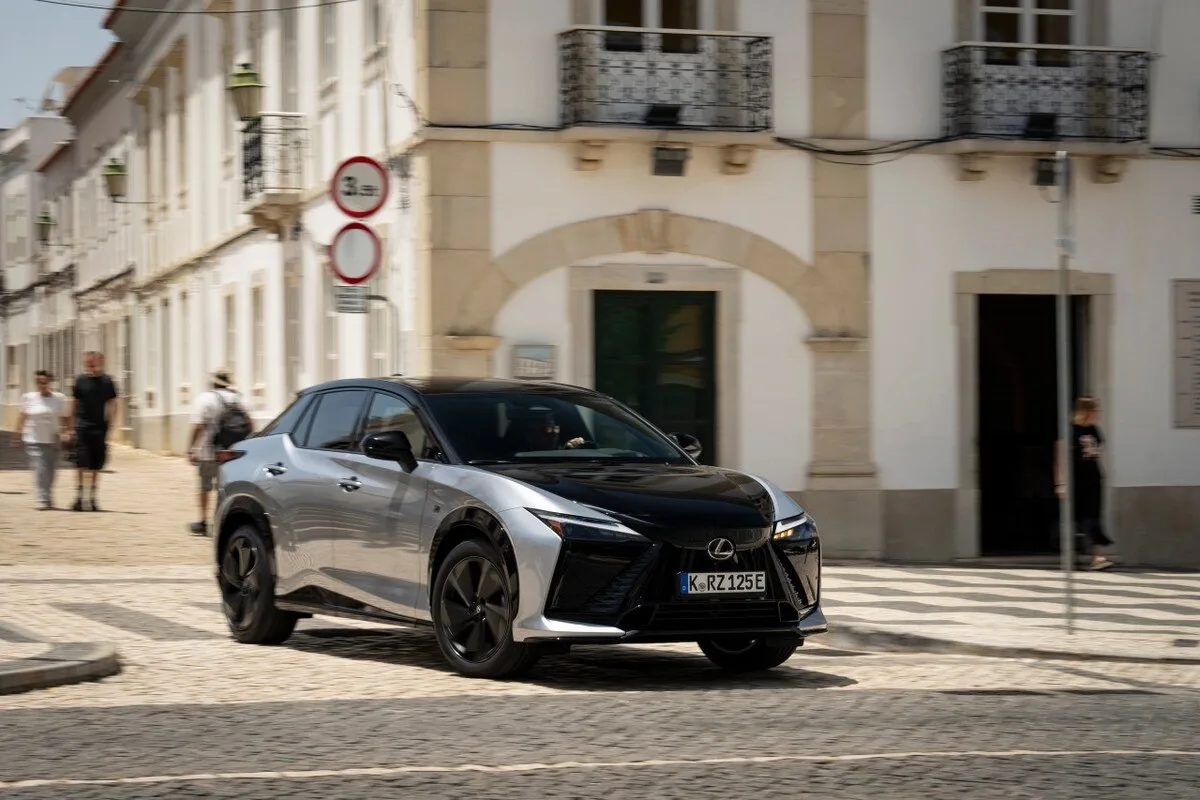

ABOVE: Lexus electrified models through the years
Where it started
Lexus says it was first in Australia with a hybrid luxury sedan when the GS 450h arrived in May 2006. They say “luxury” because Honda had a hybrid first, remember? A few months later came the RX 400h, billed as the world’s first hybrid luxury SUV. At the time, that was still uncharted territory. Hybrid tech was something people joked about from a distance whether the batteries would explode, the resale would vanish, or both. If Toyota’s Prius proved anything, it is that hybrids were more than just a fad that had Hollywood star power as support.
If you want to know what really works, look at taxis and ride share whose drivers know how many beans makes five.
Lexus insists on playing down its Toyota foundations but there they are, turning up with nicer trim and an L badge in faded old photo frames. Lexus turned those early cars into a calling card that said something about their owners. The GS 450h was not just another variant with a green badge nailed to the boot. Lexus says it was the world’s first hybrid luxury sedan and the first rear wheel drive hybrid, and that gave it genuine street cred.
One can’t help but feel all that has been lost in translation as the pace of change went into hyper-drive.
What changed
Two decades later, electrification is no longer a side hustle, it is the whole conversation. Every luxury brand is now trying to look terribly composed while shuffling from petrol to hybrid to plug in hybrid to battery electric, all without frightening punters or shareholders.
Meanwhile, the new Chinese labels turbo-charged the argument and that is why the timing matters. Lexus has history here but history is much less of a commodity than it once was.
It was in the hybrid game early enough to claim pioneer spirit status, and now it wants that experience to count for something as the market change causes growing pains for legacy carmakers, and that’s rather the point. The new RZ is a bridge, and the all new ES shows Lexus is not confining its EV plans to one body style in a secluded corner of the showroom.
For many, RZ’s very close ties to Toyota bZ4X and Subaru Solterra are a smidge too much but when compared to competition, RZ’s bijou sales are a sign. Punters are not only price sensitive but are wanting more for bang for their buck. RZ’s range, power, charge rate and equipment list were simply not enough. RZ’s direct competitor is Tesla Model Y, the biggest selling EV in the country and one of the top selling cars in the world.
Lexus will have to work overtime if it thinks any buyer will pay similar money for a slower EV twiths less range and much slower charging.
Here is the data-only breakdown of the Lexus RZ and Tesla Model Y for 2026:
| Feature | Lexus RZ 500e | Tesla Model Y Performance |
| Price (MSRP) | $121,675 AUD | $92,020 AUD |
| Powertrain | Dual-motor AWD | Dual-motor AWD |
| Peak Power | 230 kW | 393 kW |
| Peak Torque | 435 Nm | 660 Nm |
| Battery Capacity | 71.4 kWh | 82 kWh |
| Driving Range (WLTP) | 475 km | 514 km |
| DC Charge Rate | 150 kW | 250 kW |
| AC Charge Rate | 11 kW | 11 kW |
| 0-100km/h Sprint | 5.3 seconds | 3.7 seconds |
| Warranty | 5yr / Unlimited km | 4yr / 80,000 km |
The Tesla Model Y provides more performance and faster charging for a lower price. When Tesla can charge $150 a month for FSD Supervised and still come across as the more compelling package, the RZ starts to look less overpriced than utterly irrelevant. The Lexus RZ focuses on interior build quality and traditional ergonomics but carries a higher price tag for less raw power.
Why it matters now
Nonetheless, there is a neat symmetry to it. Lexus opened its local electrified storybook with a sedan and an SUV, and now it is rolling into this next phase with, again, a sedan and an SUV. Better late than never. The names have changed, the batteries have grown up, and the stakes are rather higher, but the basic message is much the same. Lexus wants luxury buyers to think electrification can still feel polished, quiet and faintly smug, rather than experimental and slightly worthy.
That will be the real test. Hybrid is old news now. Buyers barely blink at it. Battery electric is where the nerves still live, especially in luxury segments where people expect effortlessness and do not take kindly to inconvenience. Lexus is betting that two decades of hybrid credibility give it enough runway to make that next step look natural.
Tesla has cancelled its large luxury models and other luxury brands have also found it hard to convince buyers to go full electric. Jaguar has risked its very being on becoming 100% ultra luxury EV and it appears to have backfired spectacularly. Rolls-Royce created the Spectre, and in the market chasm between it and the mass market names, the luxury brands are battling.
Even that segment is not immune to the rampaging Chinese newcomers. Lexus can’t put a foot out of place. Toyota’s big boss said the OEM may not make it without change and Lexus without Toyota is also out of business. The stakes have never been higher.
The next chapter
So yes, the anniversary matters, but only if it leads somewhere. Lexus appears to understand that, so rather than just polishing up the GS 450h story and parking an RX 400h under a spotlight, it is tying the milestone to the launch of the new RZ and the all new ES.
Their HQ thinks it is the smarter move. Heritage is nice, but new metal is better. And if Lexus wants this 20 year hybrid milestone to mean anything at all, it has to prove the next 20 years will not be spent admiring the old trophies. There simply isn’t time to pontificate. The only reason EVs aren’t 90% of the market is decades of well-funded propaganda.
No matter what, the humans can’t keep pouring rubbish into the environment and expecting the planet to forgive. It won’t.
More Stories
- Toyota bZ4X Touring Joins Subaru Trailseeker
- MG4 gets a Melbourne Motor Show 1st
- Geely EX2 Melbourne Show Deal Extended

Alan Zurvas is the founder and editor of Gay Car Boys, Australia's leading LGBTQI+ automotive publication. Before launching GCB in 2008, Alan's automotive writing was published in SameSame.com.au and the Star Observer. With over 16 years of hands-on car reviewing experience, Alan brings an honest, irreverent voice to every review — championing value and innovation over brand loyalty.
Leave a Reply