Mazda has finally remembered that electric cars exist. The CX-6e, announced today for late 2026 arrival, is Hiroshima’s answer to a question the market asked three years ago, back when the competition was still finding its feet rather than sprinting laps around the legacy brands.
The specs look familiar because they are. A 78kWh lithium iron phosphate battery. A single 190kW rear motor. More than 450km of WLTP range. Charging from 30 to 80% in 15 minutes. This is the same powertrain architecture the Chinese have been shipping since 2023, which says everything about where Mazda sits in the EV timeline. Better late than never, but only just.
Mazda’s Director of Sales and Marketing, Jarrod Gieschen, describes the CX-6e as giving customers “the power of choice”. What he means is that Mazda finally has an electric SUV to put next to the 6e sedan, so customers no longer have to choose between buying a Mazda and buying an EV. For years, those were mutually exclusive options unless you counted the MX-30, and nobody counted the MX-30.
Above: Geely Starray and Which Driveline Is Best for You
#Mazda #CX6e #Electric #EVNews #CarNews

Help Support Gay Car Boys Subscribe to our Youtube Channel by SMASHING THE BUTTON ABOVE


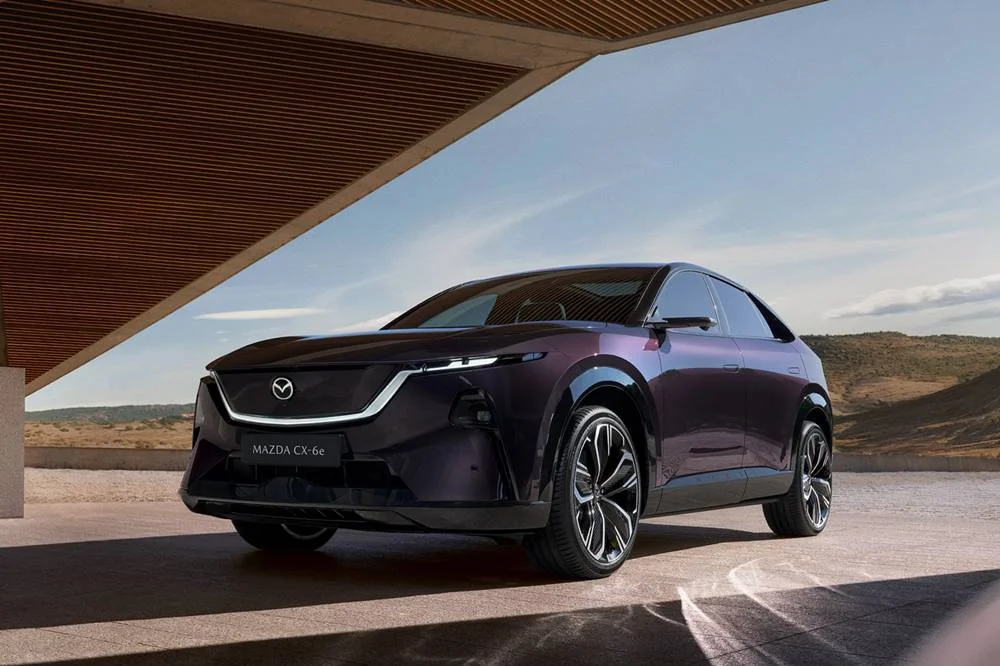
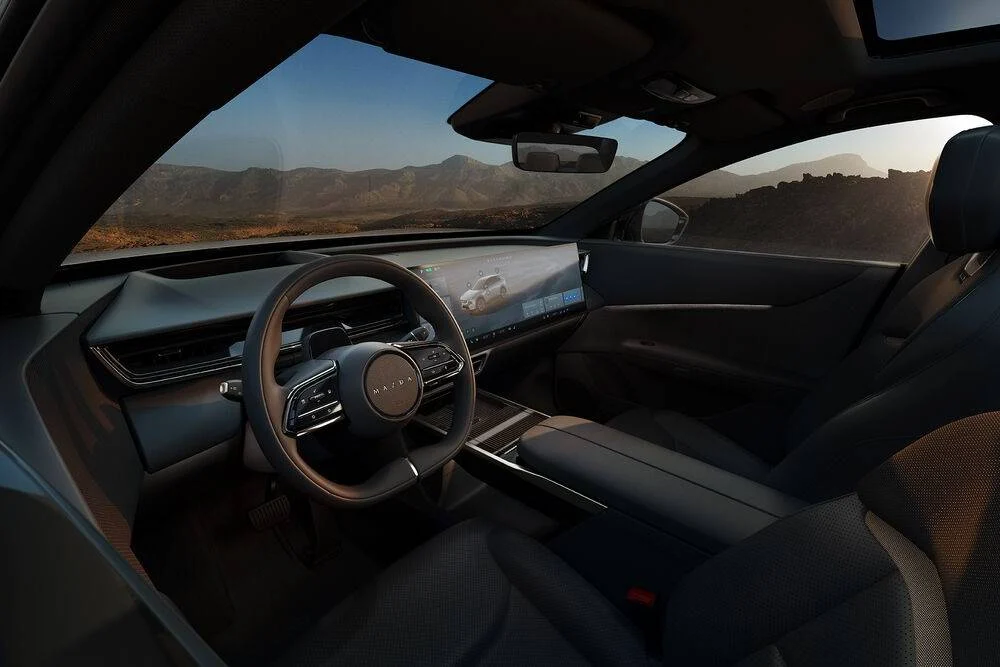

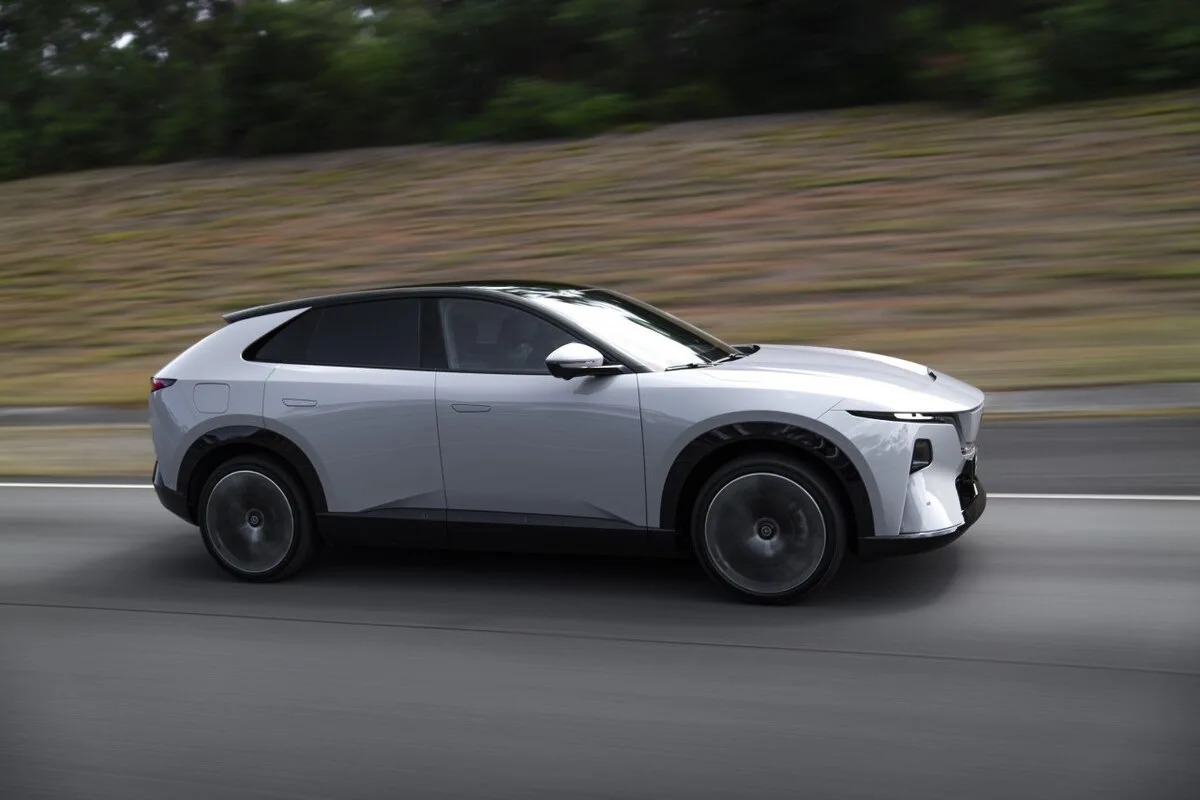


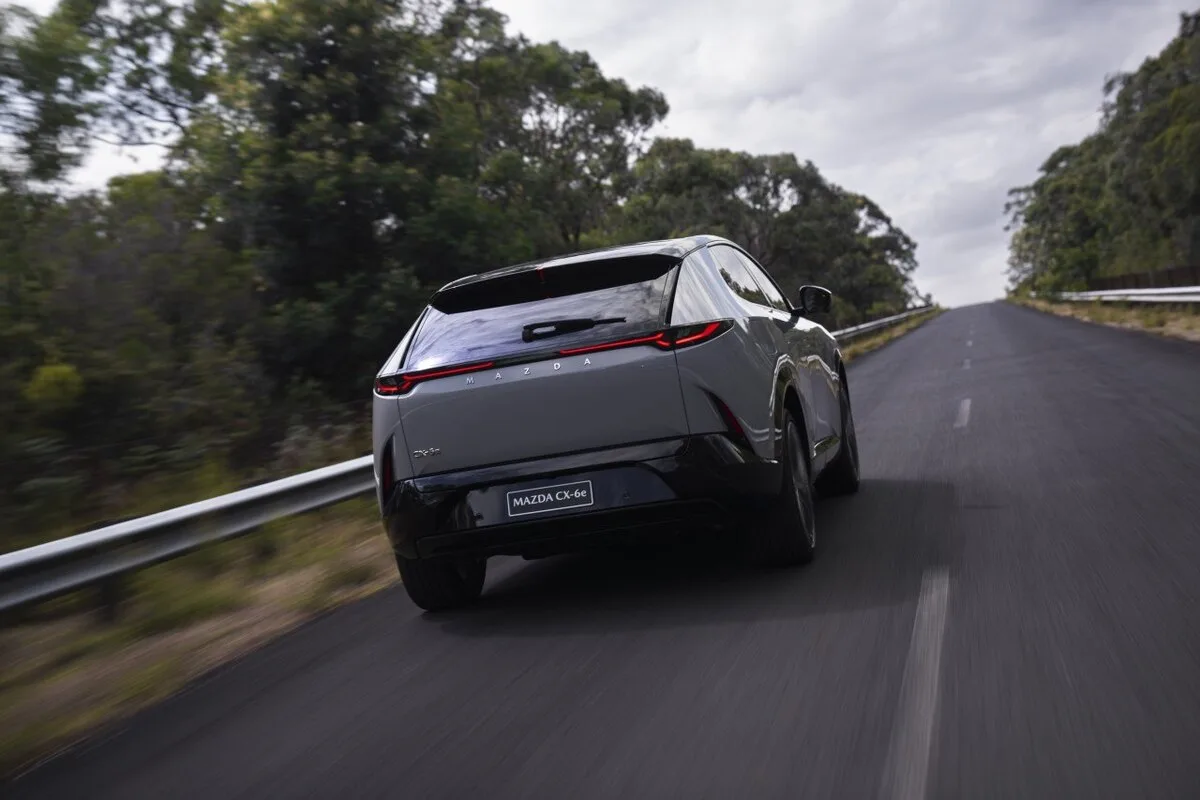
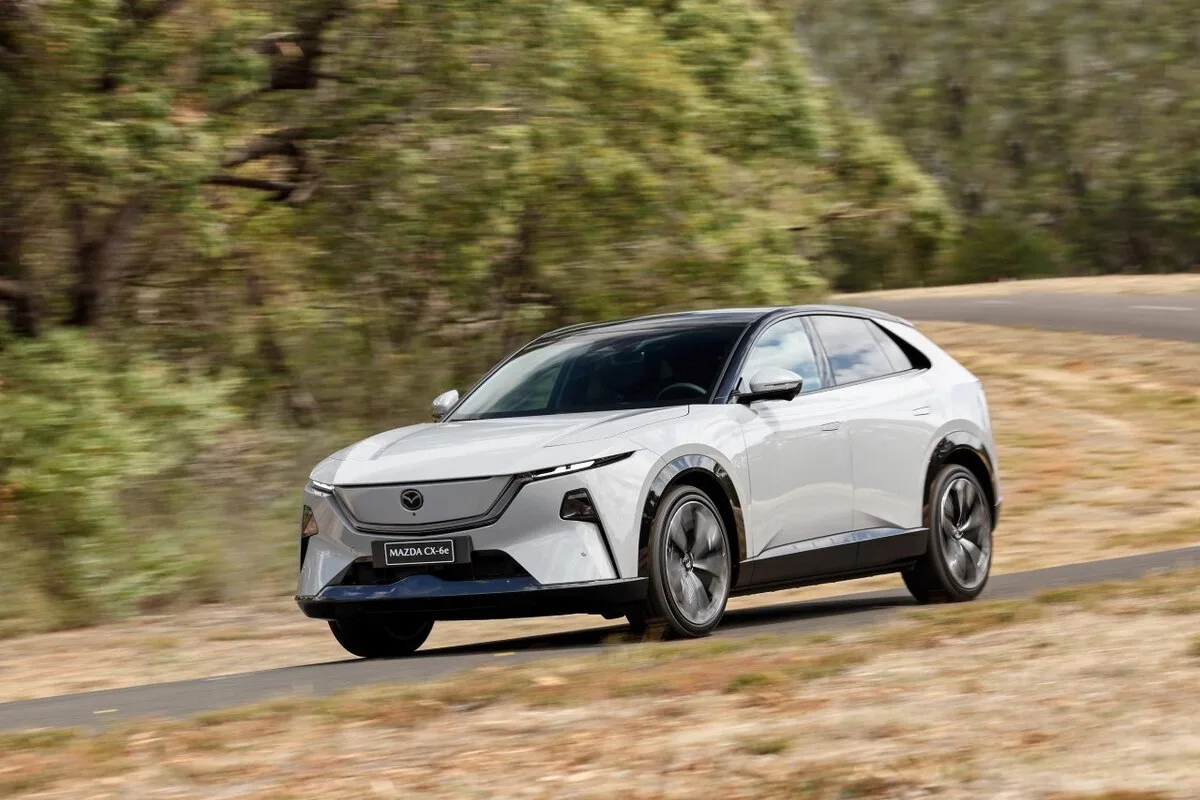
ABOVE: 2026 Mazda CX-6e exterior front three-quarter view, interior dashboard with infotainment screen
The Specs That Matter
The numbers are perfectly adequate. Not exciting, not embarrassing, just adequate. A 78kWh LFP battery is a sensible choice. Lithium iron phosphate chemistry is cheaper, safer, and lasts longer than the nickel-rich alternatives, even if it sacrifices some energy density. For an SUV designed to do the school run and the occasional road trip, that trade-off makes sense.
The 190kW single motor drives the rear wheels only, which is a curious decision for a brand built on Jinba-Ittai driving dynamics. Rear-wheel drive in dry conditions? Brilliant. Rear-wheel drive in a Melbourne winter with 1,800kg of battery weight sitting over the front axle? We shall see.
WLTP claims more than 450km of range. In the real world, where air conditioning exists and freeway speeds exceed test-cycle averages, expect something closer to 350 to 400km. That’s enough for most buyers most of the time, but it won’t win any arguments against a Sealion 7 or a Model Y.
Charging
The 30 to 80% in 15 minutes claim requires a 150kW or faster DC charger and optimal battery temperature. Most public chargers in Australia max out at 50kW because infrastructure investment is apparently someone else’s problem. At 50kW, that same charge takes closer to 45 minutes. Plan your road trips accordingly.
The Kodo Question
Mazda’s press release leads with design language. “FUTURE + SOUL x MODERN” sounds like something an algorithm generated after being fed a decade of luxury brand taglines, but the sentiment underneath is real enough. Kodo design has always been Mazda’s strongest card, and the CX-6e extends that philosophy into the electric era.
The Takumi artisans and their clay modelling techniques deserve credit. The CX-6e looks like a proper Mazda rather than a washing machine with wheels, which cannot be said of every EV SUV currently on sale. Whether Australian buyers care about hand-sculpted clay models when the BYD Atto 3 costs $15,000 less is another question entirely.
The Competition Problem
Here is where it gets uncomfortable. The Chinese brands have spent three years building EVs while Mazda was perfecting SkyActiv X and hoping mild hybrids would buy them time. They have not.
The BYD Sealion 7 offers 570km of range, faster charging, and a lower price. The Tesla Model Y has the charging network and the resale values. The Hyundai Ioniq 5 has been on sale for years with proven reliability. Even the Kia EV5, a direct competitor in size and positioning, undercuts whatever Mazda is likely to charge.
Mazda needs to land the CX-6e under $55,000 driveaway to be competitive. Anything north of $60,000 and it becomes the MX-30 all over again. A car everyone respects and nobody buys.
What Mazda Gets Right
There is a reason people buy Mazdas. The dealer network is extensive. The brand has a century of history. The build quality is generally excellent. The driving dynamics, when the engineers are allowed to do their jobs, can be genuinely engaging.
The CX-6e will have more than 140 dealerships backing it on day one. That matters. Warranty support matters. Knowing the brand will still exist in five years matters. These are not advantages the Chinese newcomers can claim with the same confidence, even if their products are technically superior.
The Verdict
The Mazda CX-6e is a perfectly competent electric SUV arriving approximately three years after competent stopped being enough. It will sell to brand loyalists, design enthusiasts, and people who want an EV but cannot stomach Tesla’s politics or BYD’s country of origin.
Whether it sells in any meaningful volume depends entirely on price. Get the number right and the CX-6e becomes a genuine option. Get it wrong and it joins the MX-30 in the clearance bin of automotive history.
Full pricing and specifications arrive closer to launch. We shall see if Mazda has learned anything from watching the market move on without them.
Mazda CX-6e Provisional Specifications
| Spec | Value |
| Powertrain | Electric (BEV), 190kW |
| Drivetrain | Single rear motor, RWD |
| Battery | 78kWh Lithium Iron Phosphate (LFP) |
| Charging | 30-80% in 15 minutes (DC fast charge) |
| Range | 450+ km (WLTP) |
| Arrival | Late 2026 |
More Stories
Help Support Gay Car Boys Subscribe to our Youtube Channel

Alan Zurvas is the founder and editor of Gay Car Boys, Australia's leading LGBTQI+ automotive publication. Before launching GCB in 2008, Alan's automotive writing was published in SameSame.com.au and the Star Observer. With over 16 years of hands-on car reviewing experience, Alan brings an honest, irreverent voice to every review — championing value and innovation over brand loyalty.
Leave a Reply