Toyota has finally done it. The company that clung to diesel like a pensioner clutching the last Quality Street has delivered an electric HiLux. On sale in May, priced from $74,990 plus on-roads, the HiLux BEV marks Toyota’s first battery-electric light-commercial vehicle in Australia.
After years of watching BYD, LDV, and a parade of Chinese newcomers nibble away at their precious ute market share, Toyota is responding with voltage instead of vapour. The question isn’t whether an electric HiLux exists. The question is whether anyone other than fleet managers will bother buying one.
The HiLux BEV arrives exclusively as a double-cab with dual-motor AWD, offered in mid-spec SR or the leather-wrapped SR5. No single-cab workhorses for tradies who just need something to haul bags of cement. No budget-spec entry point for small businesses watching every dollar. Toyota knows exactly who this is for, and it isn’t you, unless your business card says “Fleet Procurement Manager.”
Above: Geely Starray and Which Driveline Is Best for You
#ToyotaHiLux #HiLuxBEV #Electric #EVNews #CarNews

Help Support Gay Car Boys Subscribe to our Youtube Channel by SMASHING THE BUTTON ABOVE


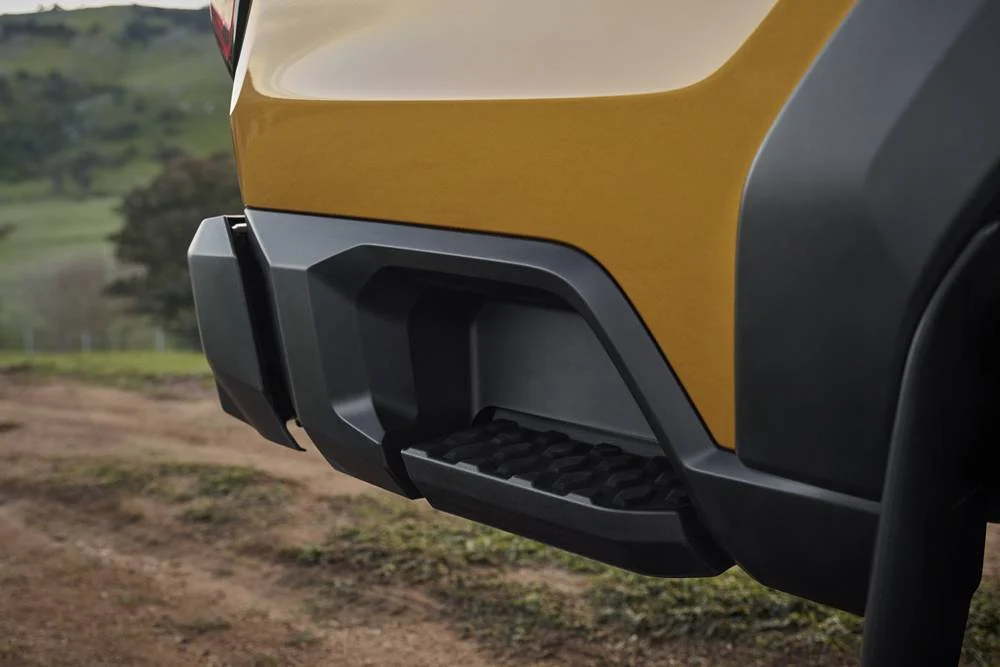


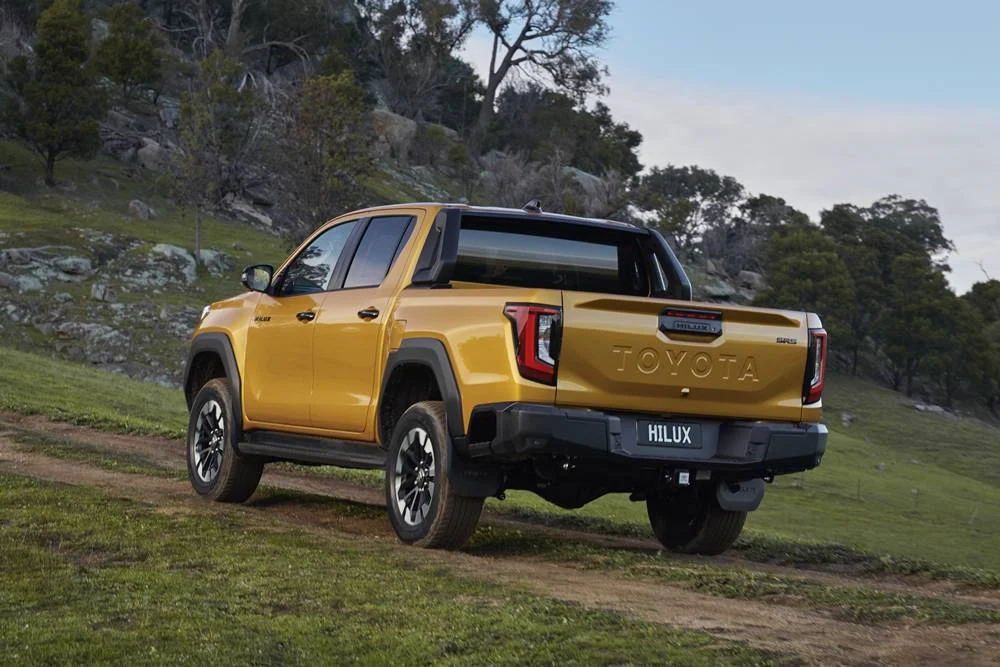
ABOVE: 2026 Toyota HiLux BEV exterior, rear view, interior dashboard, charging port, side profile
The Numbers
Let’s start with what matters. The SR double cab-chassis opens at $74,990. Want a tray? That’ll be the SR pick-up at $76,490. Fancy some leather and heated seats while you save the planet? The SR5 pick-up tops the range at $82,990. All prices exclude on-road costs, because Toyota wouldn’t want to make the sticker any more frightening than it already is.
The BYD Shark 6 suddenly looks like a bargain with a tray and bells and whistles for considerably less coin. LDV’s eT60 undercuts it by even more. Toyota’s response, apparently, is to hope the three letters “T-O-Y” are worth a $15,000 premium. For some fleet managers with Toyota service agreements stretching back to the Howard years, they probably are.
What Powers It
A 59.2kWh lithium-ion battery feeds dual motors producing a combined 144kW and 468Nm. The front motor contributes 82kW/206Nm while the rear unit does the heavy lifting at 129kW/269Nm. Torque is shuffled between axles as needed, providing what Toyota calls “high-traction full-time AWD.”
For the off-road enthusiasts who inexplicably want to take their expensive electric ute bush, there’s a Multi-Terrain Select system with six modes. Because nothing says “adventure” quite like selecting the correct traction algorithm before attacking that fire trail.
How Far Will It Go?
Here’s where it gets uncomfortable. The pick-up variants manage 315km on the NEDC cycle. The cab-chassis limps in at 245km. NEDC, for those unfamiliar, is the optimistic European testing cycle that bears about as much resemblance to Australian driving conditions as a snow tyre does to Bondi Beach.
In the real world, where air conditioning exists and accelerator pedals get used, expect considerably less. Toyota hasn’t published WLTP figures, which tells you everything you need to know about their confidence in the numbers. The BYD Shark 6 claims 430km WLTP. The comparison is not flattering.
DC fast charging tops out at 150kW, taking the battery from 10 to 80% in roughly 30 minutes. There’s 10kW three-phase AC charging for home use, refilling the battery overnight in about 6.5 hours. Fine. Not impressive. The kind of charging spec that makes you nod politely before checking what the Chinese alternatives offer.
What You Get Inside
A 12.3-inch touchscreen and matching 12.3-inch instrument cluster anchor the dashboard. Wireless Apple CarPlay and Android Auto are standard. There’s embedded sat-nav, DAB+ digital radio, and dual-zone climate control. The SR gets fabric seats and urethane steering wheel. The SR5 adds leather-accented upholstery, heated front seats, heated steering wheel, and an eight-speaker audio system.
A 1500W inverter in the centre console can power small appliances, which is useful if your idea of a good time is running a blender at a remote camping site. Toyota calls this a feature. Everyone else calls it the bare minimum for an EV in 2026.
Toyota Safety Sense comes standard across the range, including autonomous emergency braking, adaptive cruise, lane keep assist, rear cross-traffic alert, and a panoramic view monitor. Eight airbags protect the cabin. It’s all perfectly adequate, in the way that Toyota has made a religion out of adequate.
The Mining Angle
Toyota has been testing HiLux BEVs on mine sites for months, subjecting them to temperatures approaching 50°C and conditions that would make most EVs burst into tears. This is the real market. Government fleets. Mining operations. Construction sites with ESG targets to hit and PR departments to satisfy.
Private buyers looking for an electric ute have cheaper, longer-range options. Fleet buyers looking for a Toyota badge on their ESG report have exactly one option. Toyota knows this. The pricing reflects it. Real driving on the edge stuff.
2026 Toyota HiLux BEV Pricing
| Grade | Price (plus on-roads) |
|---|---|
| SR double cab-chassis | $74,990 |
| SR double-cab pick-up | $76,490 |
| SR5 double-cab pick-up | $82,990 |
Premium paint adds $675.
Should You Care?
If you run a fleet, yes. Toyota’s service network is vast, its parts availability is legendary, and the badge carries weight with shareholders who want to see “sustainability” in annual reports. The HiLux BEV will sell to these customers regardless of how the specs compare to the Chinese competition.
If you’re a private buyer who wanted an electric ute, the BYD Shark 6 offers more range, faster charging, a lower price, and a proper V2L system that doesn’t embarrass itself. Toyota is arriving late to a party that started without them and expecting everyone to be impressed they finally showed up. We’re in a Shark 6 this week and it drives like a car albeit a big one.
The HiLux BEV is a corporate vehicle wearing consumer clothes. It exists because Toyota needed it to exist, not because customers demanded it. Three exterior colours (Glacier White, Frosted White, Ash Slate) and a complimentary 7kW wallbox for private buyers who finance through Toyota complete a package that feels more like a compliance exercise than a conviction.
Toyota’s multi-pathway approach to electrification has always meant going glacially while competitors went quickly. The HiLux BEV is the clearest evidence yet that slow has consequences.
More Stories
- BYD Shark 6 vs Kia Tasman: Which Electric Ute Wins?
- Soaring Fuel Prices Drive EV Interest Across Australia
Help Support Gay Car Boys Subscribe to our Youtube Channel

Alan Zurvas is the founder and editor of Gay Car Boys, Australia's leading LGBTQI+ automotive publication. Before launching GCB in 2008, Alan's automotive writing was published in SameSame.com.au and the Star Observer. With over 16 years of hands-on car reviewing experience, Alan brings an honest, irreverent voice to every review — championing value and innovation over brand loyalty.
Leave a Reply