Volvo has decided the Polestar 3 deserves an American passport. The Swedish-but-actually-Chinese electric SUV is getting its production consolidated at Volvo’s South Carolina plant, waving goodbye to its Chengdu factory floor in what looks suspiciously like a pre-emptive dodge of tariff troubles.
This is not a small decision. When a company moves production from China to America in 2026, they are not doing it because South Carolina has better dim sum. They are doing it because the political winds have shifted, the trade war drums are beating louder than ever, and being able to slap “Built in USA” on your window sticker has become worth more than cheap labour.
Volvo and Polestar announced today that the Polestar 3 will be manufactured solely at the Ridgeville plant outside Charleston. The electric SUV has been rolling off lines in both Chengdu and South Carolina since launch, but that dual-continent strategy is now being retired in favour of American exclusivity.
Above: Geely Starray and Which Driveline Is Best for You
#Polestar #Volvo #Electric #EVNews #CarNews

Help Support Gay Car Boys Subscribe to our Youtube Channel by SMASHING THE BUTTON ABOVE


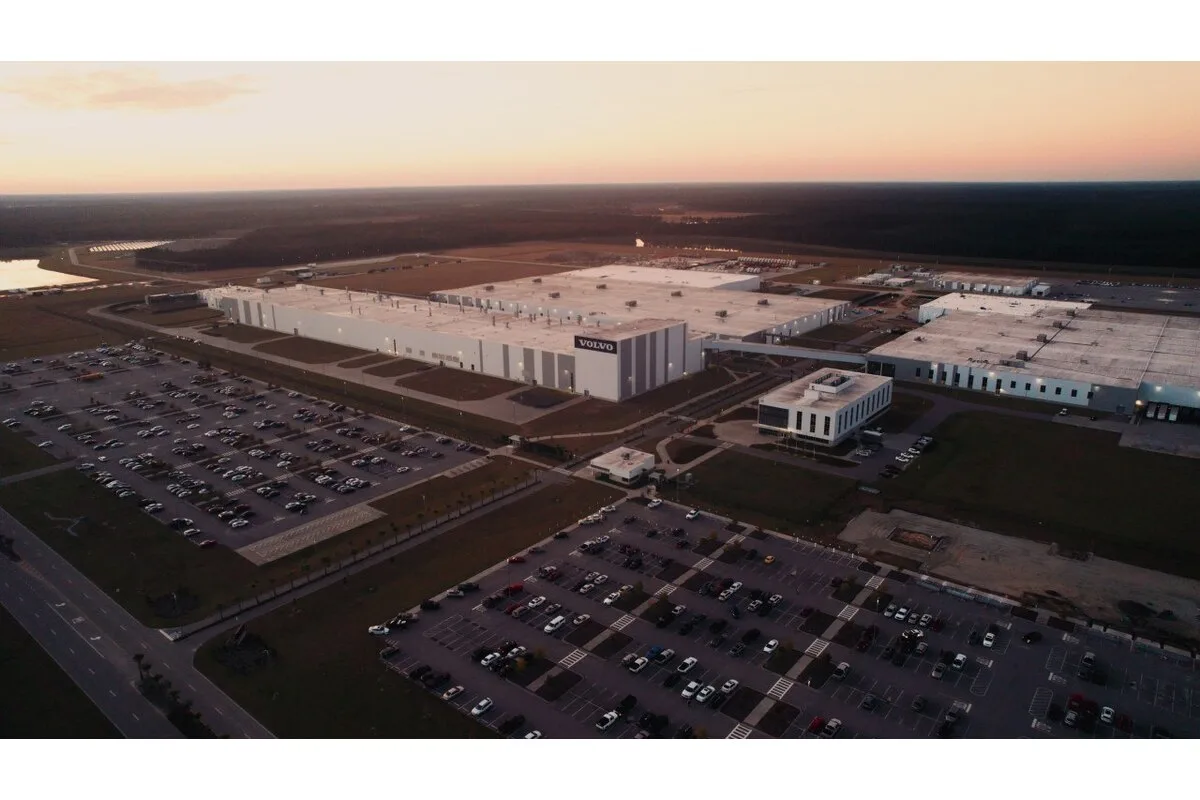
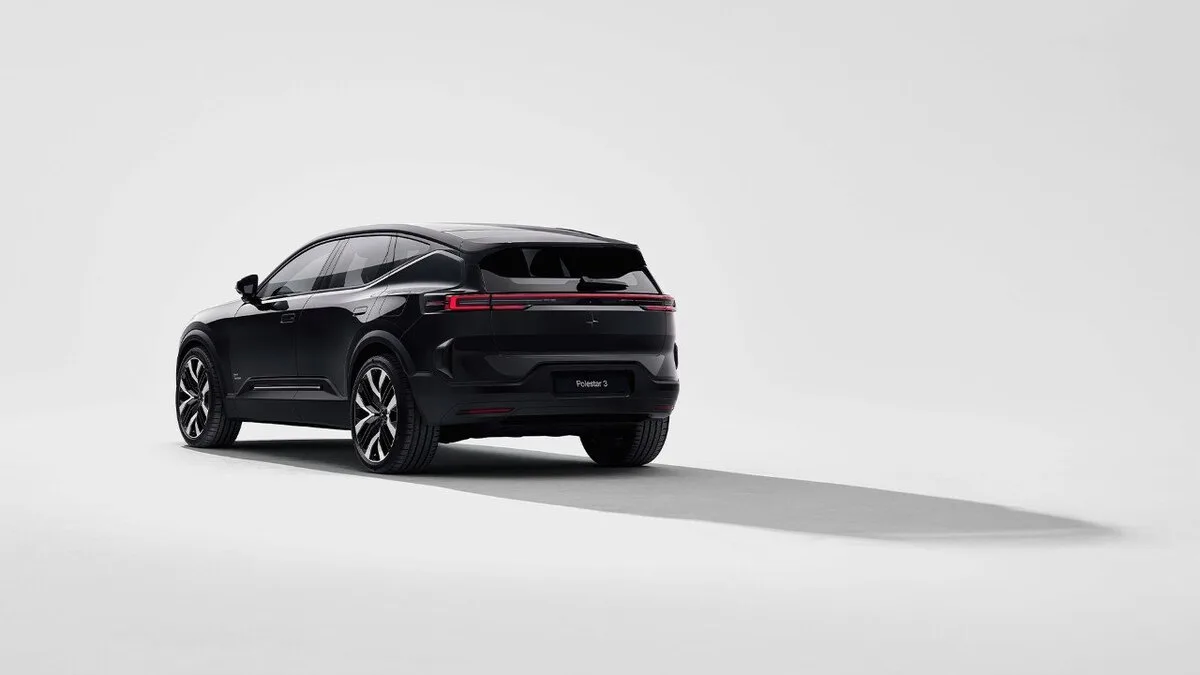

ABOVE: Polestar 3 production announcement, Polestar 3 rear view, Polestar 2 and 3 driving scenic mountain roads
Why Charleston Matters
The South Carolina facility has become the golden child of Volvo’s global manufacturing empire. It already builds the EX90, shares the same SPA2 architecture as the Polestar 3, and has received USD 1.3 billion in investment over the past decade. When Volvo says they have “confidence in the plant and the role it plays,” they mean they have sunk enough money into it that abandoning it now would require someone’s head on a platter.
The 150,000-unit annual capacity gives Volvo room to grow. The XC60 is joining the production line. A new hybrid model is coming before 2030. And now the Polestar 3 gets its own bay in the American factory.
Håkan Samuelsson, Volvo’s chief executive, was rather diplomatic about the move. “The US is a very important market for Volvo Cars, both to support our growth ambitions as well as a strategic production site to meet regional and export demands.” Translation: we need cars without Chinese origin stamps, and we need them urgently.
The Tariff-Shaped Elephant
Nobody in the press release mentioned tariffs. Nobody needed to.
The reality is stark: electric vehicles built in China face a 100% tariff when entering the United States. A Polestar 3 with a China birthmark would cost roughly double at the border, rendering it commercially dead on arrival. Even European markets are getting twitchy about Chinese manufacturing, with the EU threatening its own protective duties.
By consolidating in South Carolina, Volvo sidesteps the entire mess. The Polestar 3 becomes a genuine American product, eligible for whatever incentives remain after the political winds have finished blowing, and immune to the punitive tariffs designed to strangle Chinese EV imports.
This is not altruism. This is survival maths.
What This Means for Polestar
Polestar has been walking a tightrope between Swedish identity and Chinese reality since its inception. The brand is technically Swedish. The parent company, Geely, is comprehensively Chinese. The original Polestar 3 production was split between continents precisely to hedge bets on where the market would land.
The market has landed. It landed on protectionism.
Moving entirely to US production makes Polestar 3 buyers feel better about where their money goes. It makes dealerships breathe easier when explaining the vehicle’s origins. And it makes the accountants sleep soundly knowing they will not wake up to a new tariff announcement that renders their inventory worthless.
Whether this ultimately helps Polestar compete against the American-built Tesla Model X or the German-built BMW iX remains to be seen. The Polestar 3 is a fine SUV, genuinely competent and handsomely styled. But being built in America does not make it American. The DNA remains Scandinavian. The ownership remains Chinese. The production address is just geography.
The Bigger Picture
Volvo’s Charleston strategy is part of a broader “build where you sell” philosophy that every sensible manufacturer is adopting. When trade barriers go up, the companies with local factories survive. The companies shipping containers across oceans get eaten alive by tariffs and political whims.
This is the new automotive reality. It is not about efficiency anymore. It is about resilience. And Volvo, to their credit, saw it coming years ago when they broke ground in South Carolina.
The Polestar 3 consolidation is just the latest move in a global chess game where the pieces are factories and the stakes are entire brands. Expect more announcements like this. Expect Chinese manufacturers to accelerate their own European and American facility plans. Expect the supply chains that define modern car production to be redrawn entirely over the coming decade.
For Australian buyers, this news changes little. Our Polestar 3s already come from wherever makes most sense for our market, and we lack the tariff drama that makes American production strategically vital. But it does signal that Polestar and Volvo are serious about playing the long game, adapting to political realities rather than hoping they will change.
Smart money says they are right to do so.
More Stories
- 2026 Polestar 2 Performance Review — Swedish Gold and Öhlins Dampers
- Polestar 5 Australia Tour: Five Years Down, and the Swedish Stallion Finally Grows Up
Help Support Gay Car Boys Subscribe to our Youtube Channel

Alan Zurvas is the founder and editor of Gay Car Boys, Australia's leading LGBTQI+ automotive publication. Before launching GCB in 2008, Alan's automotive writing was published in SameSame.com.au and the Star Observer. With over 16 years of hands-on car reviewing experience, Alan brings an honest, irreverent voice to every review — championing value and innovation over brand loyalty.
Leave a Reply