
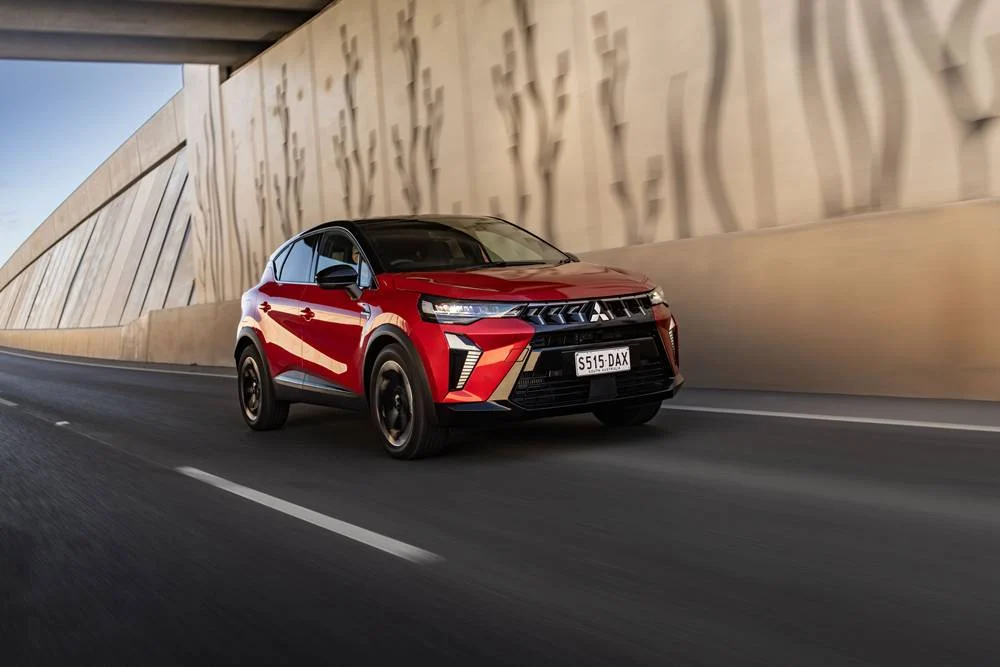
The 2026 Mitsubishi ASX Aspire finally ended the fifteen-year run of the decrepit ASX. Fifteen years is utterly unforgivable in the automotive world. It had become the default choice for entry-level buyers and, despite its geriatric architecture, was decent value. Cash-starved Mitsubishi had no choice but to get rid of the ASX as it was one of the models in the brand’s portfolio that failed to meet NVES (Australia’s New Vehicle Efficiency Standard).
Rather like VW, who went cap in hand to Ford (for the Ranger) after being fiscally unable to develop a new ute to replace the ancient Amarok, Mitsubishi went to Renault. Now based on the European Renault Captur, the 2026 ASX is undoubtedly a radical transformation, but the ring-clenching 13-grand price jump causes near Olympic pearl-clutching. The ASX has traded its “bargain basement” status for a premium price tag which now puts it in the ring with better-equipped rivals, some of which are AWD PHEVs. The ASX may wind up on the canvas.
VIDEO REVIEW TO COME
Download Brochure HERE:
The Price of Progress
The shock for traditional Mitsubishi loyalists is the cost. Whereas the previous range started in the mid-$20,000s and topped out way under $40k, the 2026 ASX Aspire has a coma-inducing $42,690 MSRP. With on-roads, it is a staggering $47,000 driveaway for a very humble mid-range trim level. In a complete misstep, Mitsubishi has abandoned the traditional entry-level budget market on which it so heavily relied. The ASX is now pitted against premium masthead offerings like the Volkswagen T-Roc and higher-spec versions of the super-economical Toyota Corolla Cross.
The Euro Exterior and Interior
Visually, the car is a daring departure. Gone is the “Boxy McBoxface” of the old model, replaced by a cute and curvaceous French aesthetic, for better or for worse. Although physically smaller by 13cm, it looks bigger than the old model.
Inside, the cabin is an improvement, but there are still lots of scratchy “plakky” parts, including tacky Piano Black which looks good for about 10 seconds. The dashboard is topped by a handsome 10.4-inch portrait touchscreen running Google Built-in. Drivers get Google Maps, Spotify, and Google Assistant, and iPhone users like me also get the advantages of wireless Apple CarPlay. The Google OS signed into my Google account, but the assistant insists on reading the temperature in imperial despite showing C on the readout. We’ve had this before with Google Automotive OS and never did get it sorted. TOP TIP: Work around it by asking for the temperature in Celsius.
If you want a real giggle (and have Google Home), say, “Hey Google, goodnight.” My hubby was curled up on the lounge binging Heated Rivalry when out of the blue, the lights and TV switched off—boom!
The Aspire trim has light grey cloth upholstery. It has a bright, modern feel streets ahead of its predecessor but falls well behind the classy ambience of the H6 PHEV we recently tested. The H6 felt bigger and unexpectedly premium with a much better ride.
There is a cool mini gear shift-by-wire toggle on the floating console, but as with all electronic shifters, it will eventually fail. They look fabulous, but no car made in the last decade will ever become a classic because little items like this could disable it forever. We watched Car Wizard’s assessment of a 25-year-old Bentley Arnage that is now junk. The electronic shift selector is unavailable either new or second-hand.
Above: This Week’s VIDEO Review –2026 Haval H6 Ultra PHEV: Inertia Dampers at Warp 9.9!
#GWM, #HavalH6, #PHEV, #HavalH6PHEV, #SUV, #CarReview, #AnyAuto, #HybridSUV, #AussieCars, #InertiaDampers, #WarpSpeed
#GayCarBoys

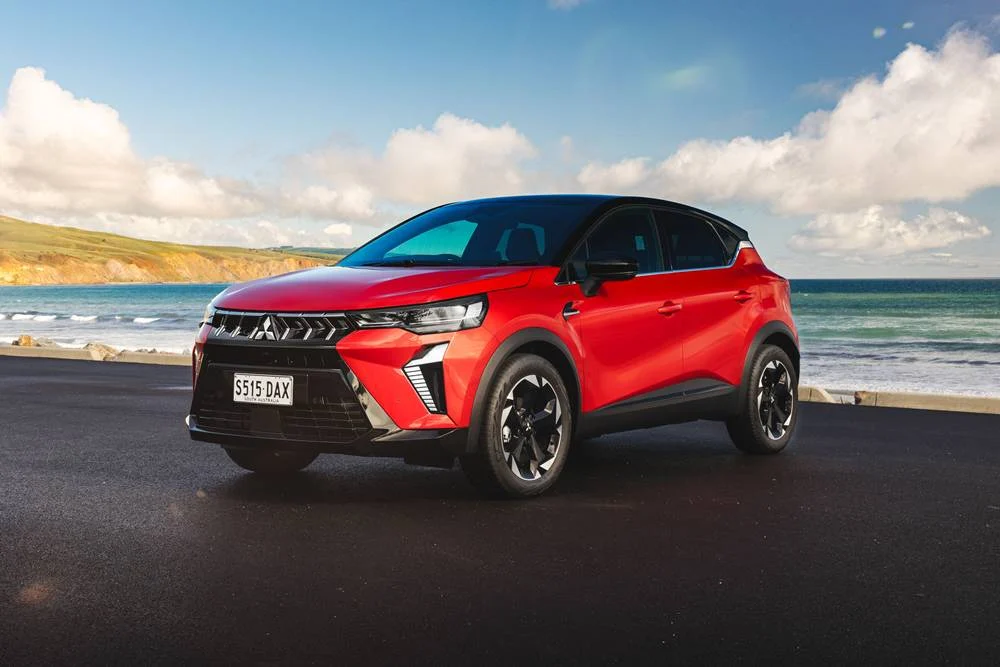
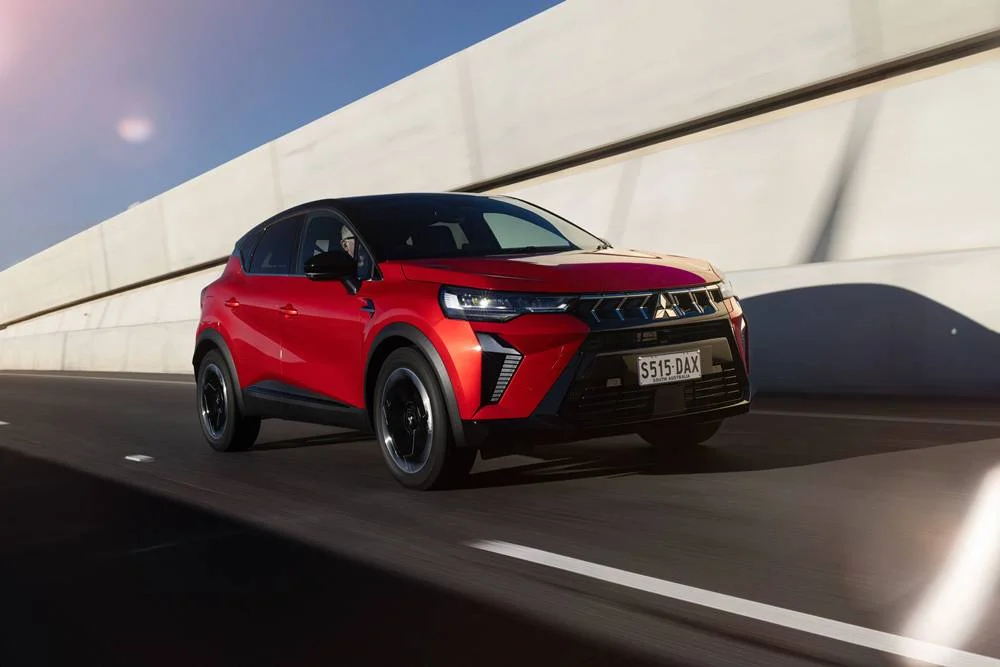

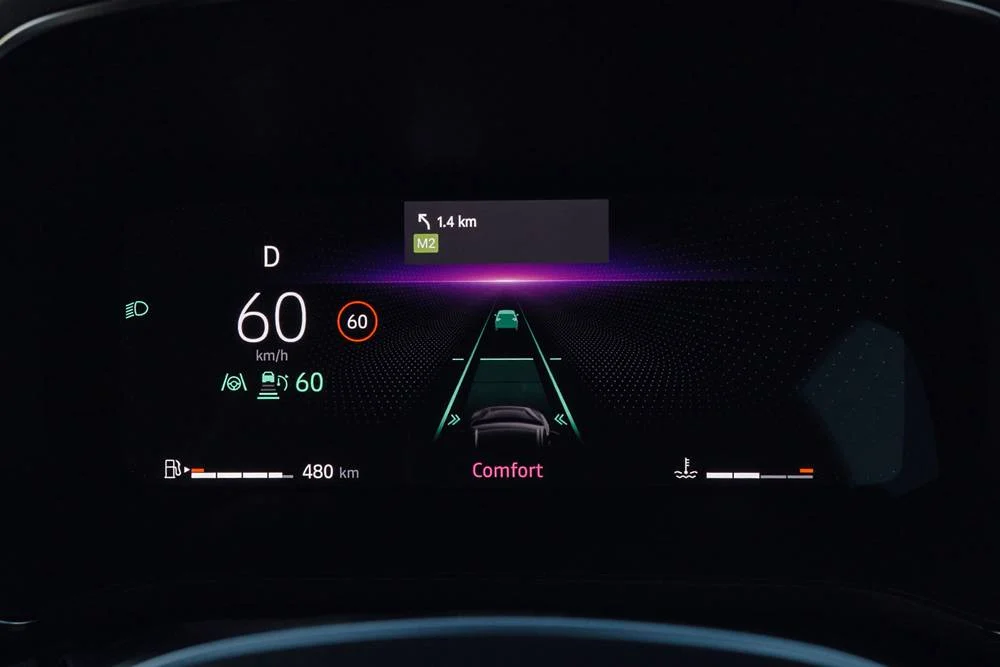
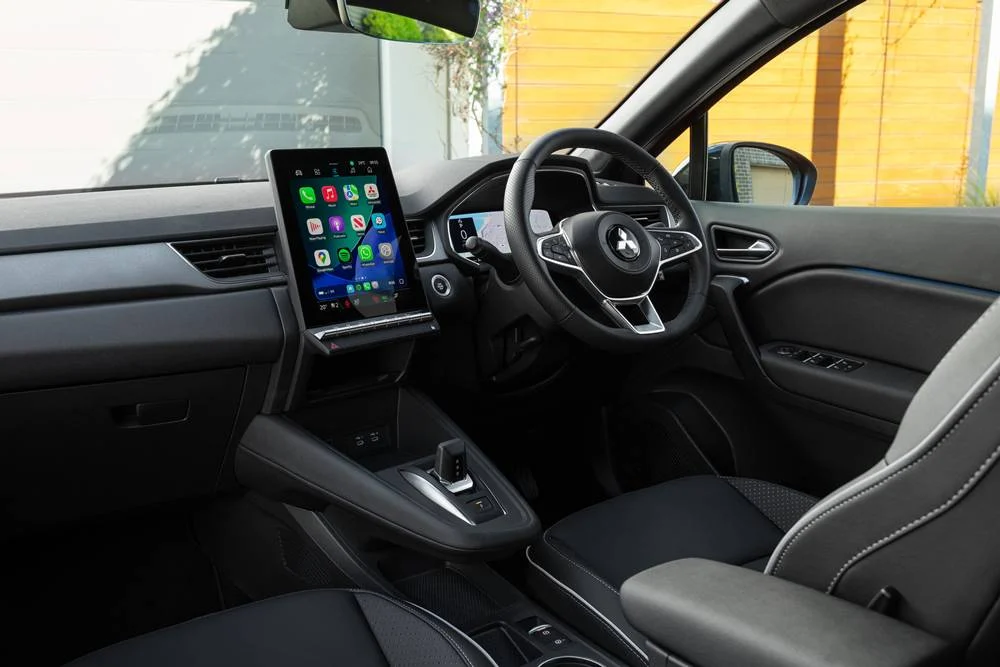

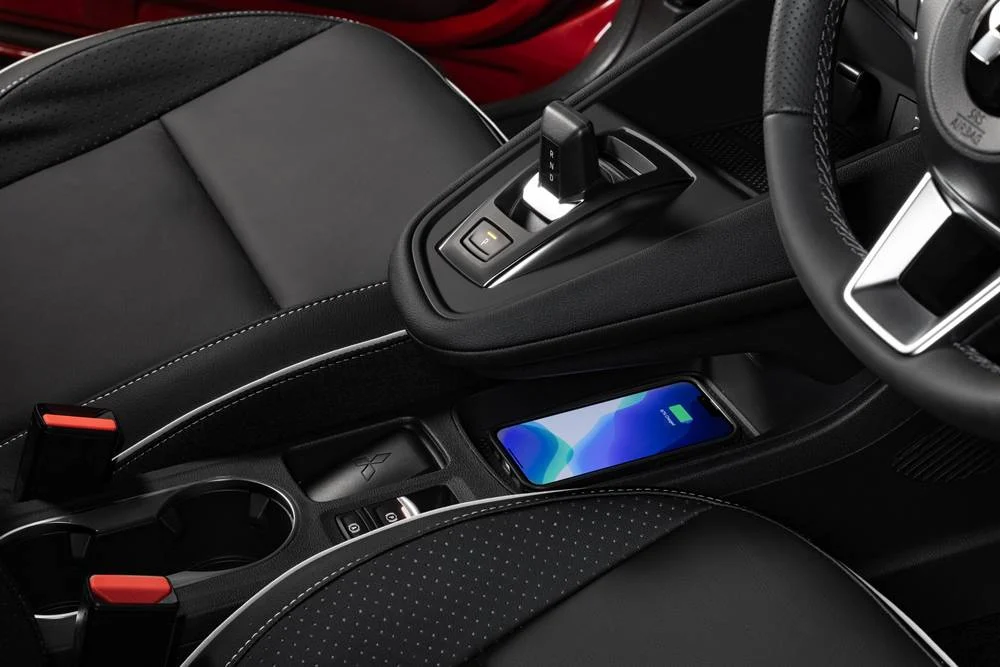
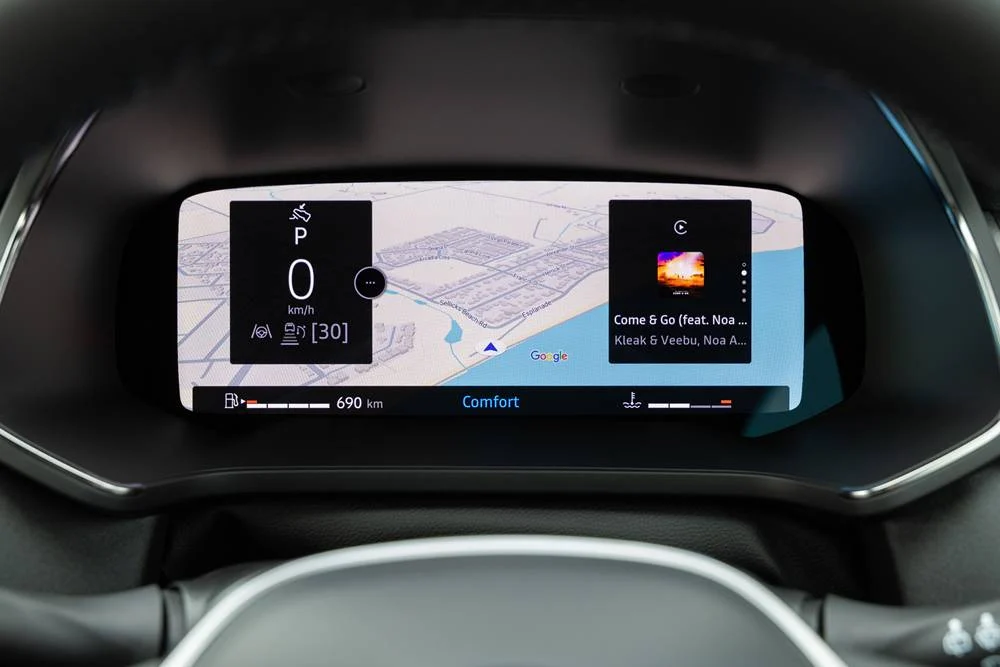
ABOVE: 2025-26 Mitsubishi ASX
Steps Back
Here is where we run into a couple of tiny steps backward. The smaller exterior footprint has big consequences. The sliding rear bench seat prioritises either legroom or boot space (up to 616L), but the cabin feels much narrower. Fitting three beefy lads across the back makes the scene decidedly cosier than casual friendship and good manners would normally allow.
The Nitty Gritty of Performance vs. Real-World Economy
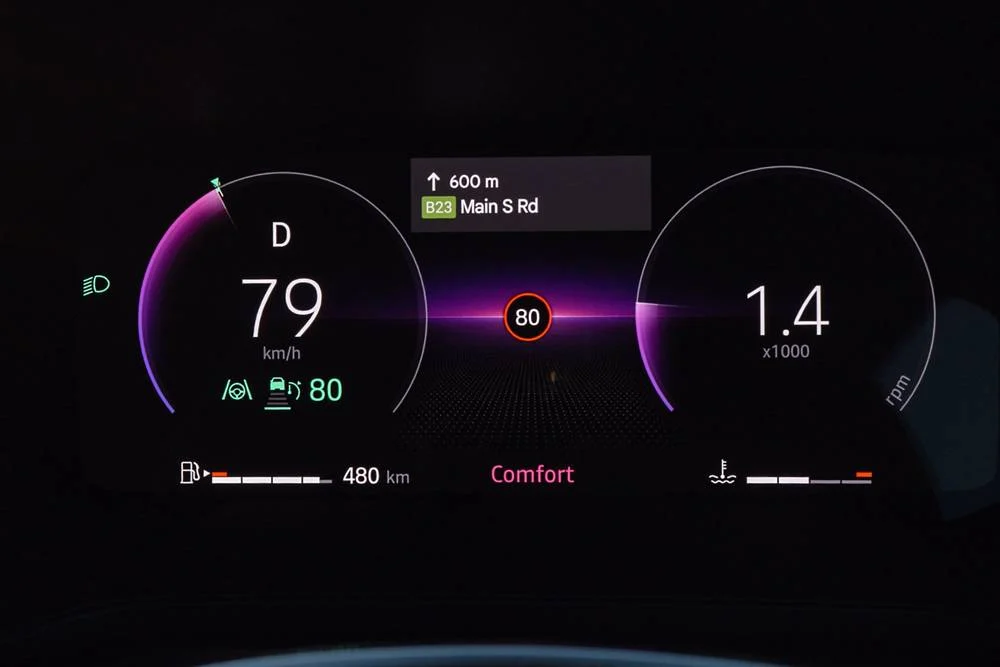
The mechanical hardware has been entirely replaced. The ancient 2.0L and 2.4L naturally aspirated engines were binned, replaced by a tiny 113kW/270Nm 1.3-litre four-pot turbo. Its seven-speed dual-clutch automatic (DCT) is streets ahead of the appalling CVT, but it is still not a favourite.
The ASX might feel punchier and more refined than before, but we were starting with a very low bar. There is decent torque, but you must select Sport mode for the extra kick. Getting onto a freeway needs planning with that little warhorse screaming for mercy.
Like almost all small (non-hybrid) engines, economy tells the real story. Crawling along in ECO mode may get close to the OEM figures, but we found that the official fuel claims were highly optimistic. Mitsubishi claims a combined 6.4L/100km, but our test was closer to 7.2L/100km. It’s much better than the old model, but the hybrid Toyota is more like 4.2L/100km. Going even further, the GWM H6 PHEV costs the same as the ASX but gives you a much bigger SUV, the ability to plug in for 100km of EV-only range, a miserly 0.6L/100km (on our test), and more than double the power/torque. Oh, and it has no gearbox.
Ride is mostly smooth, but that torsion-bar rear end gets mighty nervous when pushed through rumbly corners. It’s worth remembering that French cars sell very badly in Australia and have terrible resale value. Was pairing with Renault such a wise move?
The $47,000 Competitive Landscape
At $47,000 driveaway, the ASX Aspire no longer appeals on price. It is now swimming in a shark tank teeming with larger, more powerful, and more efficient alternatives that are more attractive in every way.
For those prioritising oomph, smoothness, and comfort, the GWM Haval H6 Ultra PHEV is ahead by a country mile. As mentioned, for similar money to the ASX, the H6 provides a Plug-in Hybrid system with 240kW and 530Nm—more than double the torque of the Mitsubishi. The H6 Ultra PHEV has All-Wheel Drive (AWD), a panoramic sunroof, and the ability to drive up to 100km on pure electricity. We managed most of the week running only on electric power, using the PHEV exactly as designed. For even less money, the standard Haval H6 Hybrid is $39,990 driveaway, offers more space, and lower fuel consumption. Traditional carmakers have taken their eyes off the ball, which the Chinese OEMs are now kicking around the field like soccer hottie Lucas Bergvall on a bender.
If efficiency is your thang, the Toyota Corolla Cross Hybrid (GXL or GX) gets sub-5.0L/100km, smacking the ASX’s 7.2L firmly on the bum. From China, the MG HS Hybrid+ Essence comes with a 165kW powertrain and a 5.2L/100km for the same $47,000 budget.
For buyers who want All-Wheel Drive for wicked weekend adventures or vicious wet-weather grip (and don’t care about appearances), the plain-Jane Subaru Crosstrek AWD 2.0R and the aging Kia Seltos GT-Line 1.6T AWD both run rings around the ASX. The Subaru has vastly superior off-road creds with its permanent AWD system, while the recently updated Seltos has a conventional cabin but a class-leading 7-year warranty. Things get interesting over at Chery: the Tiggo 8 Pro Max costs $47,990, has a 180kW 2.0L turbo, AWD, seven seats, and is a full two vehicle classes above the ASX for the same price. Again, the Chinese brands are simply unbeatable.
Tech vs. Value
The 2026 Mitsubishi ASX Aspire is a sophisticated, tech-forward vehicle that finally brings the nameplate into the modern era. Its Google-powered interior and nimble European driving dynamics make it a great urban companion. However, for $47,000 driveaway, it is a “lifestyle” choice rather than a value one. When compared to the massive power of the Haval H6 PHEV, the efficiency of the Corolla Cross Hybrid, or the AWD utility of the Crosstrek, the ASX Aspire asks the buyer to pay a significant premium for its compact size and brand name.
#MitsubishiASX, #ASXAspire, #SUVReview, #CarComparison, #PHEV
More Mitsubishi at gaycarboys
- Toyota HiAce and Mitsubishi Outlander Get Five-Star Safe Again
- 2025 Mitsubishi Triton GLS – Brawn, Brains, and Bit Bougie Review
- 2024 Mitsubishi Pajero Sport: Goodbye, So Long, Not Missed – Why?
- New Renault Captur & Mitsubishi ASX. Axed – ASX, Eclipse Cross and PHEV, Pajero Sport
- 2025 Mitsubishi Outlander PHEV Gets Much Needed Updates
- Mitsubishi PHEV Owners Drive Mostly in EV Mode Study Finds
- Mitsubishi Eclipse Cross Black Edition – Highway, the Final Verdict
| Model & Trim | Approx. Driveaway | Power / Torque | Fuel (L/100km) | Drivetrain |
|---|---|---|---|---|
| Mitsubishi ASX Aspire | $47,000 | 113kW / 270Nm | 7.2L (Tested) | FWD |
| GWM Haval H6 Ultra PHEV | $46,990 | 240kW / 530Nm | 1.0L (Claimed) | AWD |
| MG HS Hybrid+ Essence | $46,990 | 165kW / 340Nm | 5.2L (Claimed) | FWD |
| Toyota Corolla Cross Hybrid GXL | $46,800 | 146kW (Combined) | 4.3L (Claimed) | FWD |
| Subaru Crosstrek 2.0R | $45,843 | 115kW / 196Nm | 7.2L (Claimed) | AWD |
| Chery Tiggo 8 Pro Max Ult. | $47,990 | 180kW / 375Nm | 8.7L (Claimed) | AWD |
| Kia Seltos GT-Line 1.6T | $47,500 | 146kW / 265Nm | 7.4L (Claimed) | AWD |
Discover more from Gay Car Boys
Subscribe to get the latest posts sent to your email.







Leave a Reply