Big Volvos sell slowly. The company knows this, so the ES90 is more of a halo nod to remind us all that the Swedish royal family use one, even if it isn’t actually an ES90.
After a run-through, I set off, instantly at home in the big Volvo EV. The ES90 is in the same segment as the MG IM5, which sold 211 for the year versus Volvo’s 94. Considering the budget MG threw at IM promotion, the 94 ES90 sales is quite a statement. The competition list is long: Audi A6, Audi A7, Audi e-tron GT, BMW 5 Series, BMW i5, Genesis G80, Maserati Ghibli, Mercedes-Benz E-Class, Mercedes-Benz EQE, MG IM5, Porsche Taycan, and Toyota Mirai.
I love the ES90’s generous proportions. It gives the most obvious impression of the amount of space a large EV gives over to humans without the need for oily bits. This is a revelation, and as the EV haters eventually accept reality, all cars will use space wisely.
Unfortunately, low volumes won’t warrant the AWD version making an appearance here. That leaves us with the less powerful 245kW/480Nm RWD car. However, the range-topping Ultra, this week’s drive car, still manages to create an unforgettable impression.
Above: 2026 MG7 Essence Full Review – a Sweet Little GT Sports car
MG7Review #GrandTourer #Sedan #CarReview

Help Support Gay Car Boys Subscribe to our Youtube Channel by SMASHING THE BUTTON ABOVE


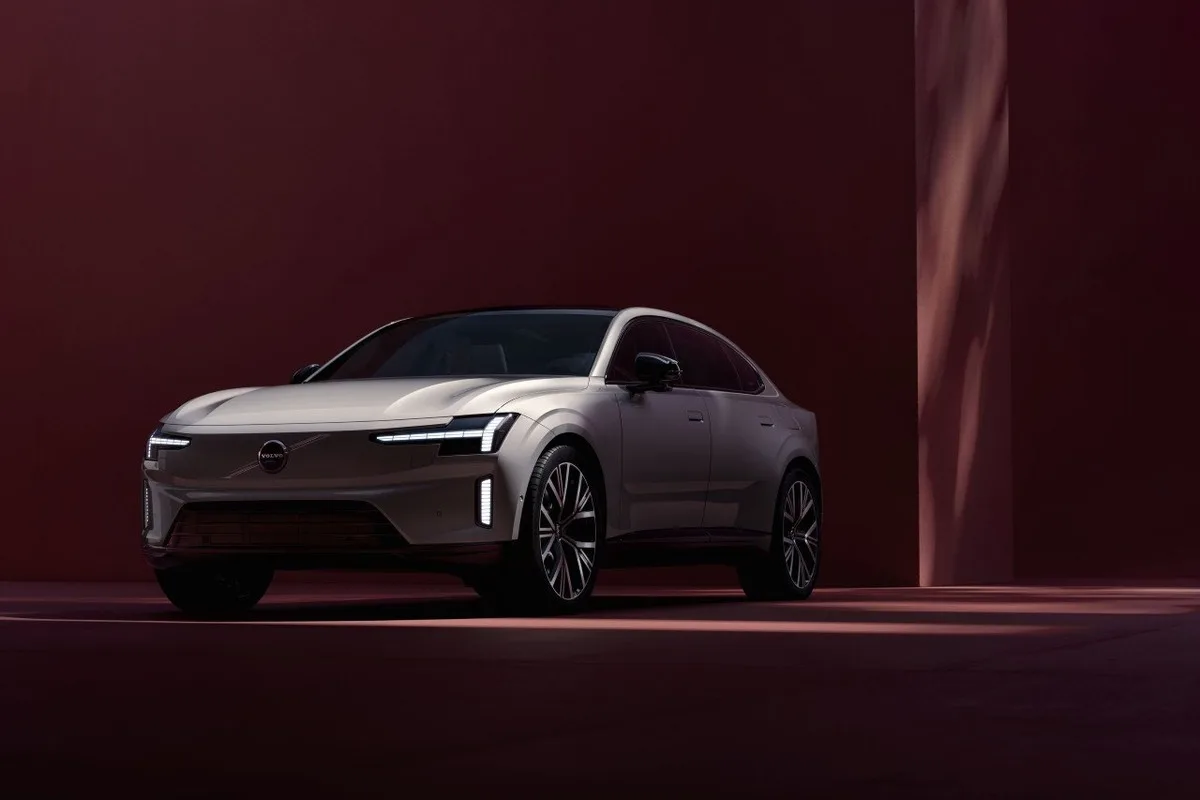
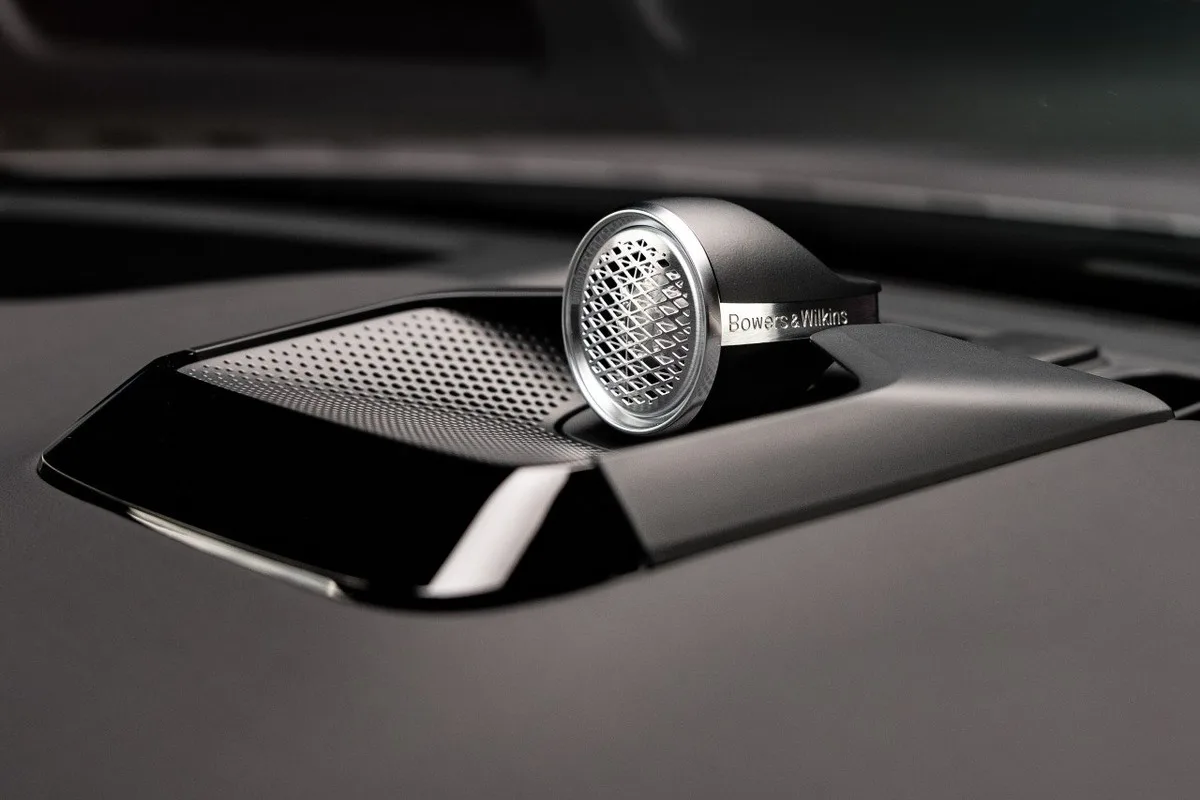
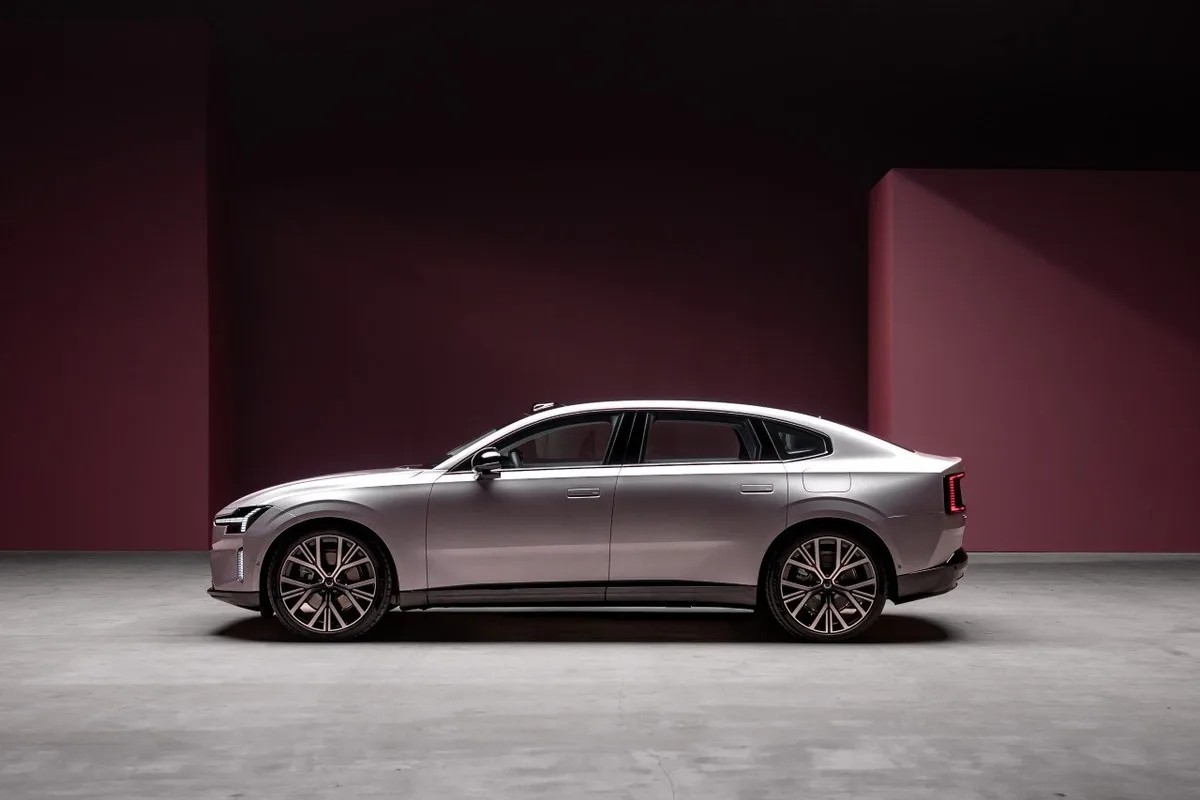
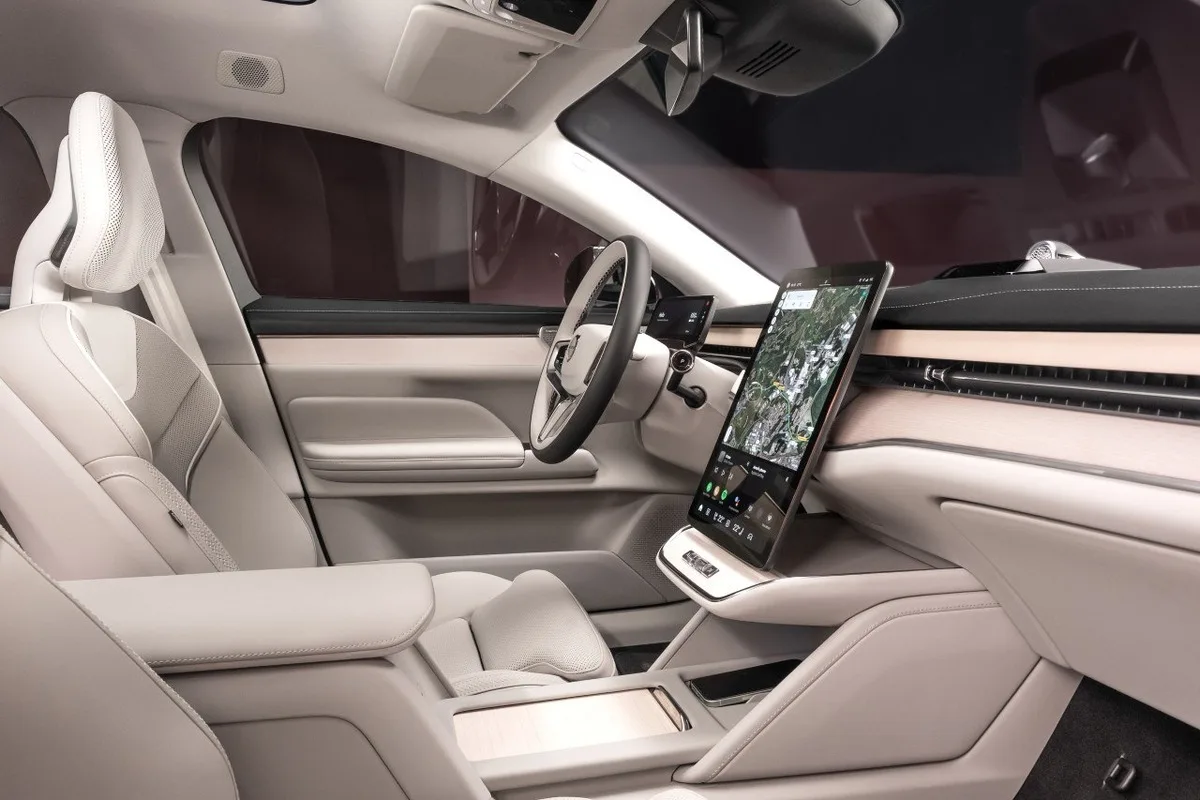
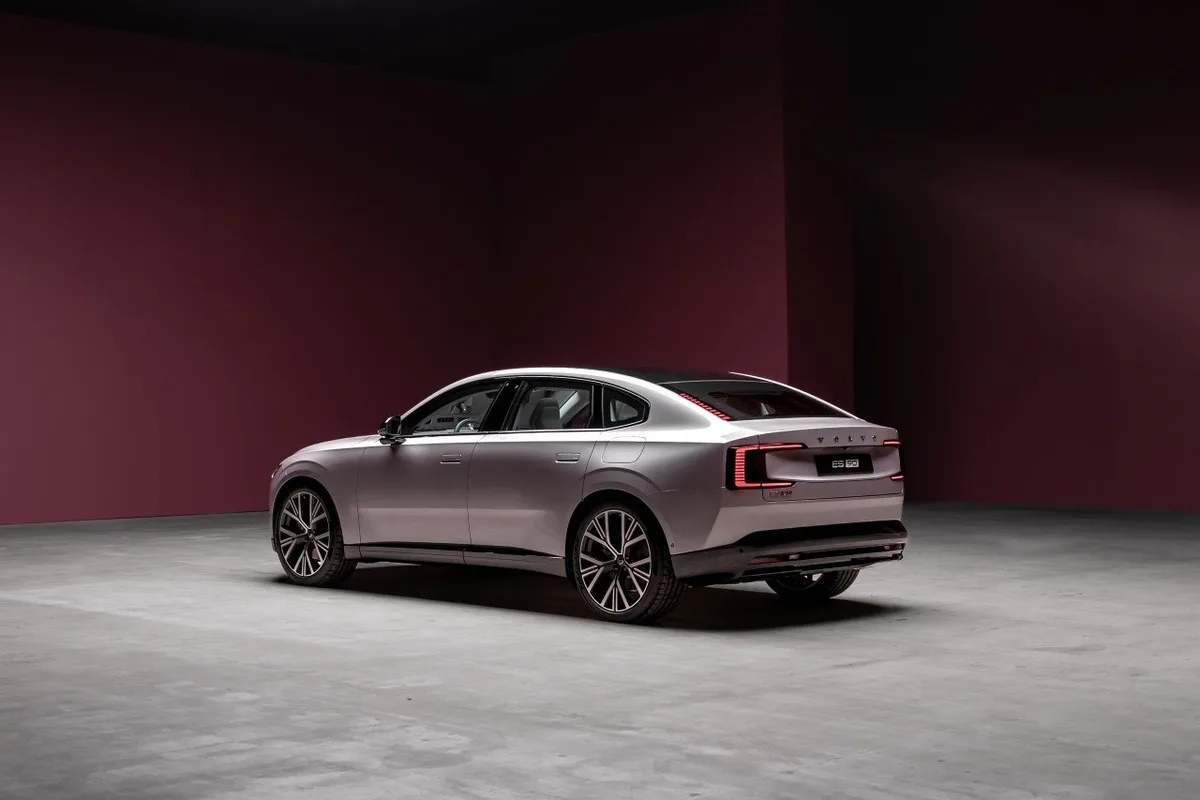
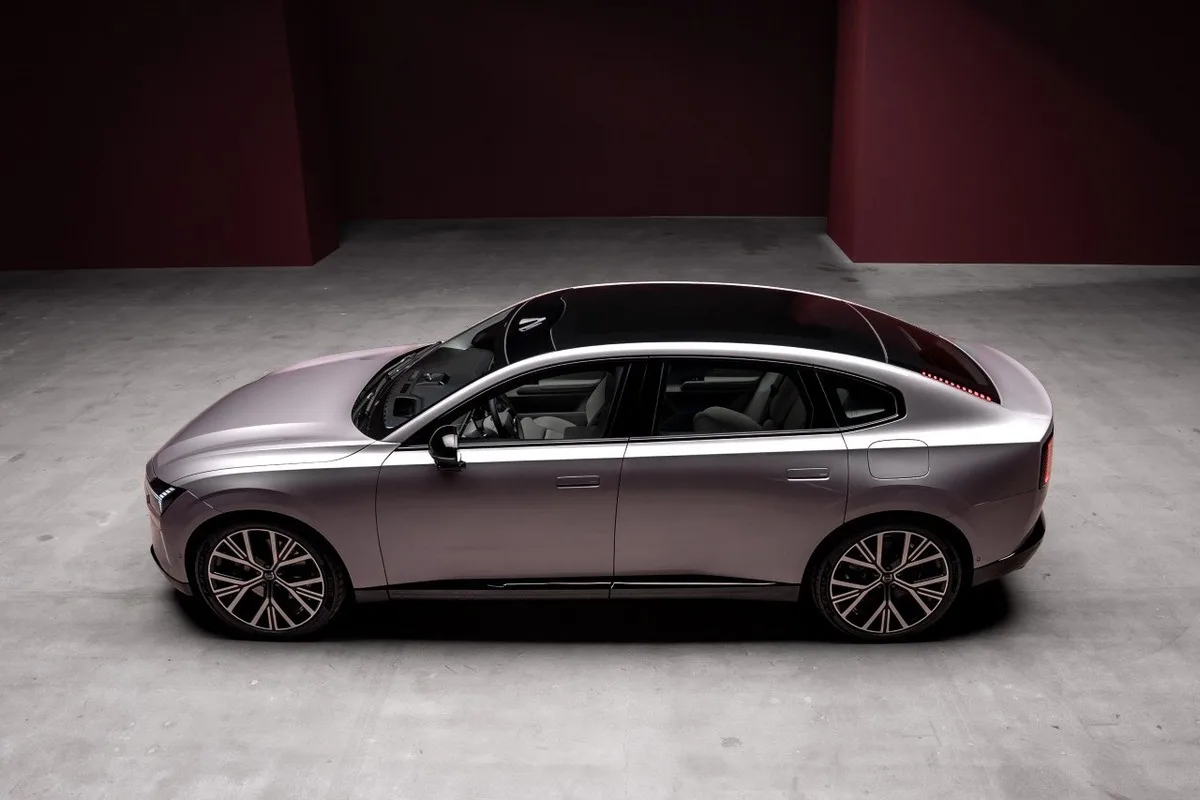
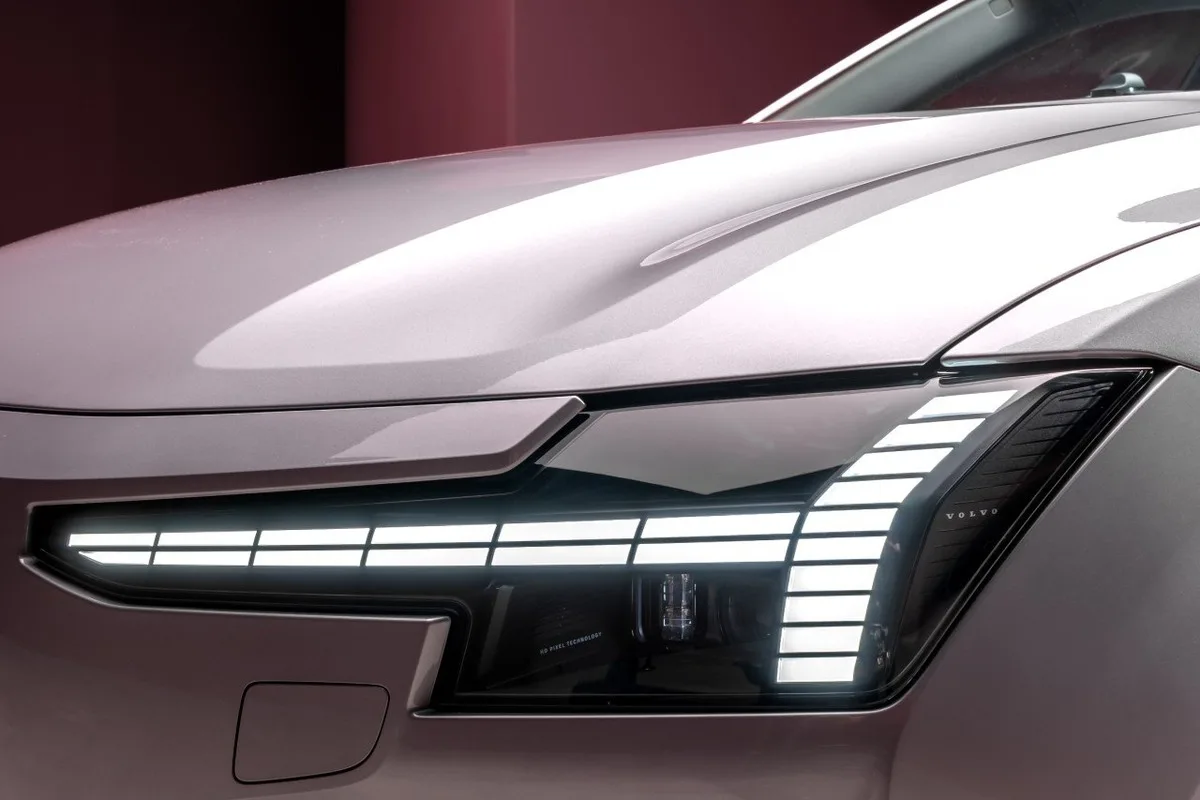
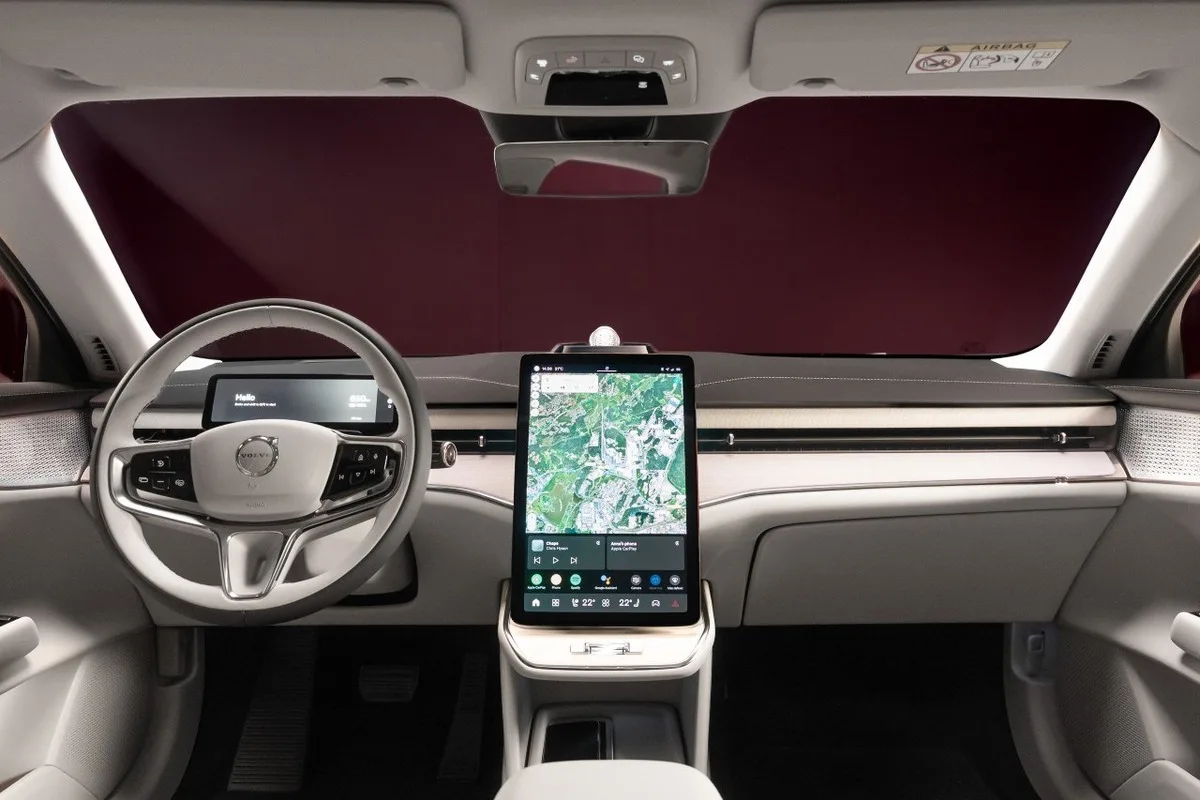

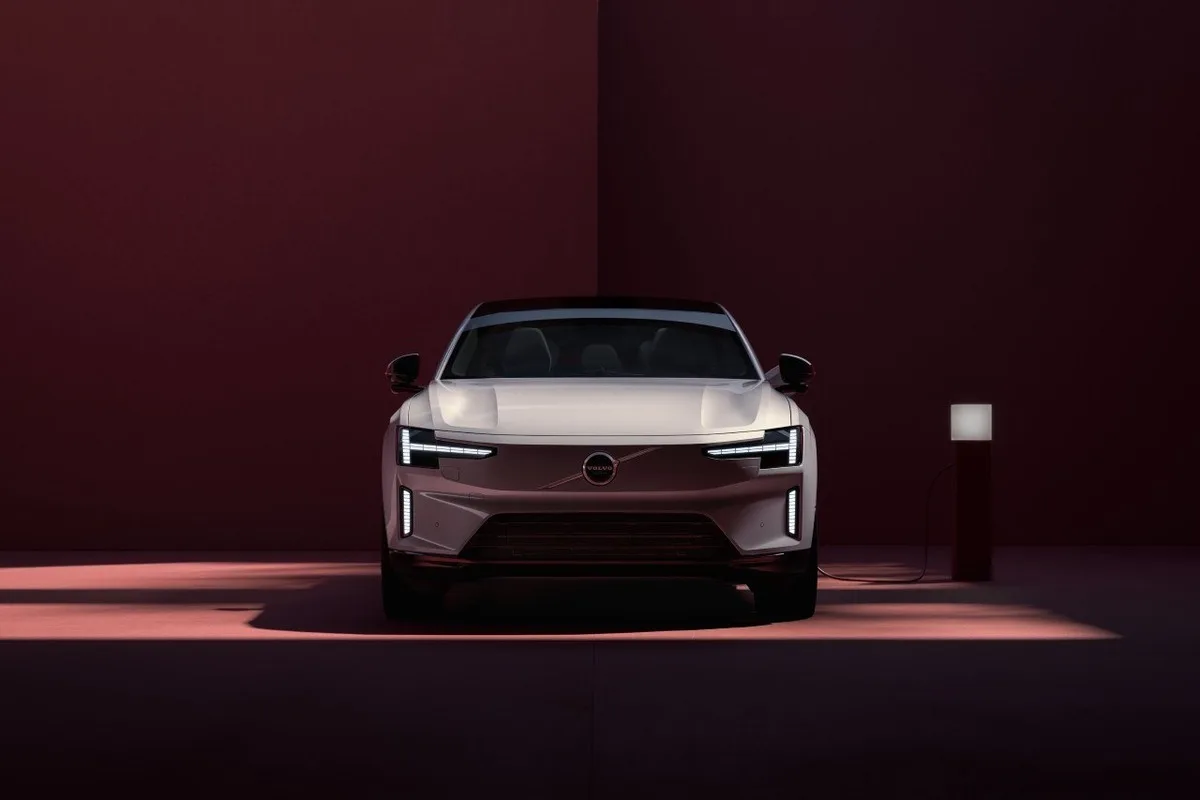
ABOVE: Volvo ES90 exterior, cabin, lighting, audio, and seating details.
A sprint of 6.6 seconds to 100km/h is still impressive for a 2.42-tonne EV. For comparison, here’s a look at the AWD next to our RWD car:
Here are my first impressions.
The rear view is limited, to say the least. I had to lower the middle rear armrest to see anything through the postal slit used as a back window. The mirror is sans digital assistance, which is something Volvo must address. If it transpires that it is digital and I am too useless to activate it, that view will change.
The ride on air suspension is simply delicious. It’s a reflection of desire: the desire for perfection, the desire to save the planet, and the desire to be smugly understated. It isn’t quite Citroën DS magic carpet, but it gets close.
Drive modes are embedded deep in the infotainment menu, so I’d like a shortcut for my preference saving, if you please.
The screen for the Android Automotive OS has changed and isn’t quite as easy as the original Polestar 2 system. I’ll get used to it eventually. I signed into Google so my iPhone Google Maps integrated with the car.
The Smart Glass roof goes opaque and blocks a lot of sun, as well as the baking Australian heat.
The interior is simply divine. The impeccable detailing, minimalist Scandi styling, and superb design make the Zen ambience a tool of travel. The ADAS systems sit behind the façade of elegance, but in their own way are equally as elegant. The auto lane change is gentle and discreetly tells you when it is available. Once the arrow appears on the display, the indicator activation begins the procedure and the ES90 gently changes lanes, all by itself. Before you ask, yes, the ES90 is watching surroundings like a hawk.
It steers, brakes, accelerates, and guides, but never overpowers. Stuck in the most vicious of Sydney peak-hour snarls, I simply sat back and allowed the Volvo to do almost all the work. It did so without any kind of protest. Even at that speed, the lane change worked, unlike the Kia EV6 I had just vacated. ES90 was very near autonomous.
I listened to the 1600W Bowers & Wilkins system and all its splendid tones in their full magnificence.
One thing yet to master is resuming cruise control without accidentally starting from scratch. What looks like a resume button, isn’t. Let me explain: the gear lever turns the cruise on at the current speed. A long pull downresumes the previous speed. It goes against instinct to fettle the gear lever whilst in motion, but fiddle you must. If you don’t dip the lever for long enough, your speed changes.
So far, so good. We’ll drop little updates through the week ahead of our full write-up and video.
As tested details
- Base Price: $88,880.00
- Price as Tested: $109,040 (includes $107,990 MLP plus $1,050 tinted rear windows)
- Power Output: 245kW
- Max Torque: 480Nm
- 0-100km/h: 6.6 seconds
- Top Speed: 180 km/h (limited)
- Electric Consumption: 18.5 kWh/100 km
- Battery Capacity: 92 kWh
- Maximum Range: Up to 554km (WLTP)
- Weight: 2420 kg
- Towing Capacity: 1600 kg
- Drive Type: Single Electric Motor / Rear-wheel drive
- Dimensions (L/H/W): 5000 / 1546 / 2120 mm
Help Support Gay Car Boys Subscribe to our Youtube Channel by SMASHING THE BUTTON ABOVE

Alan Zurvas is the founder and editor of Gay Car Boys, Australia's leading LGBTQI+ automotive publication. Before launching GCB in 2008, Alan's automotive writing was published in SameSame.com.au and the Star Observer. With over 16 years of hands-on car reviewing experience, Alan brings an honest, irreverent voice to every review — championing value and innovation over brand loyalty.
Leave a Reply