Hyundai has revealed the sweet little IONIQ 3 in Europe. What a refreshing change for a compact EV class fast becoming a graveyard of dreary little boxes of misery dressed up as lifestyle choices. Every second car maker now lobs in as a bulbous battery box, a strip of LED jewellery, and a press release that reads like it was written by an hallucinating AI. The IONIQ 3 shows a Hyundai designer who has remembered that people want a car to be pretty, perky, and a smidge cheeky.
This is a compact electric hatchback designed as a daily driver. It’s not a bloated fridge-freezer labelled as an urban adventurer, nor is it a miserable styling experiment made to impress architects who famously have terrible taste in cars. It is clever but not a digital shrine on wheels with a car reluctantly cibbled to it. Hyundai calls the shape an Aero Hatch, which sounds a like a vacuum cleaner attachment, but we dare not suggest what kind. The nose is low and sleek, the roofline stays usefully straight where human heads reside, and the tail drops away neatly into the rear spoiler. Better aero, more cabin space, less visual pollution.
The broader IONIQ family influence is there, but doesn’t punch you in the face. Pixel lighting remains aqs one of Hyundai’s cues, but it’s becoming ubiquitous to the point of bland, because it is trying too hard. The so-called Art of Steel design language gives the hatch some crisp edges and tidy surfaces but stops short of shocking overdesign. Someone told the boys and girls to put their pens down, time is up. Too many EVs look either apologetic or smug. The IONIQ 3 just looks cute and kind of cuddly. if you squint really hard, you might see the Veloster lurking in the dreams of the creators. I like that a lot.
Above: 2026 Polestar 2 DM Performance The Forgotten Polestar is Fabulous
#Polestar2 #EV #BowersWilkins #ElectricCars #SwedishDesign

Help Support Gay Car Boys Subscribe to our Youtube Channel by SMASHING THE BUTTON ABOVE


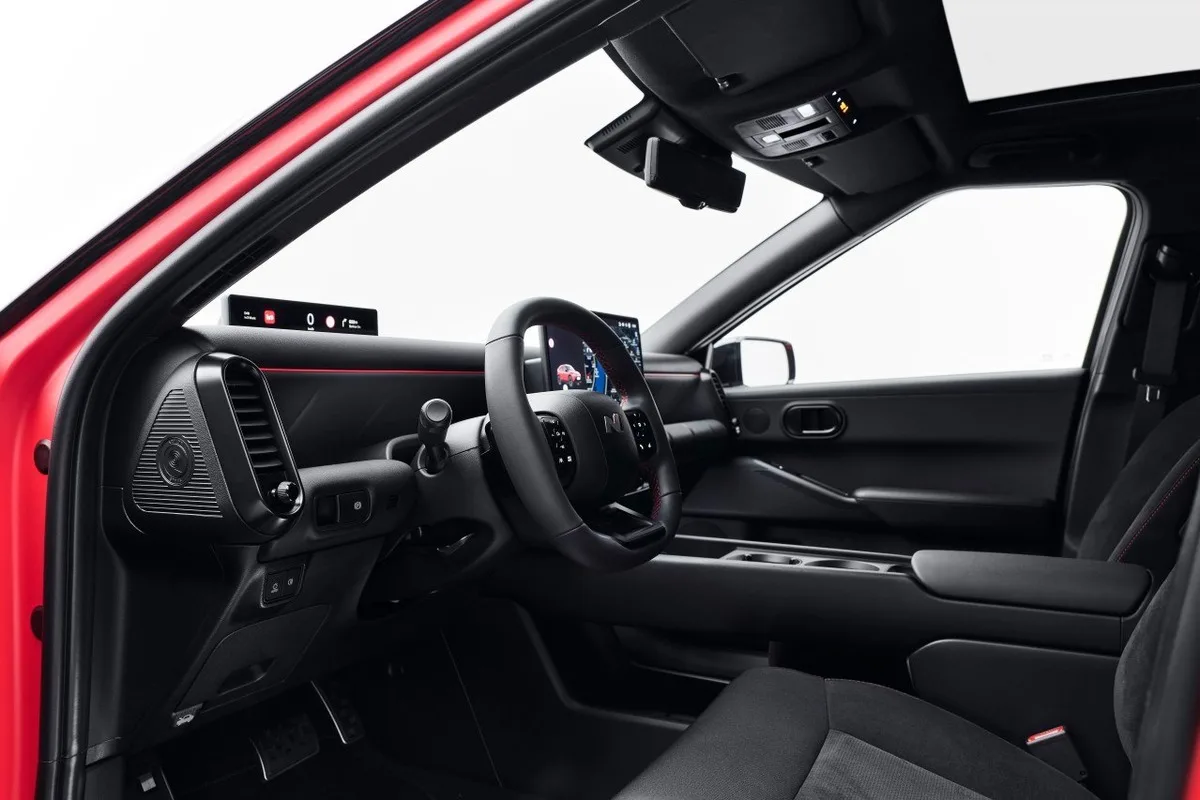
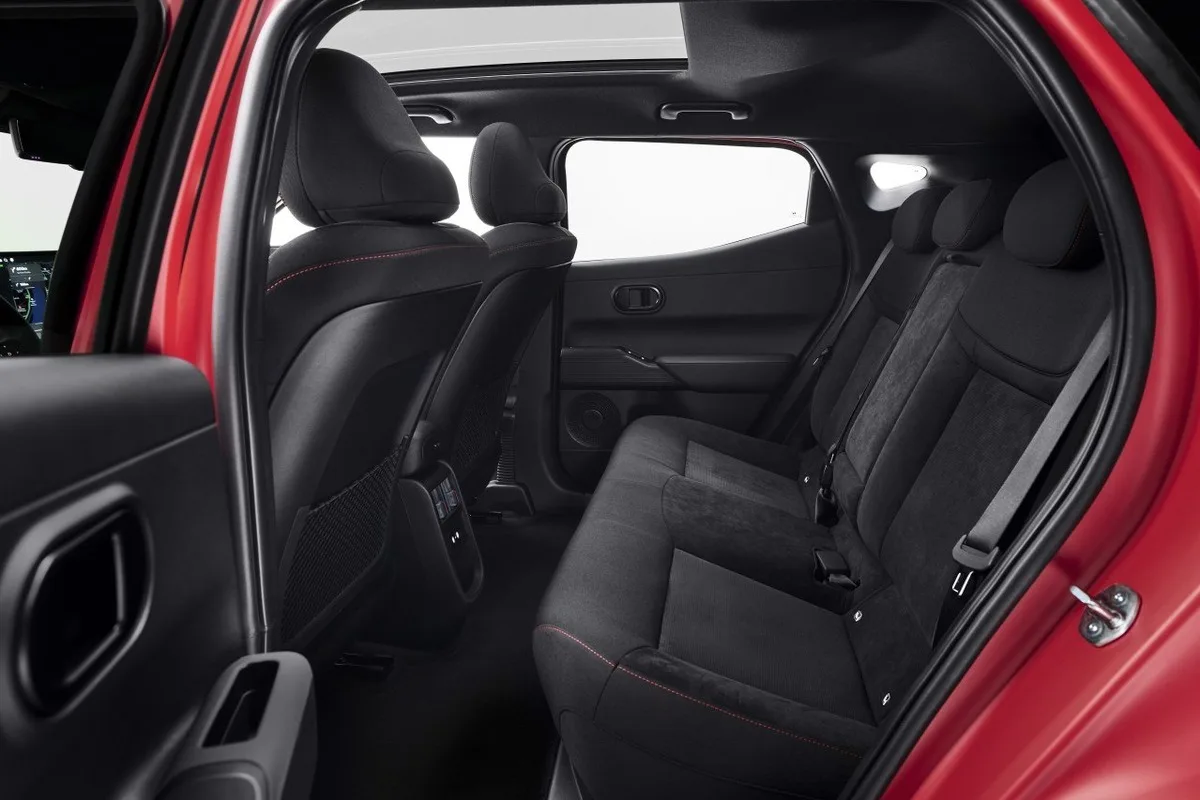


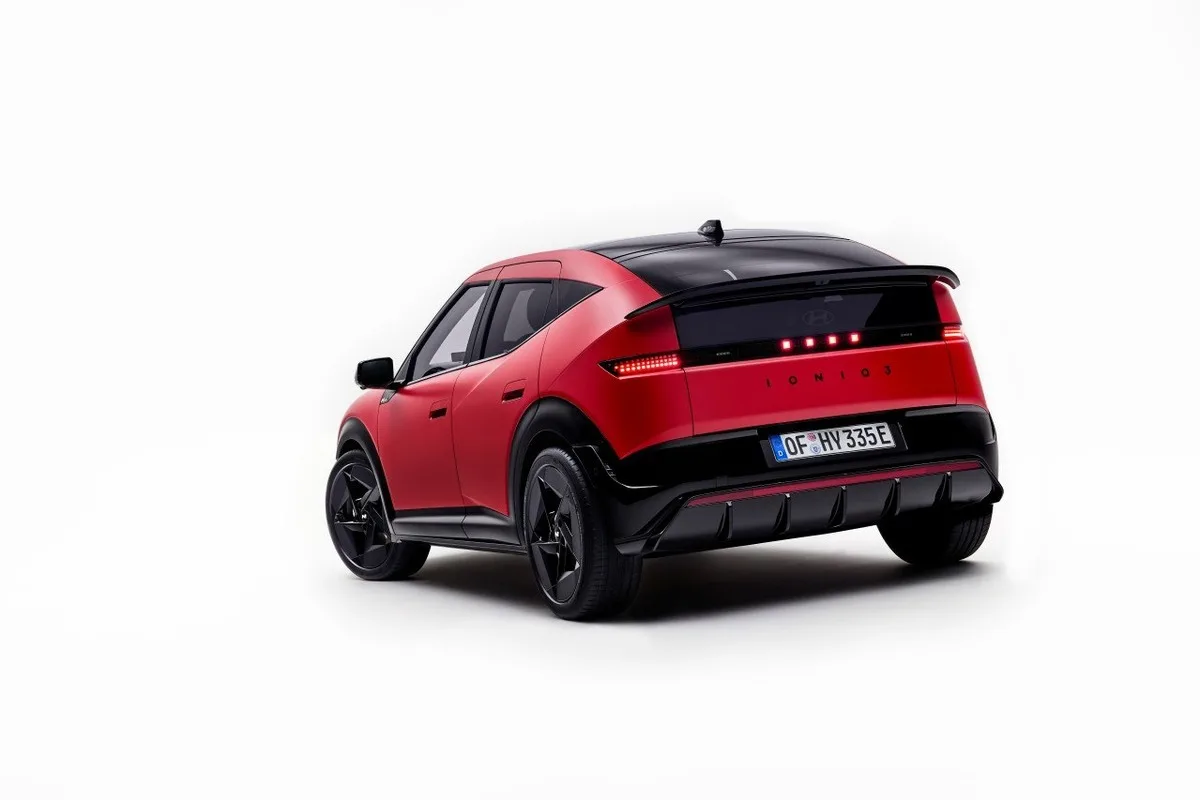
ABOVE: Hyundai’s IONIQ 3 shows off its aero hatch shape, roomy cabin, and practical electric packaging.
Hyundai says the IONIQ 3 has been developed around the daily needs of European customers. That sounds obvious, but you would be stunned how many brands miss the point and make honking great monoliths not at all suited to cobbles and leadlights. Not everyone wants a giant SUV (like Santa Fe) with the turning circle of a country pub and the appetite of its landlord. Plenty of buyers simply want a compact commuter that, parks easily, swallows shopping, and can still carry some chaps without having to amputate limbs.
Range
This is where compact EVs either earn attention but usually for the wrong reasons. Hyundai has arrived with respectable numbers. Standard Range is around 344km WLTP, while the Long Range version targets 496km. The former is useless, but the latter can have something done with it. Nearly 500km in a compact hatch starts to make an EV feel like a proper car rather than a skateboard with attitude. Yes, the real world will kick that number to the kerb, EV range figures are always outright lies. Air conditioning, motorways, heavy right feet all exist with knobs on. Even so, it is a strong claim for the class. Consider the utterly inadequate Fiat 500e and Mini electric with not quite enough range to tackle a run to Bunnings and back.
DC charging is a very leisurely 10 to 80% takes around 29 interminable minutes, while AC charging rises to 22kW. 22kW is good, but doesn’t mean you get 22kW from a 22kW outlet.
It is on the verge of useful, so although Hyundai’s 400-volt E-GMP architecture may not be the same dinner-party brag as the bigger-ticket 800-volt systems, but the trade-off is owners can top up quickly-ish and get on with their lives. Nobody will give a tinker’s cuss what voltage is printed on the engineering chart if their the lives experience little or no change in routine.
Packaging could be where the IONIQ 3 really dpes well. Hyundai says the flat-floor, long wheelbase, and the grandiose “Furnished Space interior ” bollocks give the car roominess from a that feels more capacious. Carmakers do adore handing the dull to a spiv for a once-over, but there appears to be proper five-seat accommodation, usable rear legroom, and enough headroom for rear passengers to avoid greasing up the headliner with excess product.
Boot space is a handy 441 litres, helped by the underfloor Megabox storage. I adore a Megabox, who doesn’t, right? A driver must be able to stow life’s detritus without drama and upset. This is where practical cars win. A compact hatch that handles life without every trip being a game of Tetris is infinitely more appealing than a glove box on wheels. Go to Bunnings and coles, then stop at the boozer for a box of wine. By box, I mean case, not Chateau de Cardboard.
Inside
the IONIQ 3 debuts Hyundai’s Pleos Connect infotainment system in Europe, based on Android Automotive OS. It is a sytem that is found in a lot of Chinese cars so I’m not surprised that the Koreans are muscling in on the action. Hyundai promises sharp graphics, easy key functions action and lots of customisation. We’ve heard all that before but Android has proved fun, but flakey, so here’s hoping. Carmakers promise the world then have you spelunking through menus find the demister buried behind six icons and a submenu called Soopa Doopa Comfort N Stuff.
Hyundai has done a better job than some at cabin tech, and if Pleos Connect works with the simplicity a 2yo can use, then their dads will find it a doddle.
The rest of the tech sounds uniftily handy.
Digital Key 2, Plug and Charge, route planning, and Vehicle-to-Load functionality all make an appearance. Technology should simplify ownership, not make it a stomach churning chore. Nobody climbs into a car hoping to deepen their relationship with software. They want the doors to unlock, the route to load, the charger to behave, and the journey to begin before rigor mortis sets in.
Safety kit is extensive
Buyers now expect the best and the latest, for better or worse. Highway Driving Assist 2, Blind Spot View Monitor, Remote Smart Parking Assist, and seven airbags all make the list. Some of this will be genuinely useful, but some of it will almost certainly beep at you like in a most distracting manner, even that which is designed to tell you when you’re distracted. Sadly, that is modern motoring.
There is also an N Line version which tempts the mind of buyers into N territory, in the AMG, M and S style that the Germans are so fond of. It’s not the real thing of course, just nicer stitching and a couple of leather and Alcantara patches. But, for those who enjoy a touch more theatre, a healthy list of colours, slightly naff interior themes, and different wheel options, there are boxes to tick. it of style never hurt anyone, provided it does not come at the expense of practicality, and the IONIQ 3 seems determined to keep that delicate balance on the verge of intact. Even the drag coefficient, a tidy 0.263, has been managed without turning the car into a underdone blancmange.
For Australia, the timing is clear enough.
Hyundai says the IONIQ 3 will arrive locally in early 2027, with pricing and detailed local specifications to come closer to launch. That pricing will decide everything. If Hyundai lands this at a sensible number, with the right gear, the longer-range battery, and an un-knobbled motor, the IONIQ 3 could be one of the smartest compact EV buys in the market. If it drifts into la-la land on price, buyers will walk straight past it towards Chinese rivals without so much as a by your leave.
For now, though, first impressions are rather good. The IONIQ 3 looks practical, roomy, tidy, and sensibly engineered. It is not trying to be a spaceship, a rolling nightclub, or a mindfulness retreat with number plates. It is trying to be a compact electric hatchback people can live with every day. In this market, that may be the cleverest trick of all.
More Hyundai and EV Stories
- Hyundai Launches IONIQ in China with VENUS and EARTH Concepts
- Hyundai IONIQ 6 N Wins 2026 World Performance Car
- NSW EV Charging Push Has FCAI Sounding Almost Modern for Once

Alan Zurvas is the founder and editor of Gay Car Boys, Australia's leading LGBTQI+ automotive publication. Before launching GCB in 2008, Alan's automotive writing was published in SameSame.com.au and the Star Observer. With over 16 years of hands-on car reviewing experience, Alan brings an honest, irreverent voice to every review — championing value and innovation over brand loyalty.
Leave a Reply