Hyundai has decided China deserves a bit more theatre. Rather than simply muttering strategy while wave at harts like a demented windmill, the company has formally launched the IONIQ lineup brand in China. They’ve rolled out two concept cars, VENUS and EARTH, ahead of Auto China 2026. In a market where standing still is the same as being flattened, that feels less flourish and more a big blousy wrist flap.
Hyundai Motor says IONIQ in China will be more than a product line, which is the sort of airy corporate phrasing that elicits much rolling of eyes. Strip away the waffle, though, and the message is clear enough. China is the main EV battlefield, not the EU and certainly not an increasingly erratic USA. Hyundai knows it needs a sharper electric identity in the stiff Chinese market if it wants to avoid being quietly steam-rolled by faster, cheaper, and more locally relevant rivals.
VENUS is the sleek sedan concept, low, bronzed, and all sculpted drama. EARTH is the boxier family SUV, silver, assertive, and clearly intended to carry the practical side of the IONIQ pitch. Hyundai says the pair are two planets in a new universe of models. Fine. A touch melodramatic, but at least they did not rock up with a compliance hatch and a sad little brochure.
Above: Geely Starray and Which Driveline Is Best for You
#Geely #Starray #SUV #Hybrid #CarNews

Help Support Gay Car Boys Subscribe to our Youtube Channel by SMASHING THE BUTTON ABOVE


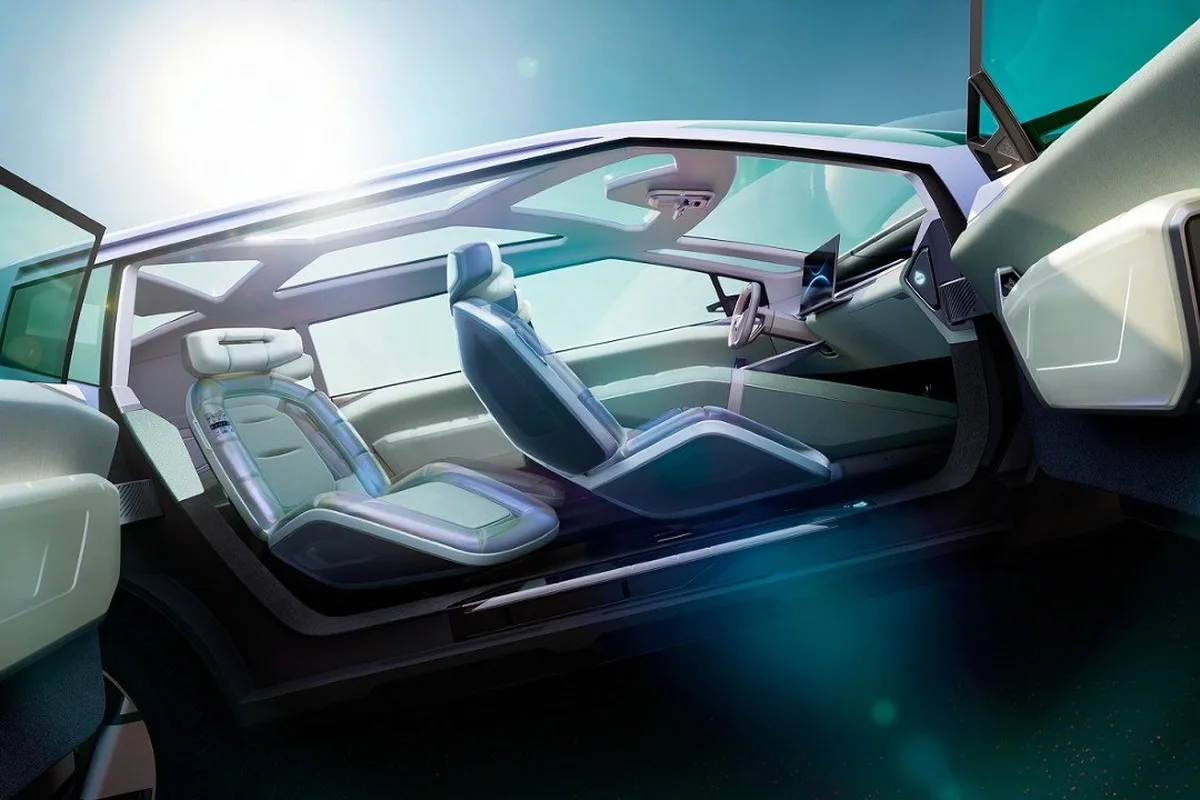
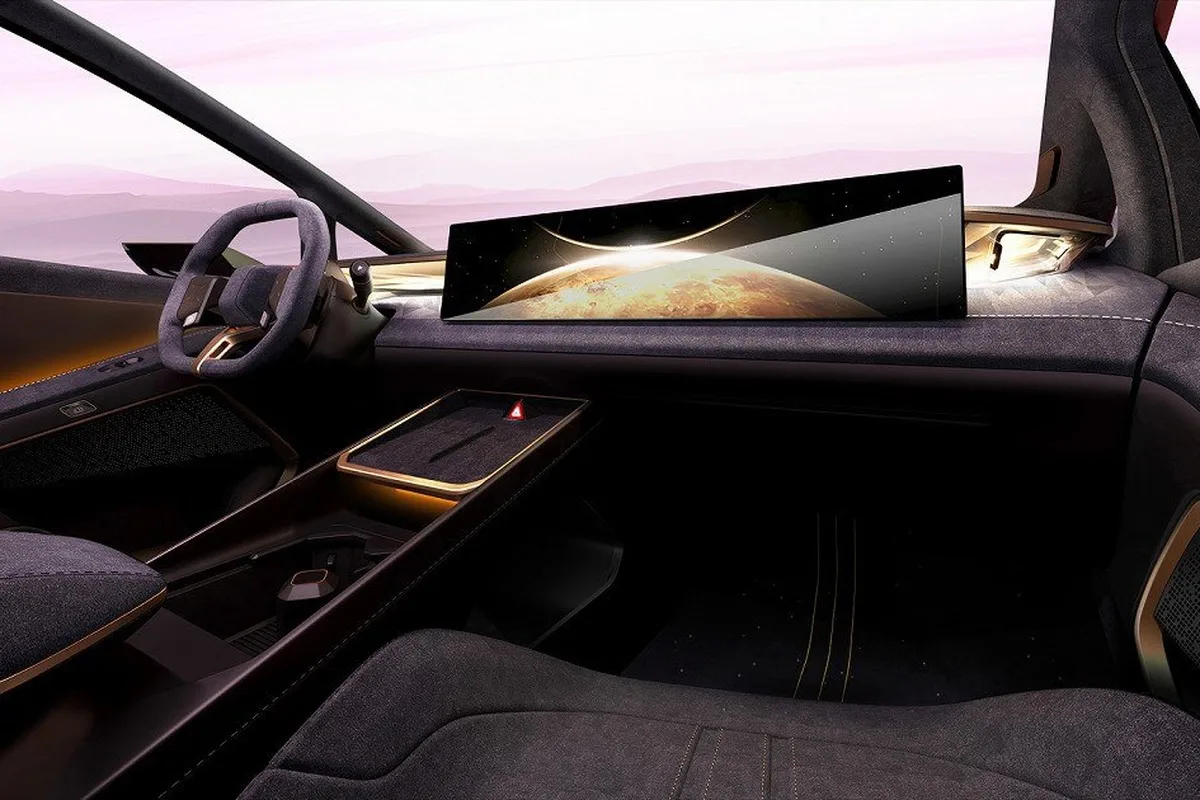
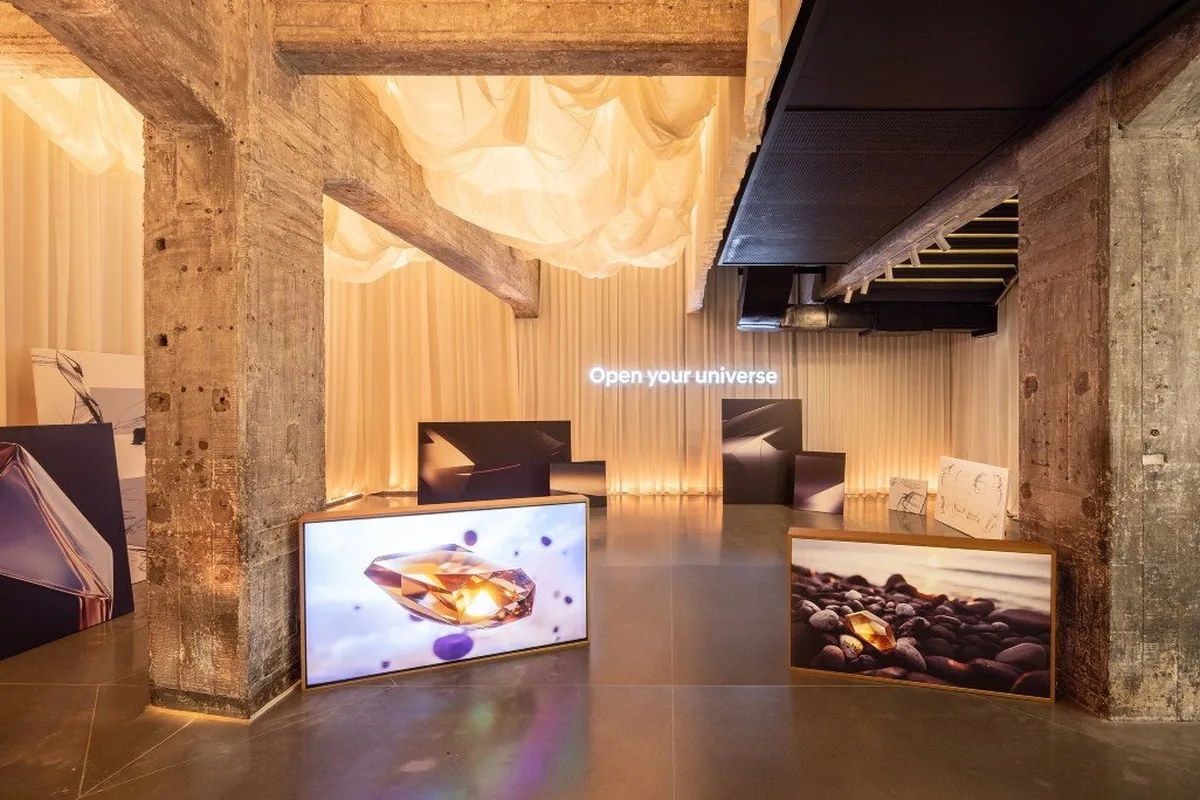
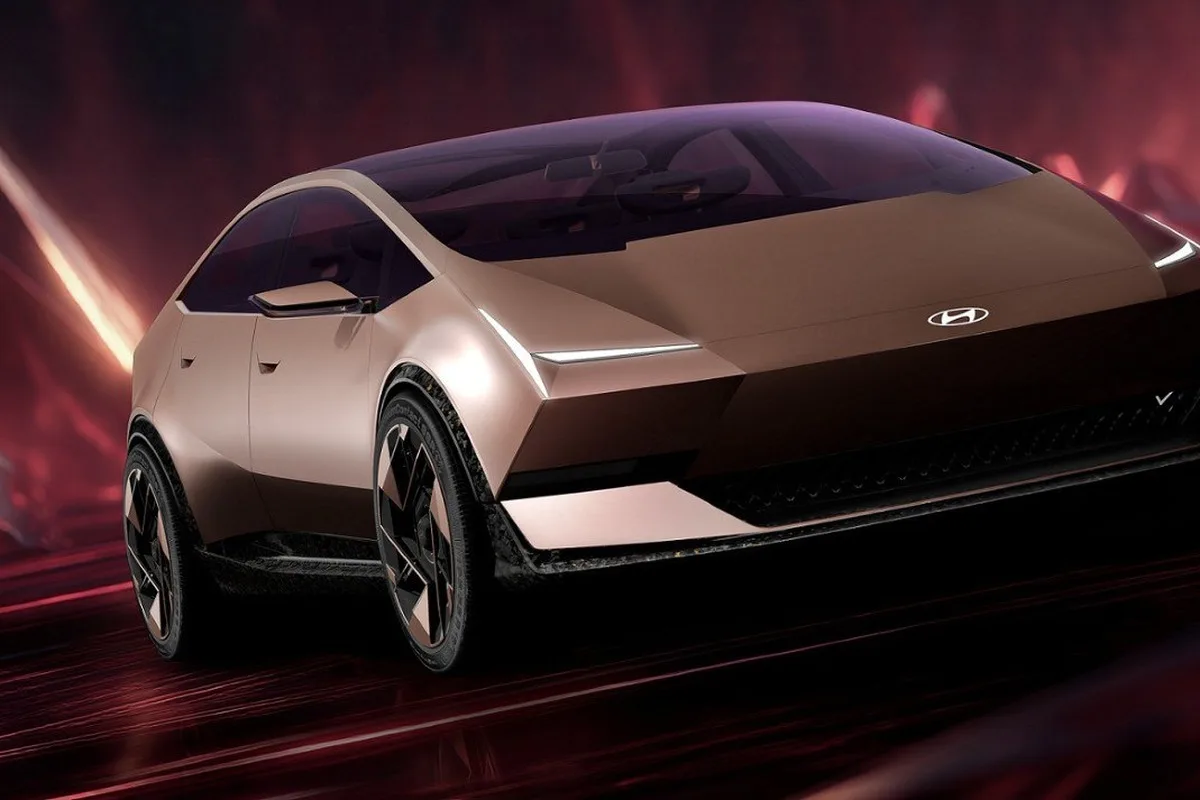
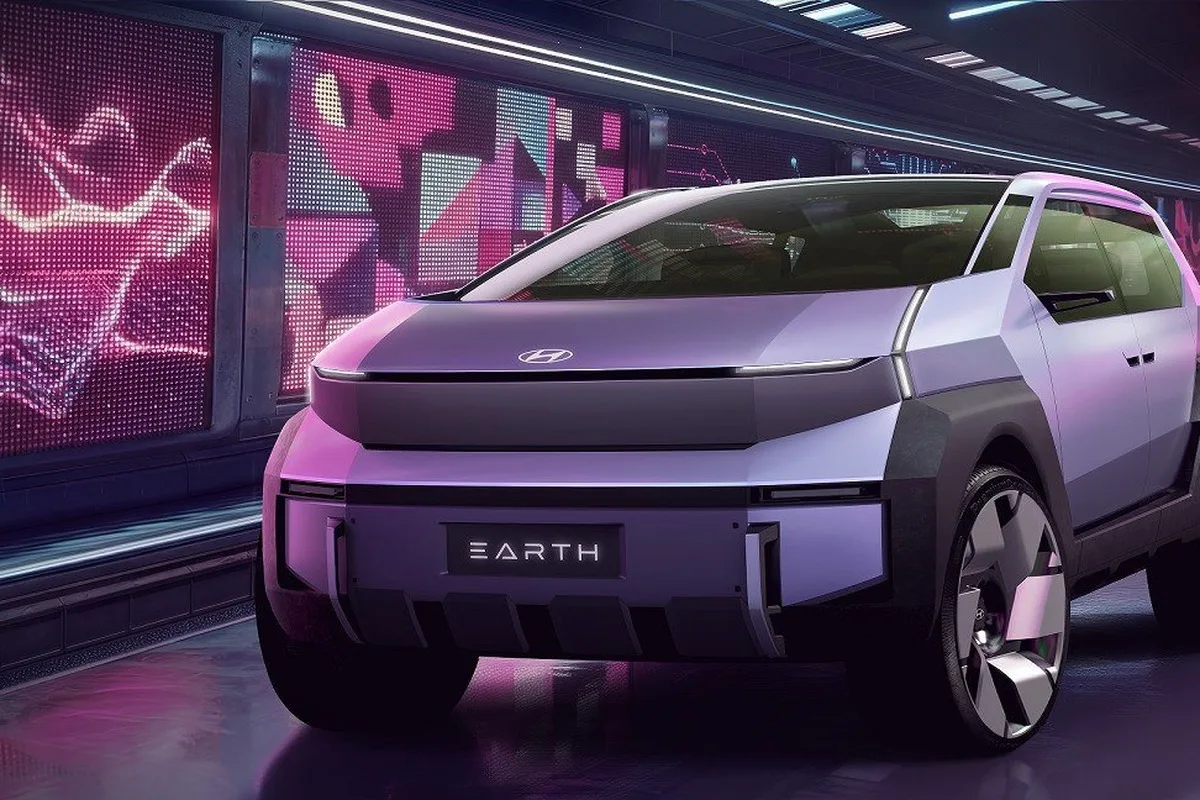
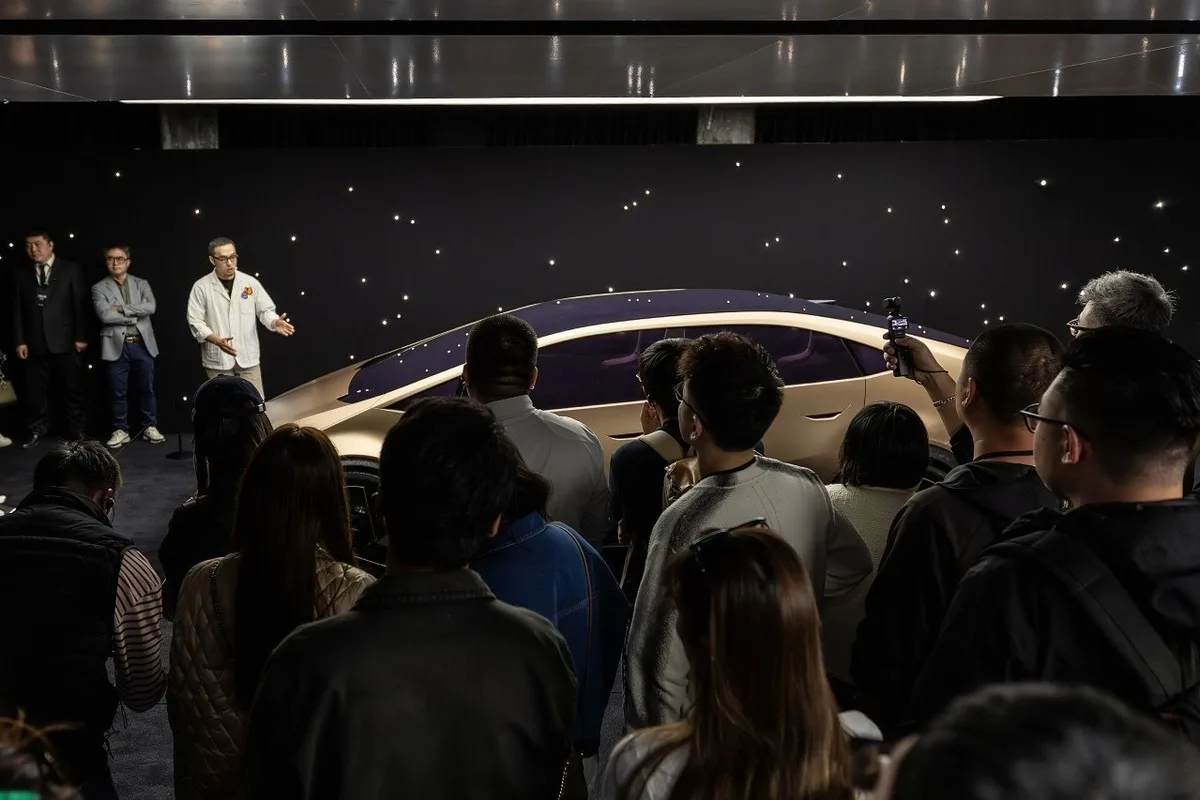
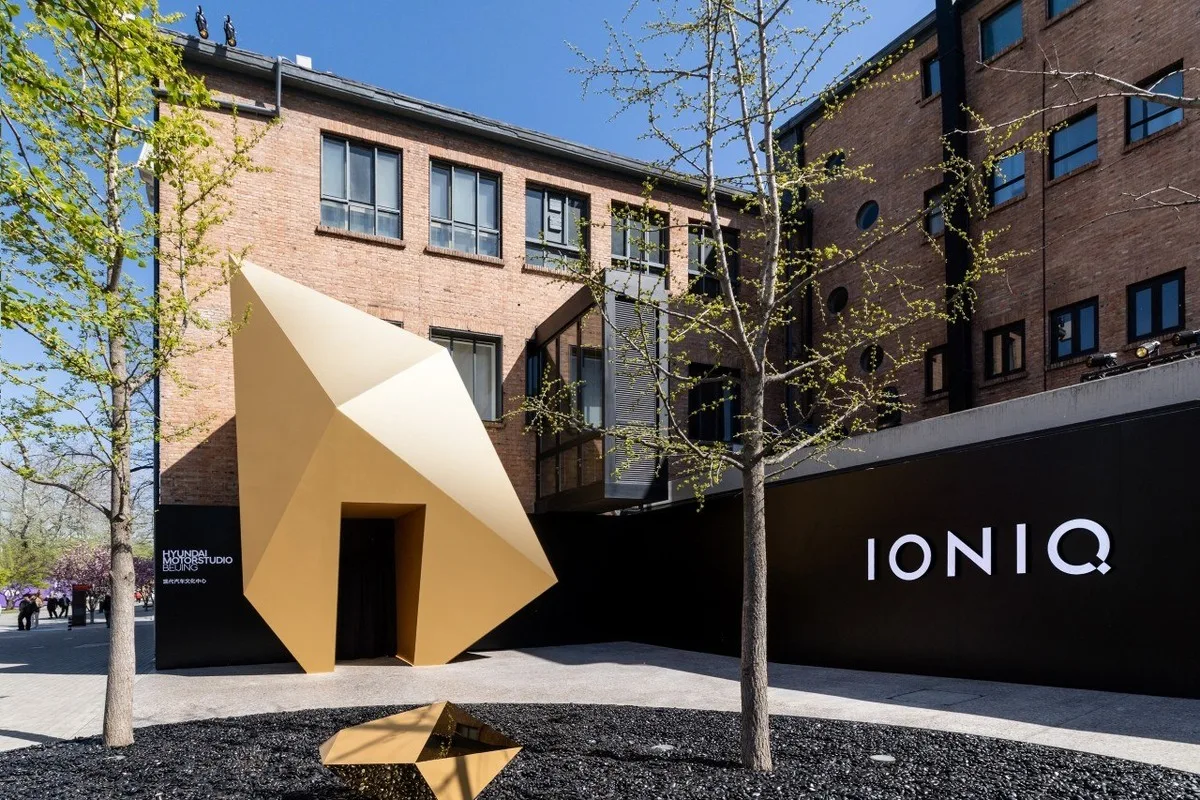
ABOVE: Hyundai’s IONIQ China launch imagery, including the VENUS sedan, EARTH SUV, concept interiors, launch space, reveal event, and Motorstudio Beijing exterior.
Why China matters so much
China is where global EV ambitions go to be tested brutally and in public. Buyers there are spoiled for choice, the local brands move at a frightening pace, and nobody cares much for old reputations if the software is stale and the pricing optimistic. Hyundai knows that, which is why the IONIQ launch feels like an attempt to reset the narrative before the market leaves it standing in the corner clutching a nice badge and a fading sense of importance. It is the main issue faced in market like the fickle Australian landscape.
In Australia new entrants are treated with suspicion, and in some cases that is founded a history littered with automotive corpses killed by good intentions. Brands come and go, even it spins gracefully from a mothership. China is open to experimentation and its buyers more able to tolerate change.
That is the real point of VENUS and EARTH. They are not just design exercises, they are a sign Hyundai wants IONIQ orbiting China like an Imperial Death Star. There’ll be sedans, SUVs, cool lifestyle vehicles, and slightly less exciting family models. It will come fully formed rather than a half-baked tart tossed onto the NEV coffee table only to be forgotten by teatime. The names are a bit cosmic, yes, but the intent is serious enough.
The concepts themselves
VENUS is the glamorous one. It looks low, sleek, and expensive in the way concept sedans always do before the mean-spirited accountants hack at it with calculators and no taste. They drain the soul out of everything they touch, but here, concept means a to-do list of tomorrow’s automotive best intentions. The interior goes full lounge, screens, glass, airy space, and enough soft lighting to make a boutique hotel blush. EARTH does the practical heavy lifting, wearing a more squared off body, a family friendly stance, and the sort of SUV posture Hyundai will need if IONIQ is to matter beyond motor show gawping.
The big question, naturally, is how much of this survives contact with the fresh air of a showroom. China is not short of clever EVs, nor is it short of buyers perfectly happy to ignore a famous badge if the local alternatives are quicker, cheaper, or better integrated into daily life. Hyundai has, at the very least, managed to avoid looking timid. Now it needs to prove IONIQ in China can be more than a beautifully lit concept room and a couple of planets on a press release.
More Stories
- Hyundai ELEXIO Electric SUV Revealed, 722km Range and Smart Tech
- 2026 Tesla Model Y L Specs and Pricing, Complete Australian Buyer’s Guide
- BMW i3 Neue Klasse Debut, Can an All-Electric 3 Series Save Munich
Help Support Gay Car Boys Subscribe to our Youtube Channel

Alan Zurvas is the founder and editor of Gay Car Boys, Australia's leading LGBTQI+ automotive publication. Before launching GCB in 2008, Alan's automotive writing was published in SameSame.com.au and the Star Observer. With over 16 years of hands-on car reviewing experience, Alan brings an honest, irreverent voice to every review — championing value and innovation over brand loyalty.
Leave a Reply