
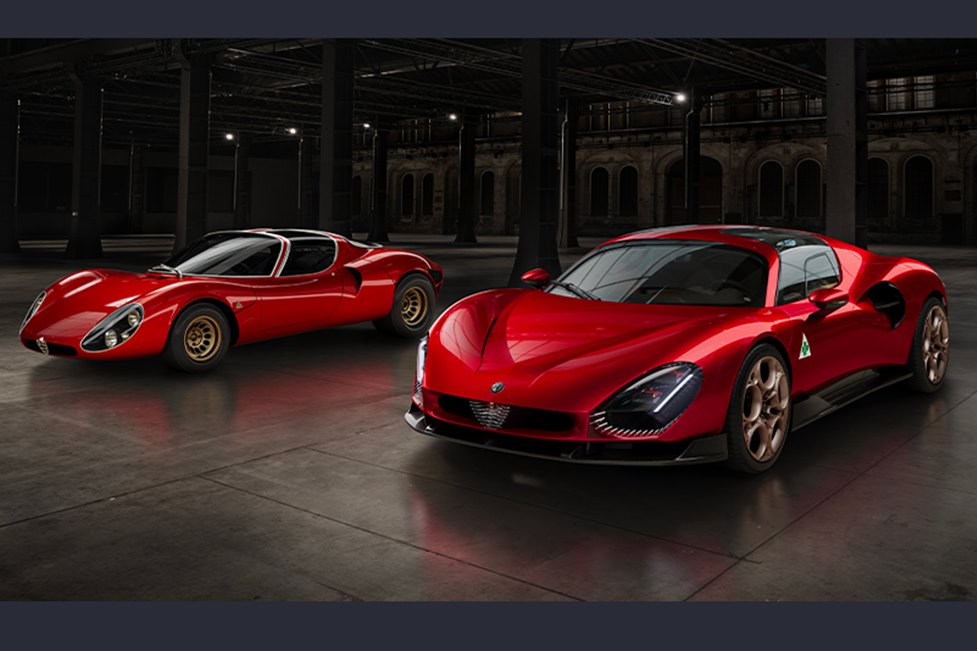
Alfa Romeo to produce custom-built 33 Stradale to Remember the 1967 Car
The Alfa Romeo 33 Stradale is so bespoke that only 33 units will be created using the artisan process of its namesake. It celebrates the 33 Stradale launched in 1967, and the new car will be made just as the old car was in the 1960s workshops of renowned Italian coachbuilders. This is the car James Bond would use, if James Bond was 20.
The low slung body won’t lend itself to a June Dally-Watkins exit.
In the words of Jean-Philippe Imparato, CEO of the Alfa Romeo brand:
“With the new 33 Stradale, we wanted to create something that lived up to our past, to serve the brand and to make the Alfisti fandom proud. Such a result could only have been achieved thanks to the expertise, hard work and passion of our team, with the support of management who have the clear ambition to contribute to writing chapters in the brand’s future, in full respect of its unique history. This is the brand’s first custom-built car since 1969, and I promise it won’t be the last.”
Video Review: Is 2023 Mitsubishi Outlander PHEV EV the Best Car on the Road REVIEW – Alan Zurvas GAYCARBOYS
- Top GayCarBoys Stories:
- Sexy Men Drive 2021 Toyota Yaris Cross
- 10 Sexiest MotoGP Motorcycle Riders
- DON’T Drive YOUR CAR until you’ve Checked if your AIRBAG will KILL YOU
- 10 Hottest Racing Drivers
- Top 12 Best Gay Lesbian LGBTI Luxury Cars
- Top 10 Gay Lesbian LGBT Cars
- Top 10 Gay Lesbian LGBT Sports Cars
- Top 15 gay and lesbian LGBT SUVs
- Talented Twinks – Callum Ilott Virtually Races Arthur Leclerc
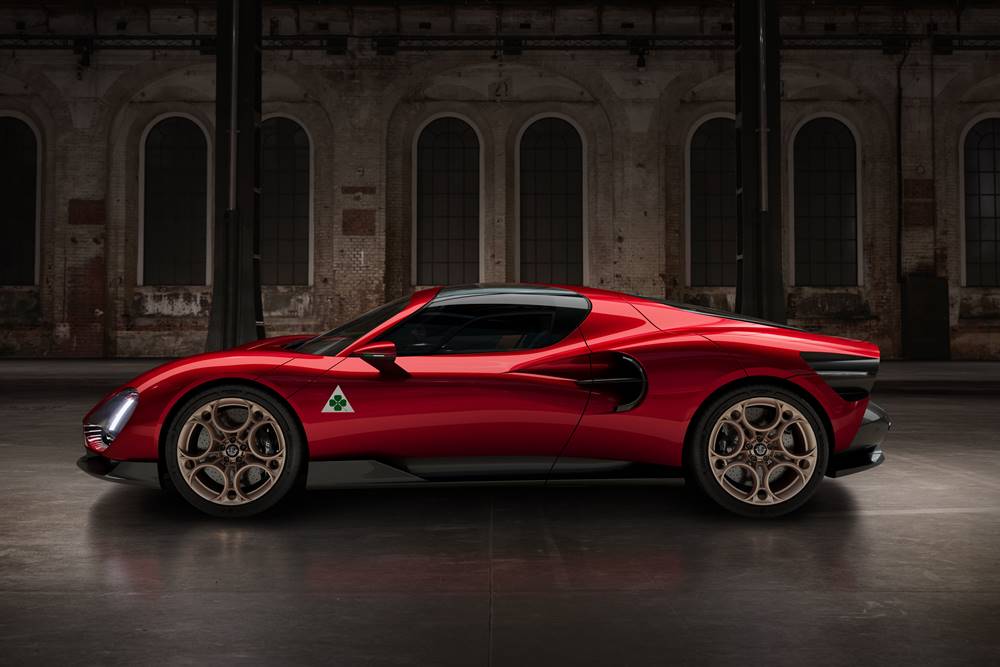
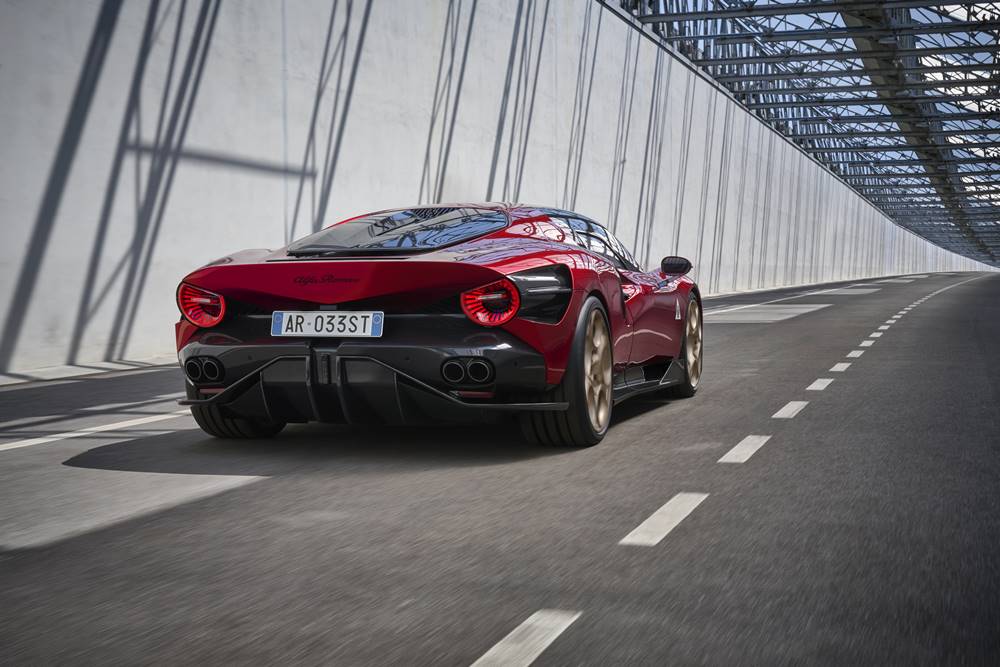

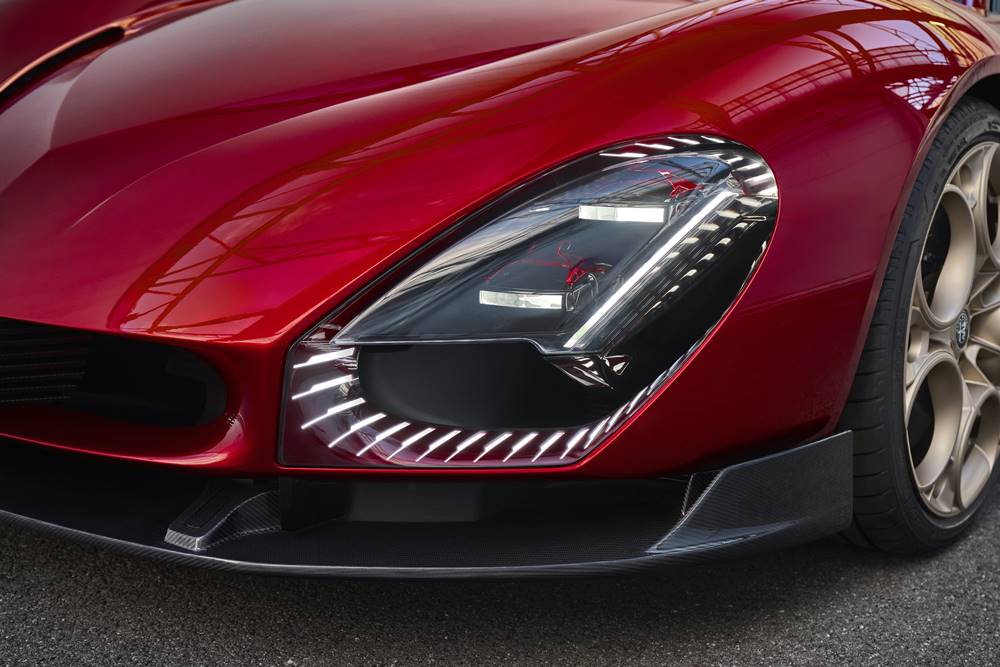

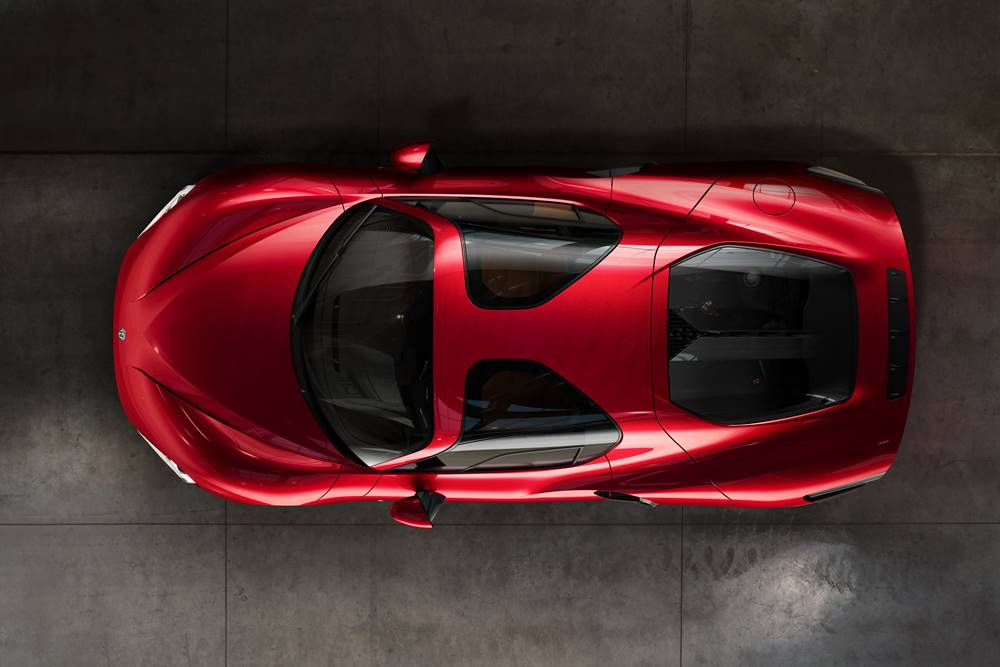
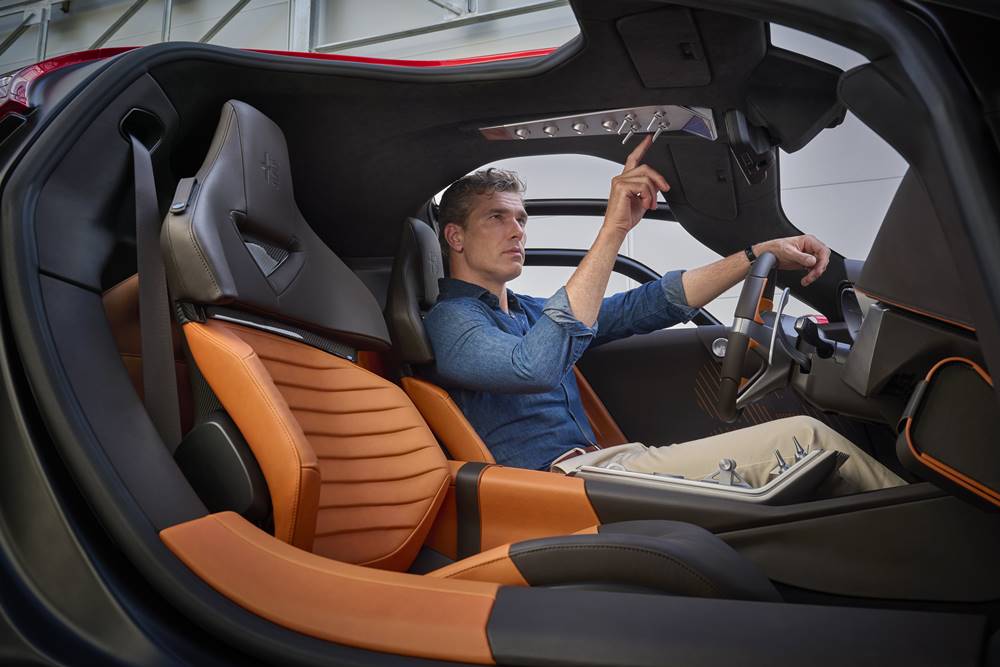
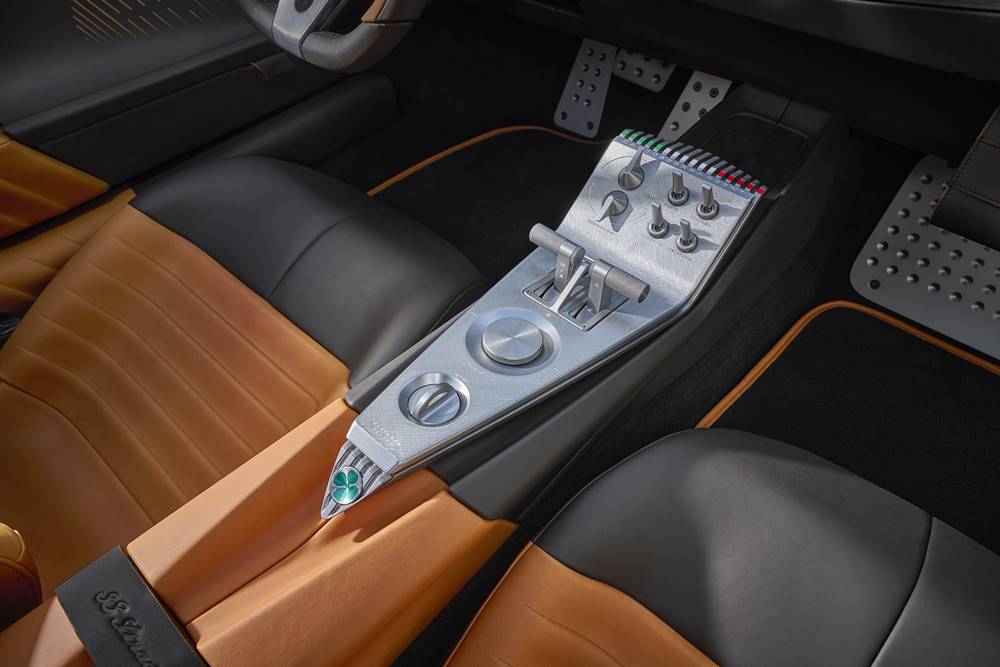
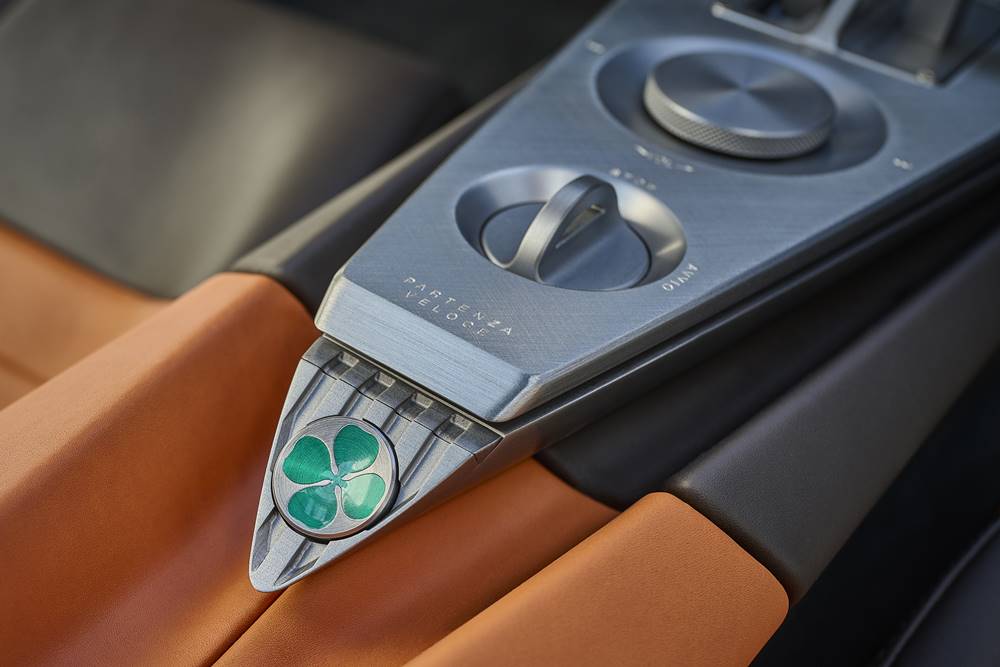
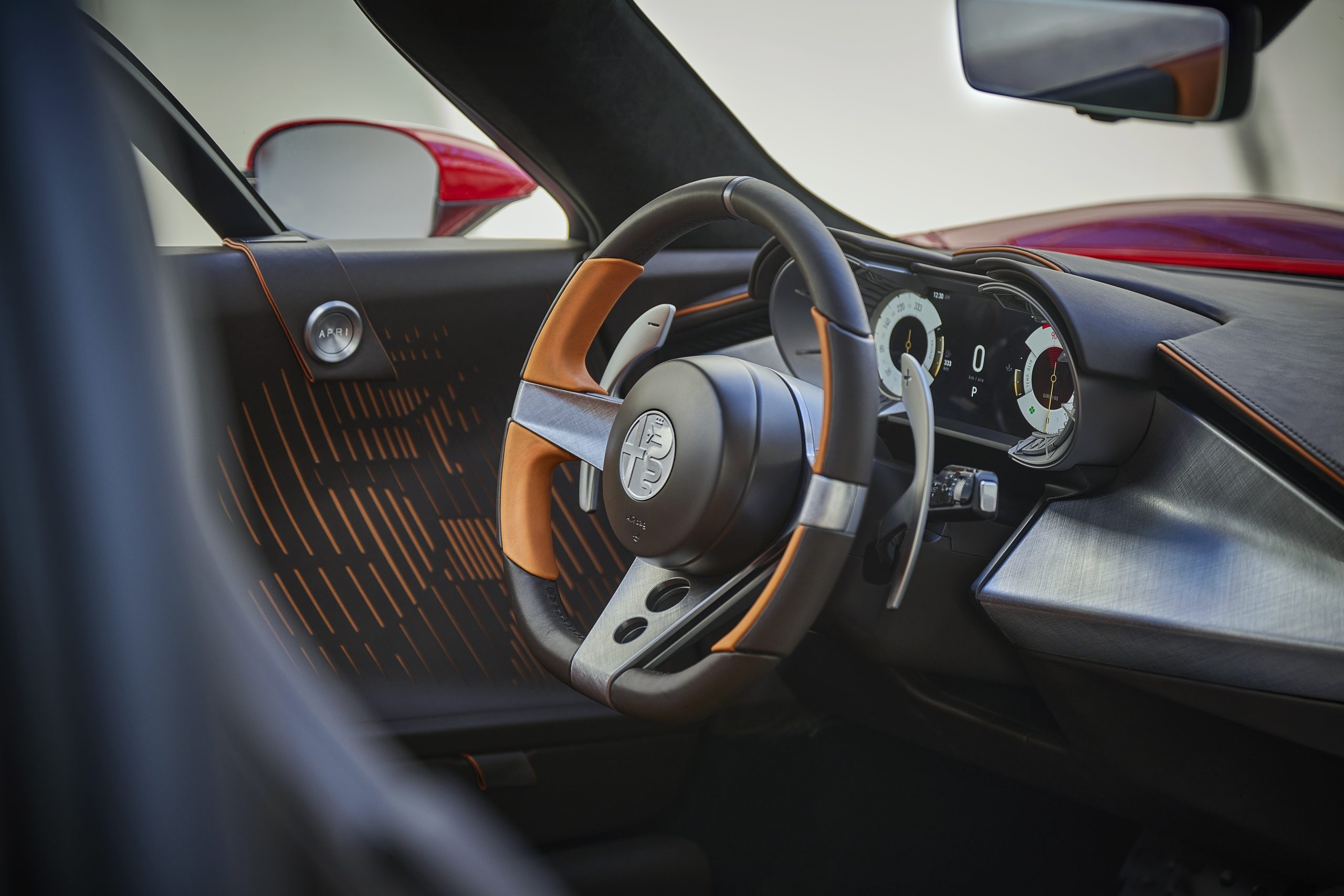
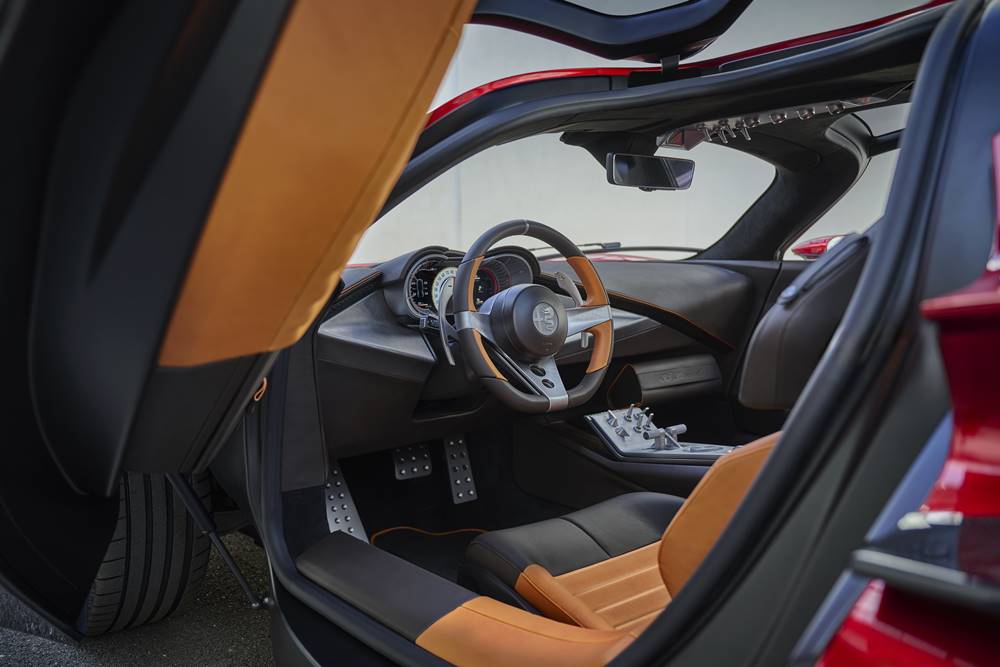
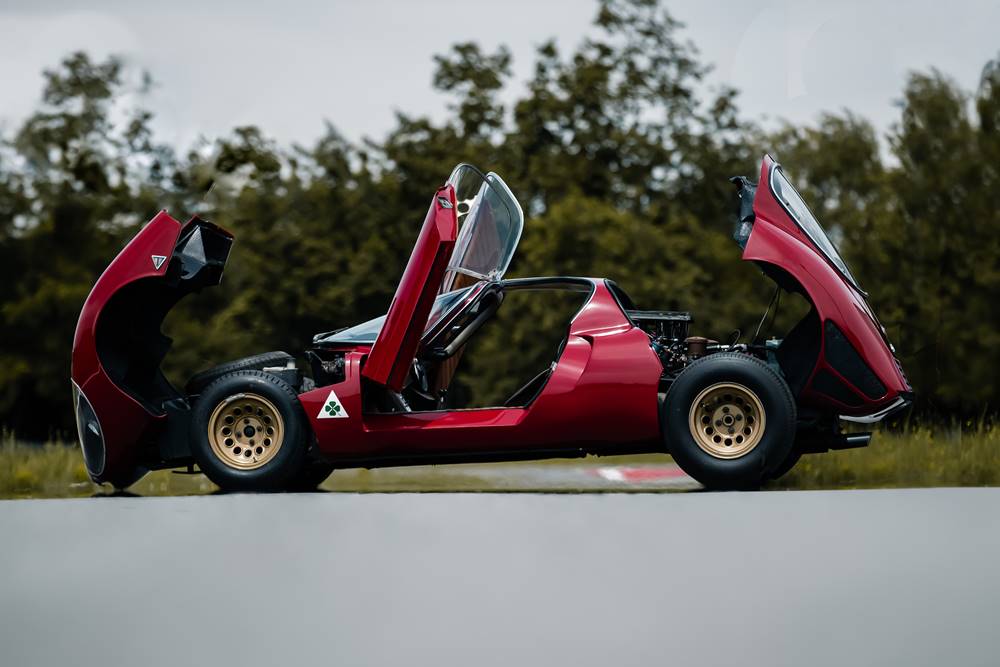
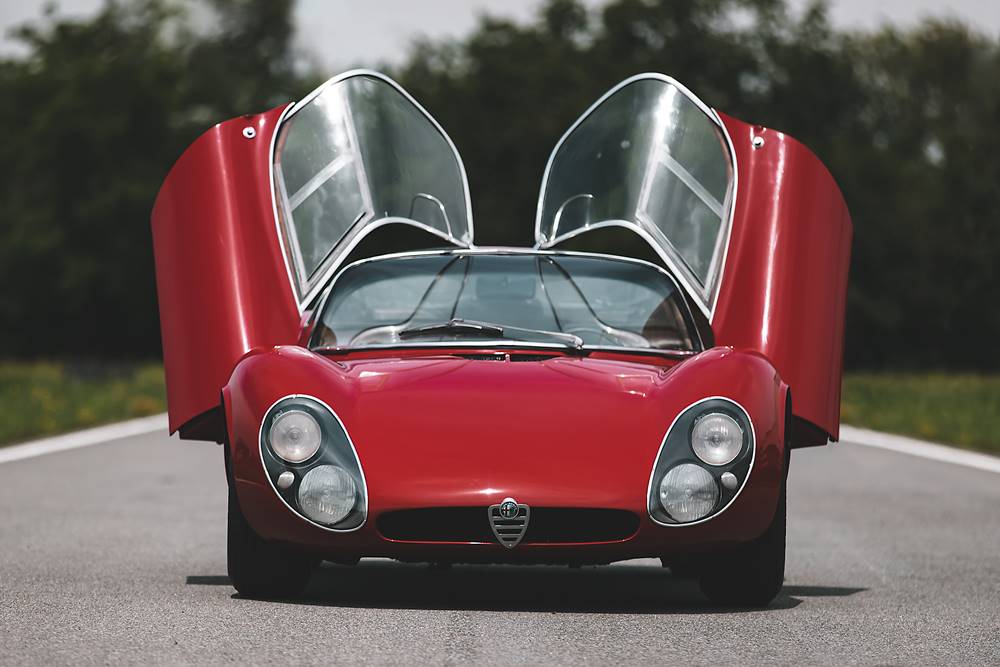
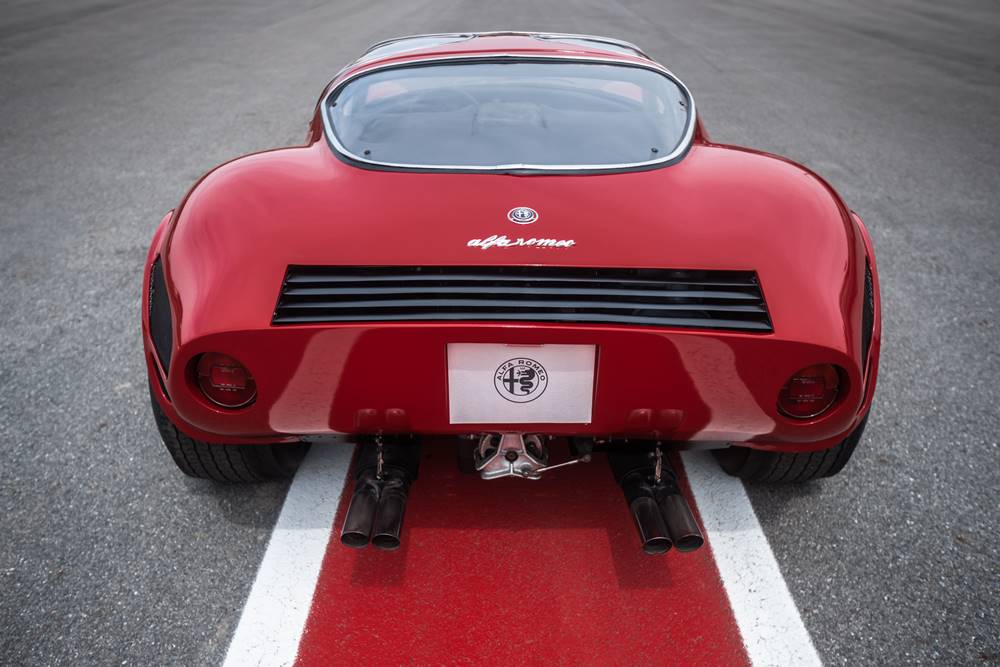
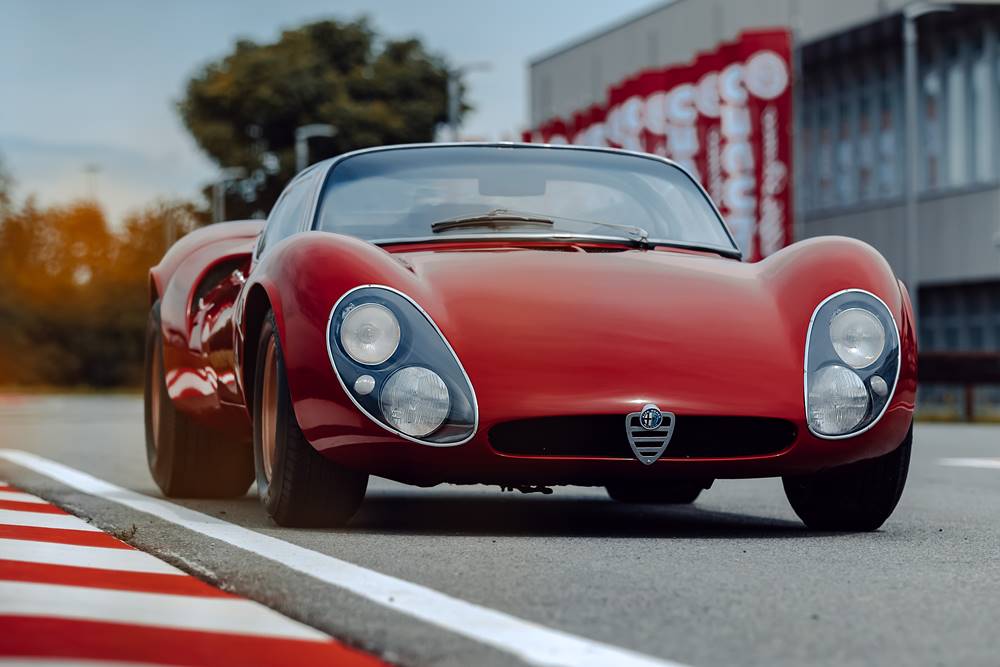
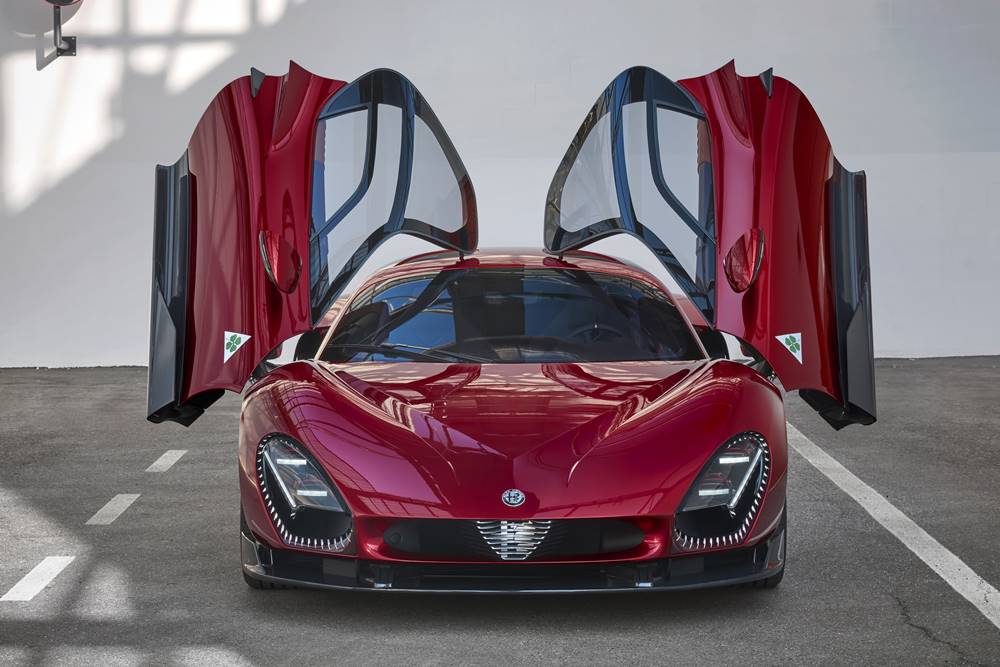
ABOVE: Alfa Romeo 33 Stratadale 1967 and 2024
The body
Alfa Romeo recently produced the delicious 4C, and although no longer sold, the 4C leaves a lasting legacy of a beauty hinting racetrack glory.
The 33 Stradale takes that even further, and no doubt has an equally stratospheric price. Each of the 33 cars will be specified uniquely by their new owners. Hinged doors fold upwards. They wrap over the roof and include a divided sunroof.
The “brutal” rear is offset by a low front and the maximum height is not at the level of the windshield, but in the middle of the roof. It provides a particularly slippery exterior, with a Cx of 0.375 at zero Cz (downlift), and this is without the aid of active systems.
The interiors is sumptuous yet minimal.
The 1960’s is never far from consideration, and although there is leather and crafted metal, there is a warm feeling like that of a hand made Italian suit offset by craftsman-made jewellery.
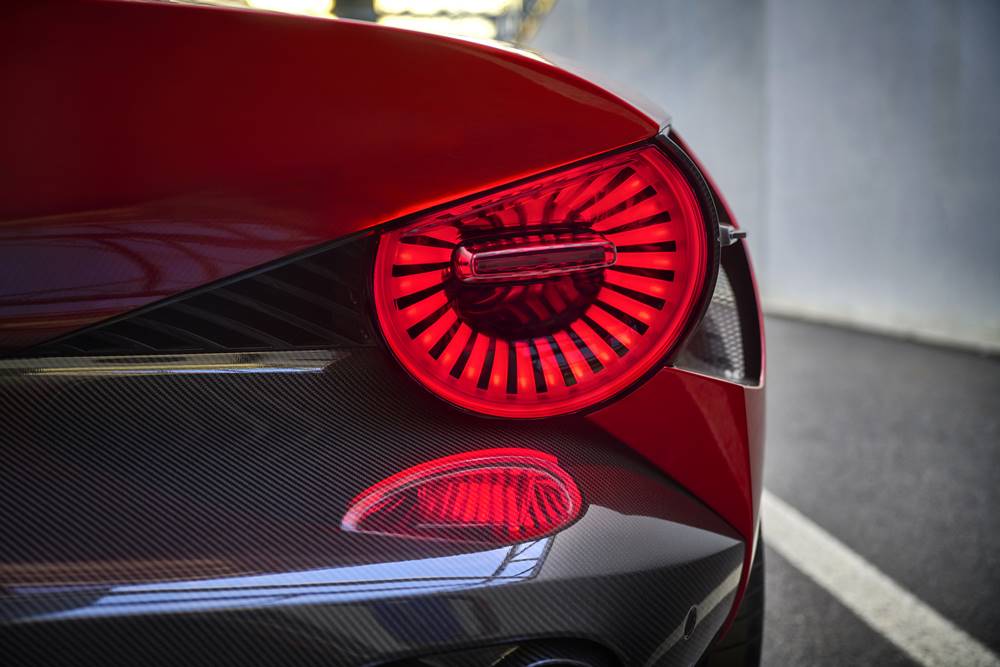
The driver is a display has a 3D “telescope” design, the first-of-its-kind. there are elements in it that have been repeated from the lighting display outside.
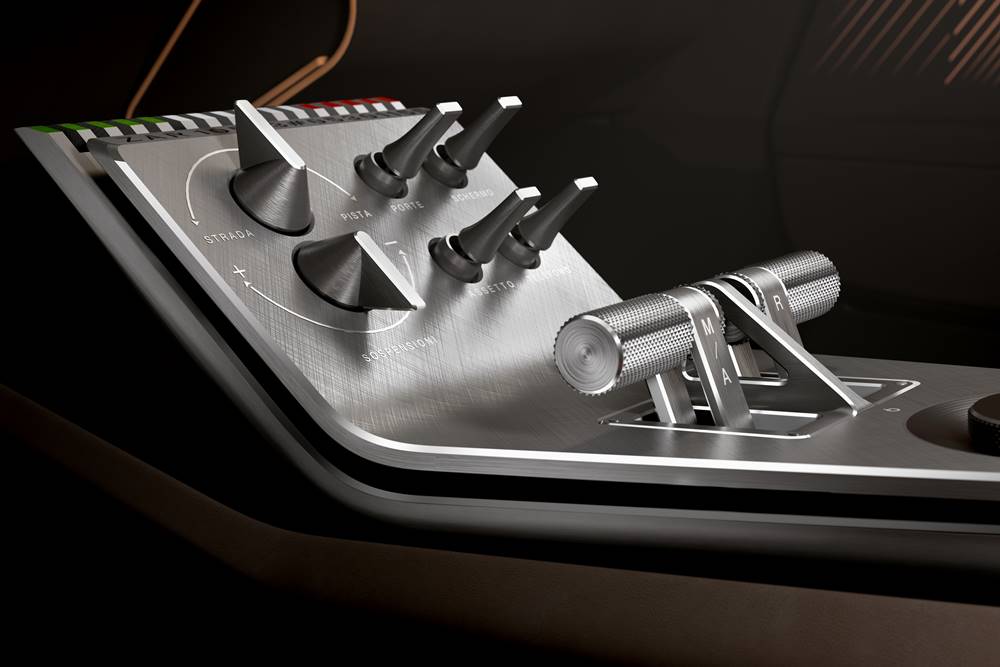
There is fine metallic detailing, even on the steering wheel. The steering wheel has no buttons, just a couple of paddles behind. The usual controls have an aviation feel to them, many crafted in expensive materials. There a floating centre console with levers and buttons in real metal instead of chromed plastic. More levers and buttons are found overhead, taking further nods from an aircraft cockpit.
The cabin appears to envelop both passengers.
The interiors are available in two trim levels: “Tributo” and “Alfa Corse.” The aviation-inspired cabin is fashioned from aluminium, carbon fibre, leather and Alcantara. The wraparound seats are covered in Poltrona Frau leather as a modern take on forerunner. They make sure the occupants are comfortable, yet held firmly in place when the time comes. Each element, both inside and out, harkens back to the aesthetic and technical heritage of the 1967 33 Stradale.
The Drive
The Alfa Romeo set out to design this car as a cutting edge track car that is comfortable on daily commutes. Many have tried, and failed.
Alfa Romeo 33 Stradale uses double-arm suspension with active shock absorbers, and an evolved 2.9 V6 engine. But there’s more.
Apart from the 620 hp V6 twin-turbo version, buyers can select a 750 hp drivetrain instead. Performance is outstanding in both versions. With a top speed of 333 km/h, the 0 to 100 km/h is under 3 seconds.
The double-arm suspension with active shock absorbers and the front axle lift give its driver a feeling of sublime handling and superb comfort. The braking system employs Brake-By-Wire on Brembo carbon-ceramics brakes for super performance that matches the look and feel.
The aluminium H-frame and carbon fibre monocoque construction gives the body rigidity and lightness. Likewise, the roof structure is made of carbon fibre and aluminium, with hinged butterfly doors. The window frames are also made of carbon fibre, with the rear window in polycarbonate.
The car’s tuning fettled with input from F1 driver Valtteri Bottas on the Balocco race track, so the F1 experience is available to the new owner every day.
If it was cheap, all cars would be made this way, so the price will no doubt reflect both the exclusivity of the number, and the rarity of the materials.
More GCB Sports Car Stories
- 2021 Alfa Romeo Giulia is Near Perfect – FULL REVIEW
- Sexy Men Drive 2021 Toyota Yaris Cross
- How Fast is 2020 Toyota Supra? GayCarBoys review
- 2020 Toyota 86 Review and Last Drive Before New Model Released
- Can Toyota Supra Handle Macquarie Pass’ hairpin Bends Roadtest Review
- i30: N 2018 Hyundai i30 N Review and Video
- 2018 Hyundai i30N Review
- We Drive Mazda MX-5 (Miata, MX5) 30th Anniversary Edition. It is any good?
- 2019 Mazda MX5 Launch Review
- 2018 Mazda MX5 RF road trip review and video
Discover more from Gay Car Boys
Subscribe to get the latest posts sent to your email.











Leave a Reply