There is a moment, somewhere between a servo pie and a rapidly climbing petrol price, where Australia quietly decides it has had enough. April’s VFACTS data is out, and that moment has arrived. One in every six new cars sold last month will never drink dinosaur, which is less a trend and more like bass in the chest at a sweaty Oxford Street club. It is awkward, dramatic but unstoppable.
92,591 vehicles found homes in April, up a modest 2.2% on last year. While that number looks calm on the surface, the mix underneath is doing cartwheels. EVs are now 16.4% of total sales, no longer a fringe behaviour. Your neighbour, your tradie, and possibly your yobbo mate who said he’d never give up his V8, now post charging selfies like thirst traps.
Supply has finally caught up with curiosity, helped along by the New Vehicle Efficiency Scheme and the Electric Car Discount, which refuses to die and frankly shouldn’t. Nothing motivates Australians quite like a tax break and the chance stick a middle finger up at the establishment.
There are now around 110 EV models to choose from, which explains why the market suddenly feels like Mardi Gras for electrons. There are options everywhere and something for every taste, whether you want sleek and silent or something that looks like a concept car afterparty.
Above: 2026 Sealion 8 Premium a 359kw Beast
#BYDSealion8 #CarReview #PHEV #SUV #Australia

Help Support Gay Car Boys Subscribe to our YouTube Channel by SMASHING THE BUTTON ABOVE


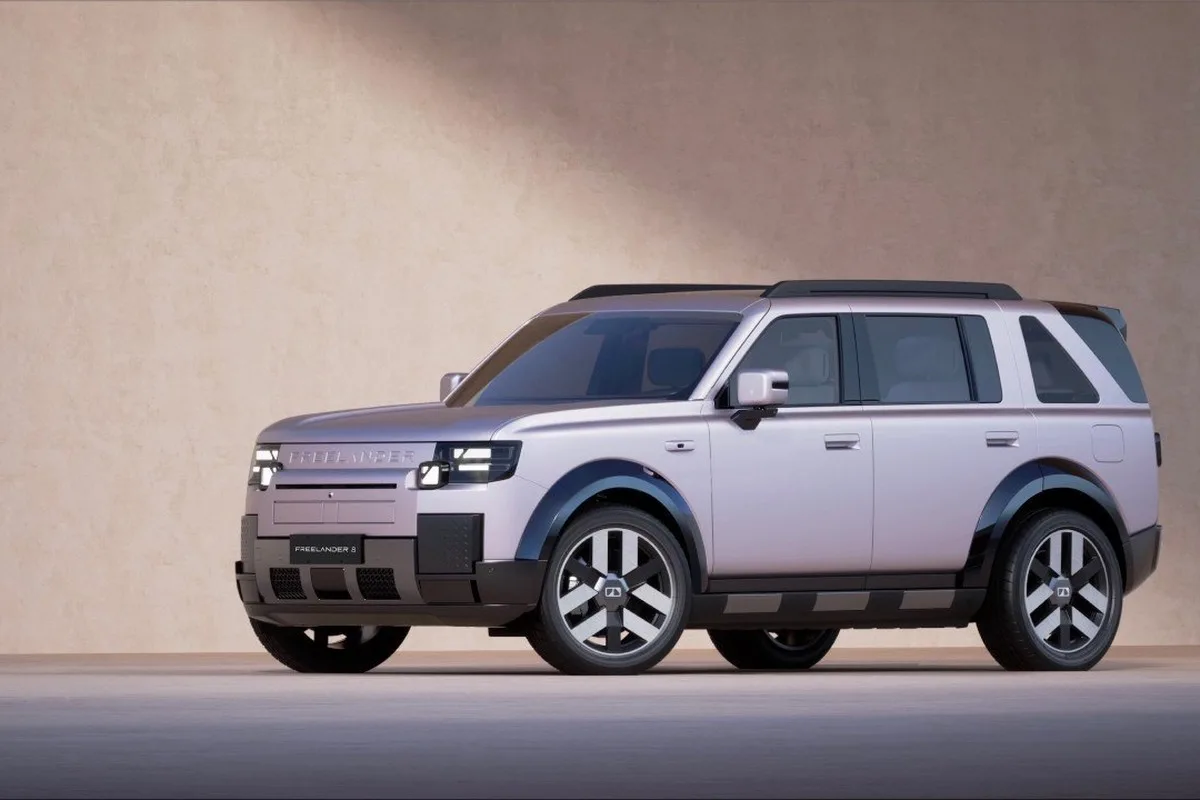
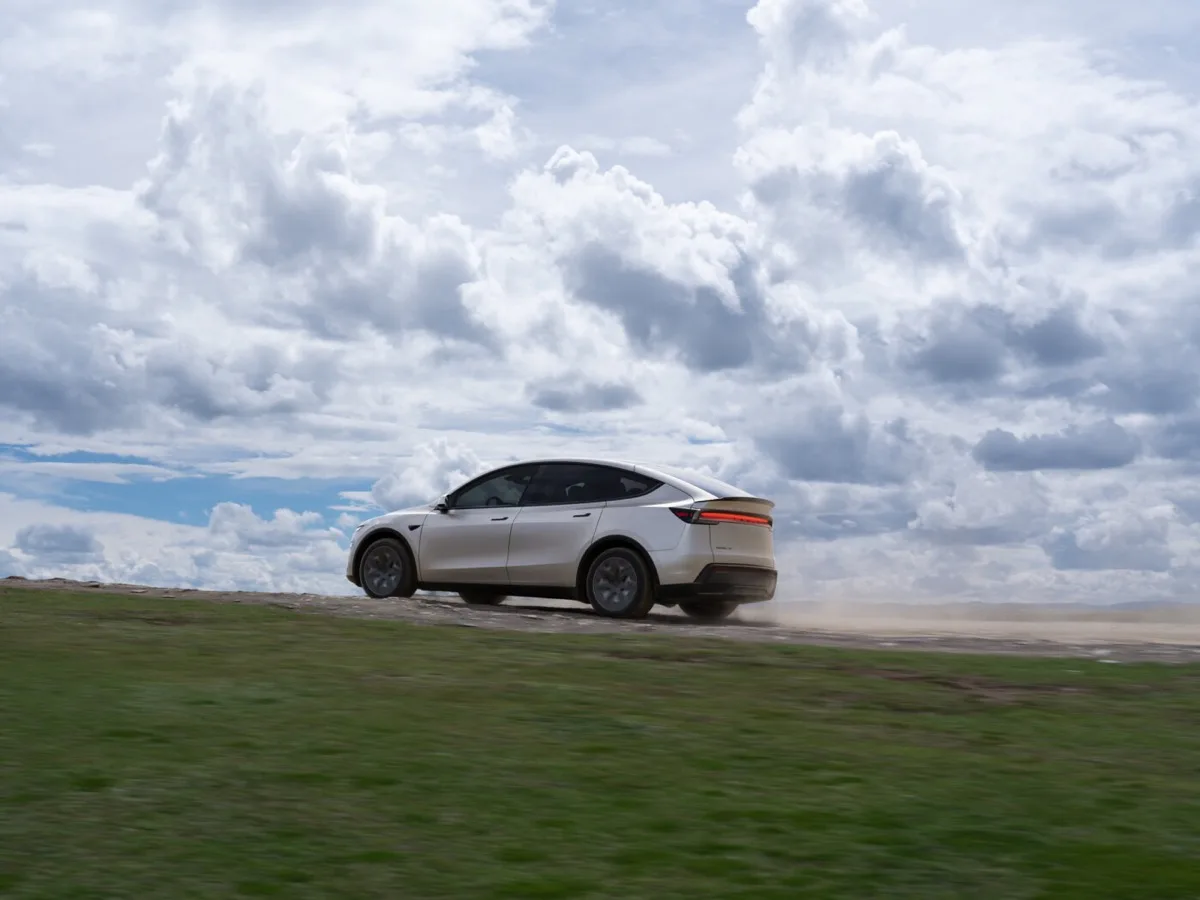
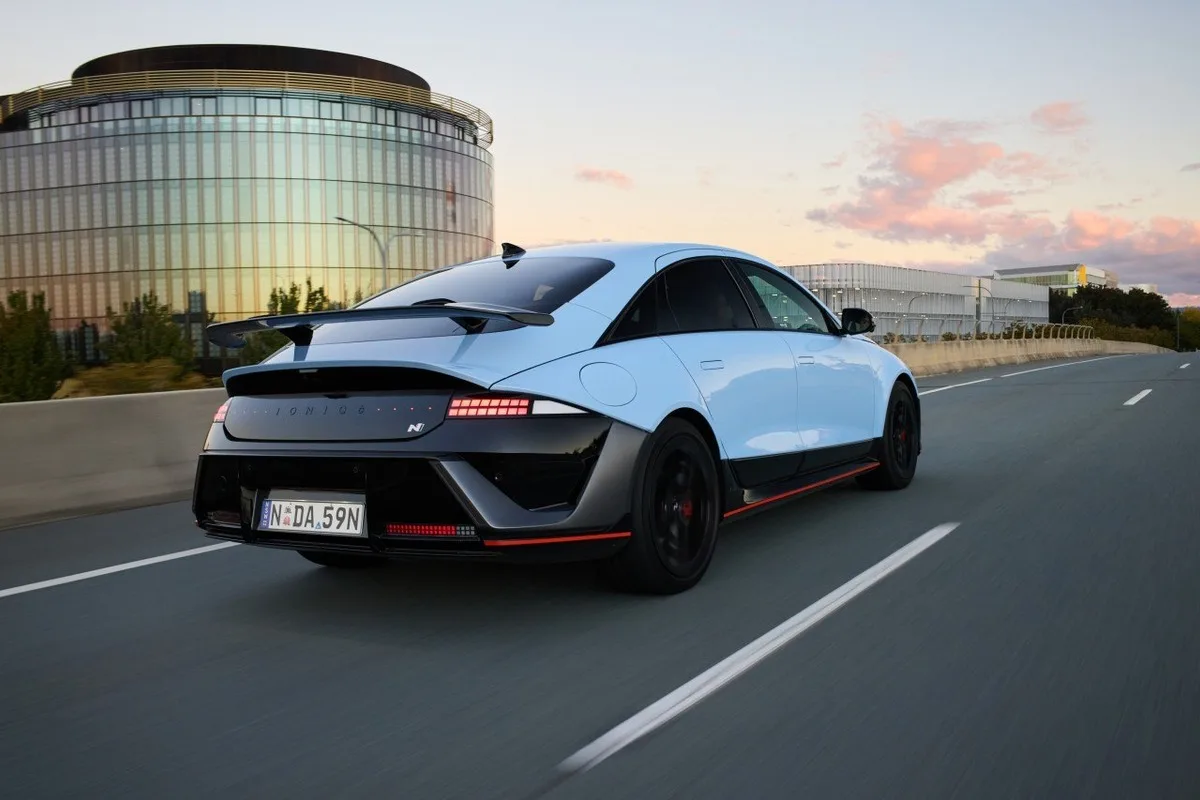
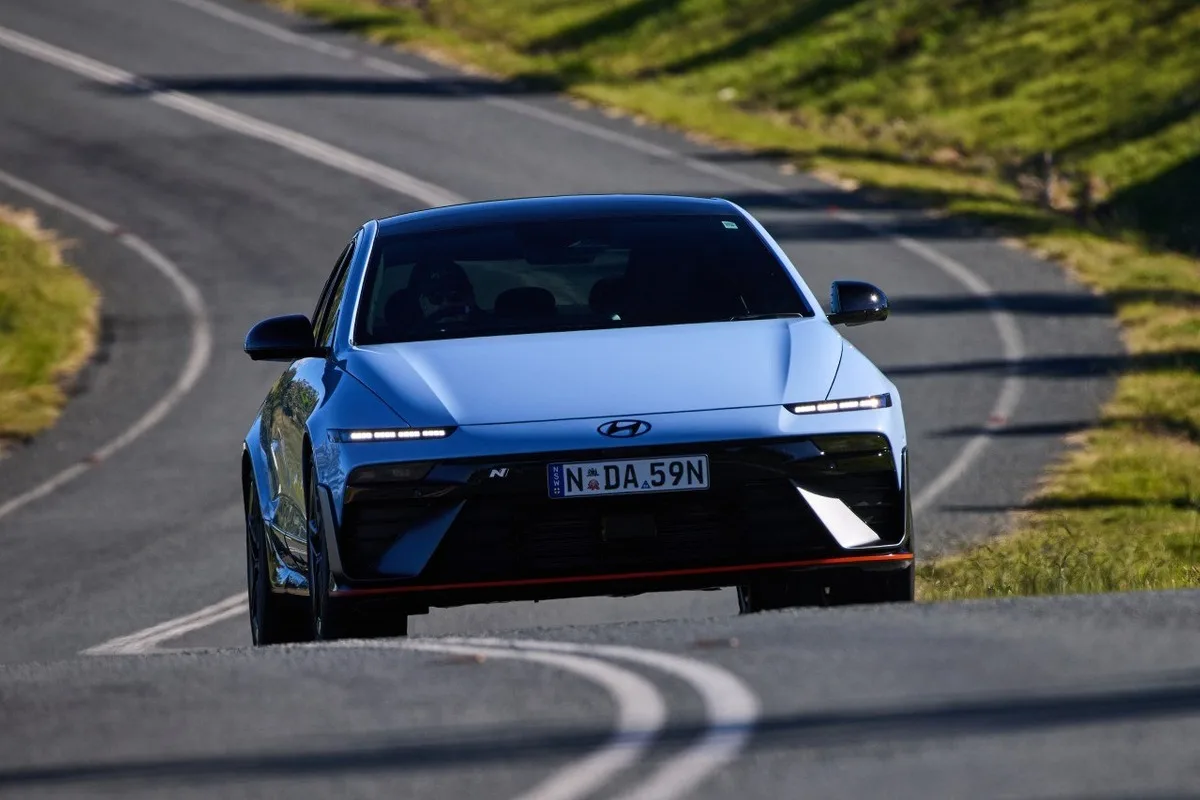
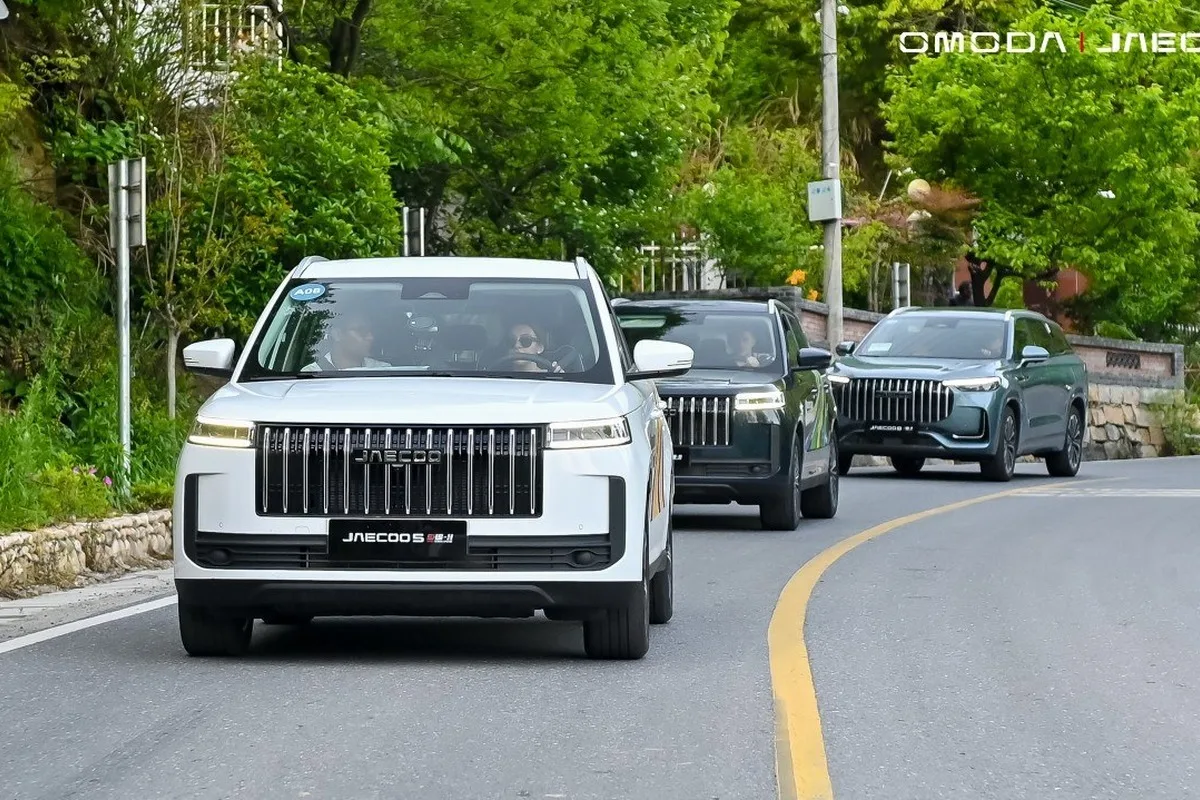
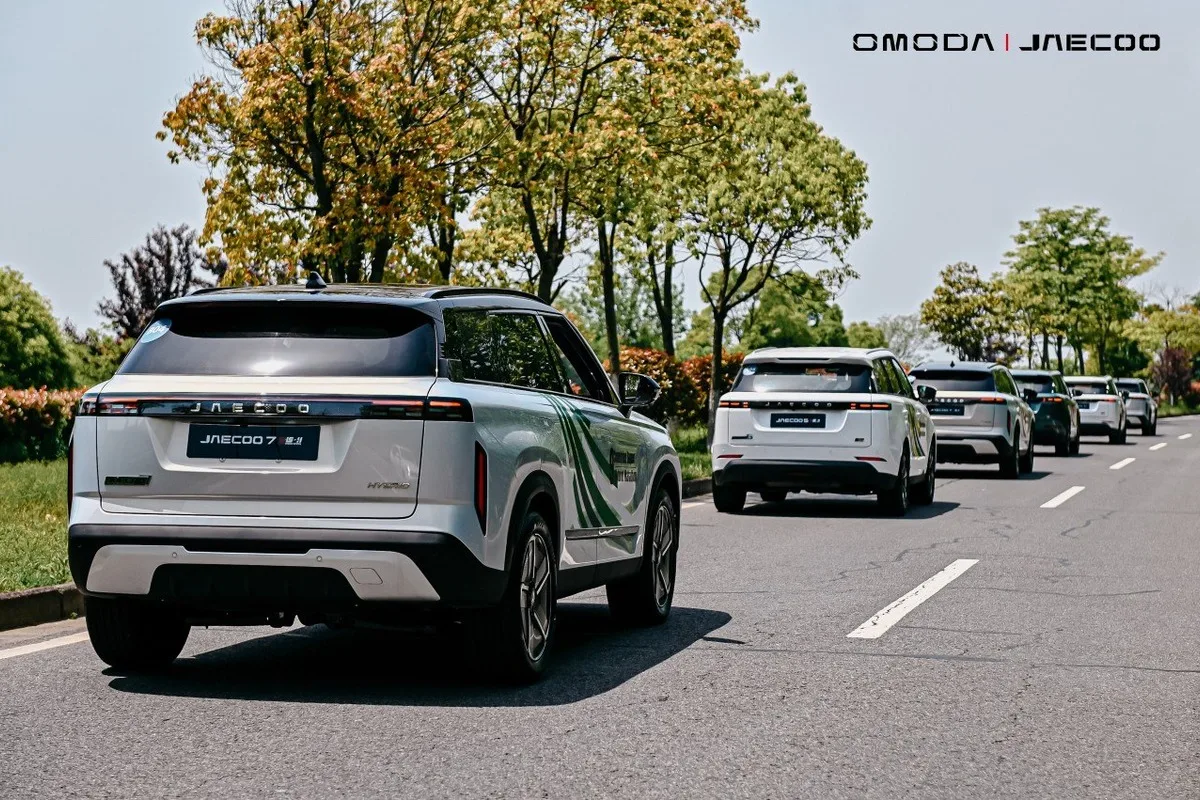
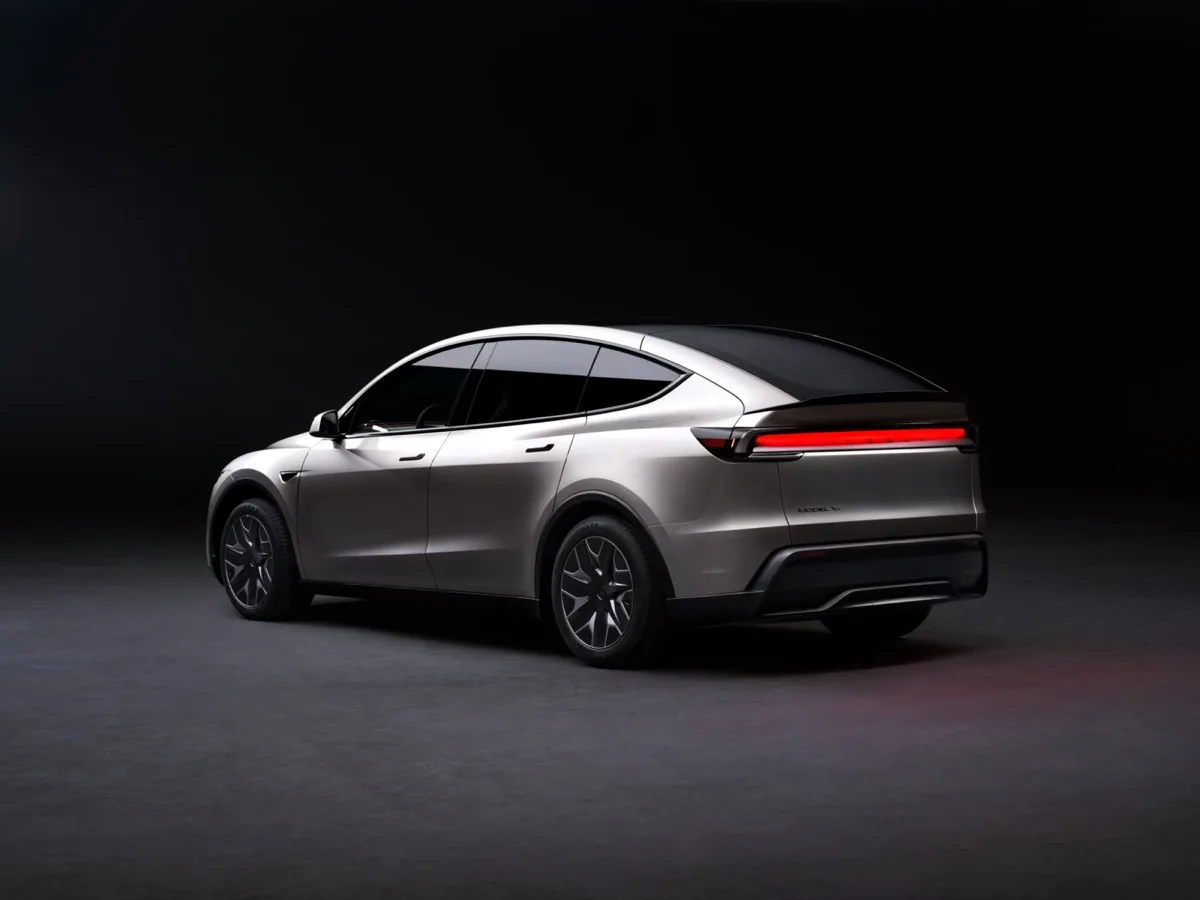
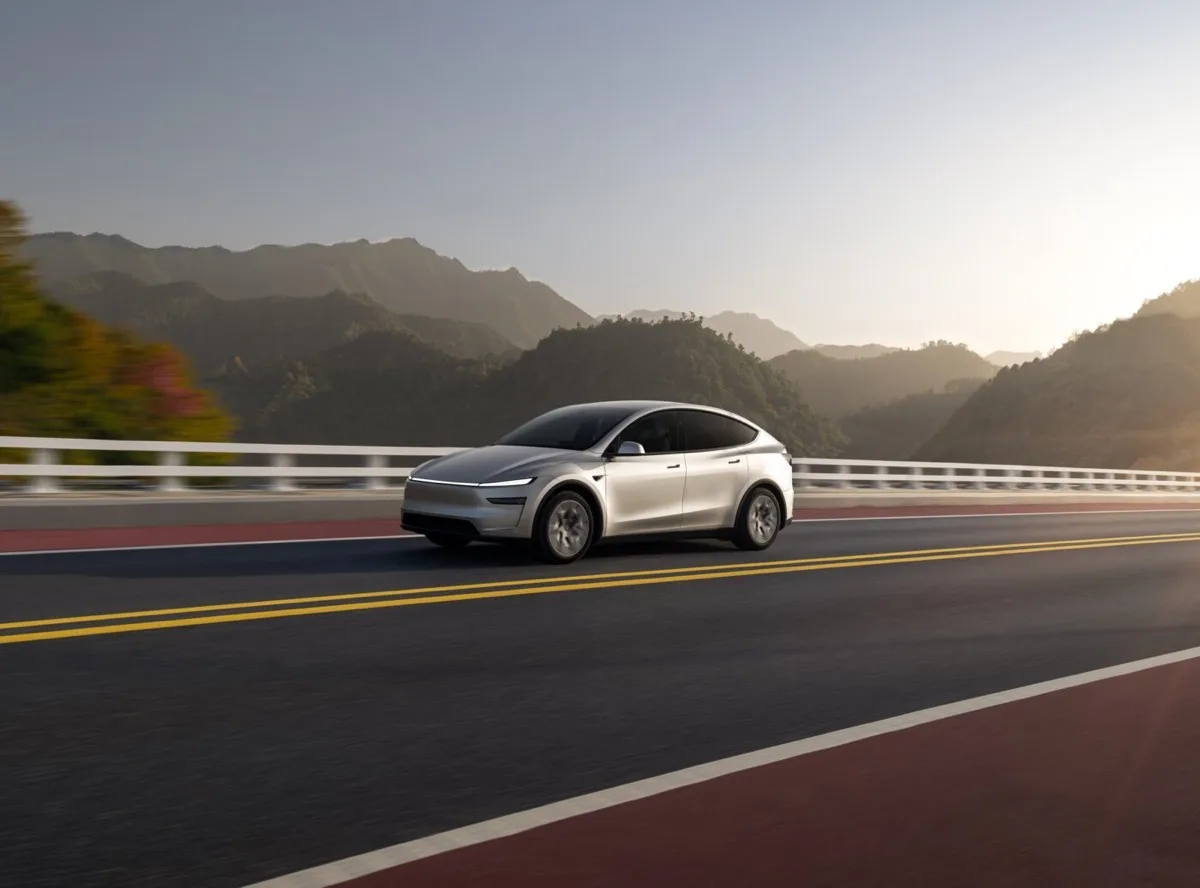
ABOVE: EVs on sales now, recently released, or are storming our shores soon.
And then there’s China.
BYD is giving the market a proper seeing to, coming in second place for the month with 7,702 sales and an 8.3% share. Those numbers make legacy brands reach for a Bex and a good lie down. Chinese-built vehicles collectively accounted for about 30% of all sales as it continues to steam-roll through the market. Keep in mind, not all cars made in China are Chinese brands. All Teslas coming to Australia are off ships from China. This is only going to increase like, as with almost all other industries, China becomes the manufacturer for the entire segment.
VW is rebadging Chinese EVs and Stellantis has Leapmotor, but more is happening deep behind the scenes. It is no longer just Chinese brands buying up legacy badges, it is legacy brands seeking Chinese partners rather than risk bankruptcy.
For the moment Toyota still leads, shifting 15,185 units and maintaining that reputation for being the car equivalent of a well-made pair of boots. It is dependable, familiar, and everywhere, but the gap is no longer a canyon, it is something you can measure without slipping a disc.
Kia, Hyundai, GWM, and Chery are all climbing, some more aggressively than others. The old guard is starting to look over its shoulder because this is no longer about catching up, it is about staying relevant in a market that has decided it quite likes new ideas.
The top ten models list reads like a greatest hits album with a few remixes.
The Toyota RAV4 still holds the crown with 3,729 sales, showing how popular hybrids have become. It is followed closely by the Ford Ranger on 3,661, which remains the default choice for anyone who thinks a weekend isn’t complete without losing the back end on a moist roundabout.
The Toyota HiLux is still there but is down sharply, the pub legend no longer. The Chery Tiggo 4 Pro storms in with 2,379 sales, doubling its numbers from last year and making a very loud point about value. Buyers are not mugs, and habit only carried so much momentum for legacy brands before their wings lost lift.
While Japan’s legacy brands busy themselves writing wordy press releases about solid-state breakthroughs scheduled for 2028, the Chinese competition got on with leaving the Japanese in the dust. Toyota, Nissan, and Honda have turned the next-gen battery propaganda into the automotive equivalent of the cheque is in the mail,. They’re promising 1,000km ranges to keep shareholders happy while showrooms still push the hybrid RAV4 as the tech peak.
To put that in perspective, 1,500kW charging is not just a promise, it is being rolled out, albeit slowly. While Japan sells the promise of a revolution, BYD’s luxury arm, Denza, is already prepping the Z9 GT with Flash charging that can dump a 10-to-97% refill in nine minutes flat. When you can add hundreds of kilometres of range in the time it takes to buy a servo coffee, 1,000km range become irrelevant.
Then there’s the BYD Sealion 7 looking like a Bond villain’s yacht that sells like hot chips. As we predicted, it has jumped nearly 140% year-on-year, and landing comfortably in the top ten. Utes have long since stopped being about hammers and bags of cement.
SUVs continue their hostile takeover, now accounting for 66.1% of the market in April, which means two out of every three cars you see are riding high, while passenger cars shrink further into the background. That disappearing act, down 12.5% for the month, shows Australians have collectively decided no longer use the term “gas-guzzler” to describe anything bigger than a Golf.
Medium SUVs are the real power brokers here, jumping 35.5%. That’s not a gentle increase, it is a proper sprint. Buyers want space, tech, and something that looks rather good parked up at a café in Surry Hills.
Light commercials, including utes, took a hit, down 14.8%, which might be a blip or might be the start of something more interesting. Even the most diehard diesel devotee can do the maths when fuel prices keep creeping north, and suddenly that electric option doesn’t look so soft after all. The conservative dog whistling now falls on deaf ears, how sad for them.
State by state, New South Wales leads with 27,830 sales, up 2.8%, while Victoria follows closely. Tasmania quietly posts a near 20% jump, which is either a sign of booming confidence or a lot of people finally replacing something held together with spit and baling wire, probably the latter. It is Tassie after all.
Year-to-date, the market is actually down 1.5% compared to 2025. This adds a layer of tension, because while April looks healthy, the broader picture suggests a market still finding its footing. 2025 had no demented Trumpian disaster in the middle east, nor the careful balancing enthusiasm for new tech with the reality of interest rates and cost of living. We are living through the largest ever shift in the automotive sector, and it is happening at a cracking pace.
The mood feels different.
There is momentum now, real momentum, not the kind that lives in PR spivvery. You see in driveways and shopping centre car parks, where charging stations are part of the furniture, and the traffic through cities grows ever more silent.
The challenge, of course, is infrastructure, because if one in six cars is now electric, that ratio will only grow. The current network will need to evolve quickly, and anyone with a set of eyes will notice pole chargers are the kerbside and EV spots at servos. If you can’t beat’em, join ’em.
What April shows, more than anything, is a market in rapid transition. It has gone from a couple of posh A-listers cruising in their Prius 1st-gens to brawling elbows at boxing day sales.
The old certainties are wobbling, new players are thriving, and buyers feel the girding of their loins, one that saves money, looks sharp, and can charge from the sun.
It is messy, it is competitive, and exactly what the industry needed. There’ll be many who’ll be saying, “we told you so,” and we were right.
More Stories
- Suzuki e VITARA Priced From $46,990 And It Had Better Be Good
- Hyundai IONIQ 6 N Arrives From $115,000 With a Sedan Problem
- Could Denza B8 Kill The Land Cruiser
Help Support Gay Car Boys Subscribe to our YouTube Channel

Alan Zurvas is the founder and editor of Gay Car Boys, Australia's leading LGBTQI+ automotive publication. Before launching GCB in 2008, Alan's automotive writing was published in SameSame.com.au and the Star Observer. With over 16 years of hands-on car reviewing experience, Alan brings an honest, irreverent voice to every review — championing value and innovation over brand loyalty.
Leave a Reply