Some anniversaries feel obligatory. A quarter century of the Aston Martin Vanquish does not.
Twenty-five years ago, Aston Martin pulled the covers off a car that stopped the Geneva Motor Show dead in its tracks. The V12 Vanquish wasn’t just a new model, it was a declaration of intent, the loudest possible statement that this small British marque, armed with a six-litre V12 and an ambition that outstripped its budget, was coming for everyone.
Let that sink in for a bit.
The Vanquish name has now survived three distinct generations, two factory relocations, a sale, a rescue, a Formula One partnership, and the sort of corporate drama that would make a soap opera writer blush. And yet here we are, in 2026, with the nameplate still very much alive, now draped around a 835PS twin-turbo V12 monster that hits 214mph and gets from 0 to 60 in 3.3 seconds. If you’re going to be the most powerful flagship Aston Martin has ever produced, you’d rather want to earn that title, and this one does.
Above: Lexus GX550 Review
#EUFTA #LuxuryCarTax #FCAI #FreeTradeAgreement #AustraliaTrade

Help Support Gay Car Boys Subscribe to our Youtube Channel by SMASHING THE BUTTON ABOVE


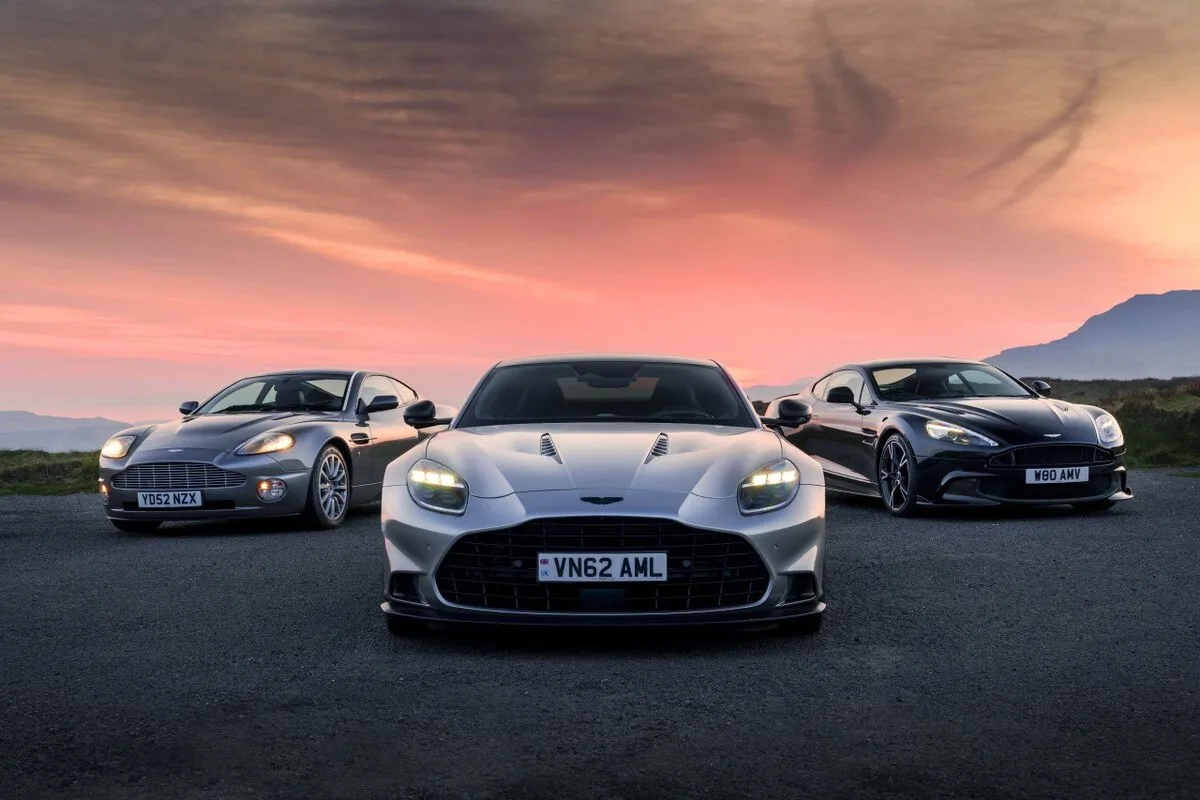
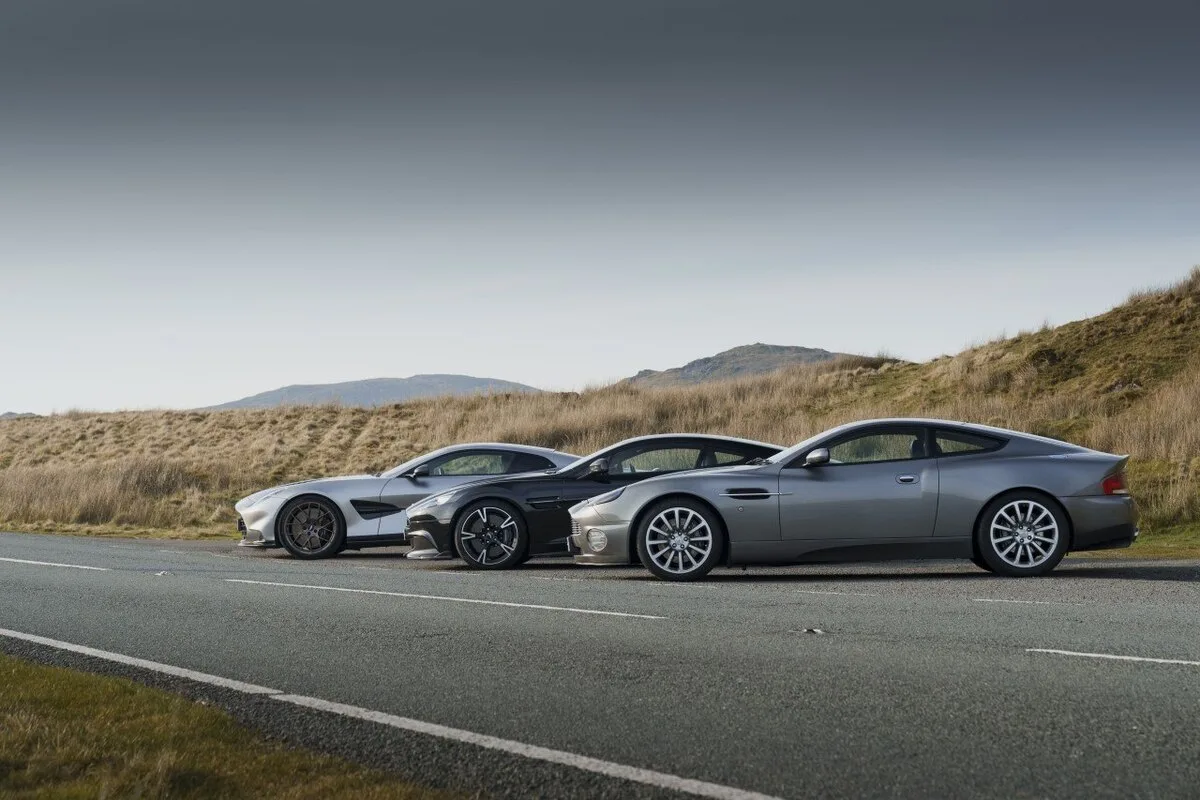

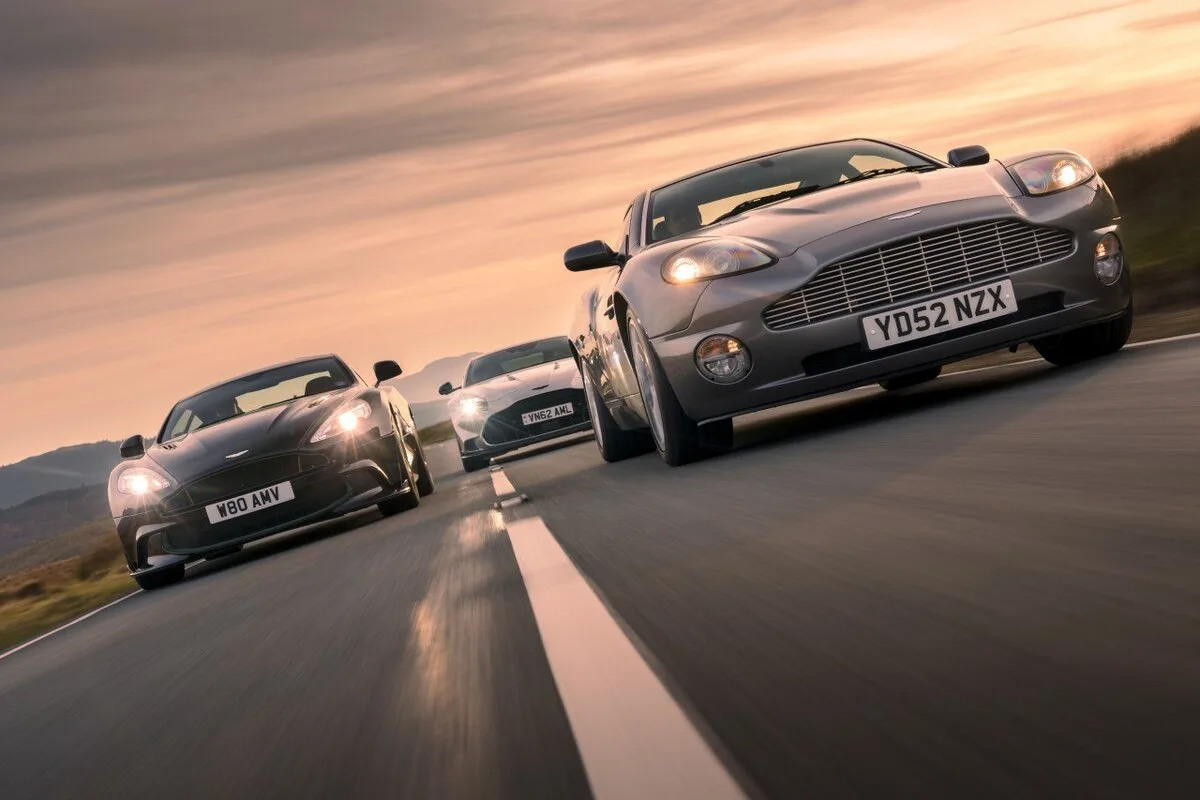
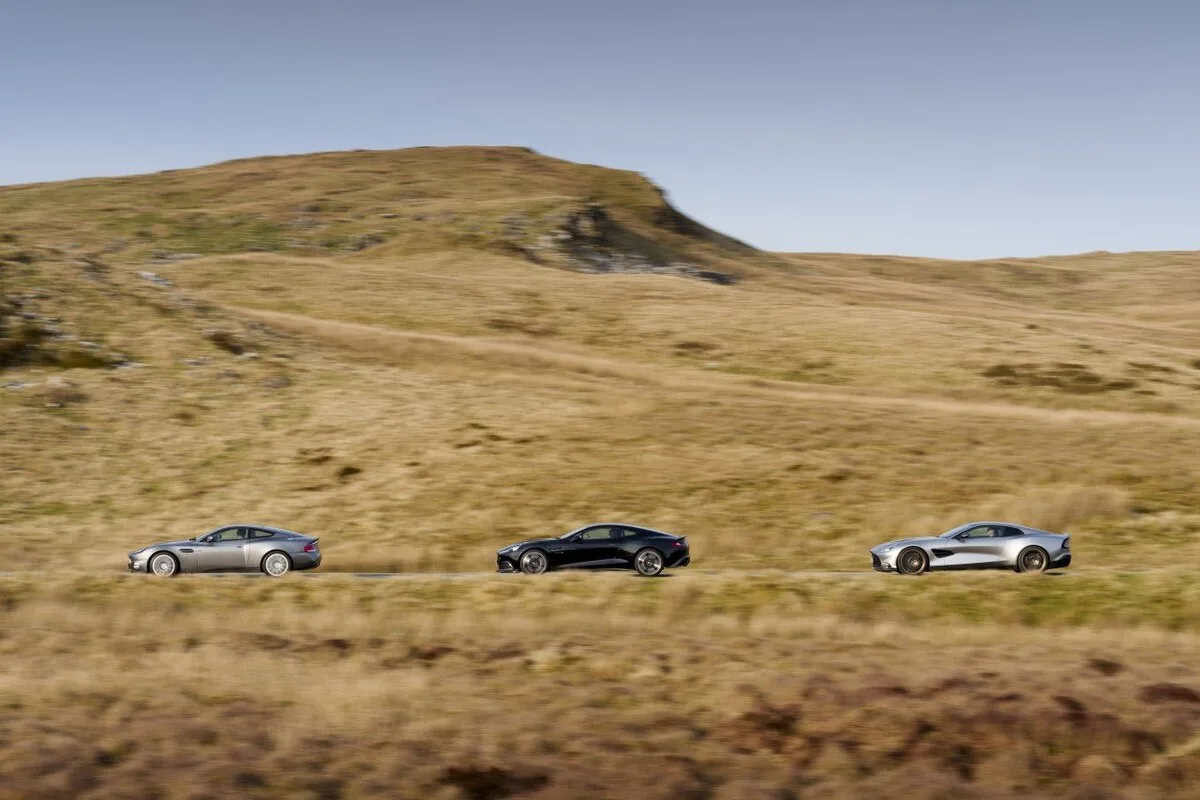
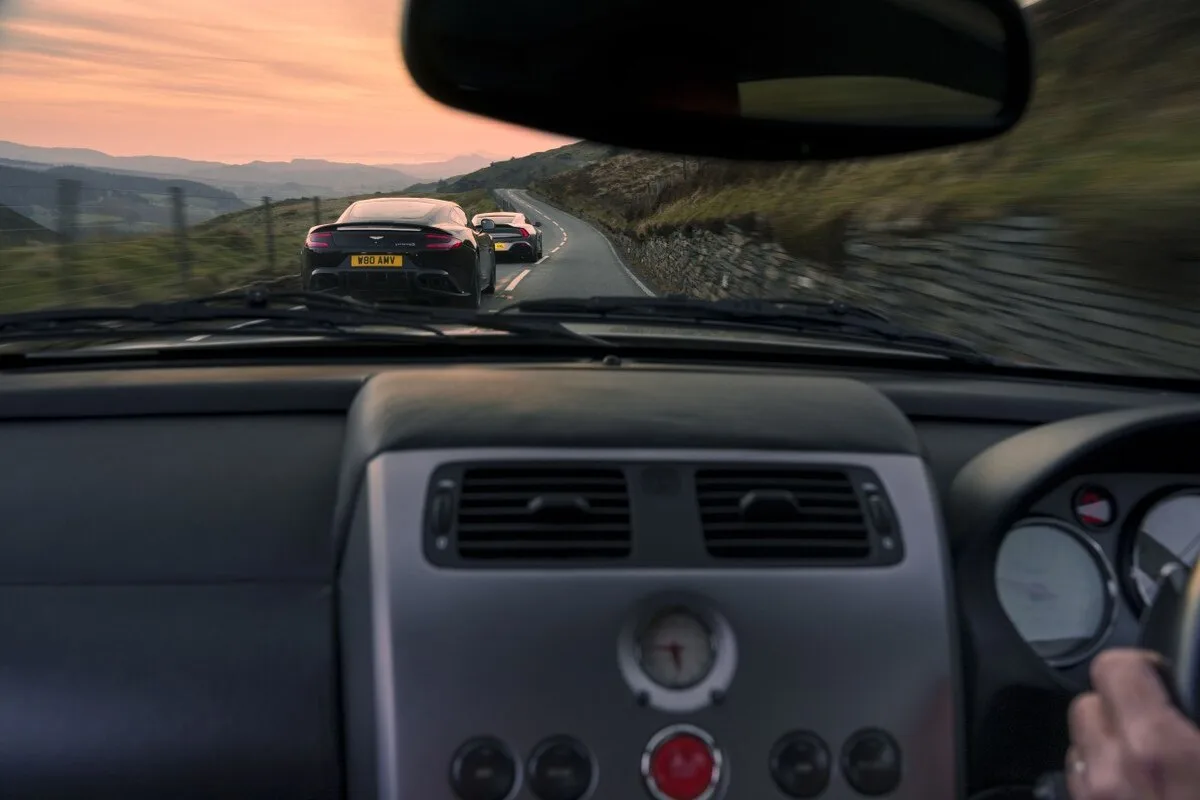
ABOVE: 2026 Aston Martin Vanquish at 25 and Three Generations
How Did the Aston Martin Vanquish Start?
It started, properly, in 2001. The first Vanquish was the last car to be built at Aston Martin’s Newport Pagnell factory before the brand made its move to Gaydon in Warwickshire, and it carried the weight of that occasion rather well. A 460bhp 6.0-litre V12, an F1-inspired paddle-shift gearbox, aluminium tub with carbon fibre composite panels, drive-by-wire throttle control. For an Aston Martin in 2001, this was properly cutting edge stuff, developed in partnership with the University of Nottingham and a facility in Silicon Valley, of all places.
The media heaped praise. Customers heaped orders. Later came the Vanquish S, with its modest power uplift and sharper responses, and the final V12 Vanquish S Ultimate Edition, which is the sort of name that makes it sound like they knew it was the end of something rather marvellous.
They were right. Production ceased in 2007, and the Vanquish name went quiet for five years.
The Second Generation: Carbon Fibre Gets Serious
When it came back in 2012, the Vanquish looked thoroughly different. The second generation had been influenced by the One-77 hypercar, and every external panel was now made from aerospace-grade carbon fibre. Not just a few bits here and there, every single external panel. This made the body 25% lighter than the DBS it replaced, and the new V12 now produced 565bhp and 457lb ft of torque, enough to send it to 62mph in 4.1 seconds and on to 183mph.
I have a particular affection for that second-generation car. It wore a taut, aggressive face that looked genuinely dangerous from certain angles, offered 2+0 or 2+2 seating, and even managed a rather civilised 368-litre boot. Aston Martin being Aston Martin, it was naturally joined by a Volante convertible and the yet more outrageous Vanquish S, with 600bhp and a 201mph top speed. Collecting the full set would have required either a very generous inheritance or a spectacular run at the casino.
The 2024 Vanquish: 835PS and the Most Powerful Aston Martin Ever Built
And then came 2024, and the current generation.
This car is something else entirely. A new 5.2-litre Twin-Turbo V12 producing 835PS and 1000Nm of torque. A 0-60 time of 3.3 seconds. A top speed of 214mph. Carbon Ceramic Brakes with 410mm discs up front as standard, not as a cost-option afterthought. Production limited to under 1,000 examples per year, which means anyone who manages to actually take delivery of one will feel rather smug at the traffic lights.
The body language has been extended too. The wheelbase was stretched, specifically the distance between the A pillar and the front axle, by 80mm, which lengthens the bonnet and gives the car a rakish, dramatic profile that makes it look significantly more dangerous than the speed limit would prefer. Inside, the standard of luxury has, according to Aston Martin, been elevated again. Given that previous generations were already the sort of thing that makes the back of your neck tingle, the prospect of their current effort is rather thrilling.
Aston Martin CEO Adrian Hallmark put it plainly: “Since its arrival 25 years ago, the Vanquish nameplate has been synonymous with something special; something ambitious, different and daring.”
He is not wrong.
What Does 25 Years of Vanquish Actually Mean?
Aston Martin Historian Steve Waddingham, who has clearly found the best job title in the industry, summed it up rather neatly. “Look up the word ‘vanquish’ and you will find it has, in my opinion, one of the best dictionary definitions in the English language. Terms such as ‘conquer’ and ‘overwhelm’ pop up as synonyms.”
He’s right. And rather unlike the word itself, the cars have lived up to it consistently across all three generations. The original conquered expectations. The second overwhelmed critics. The current one simply leaves both in the rear view mirror at 214mph.
There are very few nameplates in the world that have survived three genuinely distinct generational reinventions, each one more potent than the last, without losing the thread. Ferrari has managed it with a few. Porsche has built its entire identity on the principle. Aston Martin, working with a fraction of the resources and considerably more drama, has done it with the Vanquish, and they deserve credit for it.
It’s a proper British sports car dynasty. Loud, beautiful, slightly mad. Tickety boo, frankly.
Aston Martin Vanquish Generations at a Glance
| Generation | Years | Engine | Power | Top Speed |
|---|---|---|---|---|
| V12 Vanquish (Gen 1) | 2001-2007 | 6.0L V12 | 460bhp | ~190mph |
| Vanquish (Gen 2) | 2012-2018 | 6.0L V12 | 565bhp (600bhp S) | 183mph (201mph S) |
| Vanquish (Gen 3) | 2024-present | 5.2L TT V12 | 835PS | 214mph |
More Stories
- Aston Martin Vantage Takes Second at 12 Hours of Sebring
- Lamborghini Miura Turns 60: Museum Exhibition Celebrates the First Supercar
- Bentley Posts Seventh Consecutive Year of Profit Despite China Slump and Job Cuts
Help Support Gay Car Boys Subscribe to our Youtube Channel

Alan Zurvas is the founder and editor of Gay Car Boys, Australia's leading LGBTQI+ automotive publication. Before launching GCB in 2008, Alan's automotive writing was published in SameSame.com.au and the Star Observer. With over 16 years of hands-on car reviewing experience, Alan brings an honest, irreverent voice to every review — championing value and innovation over brand loyalty.
Leave a Reply