Polestar is not here to give you a greenwashed brochure. It is here to prove that an electric car company can actually mean it — and the latest announcement from Gothenburg suggests it rather does.
The Swedish brand has confirmed that batteries in the Polestar 2 and Polestar 3 now contain at least 50% recycled cobalt, a milestone that sounds modest until you remember how catastrophically bad the broader automotive industry has been at tracking where its battery materials come from in the first place.
Polestar 2, you may recall, was the first car in the world to feature blockchain-traced cobalt. That was the amuse-bouche. This is the main course.
What Does Battery Circularity Mean, and Why Should You Care?
In short, it means keeping the valuable stuff in the loop rather than digging up more of it. Cobalt — one of the trickiest materials in a lithium-ion battery pack — has a well-documented supply chain problem involving everything from dodgy sourcing to human rights concerns. Getting to 50% recycled content, as defined by ISO 14021, is not nothing.
But Polestar is going further than just the cobalt.
The company is partnering with Volvo Cars battery centres to refurbish high-voltage batteries from Polestar 2 and Polestar 3 vehicles that need replacement during their use phase. Rather than swapping in a brand-new pack, customers receive a refurbished battery with an equivalent state-of-health. It is a circular flow that extends battery life, retains value, and keeps materials in play longer. Think of it as giving the battery a rather vigorous spa treatment rather than simply tossing it into a corner.
Above: Lexus GX550 Review
#EUFTA #LuxuryCarTax #FCAI #FreeTradeAgreement #AustraliaTrade

Help Support Gay Car Boys Subscribe to our Youtube Channel by SMASHING THE BUTTON ABOVE


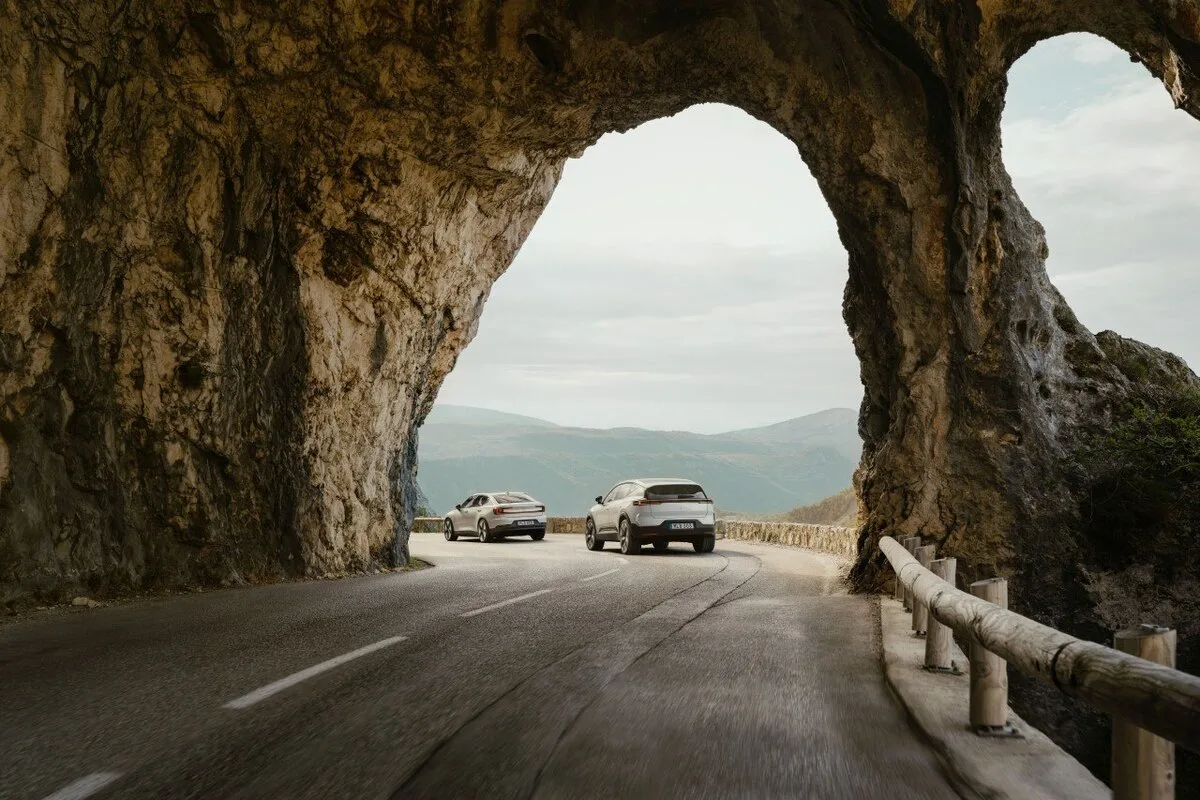

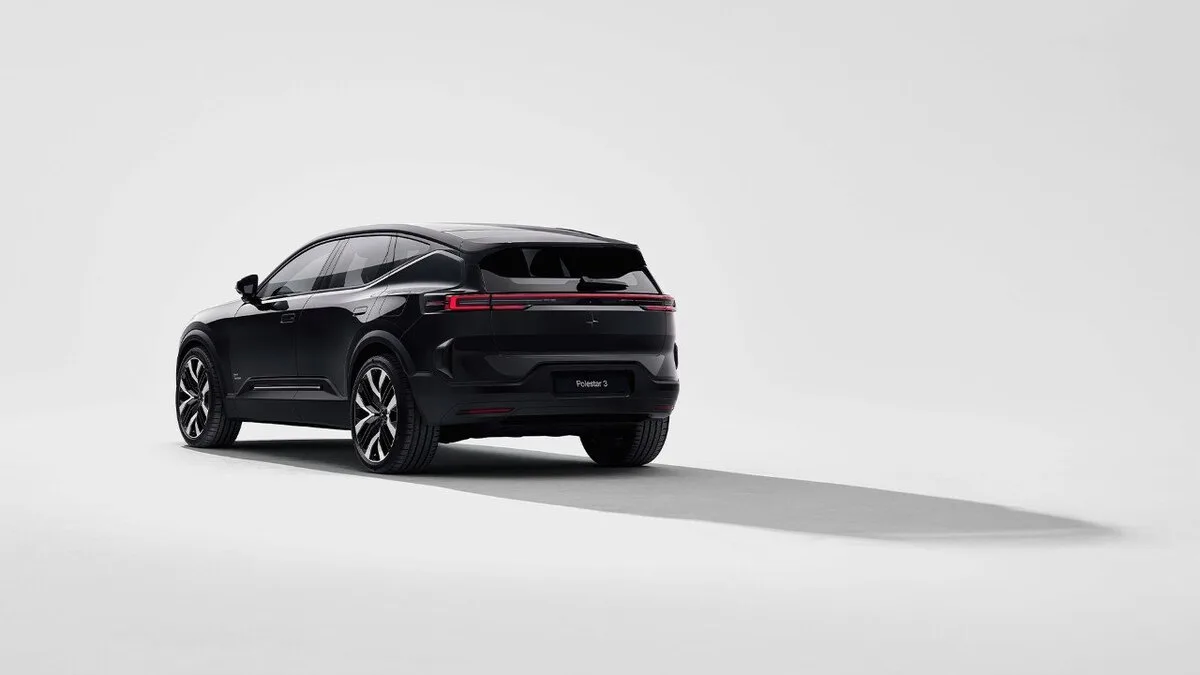
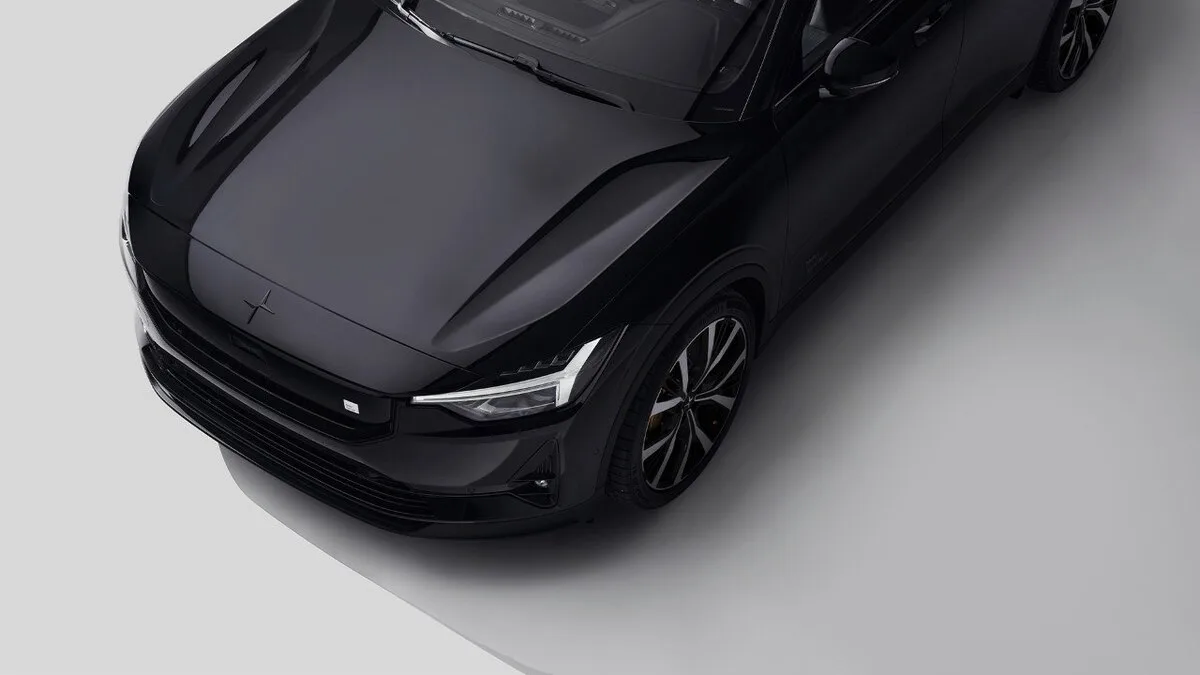
ABOVE: Polestar 2 and Polestar 3 go circular with 50% recycled cobalt, refurbished battery partnerships, and blockchain-traced materials
Polestar is also establishing recycling partnerships across all its markets to meet producer responsibility requirements — which, in plain English, means the brand is putting structures in place to actually deal with batteries at end of life rather than hoping someone else will sort it out.
Fredrika Klarén, Head of Sustainability at Polestar, puts it this way: “To drive a Polestar is an intentional choice by customers who care about tomorrow. Electrification, powered by renewable energy and enabled by circular battery materials, points to a new kind of system: one where resources stay in use and abundance replaces depletion.”
Which is, admittedly, one of the better sustainability quotes one has encountered lately. No buzzwords about synergies or ecosystems. Just a clear-eyed description of the goal.
Polestar’s Broader Sustainability Credentials Hold Up to Scrutiny
Polestar has been publishing Life Cycle Assessments for every model since 2020 — an unusual level of transparency in an industry that would rather talk about cup holders than carbon. It openly reports CO₂e emissions across its entire value chain, and has reduced relative CO₂ emissions per vehicle by 25% since 2020.
The targets ahead are not trivial: halve greenhouse gas emissions per vehicle sold by 2030, and achieve climate neutrality across the value chain by 2040.
Other circular material choices across the Polestar range include recycled aluminium and steel, base carpets made from ECONYL polyamide (recycled nylon from ocean waste and old fishing nets, since you asked), and yarn made from PET waste. Combined with a strong focus on reducing material complexity and modular design, the brand is building cars that are rather easier to disassemble and recycle at the end of their lives — which is the sort of thing that should matter to anyone who pretends to care about what happens after the lease ends.
How Does This Stack Up Against the Competition?
Here is where it gets interesting. Tesla has made commitments around its own battery recycling, but transparency about recycled content percentages is not exactly a hallmark of the American concern. BMW has made strides with its circular economy targets. Mercedes-Benz talks a good game. None of them have published the kind of granular, third-party verified data that Polestar has made something of a signature.
For a brand that was, until recently, burning through cash at a rather alarming rate and subject to questions about its long-term viability, Polestar’s sustainability story remains one of the most coherent and verifiable in the segment. It is proof that being rigorous about your environmental claims does not require being a massive company with unlimited resources. It requires caring enough to do the work.
Raffy, who drives a Polestar 4 and is easily the most aesthetically persuasive argument for the brand’s design team, would no doubt appreciate that his car is getting cleaner from the inside out.
The Bottom Line
Fifty percent recycled cobalt is a real number, not a marketing projection. The battery refurbishment programme is a tangible circular economy initiative that directly benefits customers. And the transparency with which Polestar reports all of this continues to set a standard the rest of the industry is only slowly beginning to follow.
If sustainability matters when you choose a car — and for an increasing number of buyers, it genuinely does — Polestar 2 and Polestar 3 have just become more compelling propositions. Not because the marketing says so, but because the data rather supports it.
Let that sink in for a bit.
Other GayCarBoys ELECTRIC EV Stories:
- The Trouble with Electric Car Charging-Polestar 2
- 2022 Polestar 2 Dual Motor Review
- Polestar 2’s Android Google Operating System Top 10 Tips
- Polestar 2 VS Tesla Model 3
- Polestar 2 Where Its Google OS is Star-Trek-Meets-Car-Trek
- How Much and How Long to Charge My Polestar 2?
- We drive 2019 Jaguar I-Pace SE EV400 Electric car
- 2023 IONIQ5 Epiq VS 2023 Genesis GV70 Electrified IS ONE BETTER?
Help Support Gay Car Boys Subscribe to our Youtube Channel

Alan Zurvas is the founder and editor of Gay Car Boys, Australia's leading LGBTQI+ automotive publication. Before launching GCB in 2008, Alan's automotive writing was published in SameSame.com.au and the Star Observer. With over 16 years of hands-on car reviewing experience, Alan brings an honest, irreverent voice to every review — championing value and innovation over brand loyalty.
Leave a Reply