Kia is returning to the Commercial Vehicle Show with a five-vehicle display that includes two European debuts, and if you think electric vans are boring, you haven’t been paying attention to what the Koreans are doing.
The brand’s second appearance at the NEC Birmingham between 21 and 23 April will centre on the PV5, which has been quietly collecting awards like a professional autograph hunter while established rivals continue to pretend petrol is going to make a comeback. This time, Kia is bringing new length and height combinations that expand the PV5 range beyond its original L2/H1 configuration. The smaller L1/H1 creates a new entry point into the Platform Beyond Vehicle commercial range, while the larger L2/H2 offers more headroom for those who find ducking undignified.
Paul Philpott, President and CEO of Kia UK, is understandably pleased. “Flexibility and reliability is crucial to our customers, and it’s exactly what our products deliver,” he said. He’s not wrong. While legacy manufacturers continue to argue about whether anyone really wants an electric van, Kia has been busy winning International Van of the Year 2026 and scooping accolades from What Car?, Parkers, Van Reviewer, Electrifying.com, and What Van?. That’s rather a lot of validation for a vehicle some dismissed as a niche experiment.
The PV5 Cargo qualifies for the full Zero Emission Van Grant, which takes £5,000 off the purchase price. Prices for the Cargo L2/H1 start from £27,645 excluding VAT and the grant. Do the maths, and you have a properly electric commercial vehicle that undercuts several diesel competitors while offering running costs that would make a fleet manager weep with joy.
Above: Geely Starray and Which Driveline Is Best for You
#KiaPV5 #Electric #Van #CVShow #CarNews

Help Support Gay Car Boys Subscribe to our Youtube Channel by SMASHING THE BUTTON ABOVE


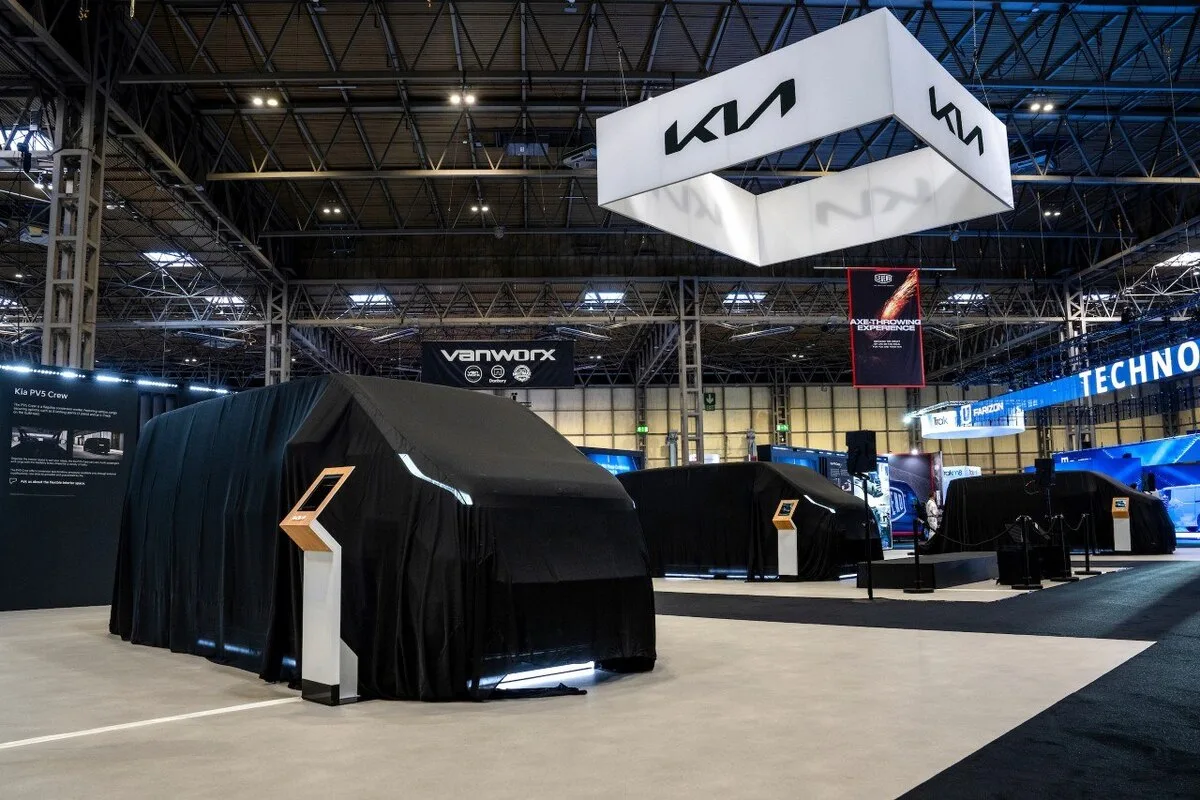
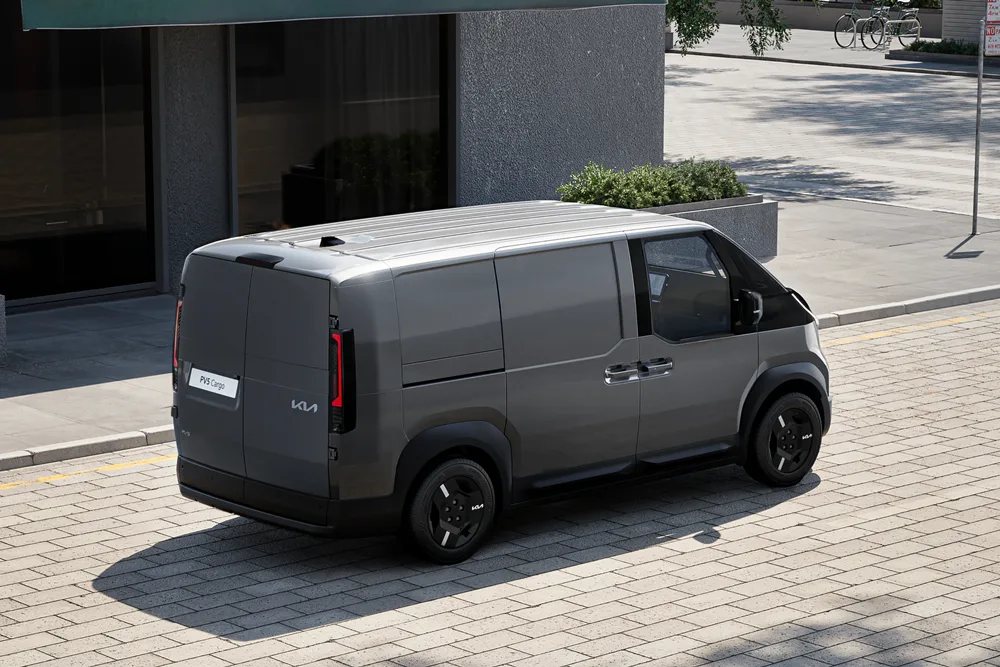

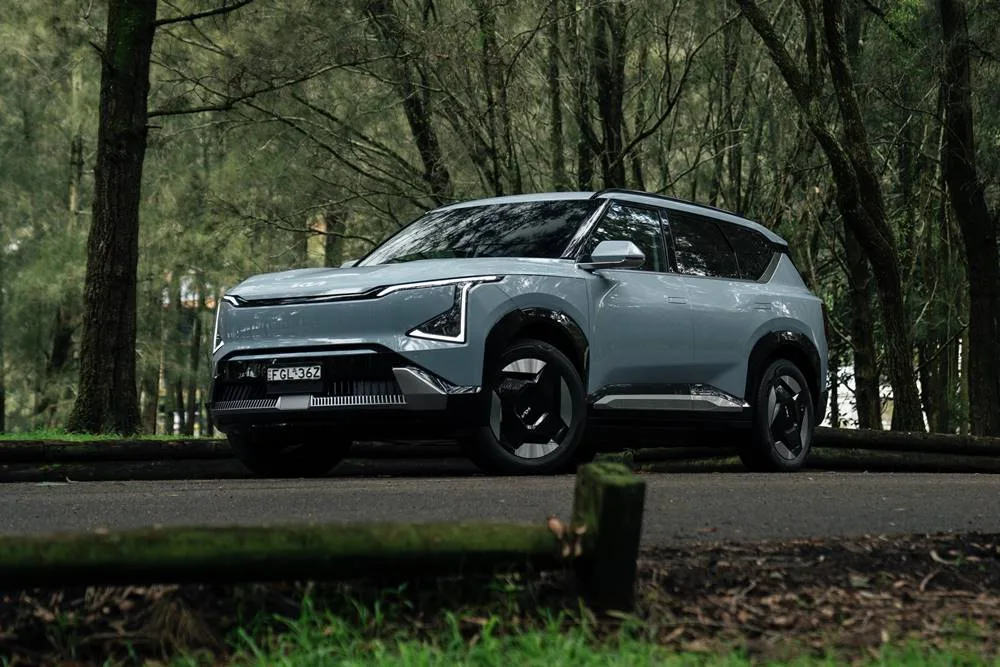
ABOVE: Kia PV5 under wraps at CV Show, PV5 Passenger in Cityscape Green, PV5 Cargo modular concept
Conversion Partners and the Chassis Cab
Perhaps more interesting than the size variations is the growing network of PBV Conversion Partners. These specialists can adapt the PV5 platform to suit specific operational needs, and Kia will be showing off converted models at the show.
The PV5 Chassis Cab, first unveiled at SOLUTRANS in France, brings something genuinely useful to the segment. Engineered from the ground up to accommodate specialist bodies, it’s designed for businesses that need more than a standard cargo box. Ambulances, mobile workshops, refrigerated units for the local fishmonger who hasn’t yet realised nobody eats seafood anymore: the possibilities are extensive.
Technology for Fleets
Kia’s stand will showcase charging and fleet management solutions alongside the vehicles. These systems provide oversight of vehicle use, charging behaviour, and associated costs. The insights support what Kia calls “smarter decision-making,” which is marketing speak for “knowing which driver keeps forgetting to plug in overnight.”
Fleet managers will appreciate the clarity. Electric vehicle adoption has stumbled partly because operators couldn’t easily track the transition costs or compare them meaningfully against their existing diesel fleets. Kia is betting that transparency will accelerate the shift.
The Broader PBV Strategy
The PV5 is merely the opening move. Kia plans to launch the larger PV7 in 2027, followed by the PV9 in 2029. The company is building a full commercial vehicle ecosystem rather than offering a single electric van and hoping for the best.
This matters because commercial fleets operate at scale. A business switching one van to electric might tolerate limitations. A business switching fifty wants confidence that the manufacturer will still be offering support, parts, and compatible technology in a decade. Kia’s seven-year, 100,000-mile warranty addresses some of that anxiety, but the roadmap addresses more.
Why This Matters for Australian Buyers
The PV5 is not yet available in Australia, but Kia’s commercial vehicle ambitions are global. The brand has been steadily expanding its Australian EV range, and the infrastructure for commercial electrification is developing alongside consumer adoption. When Kia does bring its PBV range to Australian shores, the technology and conversion partnerships established in the UK will translate directly.
Fleet operators watching the European commercial vehicle market should pay attention. The specifications being refined in Birmingham today will influence what arrives in Australian showrooms tomorrow.
The CV Show runs from 21 to 23 April at the NEC Birmingham. Kia’s stand is in Hall 5 at 5C95, where Business Experts will be available to discuss individual fleet needs and pretend they don’t hear the diesel industry quietly sobbing in the corner.
More Stories
- 2025 Kia EV5 GT-Line Review Australia: Brutal, Frisky, and Fun
- Kia EV9 Review: The Family Bus That Forgot How to Bore You
Help Support Gay Car Boys Subscribe to our Youtube Channel

Alan Zurvas is the founder and editor of Gay Car Boys, Australia's leading LGBTQI+ automotive publication. Before launching GCB in 2008, Alan's automotive writing was published in SameSame.com.au and the Star Observer. With over 16 years of hands-on car reviewing experience, Alan brings an honest, irreverent voice to every review — championing value and innovation over brand loyalty.
Leave a Reply