Australia’s new car market shrank in May, but anyone looking only at the headline number is missing the story. Let’s meander through the figures for a bit.
Total sales fell 4.8% to 100,206 vehicles, continuing a trend that has some established brands searching for explanations. The easiest explanation is to point at the economy, but is it simply a market that is changing beneath their feet.
The most surprising result in May wasn’t Toyota’s continued decline, nor Tesla’s record-breaking month. It was Mazda plummeted to 7th place.
Mazda has long been one of Australia’s strongest brands, regularly fighting for a place near the top of the sales charts. Yet in May it managed just 5,698 deliveries, down 27.4% compared with the same month last year. Year-to-date sales are down 16%.
Above: 2026 Leapmotor B10 – Possibly the best value EV ever, and at $42,000 is cheaper than ICE SUVs with the same space
#leapmotor #ElectricCars #ev #leapmotorB10

Help Support Gay Car Boys Subscribe to our Youtube Channel by SMASHING THE BUTTON ABOVE


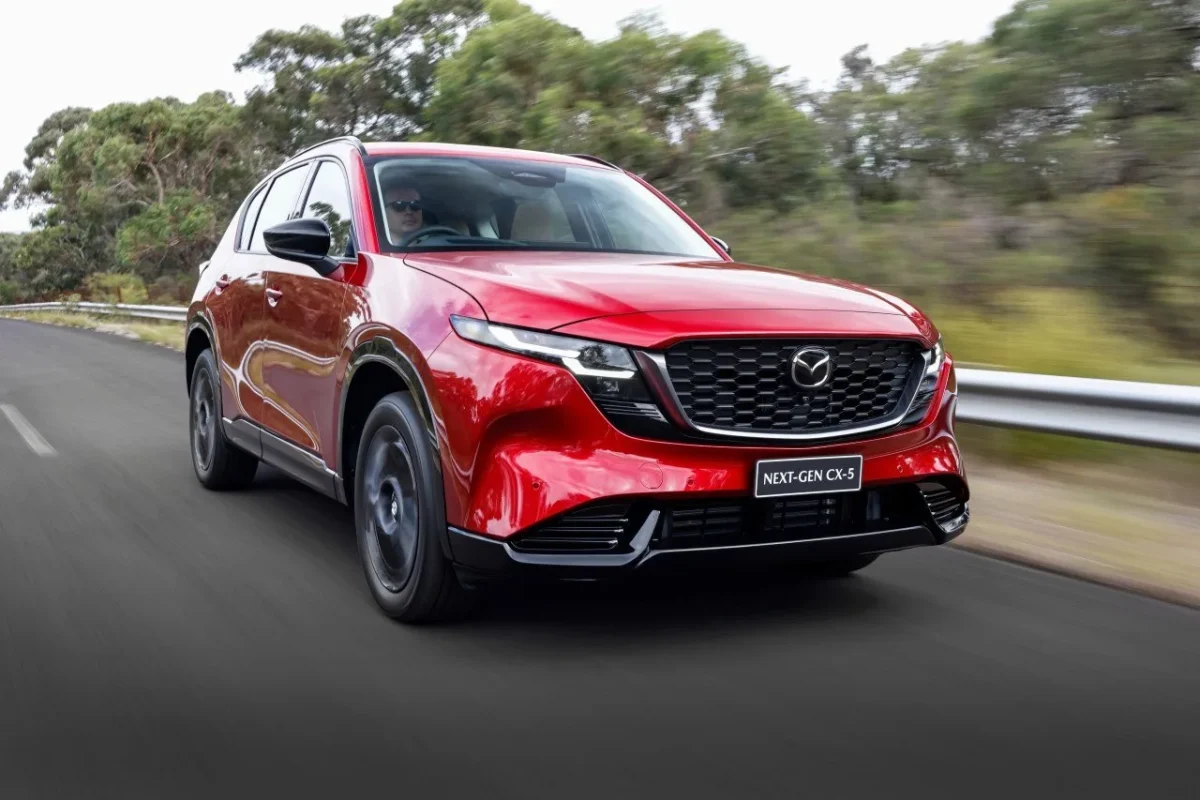
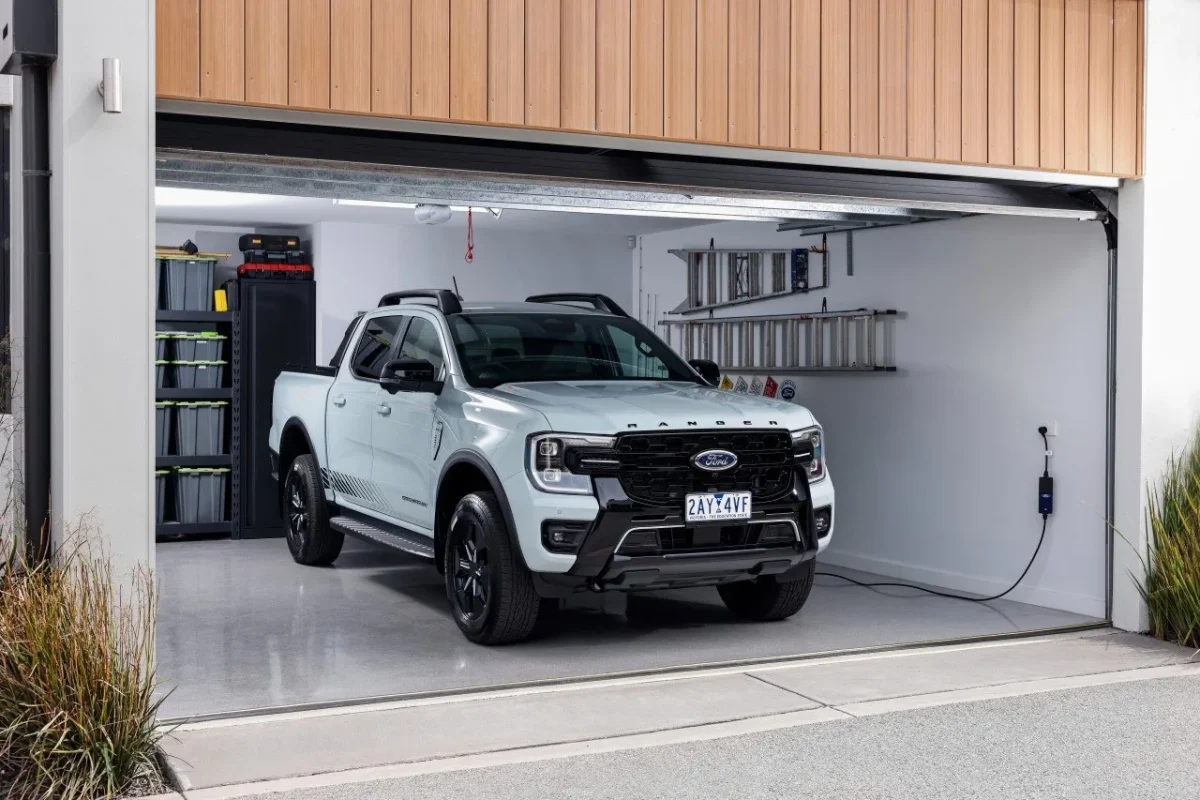


ABOVE: BYD, Mazda, Ford, Mitsubishi, Omoda Jaecoo, and Zeekr
That would be concerning at any time. Given the arrival of the new CX-5 is now within sight, will Mazda return to number 2? Or will it follow the conga line of Japanese OEMs (and VW) off the Top Ten forever?
For years the CX-5 has been Mazda’s fat golden goose. It was an easy sell to Australians who loved it already. Dealers love it for the same reason, but Mazda Australia has built an mountain out of a molehill, and therein lies the risk. Buyers didn’t have a whole the choice they have now. Worse still, Mazda has completely botched its ill-conceived move upmarket, weakening its position even further. We’ve heard the same words before, and Holden is no more. If it can happen to Holden, it most certainly can happen to Mazda.
But, any brand relying heavily on a single vehicle for survival is vulnerable. Mazda is the CX-5 company, Holden was the Commodore Car Company, Ford moved from being the Falcon Car Co. to the Ranger wrangler, but only by the skin of its teeth.
Ranger remains the powerhouse and continues to carry much of the blue oval’s Australian burden. Yet Ford’s overall sales still fell 15% in May despite Ranger’s strength. Ford, which along with Holden, held the majority of Australian sales in the past, is continuing a slow slide into ignomany.
Mitsubishi faces a similar challenge. Triton has been a strong performer in a brand of otherwise weak and aging models. The brand’s overall sales fell more than 30% in May and more than 26% year-to-date because buyers are switching to cheaper models, or models with drivetrains Mitsubishi doesn’t have. Japan has been caught short and despite constant warnings, glacial change is simply insufficient.
When a brand becomes dependent on one hero product, every delay, model change, supply issue or shift in consumer preference becomes a major threat.
Mazda is not in crisis, but it is facing an industrial and strategic crisis. While nobody is suggesting bankruptcy, the automaker is grappling with falling sales, swelling stock on hand, and a tough identity transition as it tries to push upmarket without the brand equity of luxury rivals. Outside Australia, Mazda is a non-event.
Interestingly, Japanese brands are all seeing the following sales trends:
Are Japanese sales falling – the global picture:
• China: yes — clear, sustained declines for most Japanese brands (Toyota is the exception to a degree)
• Europe: mostly yes — Honda, Mazda, Nissan down or stagnant; Toyota relatively stable thanks to hybrids
• United States: no broad decline — Toyota and Honda are stable/strong; Subaru strong; Mazda mixed (note: no Chinese brands there)
• Australia: mixed — Toyota strong but falling, others (especially Mazda/Nissan/Mitsubishi) softer or declining rapidly in recent months
The exception to the rule may be Tesla.
Over the past year Tesla appeared to be losing momentum. Competition intensified, Chinese brands arrived in force, and the company’s Australian sales performance looked increasingly fragile.
Yet May delivered a reminder that writing off Tesla, despite its FSD subscription announcement, was premature.
The company posted its strongest Australian month on record, driven largely by Model Y. The result was enough to make the Chinese-made Model Y the country’s best-selling vehicle outright, regardless of fuel type, body style or origin. In fact, all Teslas sold in Australia come from China.
Tesla’s recovery does not mean the company’s long-term challenges have disappeared. It does show that consumer demand remains stronger than many critics suggested.
Here is something to consider as we frame the argument further:
• Tesla disrupted the premium EV path first and made EVs cool
• Chinese brands are now doing it at scale, price, and pace
• That combination is taking the incremental growth away from legacy Japanese mainstream brands
May reinforced a trend that is becoming impossible for commentators to ignore.
Battery-electric vehicles accounted for a record 20% of all vehicle sales. Add hybrids and plug-in hybrids and electrified vehicles represented 46% of the market. Nearly one in every two new vehicles sold in Australia now has some form of electrification.
At the same time, petrol sales fell more than 30% while diesel dropped 26.2%. EV sales rose 146.8% and plug-in hybrids jumped more than 200%. That does not look like a market returning to old habits, despite the comments of some.
Which brings us to BYD.
The Chinese giant recorded 8,211 sales in May, up almost 155% on last year. It now sits second overall behind Toyota and ahead of Ford, Hyundai and Kia.
The yearly figures will get a bump from another BYD-branded vessel carrying almost 5,000 BYD new-energy vehicles which recently arrived in Australia. Those vehicles include EVs, plug-in hybrids and hybrids that will flow into coming months’ registration figures.
That makes recent commentary suggesting EV sales are simply “returning to pre-war levels” feel increasingly disconnected from reality.
The phrase has become a convenient talking point among sections of the industry that appear uncomfortable with what is happening. The implication is that the EV boom was temporary and that buyers are returning to conventional vehicles.
May’s data and its trends say otherwise. Consumers are not abandoning electrification, they’re embracing it.
Trump’s insane middle east war caused a fuel shock through the auto and air travel industries. In response, buyers switched to battery-electric, plug-in hybrid, Mild Hybrid, or conventional hybrid drivetrains. The technology mix is evolving, but the direction of travel remains unmistakable.
The biggest winners in 2026 are not necessarily EV brands. They are brands offering buyers multiple pathways away from traditional petrol and diesel power. More importantly, the models offering the best bang for buck increased most, tesla notwithstanding.
That helps explain the explosive growth being recorded by BYD, Geely, Omoda Jaecoo, Zeekr and other Chinese manufacturers who are simply offering better value. It also explains why traditional leaders continue to lose ground despite decades of market dominance.
Australia’s car market is not reverting to the past, it is fragmenting, electrifying and becoming more competitive than at any point in recent memory.
For brands betting everything on a single hero model, that should be a warning.
For everyone else, it is already the new reality.
More Car News Stories
Help Support Gay Car Boys Subscribe to our Youtube Channel

Leave a Reply