The legendary 3 Series goes fully electric, and BMW isn’t being shy about it.
Well, darlings, it’s finally happened. After decades of watching Munich nervously clutch its petrol cans while the rest of the world went electric, BMW has unveiled the i3 — and no, not the quirky city car from 2013 that looked like it was designed by committee after a particularly confusing focus group. This is the real i3. The fully electric 3 Series. The one that actually matters.
Revealed today in Munich with all the fanfare you’d expect from a German premium manufacturer announcing the electrification of its most important nameplate, the BMW i3 represents the second model in BMW’s Neue Klasse platform — following the iX3 SUV — and the first sedan. It’s also, rather critically, the model that will prove whether BMW’s electric future can carry the weight of its petrol-powered past.
The Numbers That Matter
Let’s address the elephant in the room: range anxiety. BMW claims up to 900 kilometres on the WLTP cycle, which is rather impressive even if we all know real-world figures will be somewhat less enthusiastic. For context, that’s roughly Brisbane to Sydney with enough left over to find a decent coffee in Surry Hills before plugging in. The psychological barrier of the long-distance EV has, at least on paper, been well and truly smashed. Judging from experience we can expect more like 600-700km.
The launch variant, the i3 50 xDrive, features dual motors producing a combined 345kW and 645Nm of torque. Those are provisional figures, mind you — BMW’s lawyers have been busy with the asterisks — but they suggest a car that won’t embarrass itself at the traffic lights. For those keeping score at home, that’s more power than any petrol 3 Series has ever offered straight from the factory.
What’s genuinely exciting is the charging capability. BMW’s sixth-generation eDrive technology brings 800-volt architecture, enabling DC charging at up to 400kW. In practical terms, that means 400 kilometres of range in 10 minutes of charging. Ten minutes! That’s barely enough time to judge the other people at the service station for their vehicle choices, let alone queue for a disappointing servo pie.
The 800-volt system also enables bidirectional charging — Vehicle-to-Load, Vehicle-to-Home, and Vehicle-to-Grid capabilities. BMW is being coy about exactly when and how these features will work in Australia, but the hardware is there. Your i3 could theoretically power your house during a blackout, though whether the practical reality matches the marketing promise remains to be seen.
A New Design Language
The i3 represents what BMW is calling its “2.5-box” design — a phrase that means precisely nothing until you see the car. In practice, it’s a modern interpretation of a sporty sedan: long wheelbase, short overhangs, greenhouse sloping toward the rear. The proportions are unmistakably BMW, even if the details have evolved significantly.
The familiar kidney grille has, mercifully, not grown to the monstrous proportions we’ve seen on some recent BMW offerings. Instead, it’s evolved into an integrated light signature that merges with the twin headlights, creating what BMW describes as a “powerful and expressive unit.” The four-eyed face remains — this is still recognisably a BMW — but it’s been reimagined for an electric era where the traditional grille serves no cooling function. Whether you find it attractive will depend largely on how you feel about BMW’s recent design direction, which has been… divisive, shall we say.
The rear features prominently horizontal tail lights — a departure from the vertical elements we’ve seen on recent BMWs — and the flared wheel arches emphasise what BMW calls a “sporty, wide stance.” It’s aggressive without being cartoonish, which is more than can be said for some of Munich’s recent efforts.
Above: Lexus GX550 Review
#LexusGX550, #V6TwinTurbo, #LuxurySUV, #VFACTS, #CarReview

Help Support Gay Car Boys Subscribe to our Youtube Channel by SMASHING THE BUTTON ABOVE


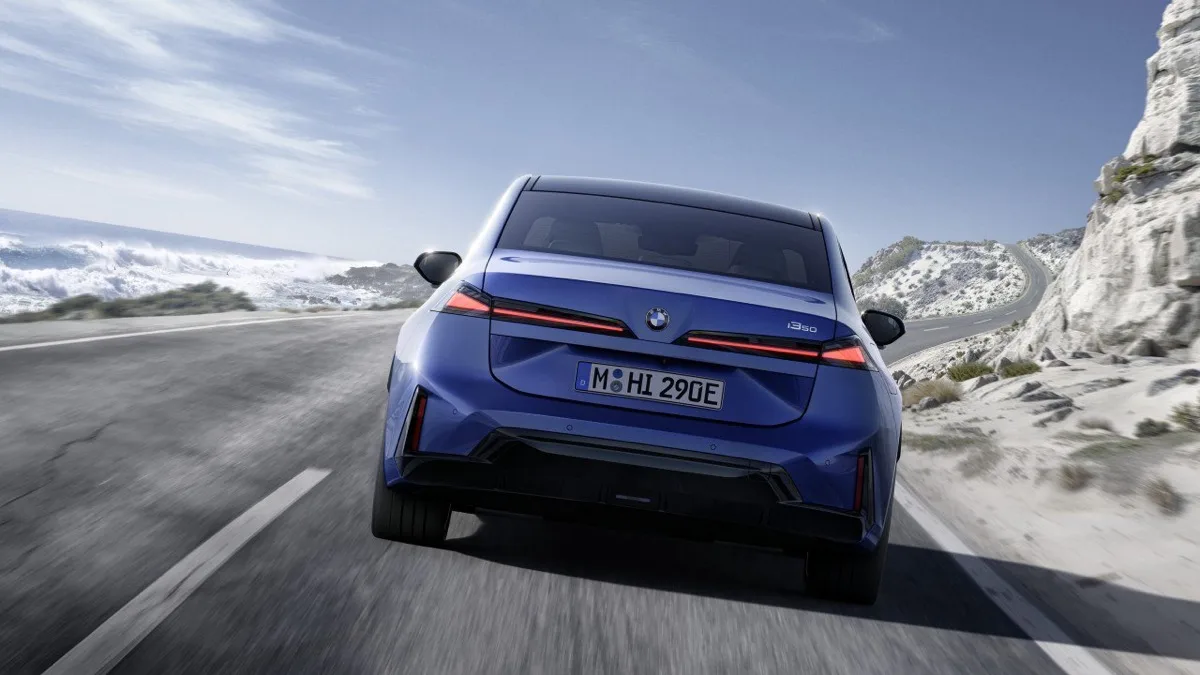


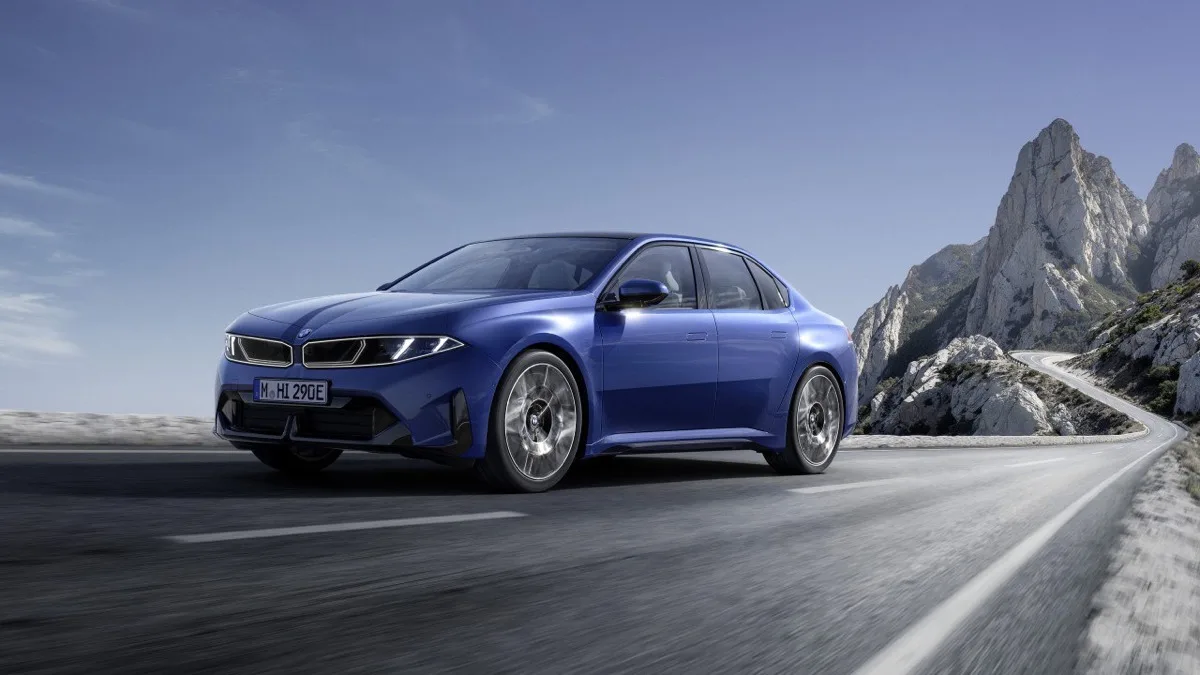
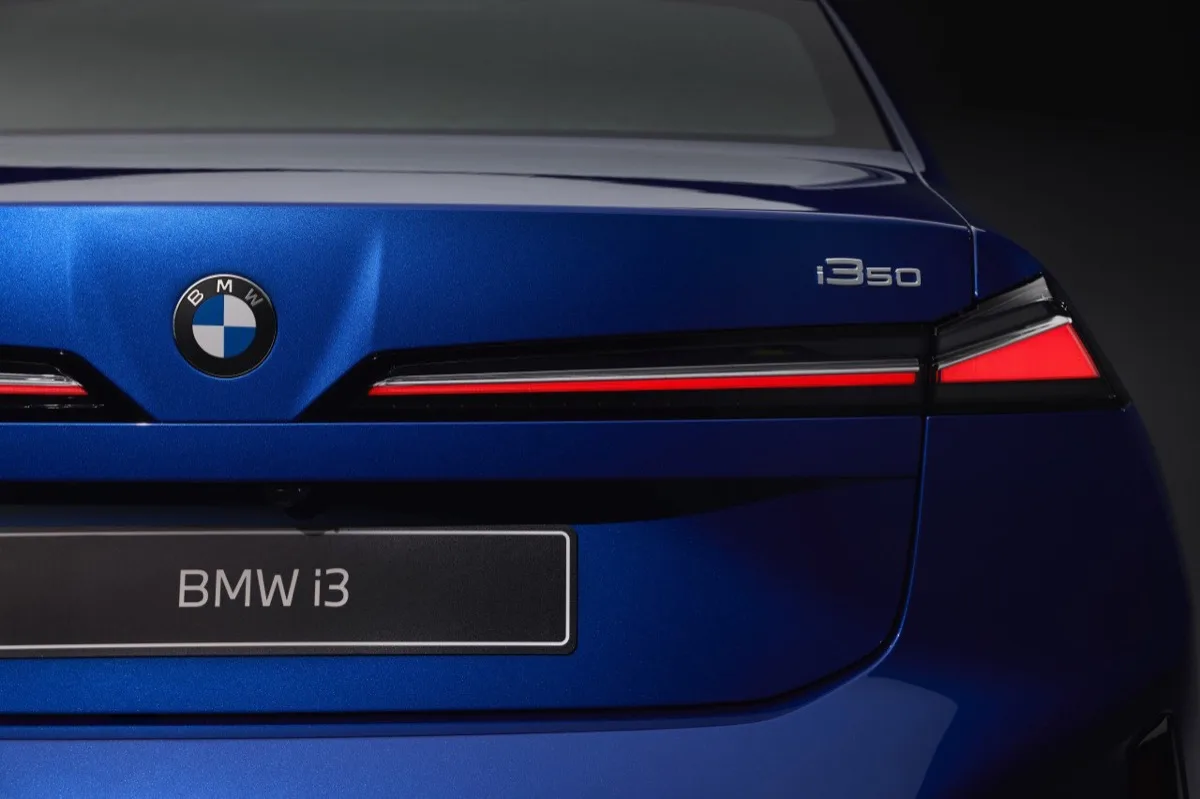
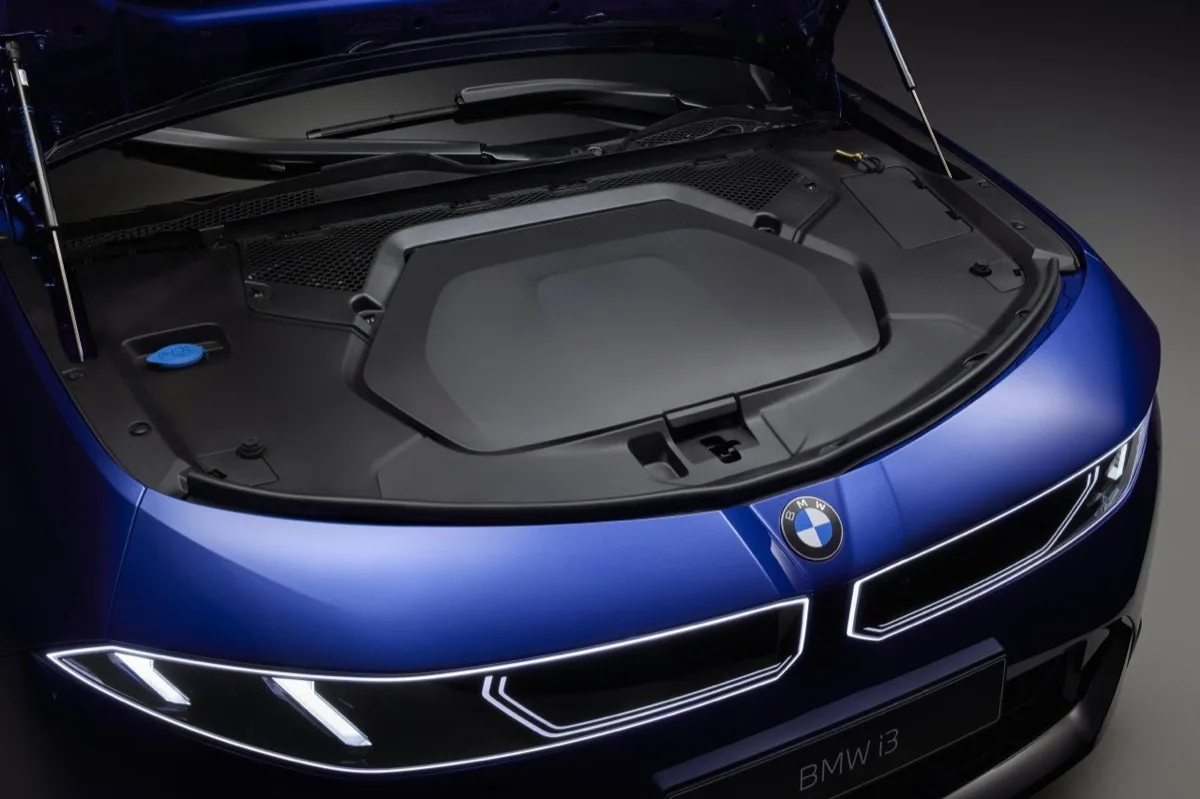

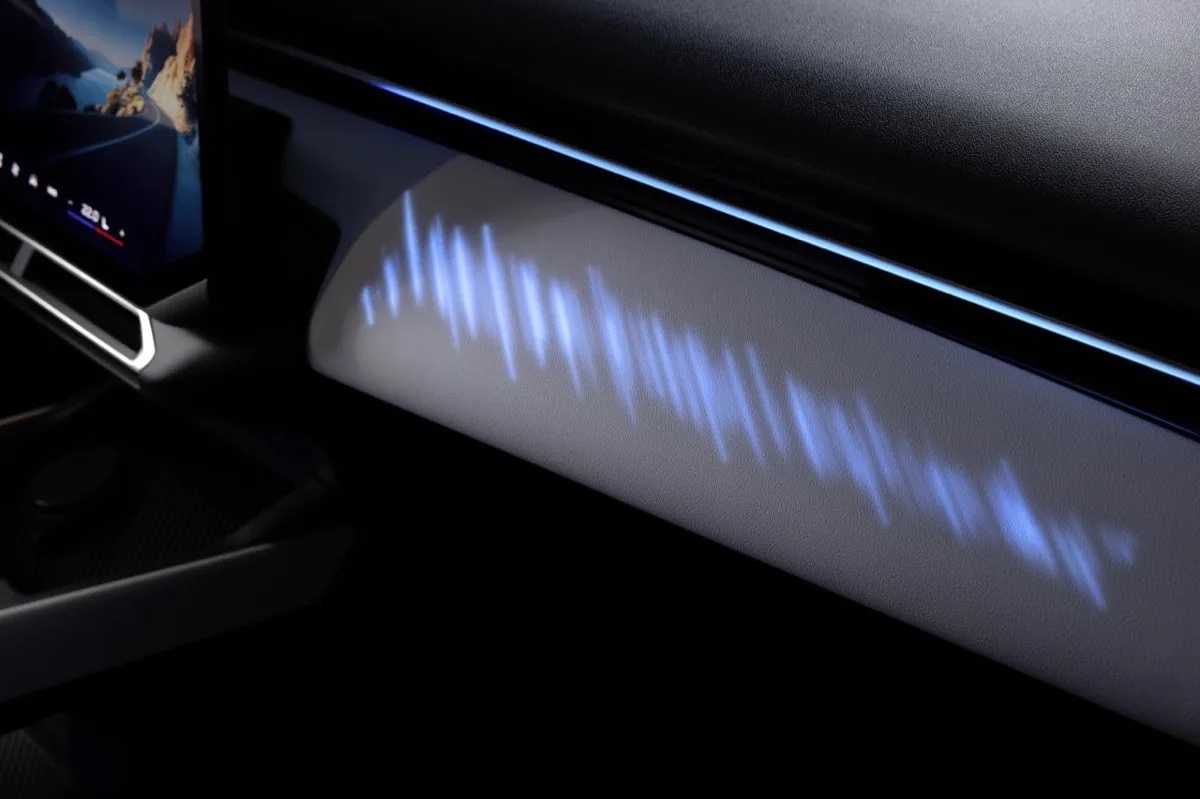

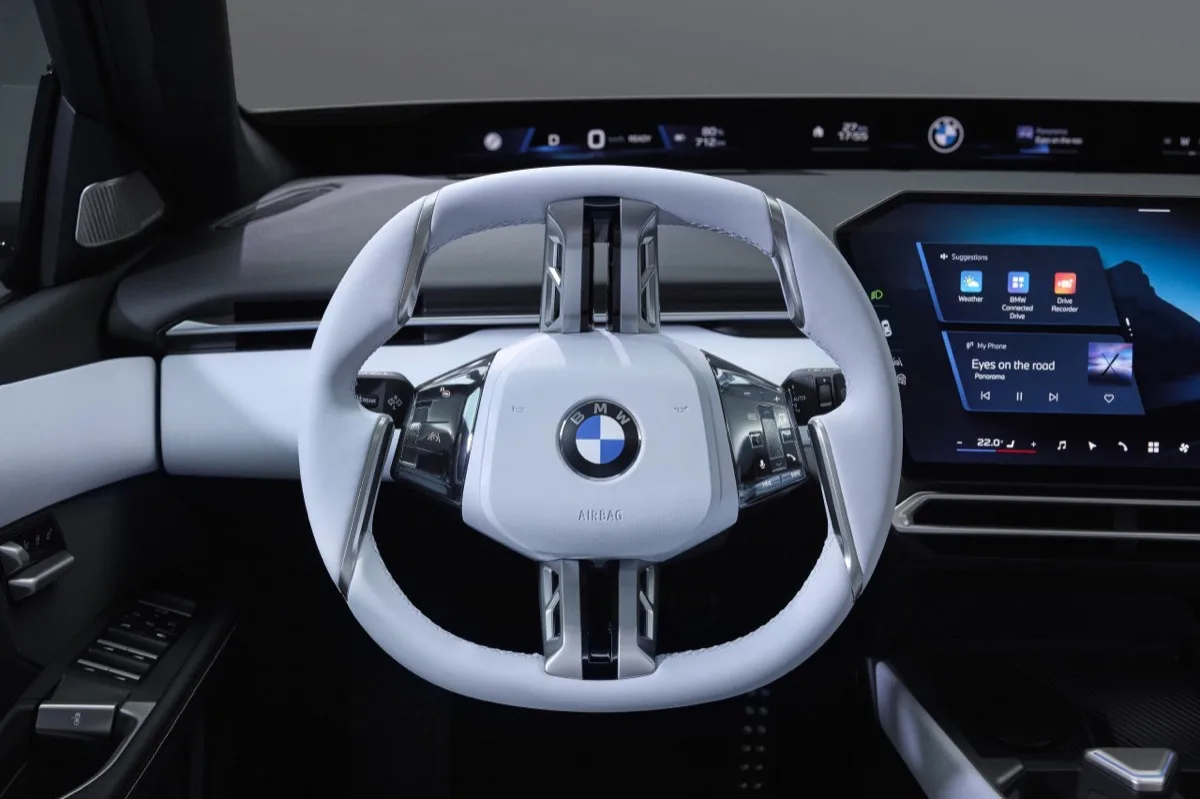


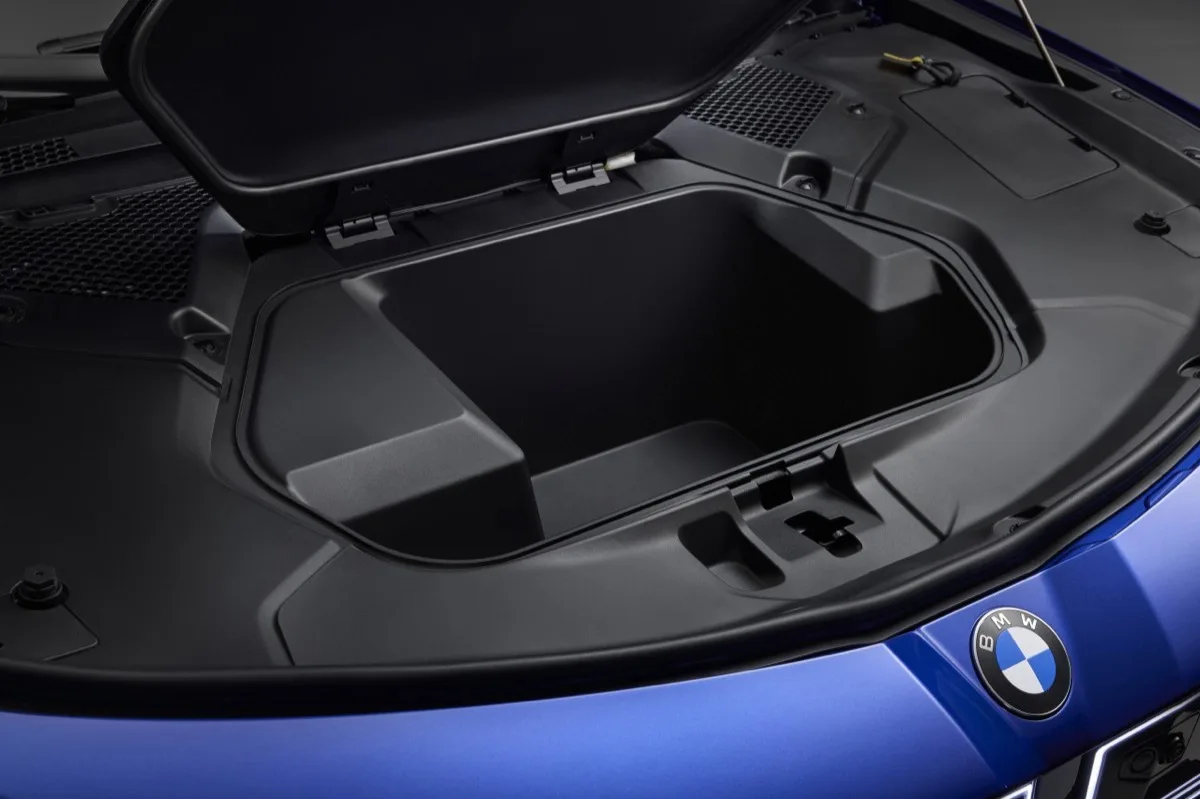
ABOVE: BMW’s First Electric 3 Series
Inside the Neue Klasse
Inside, the new Panoramic iDrive system takes centre stage, because of course it does. BMW has been banging on about driver orientation for decades, and the i3 continues that tradition while adding the technological complexity we’ve come to expect from modern premium vehicles. The dashboard is dominated by a sweeping display that stretches across the cabin, though BMW insists it maintains the driver focus that has always defined the brand.
The “Heart of Joy” high-performance computer — yes, that’s really what they’re calling it, and no, I don’t know who in Munich approved that name — promises responses ten times faster than previous systems. Together with three other “superbrain” high-performance computers (again, their terminology, not mine), it forms the centrepiece of a completely new software and electronics architecture.
BMW Symbiotic Drive, the assisted driving system, is also making its debut. The promise is a new era of semi-autonomous capability, though we’ll reserve judgement until we’ve experienced it on Australian roads, where the lane markings range from “suggestions” to “completely imaginary.”
The interior benefits from the floor-mounted battery’s flat design, which BMW claims maximises cabin space. Without a transmission tunnel or engine bay to work around, there’s apparently more room for actual humans than ever before. Novel concept, that.
Australian Arrival and the Bigger Picture
For those of us in the Antipodes, the i3 will arrive in early 2027, with pricing and specifications to be announced closer to launch. Given the iX3’s “highly competitive price position” announcement earlier this month, one hopes BMW has received the memo that Australians are getting somewhat tired of paying European luxury premiums in an increasingly competitive EV market. Chinese manufacturers are offering genuine quality at prices that make traditional Germans look rather greedy.
The i3 will be manufactured at BMW’s Munich plant, which has undergone significant transformation over the past four years. From August 2026, the facility will produce exclusively electric vehicles — a rather significant statement from a manufacturer whose identity has been so thoroughly entwined with internal combustion. By 2027, plant Munich will be all-electric, all the time.
Whether the i3 can capture the magic of its petrol-powered predecessors remains the question. The 3 Series has always been BMW’s volume play — the car that young executives aspired to, that driving enthusiasts defended against all comers, that defined “ultimate driving machine” for a generation. It was the car that made BMW what it is today.
Translating that legacy to electric propulsion is no small task. The instant torque of electric motors is inherently satisfying, but replicating the engagement, the connection, the feel of a great petrol 3 Series? That requires something more than impressive specifications.
But 900 kilometres of range is a compelling argument. And if BMW has managed to preserve even a fraction of the 3 Series’ driving character while delivering those numbers? Well, that might just be worth getting excited about.
The electric future has officially arrived at the heart of BMW’s lineup. Whether it can live up to the name on the boot will determine the next chapter of this Munich institution.
Help Support Gay Car Boys Subscribe to our Youtube Channel

Alan Zurvas is the founder and editor of Gay Car Boys, Australia's leading LGBTQI+ automotive publication. Before launching GCB in 2008, Alan's automotive writing was published in SameSame.com.au and the Star Observer. With over 16 years of hands-on car reviewing experience, Alan brings an honest, irreverent voice to every review — championing value and innovation over brand loyalty.
Leave a Reply