BMW is finally ready to show us what happens when the 3 Series stops huffing fossils and starts humming. The Neue Klasse is more than just a marketing department’s fever dream; it is a fundamental shift in how the Bavarians build cars. We have seen the concepts, but the rubber is currently hitting the frozen lakes of Sweden as the all-electric BMW i3 undergoes final winter testing before its March 18 premiere.
The German establishment has spent decades perfecting the art of the combustion engine, only to have the life scared out of them by the hyper-fast development of Chinese brands. While legacy makers were busy arguing over exhaust notes, names like BYD, Zeekr, and Xiaomi were busy building a future they already own. This i3 is not just another model; it is an existential fight for survival against a rapid march of new nameplates that have turned the European market into a bloodbath.
This is a ground-up reimagining built on a fresh architecture featuring sixth-generation eDrive tech. The headline figures are 800-volt hardware, 400 kW peak charging, and a dual-motor xDrive setup punching out 345 kW and 645 Nm of torque. That 800-volt system is the real battleground. It is the same high-voltage wizardry found in the Porsche Taycan, the Hyundai Ioniq 6, and the updated Polestar 3. Even the Chinese upstarts are pushing into 900V territory with the Xiaomi SU7 and NIO’s latest flagship, leaving 400V cars looking like tech from a bygone era.
The secret sauce is something BMW calls the Heart of Joy. It is a centralised control unit that integrates the powertrain, braking, and steering into one super-brain. BMW claims it reacts ten times faster than previous systems, which should translate to the kind of precise handling we actually care about. In the sub-zero conditions of Arjeplog, engineers are refining the traction and stability to ensure it does not feel like a heavy battery on wheels.
The design philosophy sticks to the 3 Series DNA but pushes the boundaries of what an EV can be. There is a sleek, aerodynamic silhouette that avoids the blob-like proportions of some rival electric sedans. The Gen6 batteries and 800-volt architecture mean you will not be tethered to a charger for long, assuming you can find a station capable of feeding it that 400 kW firehose.
Driving dynamics remain the priority. The i3 50 xDrive aims to deliver that light-footed agility that made the badge famous. Even the Soft-Stop function has been tuned to remove the jerky regenerative braking sensations that plague lesser EVs. BMW wants this to be the smoothest-stopping car in the model’s fifty-year history.

Help Support Gay Car Boys Subscribe to our Youtube Channel
Above: This Week’s VIDEO Review –2026 Lexus NX 450h+ Review: The Regal Palace with a Weight Problem
#LexusNX450h, #LexusReview, #PHEV, #LuxurySUV, #GayCarBoys


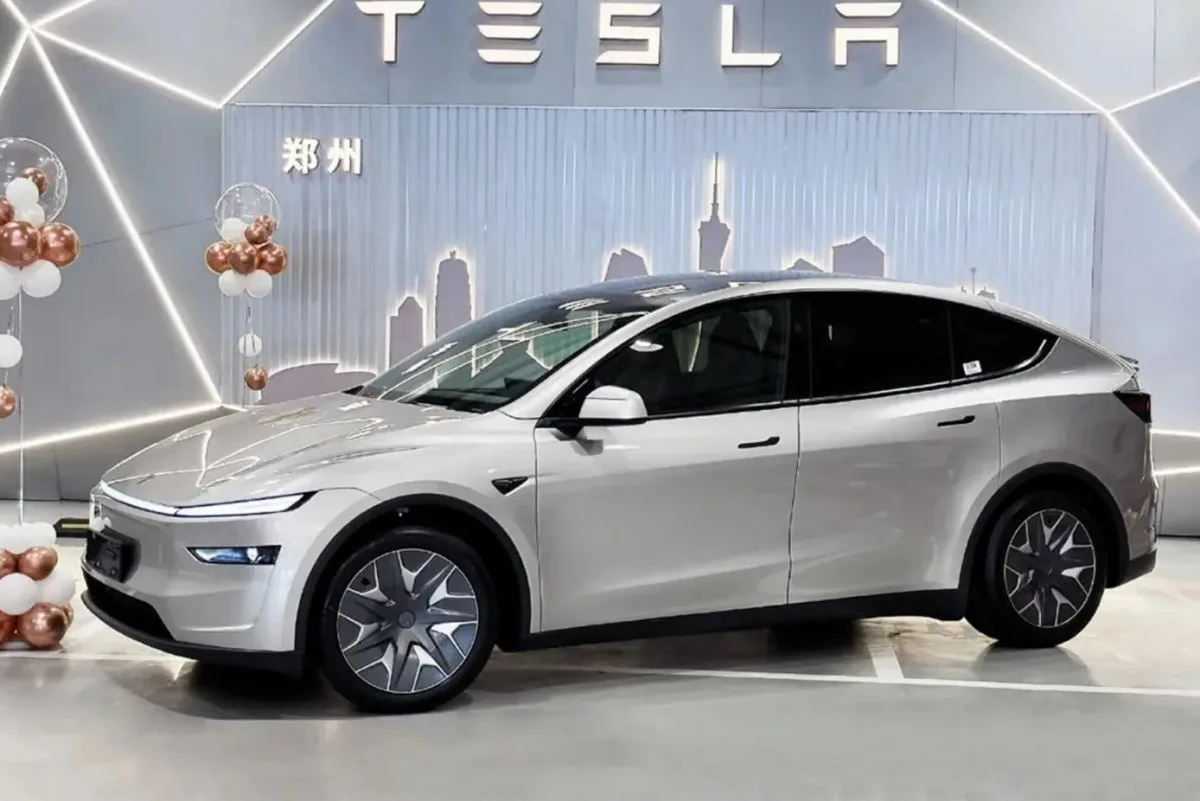
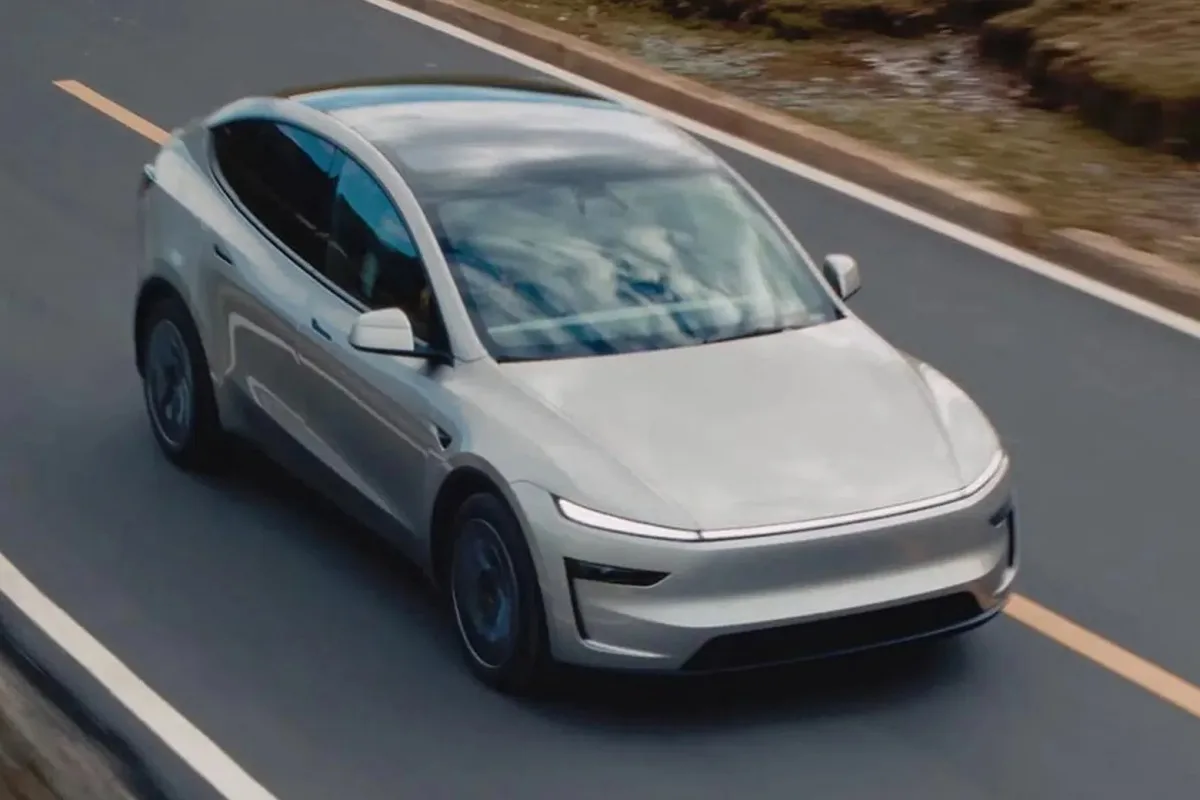
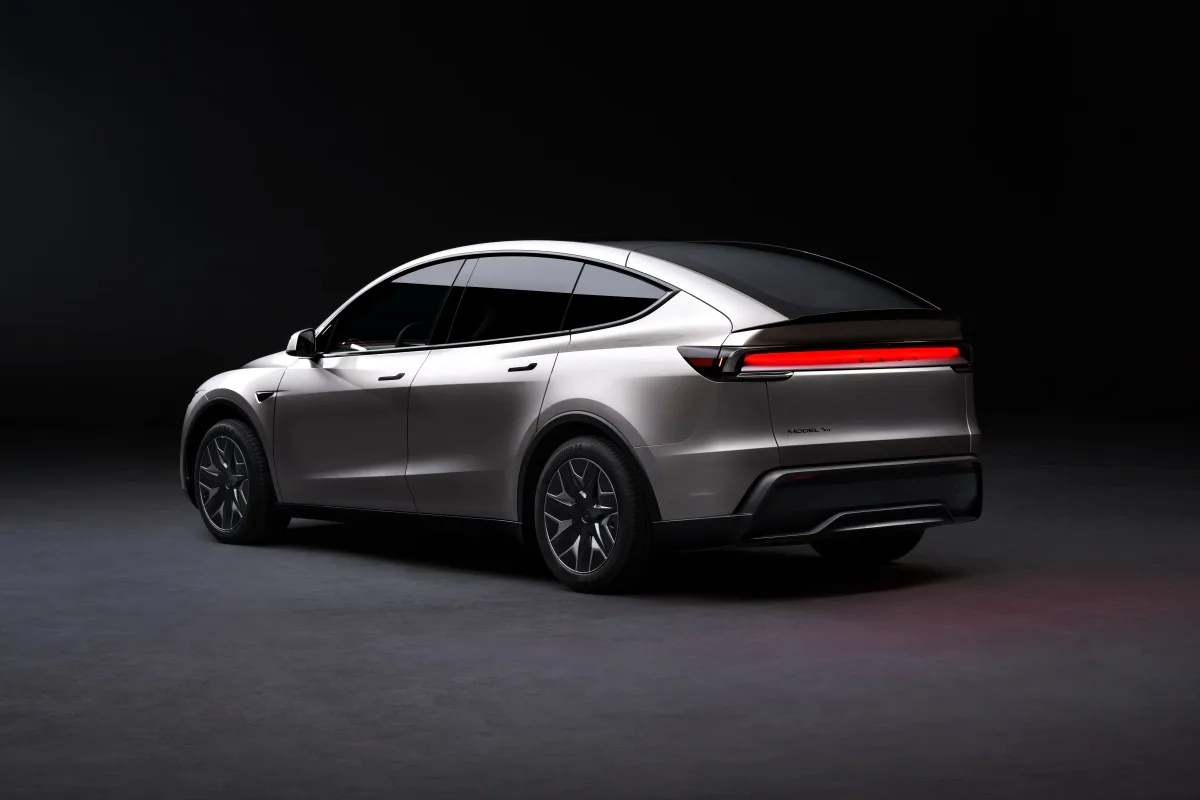
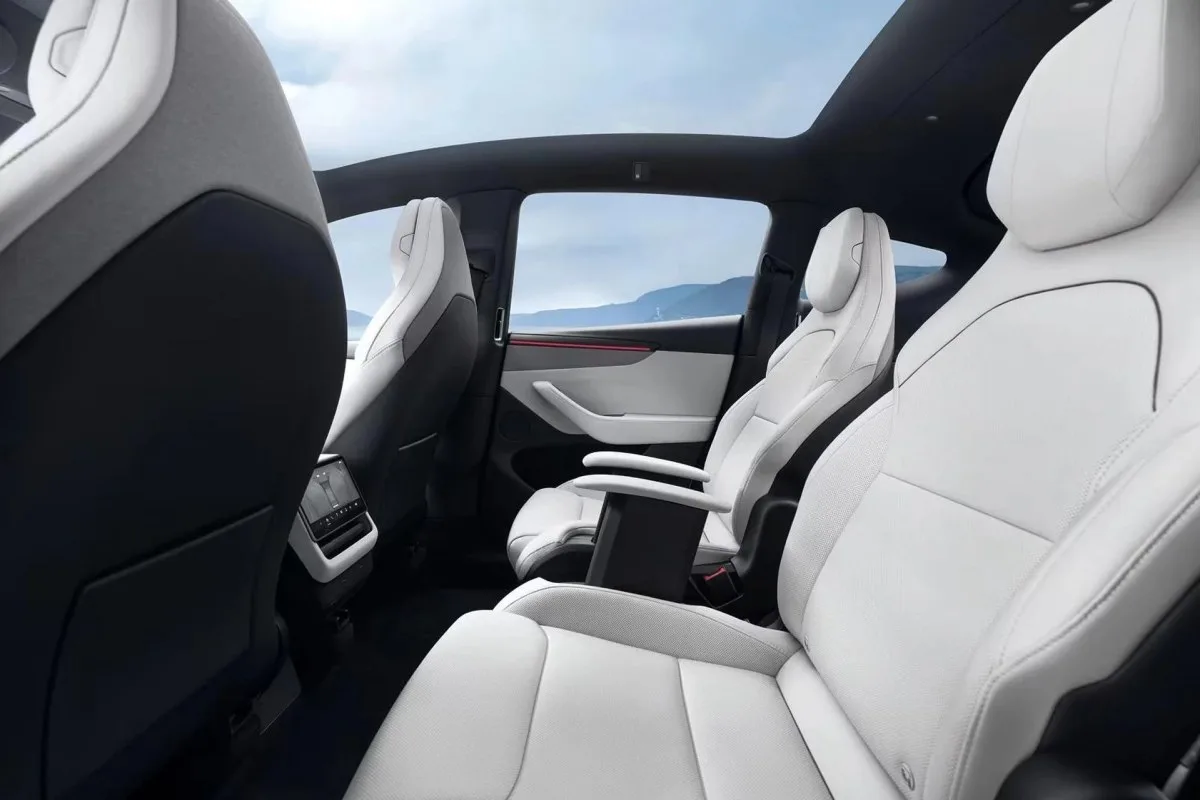
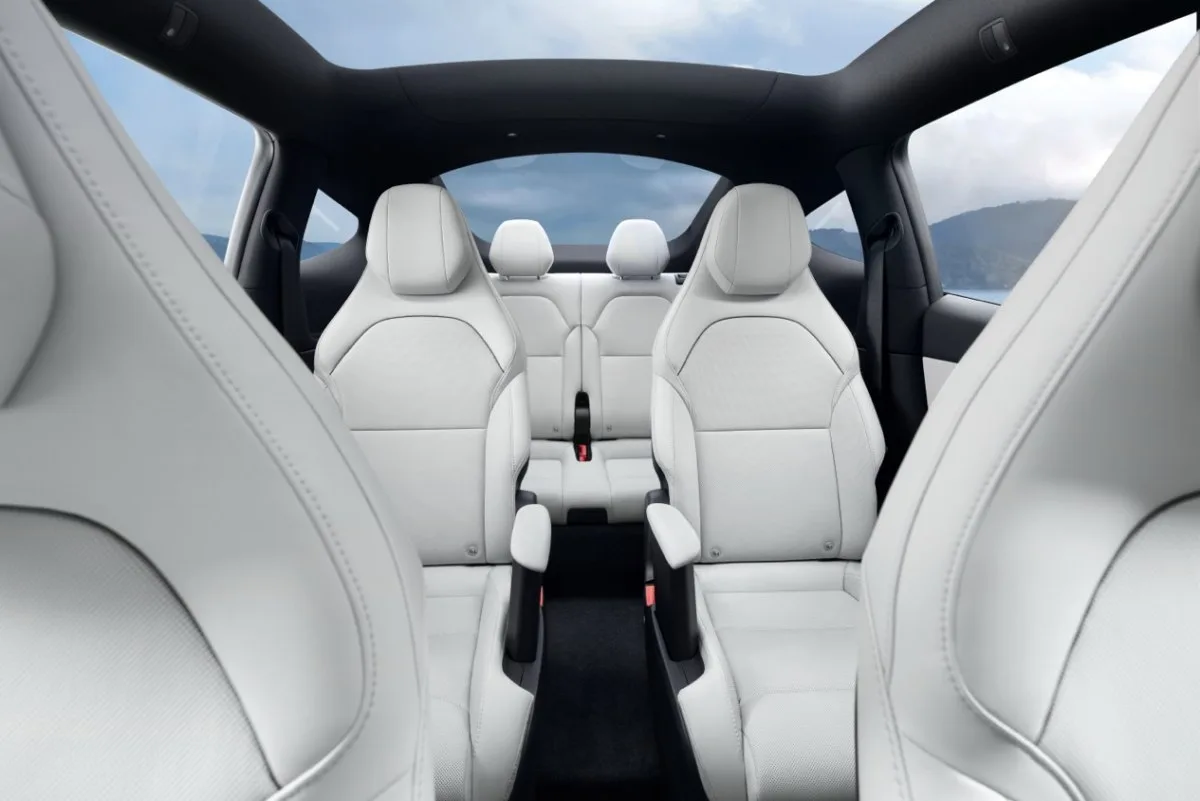
ABOVE: Tesla Model Y L for Australia and New Zealand
Production kicks off in the second half of 2026. While the purists might mourn the straight-six, the reality of 469 horsepower and instant torque is hard to ignore. If the Heart of Joy delivers on its promise of superior chassis control, the Neue Klasse might actually live up to the hype. It is a high-stakes gamble for the brand, but on paper, the i3 looks like the most capable electric sedan to ever wear the roundel.
BMW has been testing this thing in the Swedish Arctic for a reason. Low-friction surfaces like ice and snow are the ultimate lie detectors for traction control software. By moving the processing for the motors, brakes, and steering into a single high-performance computer, BMW is trying to eliminate the lag between the driver’s brain and the car’s contact patches. In a traditional car, these systems often argue with each other through separate control units. Here, the Heart of Joy acts as a singular dictator, making decisions 10 milliseconds faster than the blink of an eye.
The move to an 800-volt system is the other pillar of this transformation. Most current EVs struggle once they hit 10 or 20 per cent battery, but BMW’s Gen6 tech aims for sustained performance and rapid recovery. Adding 370 km of range in just 10 minutes is the kind of stat that makes an EV viable for the average Australian driver who actually wants to leave the city occasionally.
Inside, the i3 will debut the Panoramic iDrive system. Forget the cluttered screens; this setup projects vital info across the entire width of the windscreen base. It is a clean-sheet approach that matches the retro-futuristic exterior, which swaps the oversized grilles of recent years for horizontal, illuminated “kidneys” that hark back to the 1970s.
Critics will argue that an electric 3 Series is the end of an era. In reality, it is a survival play. As Chinese brands start eating the lunch of European luxury makers, BMW has to prove it can still out-engineer everyone. The i3 is a declaration that the “Ultimate Driving Machine” tag still applies even when there is no fuel tank in sight.
The transition to the Neue Klasse platform also means better packaging. Without a transmission tunnel or exhaust system to worry about, the i3 offers more interior room despite its compact footprint. It is the first “flat-floor” sedan from BMW, which fundamentally changes the weight distribution. Low centre of gravity is great for brochures, but it is the active torque vectoring that will determine if this thing handles like a proper 3 Series or just a heavy laptop.
We will see the final design on March 18. If the production car looks anything like the sharp, minimalist Vision concept, BMW might have a winner. It is a bold departure from the over-styled G20, leaning into a look that is both simpler and more aggressive.
As we wait for the full global reveal, the pressure is on Munich. They have spent billions on this architecture, and the i3 is the model that has to carry the weight of the brand’s reputation. Whether it is a digital masterpiece or a soulless appliance remains to be seen, but the tech specs suggest BMW is not going down without a fight.
BMW engineers are touting this as a technological quantum leap. By consolidating the control units into four “superbrains,” they have allegedly cut 600 metres of cabling and slashed weight by 30% in the wiring harness. This is the kind of nerdy efficiency that actually matters when you are trying to make a two-tonne sedan feel agile. The “Heart of Joy” is the primary unit that ensures the 98% of braking done via regeneration feels natural and consistent, rather than the “on-off” switch feel found in some competitors.
For the Australian market, the 800km range potential is the real kicker. While the iX3 SUV set the baseline, the more aerodynamic sedan body should squeeze even more kilometres out of that 108.7kWh battery. If BMW can actually deliver a real-world 700km+ range in local conditions, the “range anxiety” argument for the 3 Series buyer essentially evaporates.
The 400 kW charging capability is an impressive benchmark for BMW. While it effectively doubles the charging speed of many current premium EVs, turning a coffee break into a full recharge, there are several noteable mentions such as Volvo’s ES90 and MG’s IM5 and IM6. This is the hardware that will determine if the Neue Klasse is a legitimate competitor to the next generation of high-end electric vehicles or just another expensive experiment.
Ultimately, the i3 has to do more than just be a good electric car; it has to be a good 3 Series. That means the steering has to be communicative, the chassis balanced, and the “joy” part of the equation has to survive the transition to electrons. We’ll know more once the camo comes off in mid-March, but for now, the Arctic testing phase suggests BMW is taking the “driving machine” part of their heritage very seriously.
Other GayCarBoys BMW Stories
- 2020 BMW M4 Competition Convertible: Sydney Mardi Gras
- BMW X2 M35i xDrive uber hatch review
- BMW X4 30i XDrive 2019 Review and rating
- BMW i8 Roadster launch
- BMW Video Review – X3 30i. Please hit LIKE
- BMW X3 30i X-line VIEDO REVIEW
- 2018 BMW M140i performance manual Video Review
- All-New BMW M3 and M4 Early 2021
Help Support Gay Car Boys Subscribe to our Youtube Channel

Alan Zurvas is the founder and editor of Gay Car Boys, Australia's leading LGBTQI+ automotive publication. Before launching GCB in 2008, Alan's automotive writing was published in SameSame.com.au and the Star Observer. With over 16 years of hands-on car reviewing experience, Alan brings an honest, irreverent voice to every review — championing value and innovation over brand loyalty.
Leave a Reply