BMW has gone shopping in Croatia, and frankly who could blame her darling, the food is gorgeous. But it isn’t those tasty tidbits the big German has gone after. Instead, they’ve popped in to see local carmaker. Rimac Technology has become the sort of name that still legacy manufacturers code brown moments, smooth down the tie, and pretend they were always deeply interested in batteries rather than merely terrified of being left behind. Indeed, it is only the latter.
The latest arrangement sees BMW Group and Rimac Technology cooperating on a new high-voltage battery for the all-electric i7, using BMW’s Gen6 eDrive technology and Rimac’s battery expertise to squeeze out more range, faster charging, and a bit more technical swagger for the bloated Bavarian barge. This gets its big Auto China 2026 moment, because no battery announcement is complete unless the world’s biggest car market is watching.
BMW says the new pack uses its 4695 cylindrical lithium-ion cell, with 20% higher volumetric energy density than the prismatic Gen5 cells. The translation for normal people is simple enough: more energy, more range, and shorter charging stops, all of which matter rather more in a giant electric limousine than another lecture about software-defined mobility from a man in expensive spectacles.
Above: Geely Starray and Which Driveline Is Best for You
#GeelyStarray #PHEVReview #GayCarBoys #CarNews

Help Support Gay Car Boys Subscribe to our Youtube Channel by SMASHING THE BUTTON ABOVE


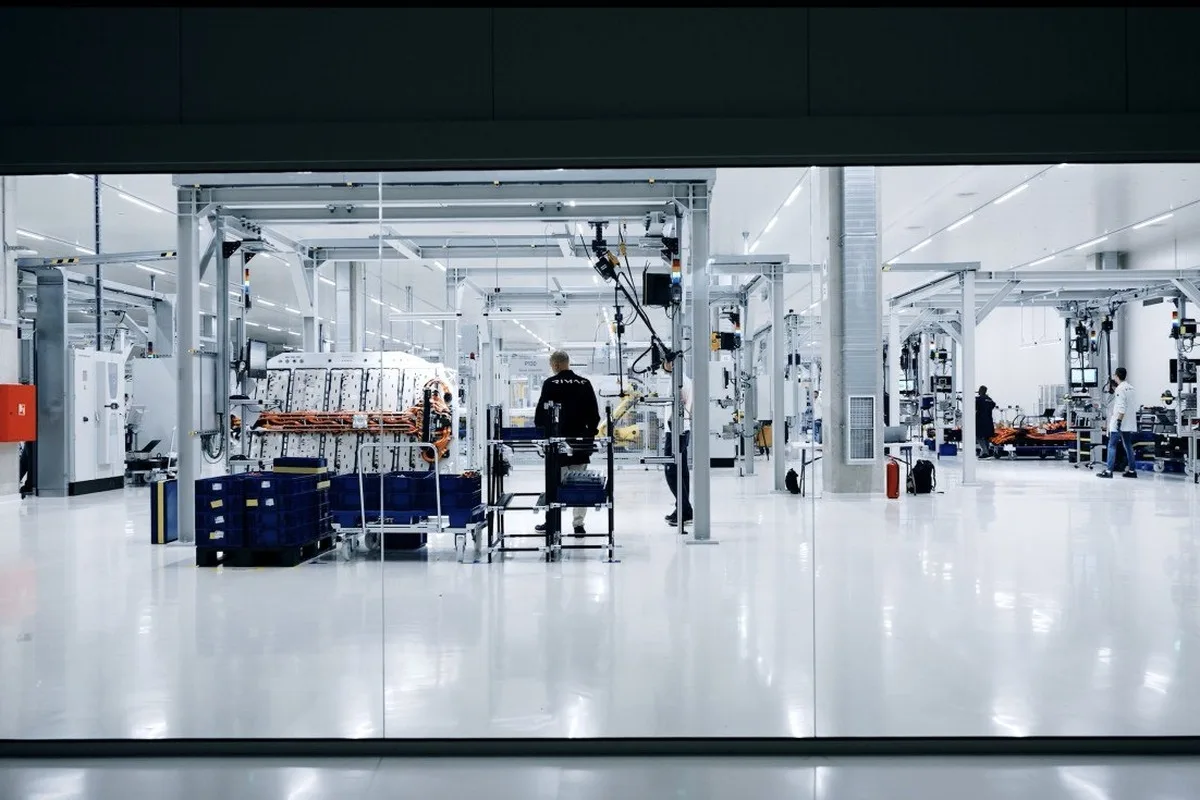

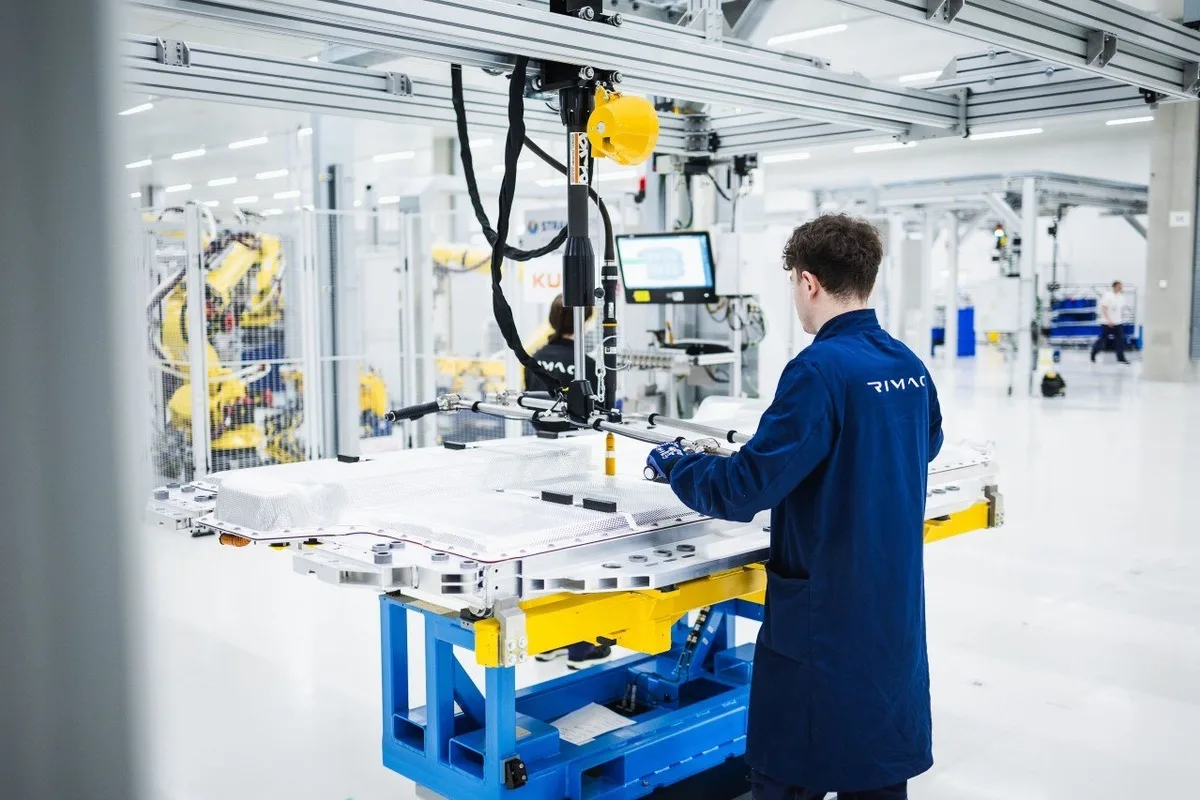
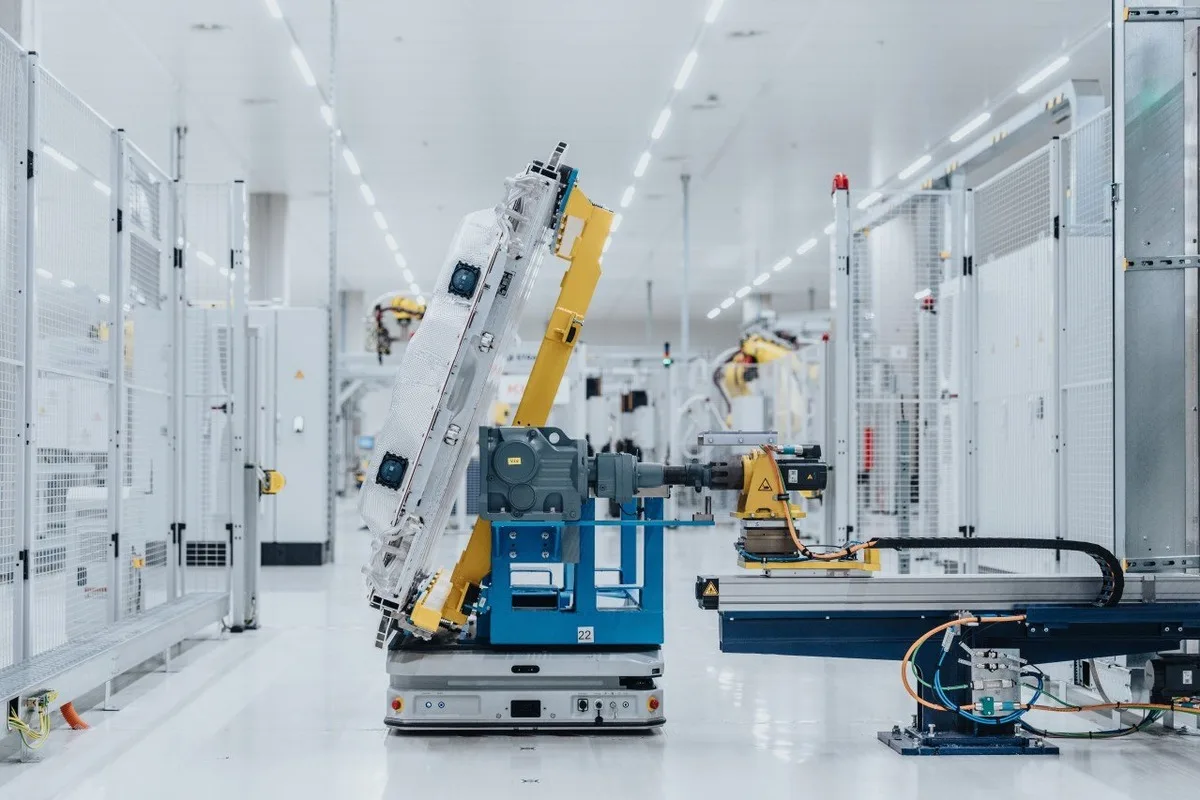
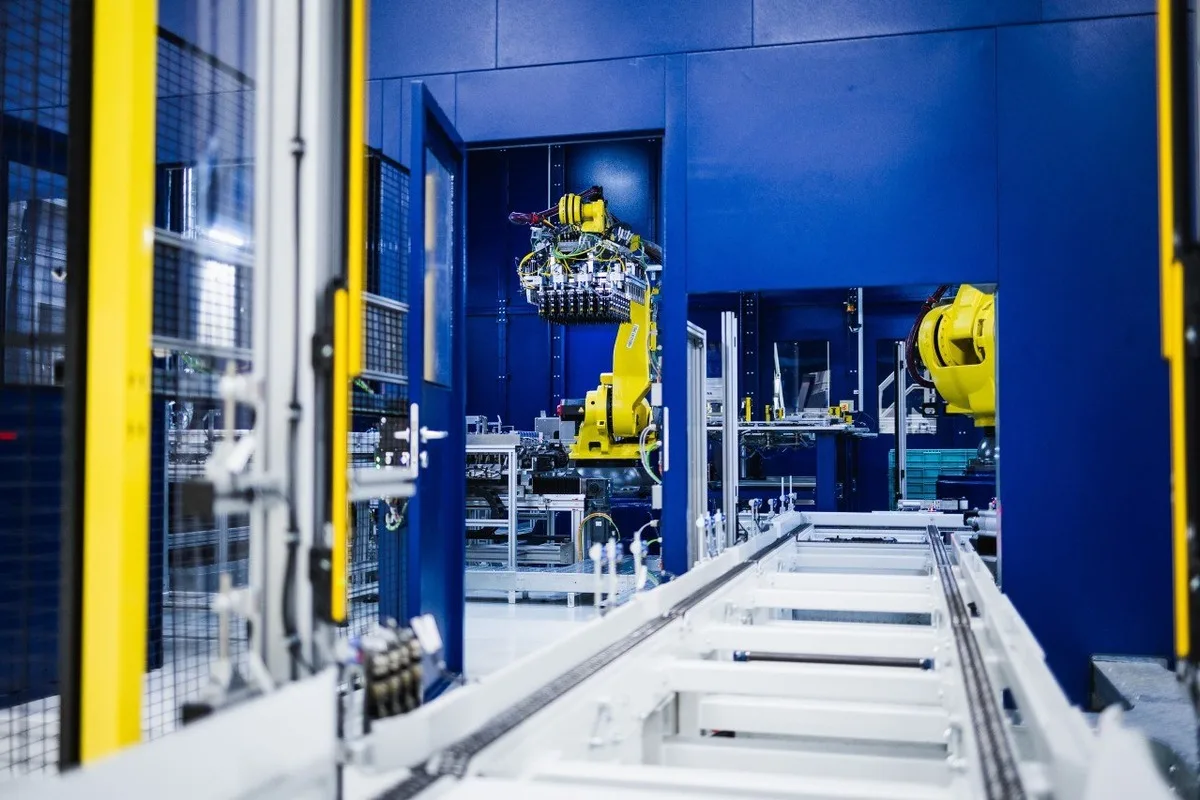
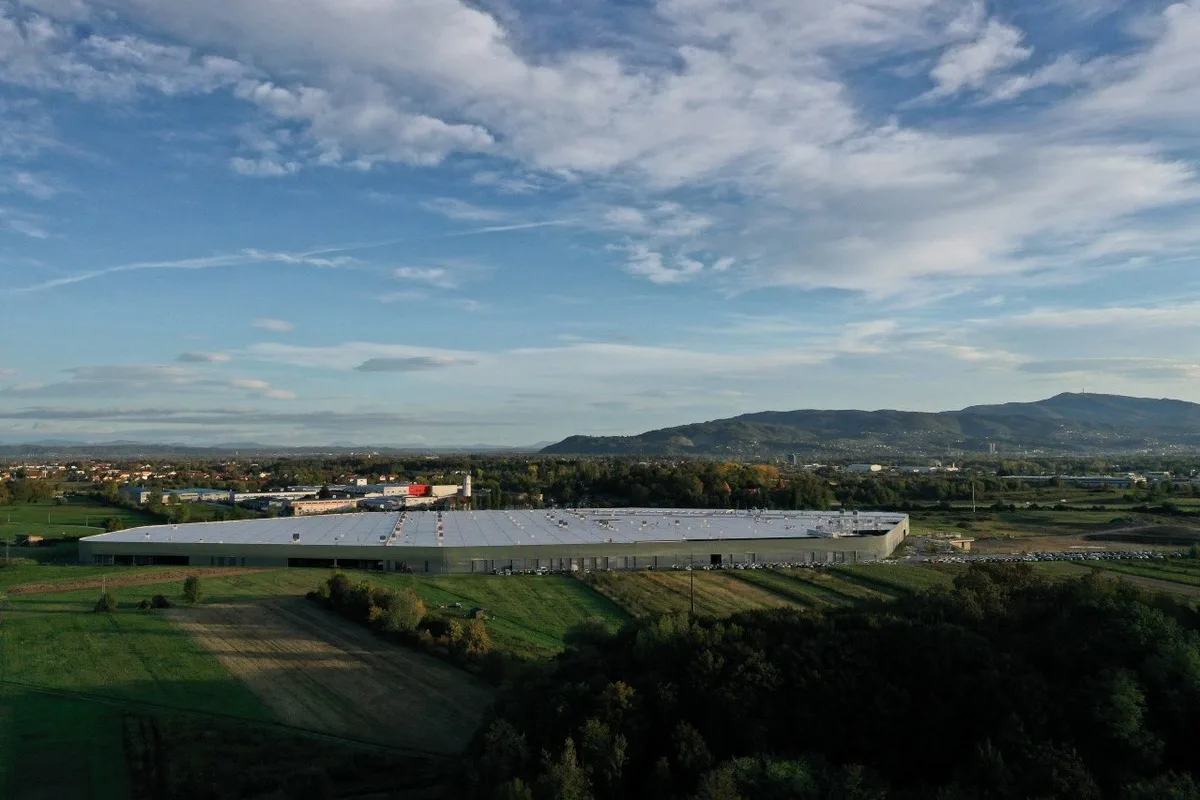
ABOVE: BMW and Rimac battery production scenes, pack assembly, and the industrial backdrop behind the new i7 project.
Why this matters
The new battery system combines BMW’s Gen6 cell technology with an established Gen5 module design, which is a sensible bit of engineering pragmatism rather than a start-from-scratch vanity exercise. Carmakers love talking about reinvention, but the clever ones know when to keep the bits that already work. The result, BMW says, is a battery that gives the new electric 7 Series more range and higher charging speed without throwing the entire architecture into a skip. Sounds like penny-pinching to me, for a model unlikely to see many buyers.
Why Rimac is the interesting bit
More interesting is the shape of the partnership itself. BMW is not some struggling boutique garage mob in need of a spot of help wiring up a torch. It is one of the world’s most established premium brands, their PR people say so. Here it is working with Rimac, the Croatian engineering concern better known to the average enthusiast for horrifying hypercar performance and making other manufacturers look a bit sleepy. That tells you something. Rimac gets another fat tick in the credibility column, proving yet again that it is more than an electric novelty act for rich men with dramatic garages.
The awkward message for everyone else
There is something deliciously uncomfortable about watching one of Germany’s creaking old mastheads lean on a Croatian specialist to sharpen up its flagship EV battery story. The message is not that BMW cannot do batteries, but if that’s not the message why are they doing it?
The message they’d rather you have is that even giants now know they must collaborate if they want to move quickly enough. That should worry the laggards. The Chinese are treating battery progress like a weekly obligation, the Koreans have been charging like demons for years, and now BMW is reaching for Rimac to help push the i7 forward. Anyone still dilly-dallying with stale chemistry and mediocre charge curves had better get the painters and decorators in to measure the carpets and curtains for new tenants..
The bigger picture
BMW’s sixth-generation eDrive technology is meant to signal that the next phase of the company’s EV push will be more serious, more efficient, and more competitive against the infinite resources found deep within the Chinese mega-push. To a lesser extent, Korea, and the upper reaches of Europe are already doing it but are charging more for the privilege. Putting that into the i7 first also makes theatrical sense. If you are going to unveil a new battery system, you may as well drop it into the biggest, plushest electric sled in the showroom and let everyone else gawp. On paper at least, this looks like exactly the sort of sensible industrial cooperation premium EV buyers should want more of.
It had better work, before punters realise they can get much better for many fewer shekels.
More Stories
- The BMW Servicing Experience, Oh Yeah, the BMW X1
- 2026 Subaru Uncharted, Japan’s Answer to Chinese EVs Arrives Three Years Late
- 2026 GAC Aion UT Price Australia, $30,990 Drive-Away for the First 600 Buyers
Help Support Gay Car Boys Subscribe to our Youtube Channel

Alan Zurvas is the founder and editor of Gay Car Boys, Australia's leading LGBTQI+ automotive publication. Before launching GCB in 2008, Alan's automotive writing was published in SameSame.com.au and the Star Observer. With over 16 years of hands-on car reviewing experience, Alan brings an honest, irreverent voice to every review — championing value and innovation over brand loyalty.
Leave a Reply