Twenty years, fifteen years, ten years. Rolls-Royce is having a little lie down in front of the family silver and asking us all to admire the bloodline. Rolls-Royce Motor Cars has every reason to preen.
To be fair, this one earns it.
The Goodwood-era Experimental cars, 101EX, 102EX, and 103EX, were not silly motor show baubles built to distract bored journos with mood lighting and middling brand lukewarm prosecco. Unlike many lumps fashioned for photo frames only, they were working ideas, fully formed, fully driveable, and each one fed something important into the cars that followed. One gave us the Phantom Coupé and the now ubiquitous Starlight Headliner. One was the first electric Rolls-Royce, long before battery power became the luxury world’s preferred dinner-party talking du jour. One looked so far ahead it made most so-called vision cars seem like someone had glued an iPad to a wardrobe.
Rolls-Royce calls them Experimental cars, which is correct, but perhaps a little modest. These were not market-testing exercises for people who think focus groups are a personality. They were engineering probes, design provocations, and, in the case of 103EX, a fabulous slab of future-gazing theatre.
Above: Geely Starray and Which Driveline Is Best for You
#GeelyStarray #PHEVReview #GayCarBoys #CarNews

Help Support Gay Car Boys Subscribe to our Youtube Channel by SMASHING THE BUTTON ABOVE


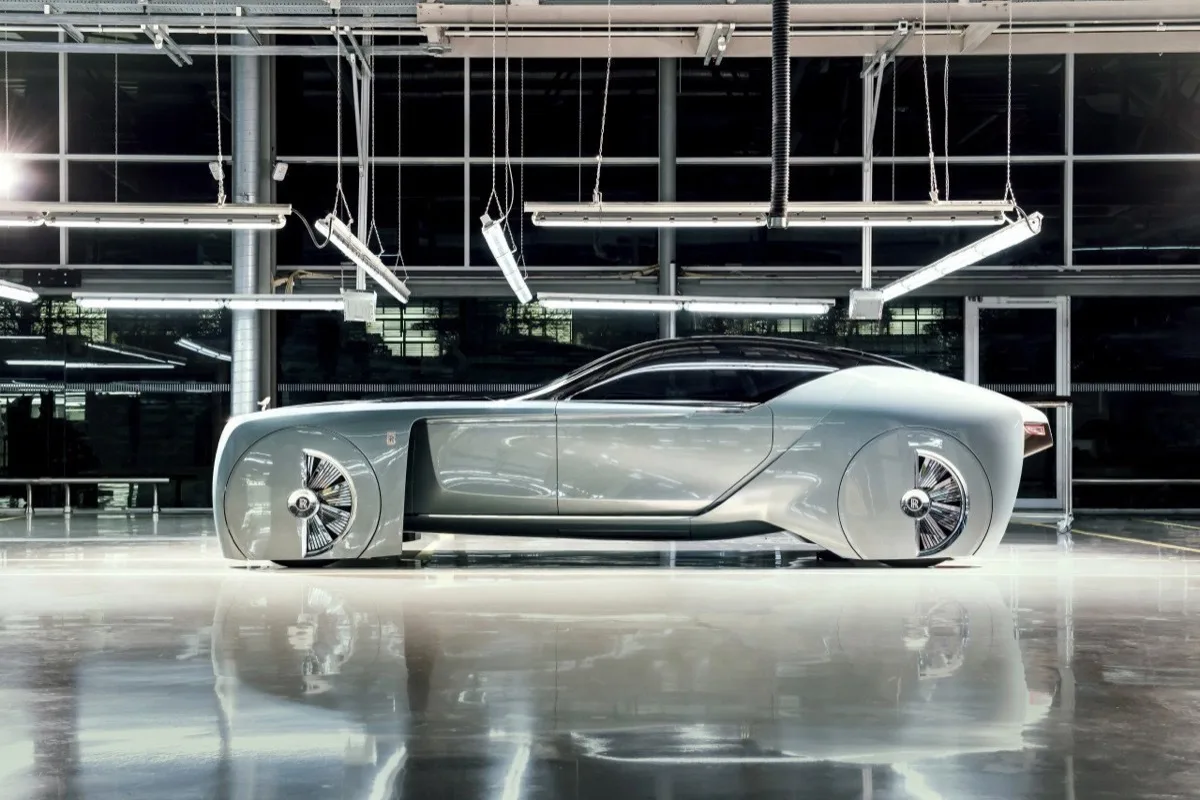
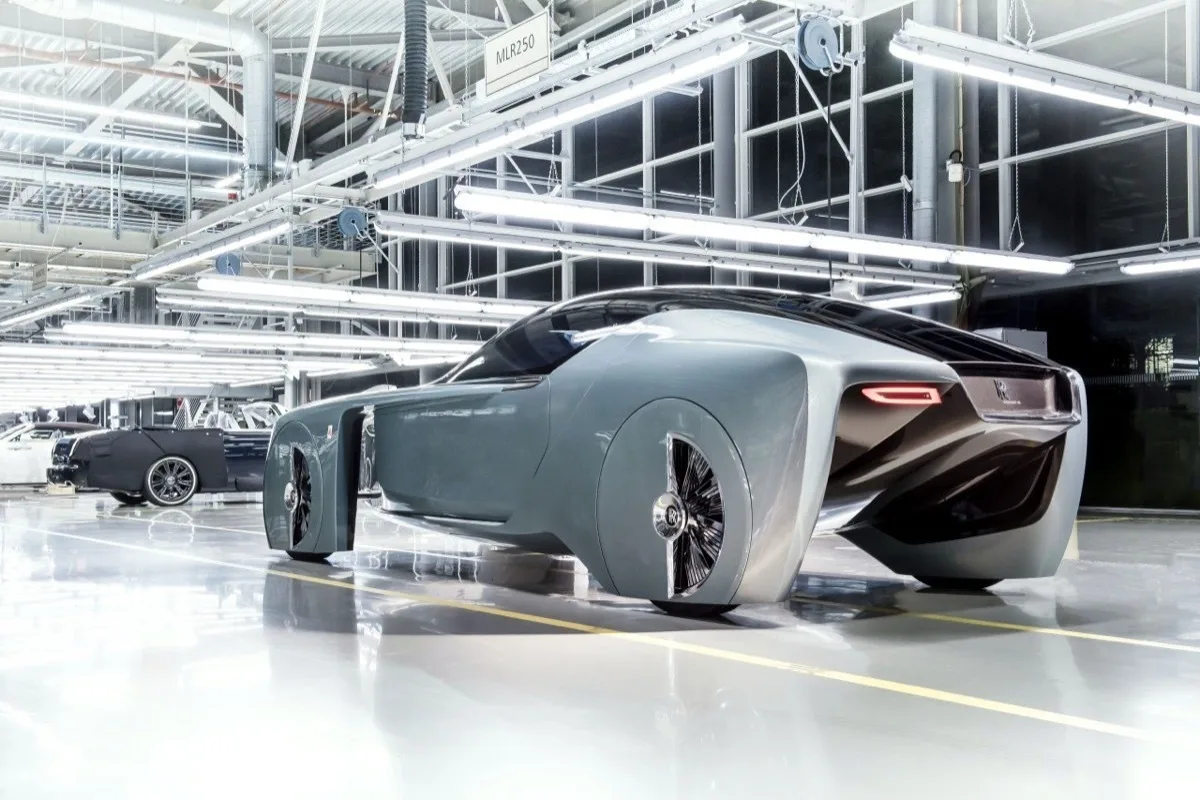
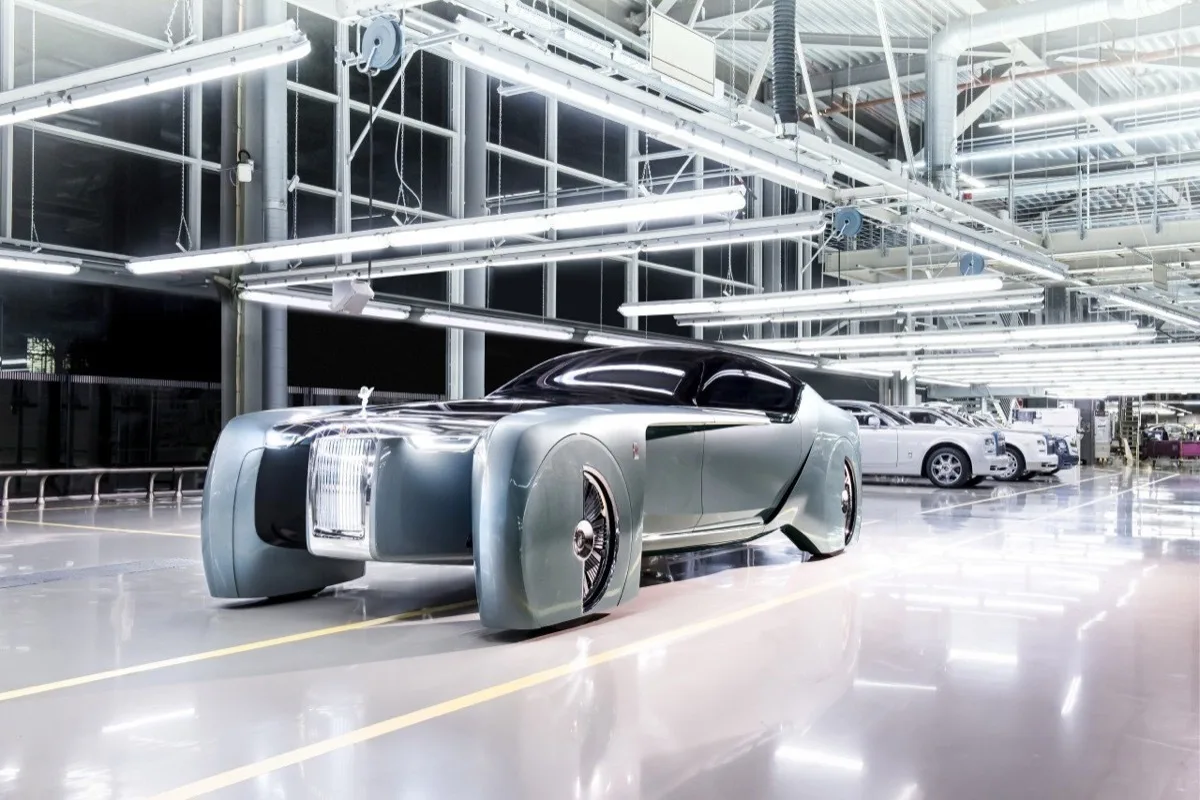

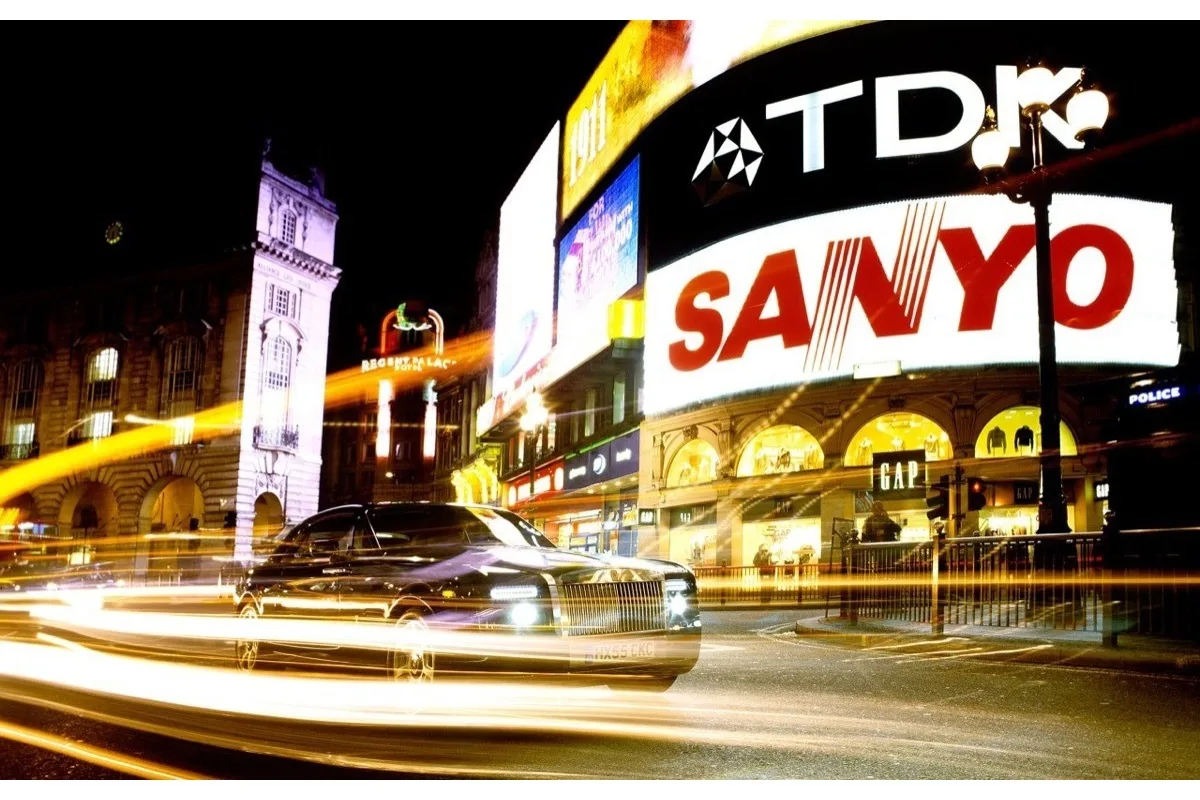
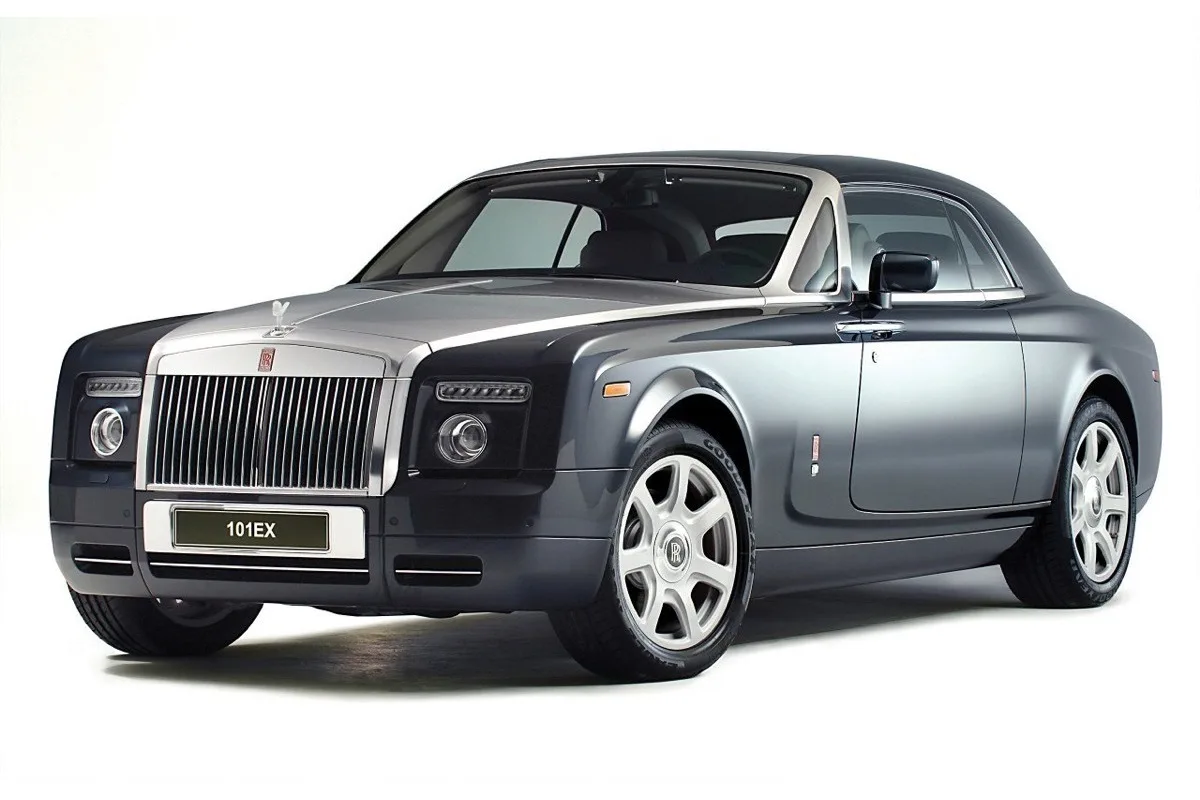

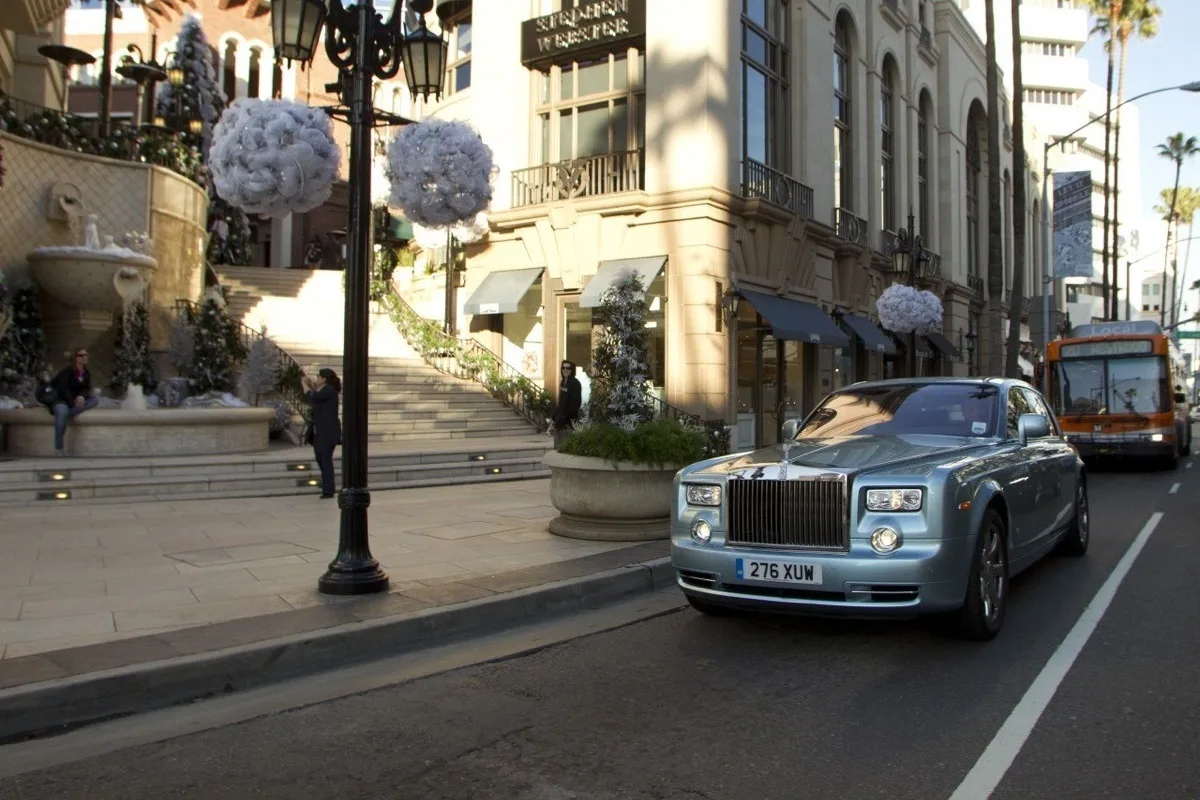
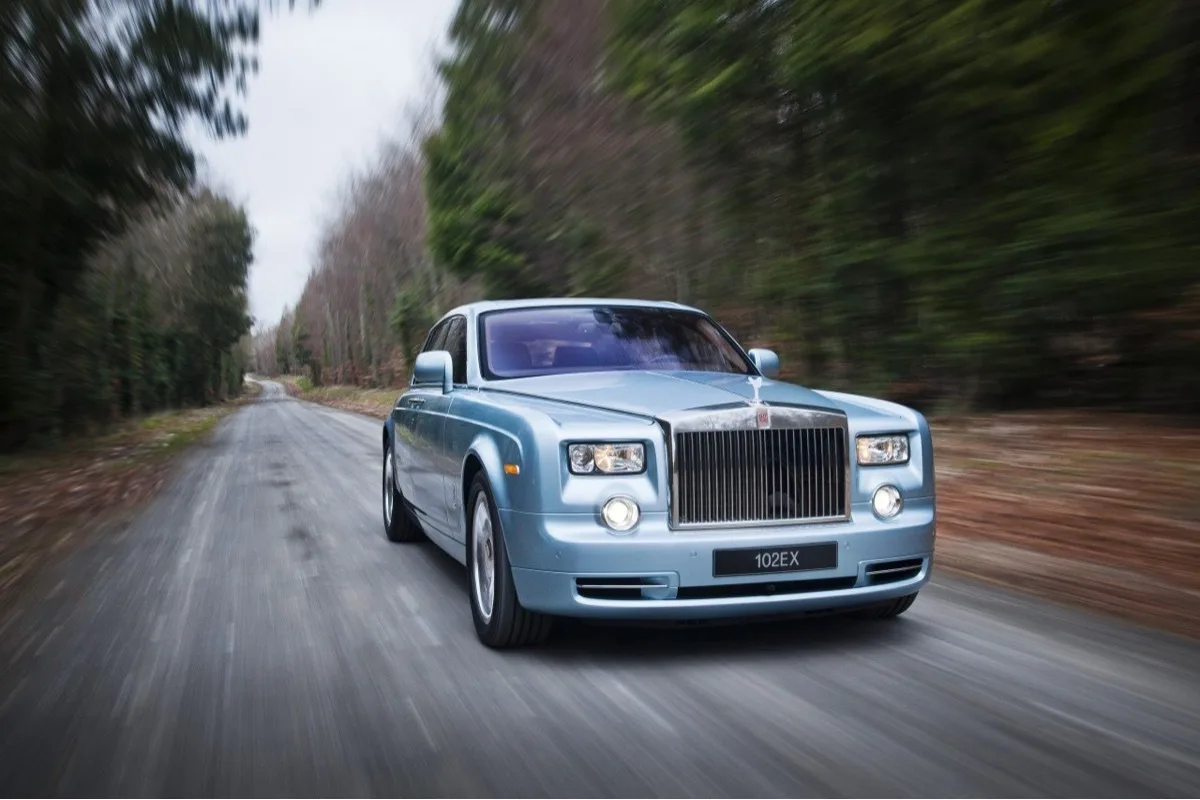
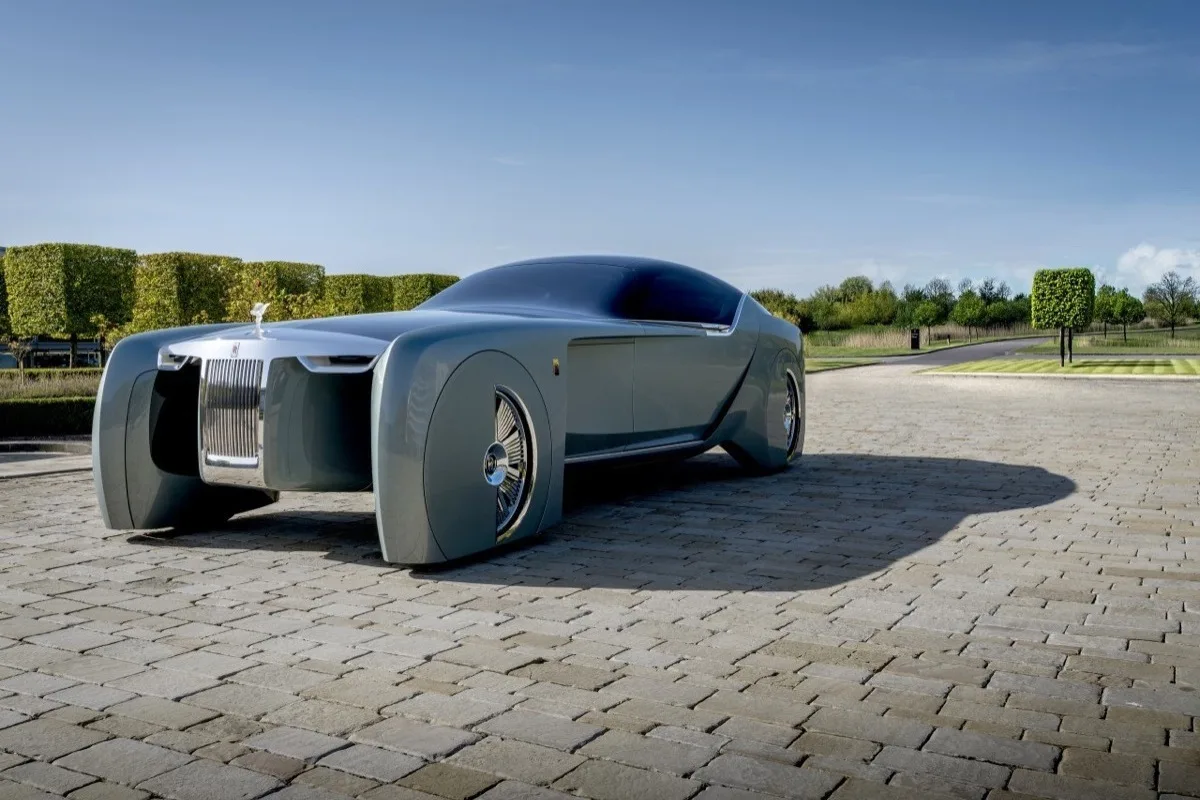
ABOVE: 101EX, 102EX, and 103EX trace the line from Phantom Coupé to Spectre, and beyond.
101EX Was the One That Made Desire the Point
Unveiled at Geneva in 2006, 101EX arrived as a four-seat coupé based on Phantom VII’s aluminium architecture, but 240mm shorter, lower, tighter, and rather more toey. Carbon-fibre composite bodywork, a 6.75-litre V12, rear-hinged coach doors, and a completely mad design that looked as though it had been drawn by someone who doodled on workbooks instead of doing homework.
This was the car that became Phantom Coupé in 2008, one of the most handsome modern Rolls-Royces and one of the marque’s clearest signals that Goodwood was not merely going to build limousines for plutocrats with an events calendar. It was also going to build objects of desire.
Inside, 101EX introduced the first Starlight Headliner. That alone deserves a small curtsey. What began as hundreds of fibre-optic lights scattered across the roof lining is now one of Rolls-Royce’s signature party tricks, and one of its most lucrative invitations to Bespoke indulgence. Every luxury brand wants a calling card. Rolls-Royce built a galaxy and charged extra for constellations.
101EX also helped set the table for the modern coachbuild era, feeding ideas on materials and craftsmanship that would later turn up in Sweptail. That one-off was less a motor car and more a declaration that if your bank account is monstrous enough, Rolls-Royce will cheerfully build you a cathedral with number plates.
102EX Was Electric Before Luxury Pretended It Always Loved Batteries
By 2011, 102EX, also known as Phantom Experimental Electric, was asking a question most luxury brands were still too nervous to say aloud: could a battery-electric drivetrain work in a Rolls-Royce?
This was not a production promise. It was a rolling laboratory, and a brave one. Engineers had to convert everything normally driven by an engine, from steering assistance and ABS to heating and audio, to battery power. It carried what Rolls-Royce says was the largest battery fitted to any motor car at the time, along with a wireless induction charging system, also a world first.
That is the sort of detail that sounds frightfully impressive in a press release, but it matters because 102EX did the hard, awkward early work. It toured the world, showed itself to clients, media, and assorted luxury rubberneckers, then listened to what they thought. Imagine that, a very rich person being invited to comment on a Rolls-Royce. One assumes several opinions arrived gift-wrapped and wearing cashmere.
Still, the exercise mattered. More than a decade later, Spectre arrived as the brand’s first series production EV, and none of that happened by magic. Brands love pretending the final polished product emerged from genius and destiny. Usually it emerged from years of engineers quietly suffering behind the curtains.
103EX Was Bonkers, Brilliant, and Not Entirely Wrong
Then came 103EX in 2016, the Vision car, and here Rolls-Royce stopped flirting with the future and swanned into it wearing opera gloves.
At 5.9 metres long and 1.6 metres high, 103EX had the presence of a private members’ club on wheels. It sat low, long, and impossibly theatrical. The passenger compartment, known as the Grand Sanctuary, ditched conventional seating for a floating sofa and wrapped occupants in precious materials, soft light, and the sort of hush that suggested the outside world could wait until someone less important dealt with it.
It was electric. It was autonomous in concept. It featured a digital assistant named Eleanor, after Eleanor Thornton, believed to be the muse for the Spirit of Ecstasy. That could all have turned very naff very quickly, but 103EX was so committed to its madness that it somehow carried it off. Even the illuminated glass Spirit of Ecstasy felt less gimmick than ceremony.
Plenty of futuristic concept cars age like cheap fillers after a hot weekend. 103EX has held up rather well. Parts of its digital thinking can be seen in Whispers, Rolls-Royce’s client app, while the all-electric direction no longer sounds fanciful at all. If anything, 103EX now looks less outrageous than many of the luxury brands that followed and called themselves daring for replacing buttons with fingerprints and despair.
The Through-Line Matters
Rolls-Royce is keen to remind everyone that these cars belong to a longer EX lineage stretching back to 1EX in 1919. Quite right too. Experimental cars have long been how the company tested lighter bodies, new drivetrains, fresh ideas, and different expressions of luxury.
That history matters because the three Goodwood EX cars were not isolated acts of whimsy. They were part of a proper tradition, one that led from Phantom II Continental to Phantom Coupé, from early battery-electric experimentation to Spectre, and from bespoke trim options to the full-fat coachbuilt monsters now sold to clients who regard normal luxury as a bit common.
The red double-R badge fitted to these EX cars is a nice touch as well. It links them to earlier special Rolls-Royces and quietly signals that the firm knows these machines mattered. Heritage can be handled badly, with too much reverence and not enough wit. Here, at least, the symbolism feels earned.
Why It Still Matters in 2026
Modern luxury brands are forever telling us they are visionary. Most of them are just expensive and heavily moisturised.
What these three EX cars prove is that Rolls-Royce’s better ideas did not appear fully coiffed from the boardroom. They were tested in public, shaped through engineering, and then refined into cars people now remember with real affection. 101EX gave the brand glamour. 102EX gave it an electric future. 103EX gave it permission to think bigger than a leather-lined saloon with nicer wood.
That is a decent legacy for three cars that never existed to chase volume.
You can draw a straight line from these experiments to Phantom Coupé, Spectre, Sweptail, and the wider Bespoke empire that now keeps the ultra-luxury game fat, happy, and quietly insufferable. Not bad for a trio of test beds.
More Stories
- Rolls-Royce Coachbuild From Horse-Drawn Carriages to £25 Million Droptails
- Le Rossignol is Where Rolls-Royce Found Its Creative Soul
- Rolls-Royce Cullinan Yachting 2026 Four Bespoke Commissions for Those Who Have Everything
Help Support Gay Car Boys Subscribe to our Youtube Channel

Alan Zurvas is the founder and editor of Gay Car Boys, Australia's leading LGBTQI+ automotive publication. Before launching GCB in 2008, Alan's automotive writing was published in SameSame.com.au and the Star Observer. With over 16 years of hands-on car reviewing experience, Alan brings an honest, irreverent voice to every review — championing value and innovation over brand loyalty.
Leave a Reply