BYD has arrived at Beijing looking less like a car company with a few new models and more like an empire laying out its map.
The Chinese giant is already the world’s largest maker of EVs and New Energy Vehicles, having stepped past Tesla in the numbers that matter most to battery believers. It is still only a top 10 carmaker by total volume, but that now feels like a pause, not a ceiling. If BYD can prise enough buyers away from Toyota, Volkswagen, and the other old guard, the biggest carmaker title stops being fantasy and starts looking like admin.
That is why the Beijing Auto Show, and indeed all car shows, are important This was not one sensible SUV and a polite sedan under unforgiving lights. BYD brought family cars, supercars, luxury lounges, charging tech, concept cubes, and enough brand architecture to make a legacy boardroom reach for its emergency whisky. Tesla may have started this kind of vertical integration but BYD has gone full-metal-jacket on it.
FLASH Charging and the second generation Blade Battery sat through the whole show like the quiet threat in the corner. Everyone else is still explaining charge stops as if buyers enjoy standing beside a bowser-shaped plug in bad coffee weather. BYD is talking about being ready in five minutes and full in nine. If that works beyond a show stand and into ordinary ownership, the last great excuse against EVs starts looking tatty.
Above: 2026 Polestar 2 DM Performance The Forgotten Polestar is Fabulous
#Polestar2 #EV #BowersWilkins #ElectricCars #SwedishDesign

Help Support Gay Car Boys Subscribe to our Youtube Channel by SMASHING THE BUTTON ABOVE


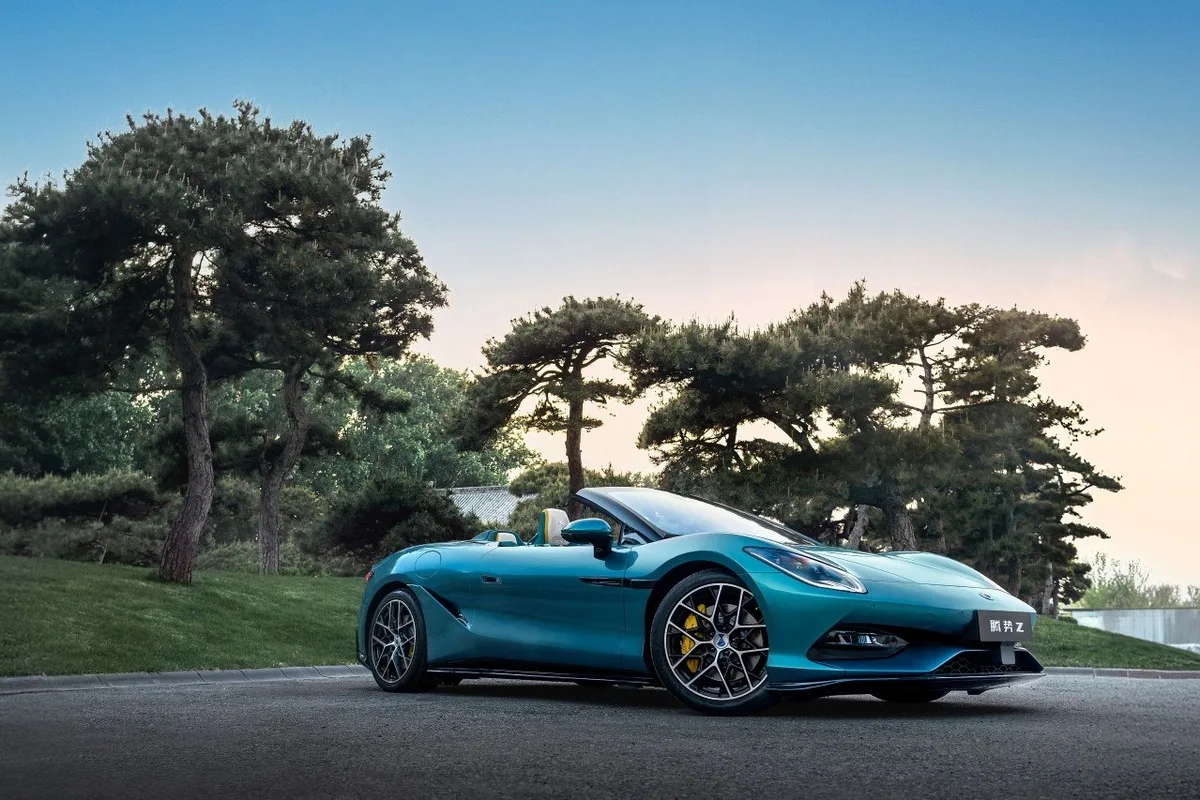
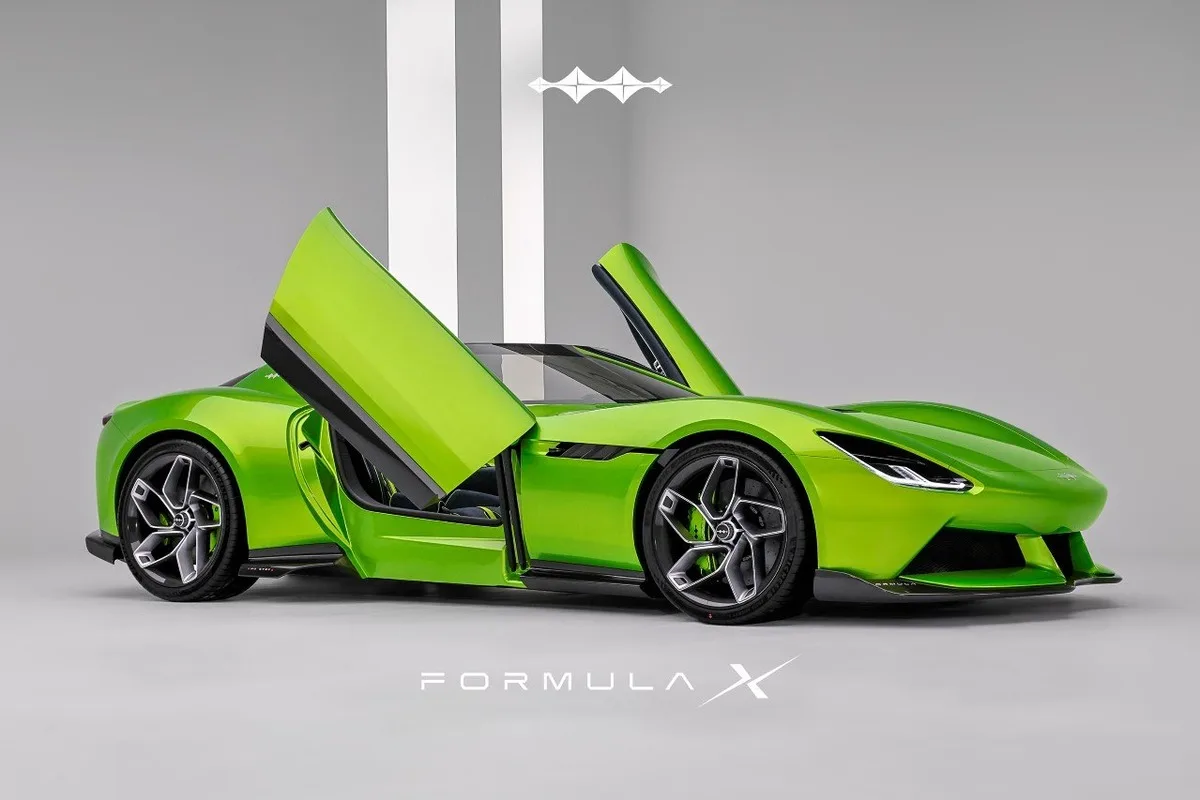
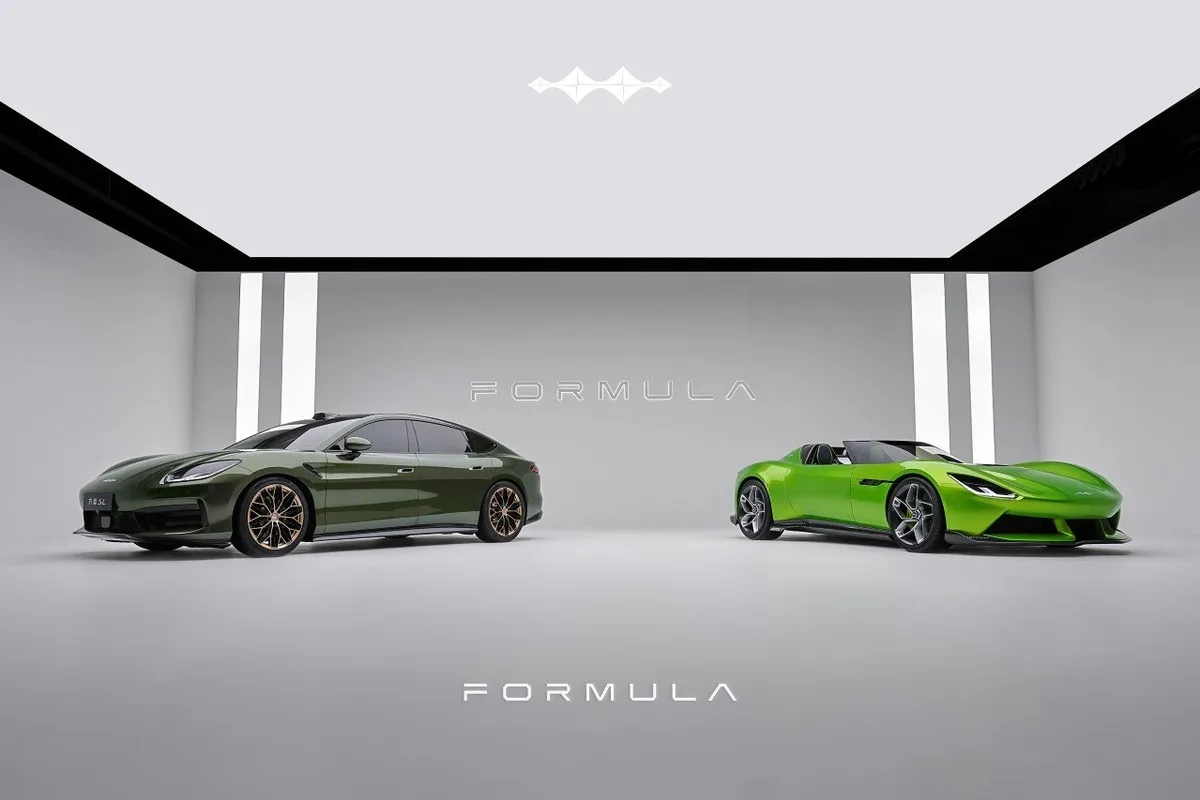

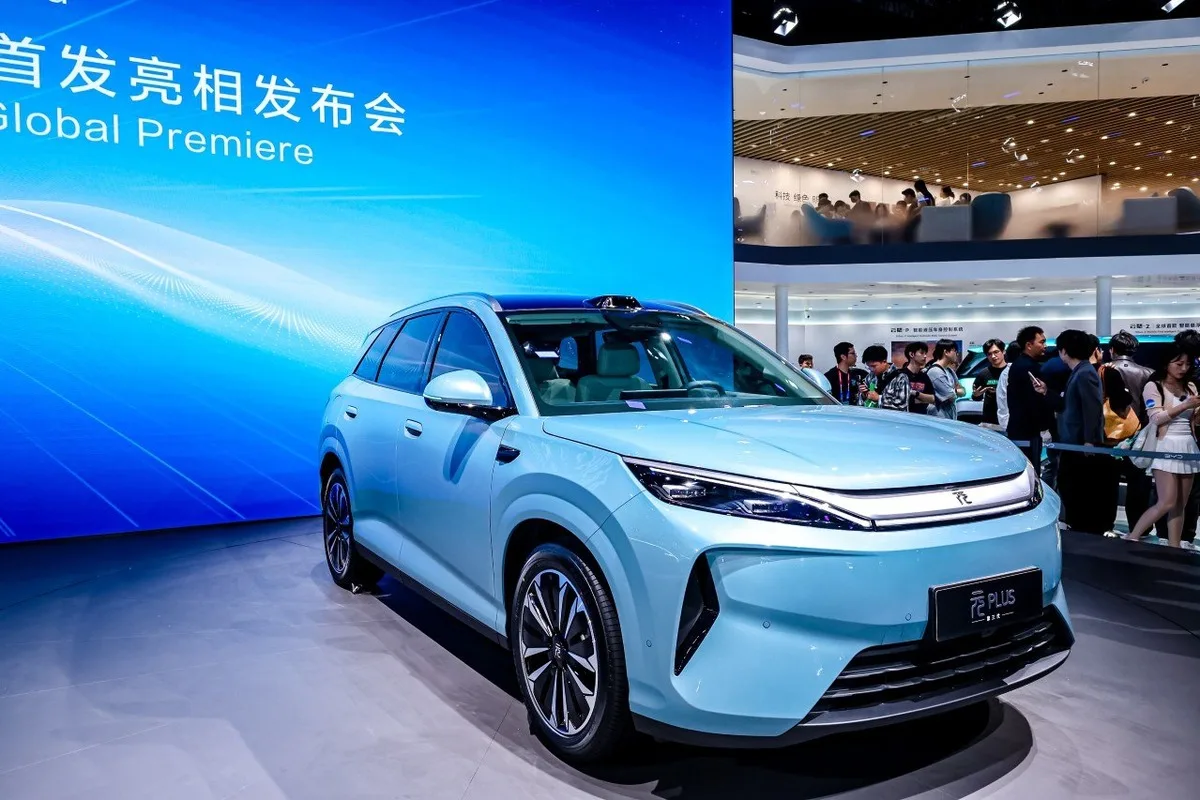
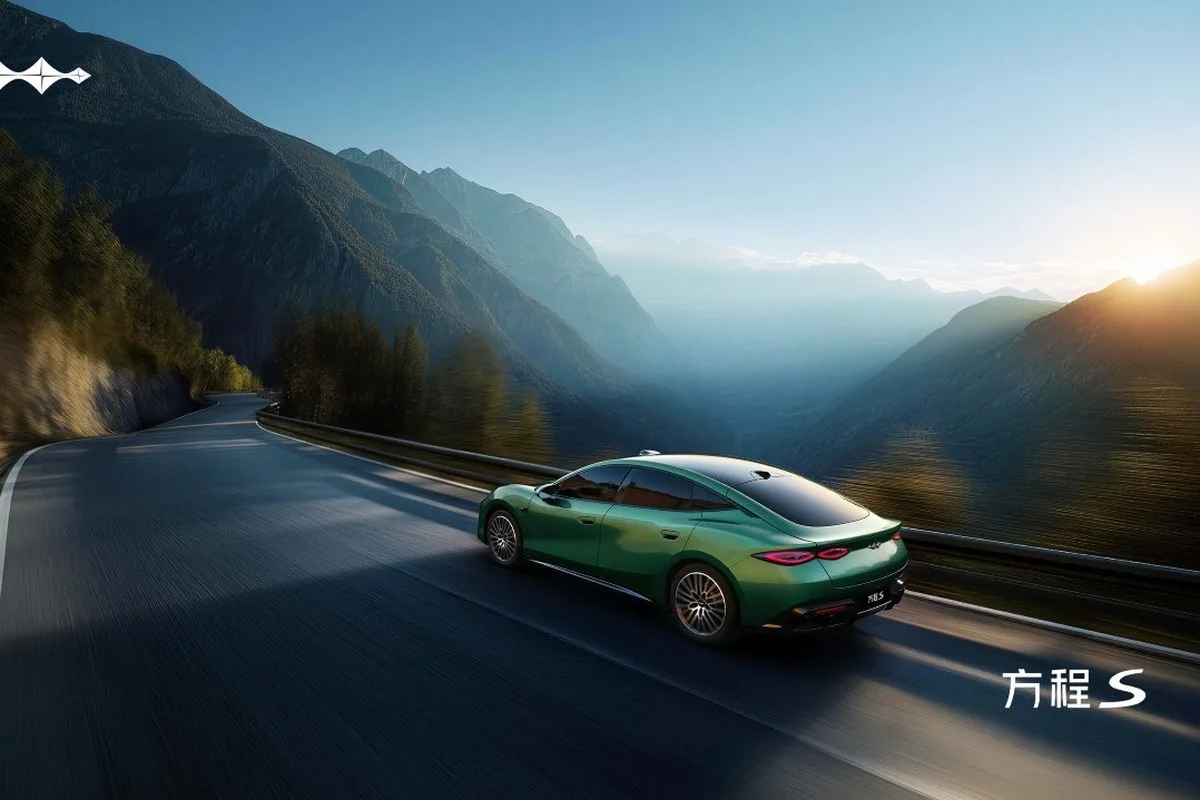
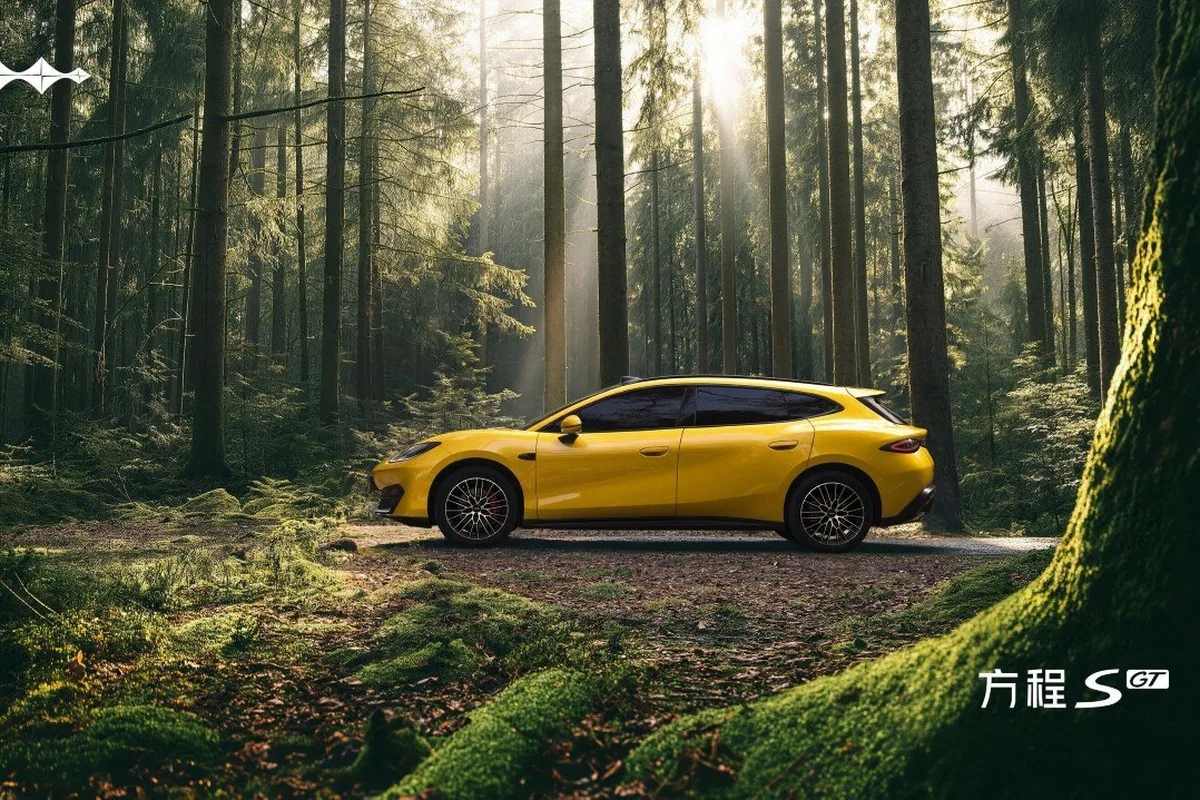
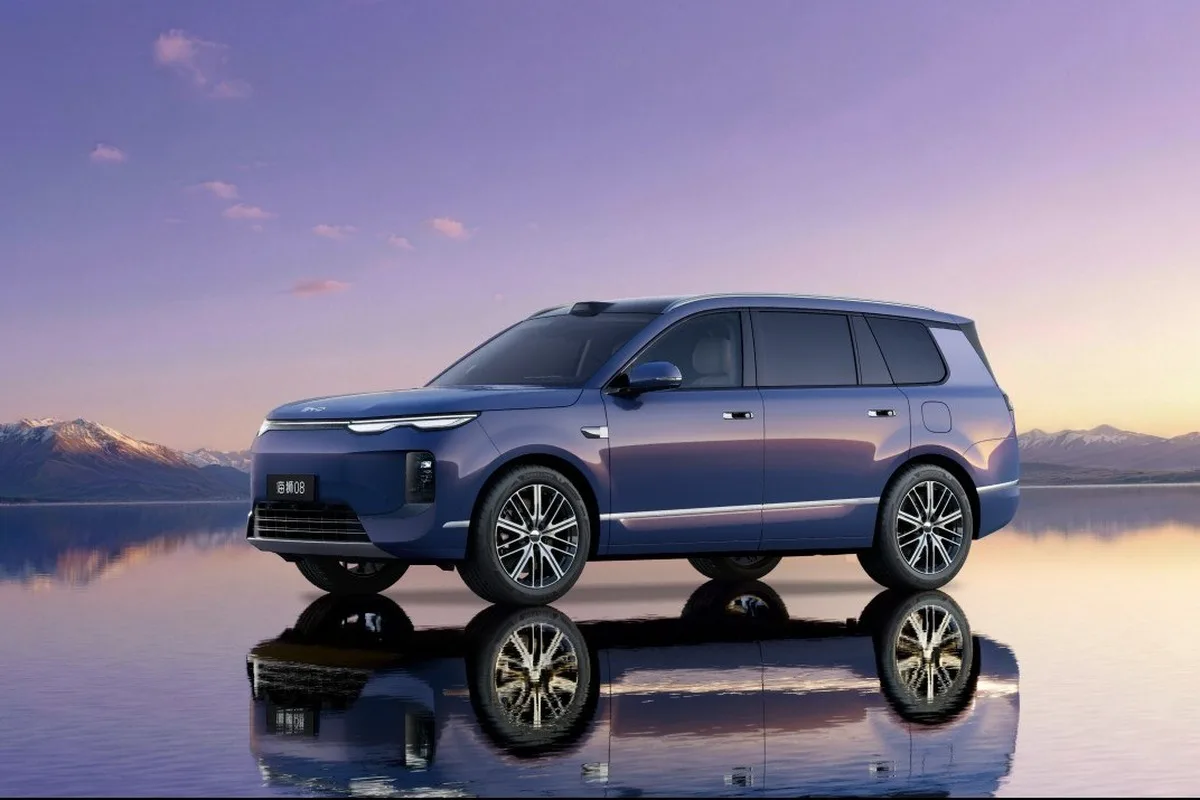
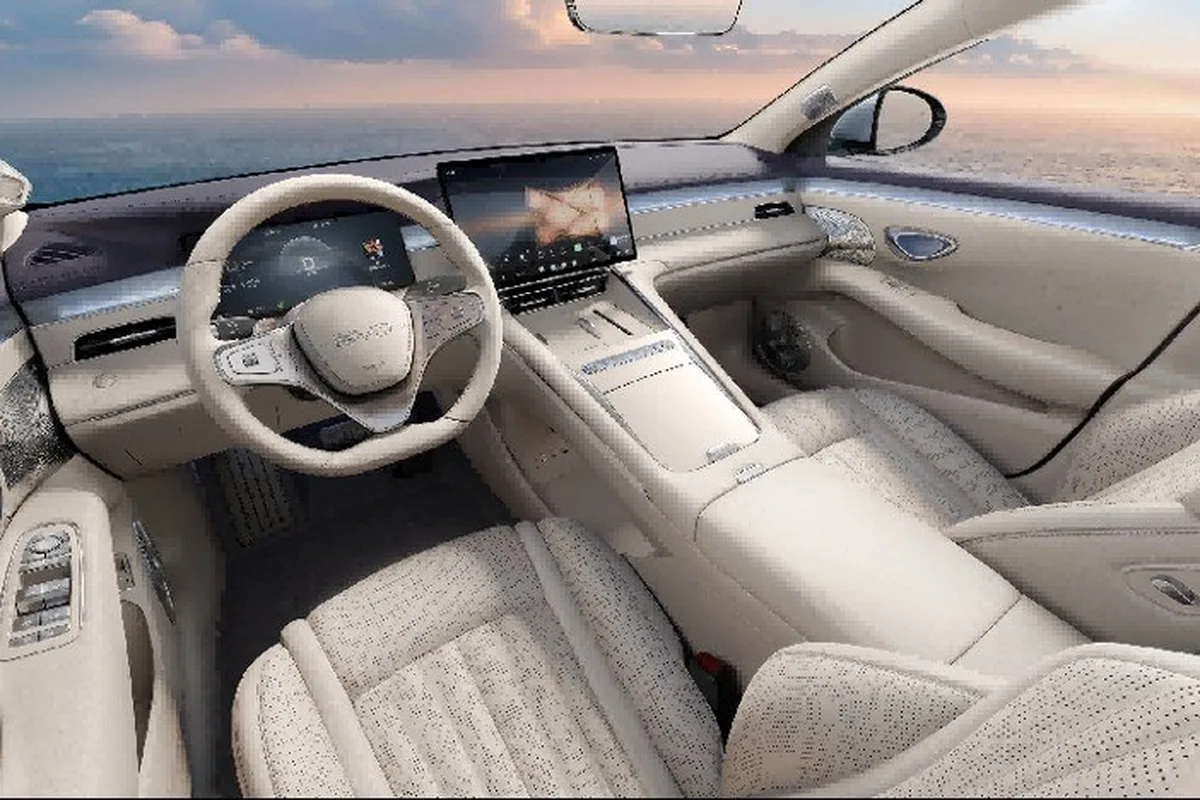
ABOVE: BYD at Beijing, from Denza Z and FORMULA X to Yuan Plus, SEAL 08, and SEALION 08.
DENZA Z goes supercar hunting
The DENZA Z is the most glamorous surprise here, and it knows it. BYD calls it the world’s first intelligent electric supercar, which sounds like a phrase invented in a room with too much glass, but the car itself has presence.
It arrives as a soft-top convertible, designed under Wolfgang Egger, with carbon fibre, ducts in the bonnet, and a body that looks less apologetic than many first efforts at the rich person’s toy box. More than 1000hp and a 0 to 100km/h time under two seconds are not polite figures. They are table-flipping figures.
DENZA is not just trying to build something fast. It is walking into territory long guarded by European brands with vault doors, stitched leather, and very expensive attitudes. A Chinese premium EV brand turning up with an electric supercar is no longer a novelty act. It is the new money at the party, and the new money has brought engineering.
Goodwood will get the full global launch this summer, which is a deliciously old-world stage for a Chinese electric supercar with Nürburgring ambitions. I hope the tweed survives.
SEAL 08 and SEALION 08 do the family car thing properly
The SEAL 08 sedan and SEALION 08 SUV are pitched as dual flagships for BYD’s OCEAN series, which could sound like aquarium marketing until you look at what is being offered.
The SEAL 08 gets a bright, uncluttered cabin, dual zero-gravity front seats, heating, ventilation, massage, electric rear leg rests, and a rear armrest touchscreen. In old money terms, that is chauffeur-car behaviour. In BYD terms, it is becoming family-car behaviour, which is exactly why legacy brands should be sweating through their branded polo shirts.
SEALION 08 goes large, with six independent seats across three rows, a wheelbase just over three metres, and the sort of cabin pitch that makes half the current SUV market look under-furnished. The long tail-light signature is nearly two metres wide, because restraint is for people with smaller ambitions.
Both use the second generation Blade Battery, FLASH Charging, and DiSus-A dual-chamber air suspension. BYD is not just chasing price. It is chasing comfort, theatre, and the quiet social shame of paying more elsewhere for less.
OCEAN-V is strange in the useful way
OCEAN-V is the concept oddball, described as a family mobile life cube. That sounds dreadful until the idea starts making sense.
It is not really a sedan, SUV, or MPV. It is a flexible family cabin with driving mode, cinema mode, camping mode, rotating seats, a retracting steering wheel, and jellyfish-shaped magnetic speakers and lights. Yes, jellyfish. Someone in Shenzhen has been allowed near the fun cupboard, and I approve.
Concept cars usually promise a future that quietly dies in a warehouse. OCEAN-V feels more practical than that. The moving cabin ideas, detachable lighting, and family-focused interior play could all migrate into production cars without requiring buyers to dress like architects.
YANGWANG goes full theatre
The YANGWANG U9 Xtreme is already a global headline machine. A claimed 496.22km/h top speed and a 6 minute 59 second Nürburgring lap will do that.
At Beijing, it appeared in final production trim as The Dawn, complete with gold-infused paint, lacquer-polished matte gold sections, and personalisation that reaches into carbon-fibre patterns, infotainment graphics, welcome lights, and even door-closing chimes. Subtle, it is not. Nor should it be.
Only 30 collectors are in the frame, and that feels about right. This is not a democratic object. It is a rolling jewellery box with the temperament of a guided missile.
The U8L Dingzang Edition takes the other route, turning a large luxury off-roader into a four-seat mobile lounge. Ink Jade Blue paint, Mingsha Gold interior trim, zero-gravity rear seats, seven storage compartments in the second-row console, and room for three 47-inch golf bags. That last detail is wonderfully specific. It says BYD knows exactly which sort of wealthy person is being hunted.
FANGCHENGBAO and Yuan Plus keep the spread wide
FANGCHENGBAO brought FORMULA X, FORMULA S, FORMULA S GT, and FORMULA SL, which makes the brand sound like it has been naming cars after a protein powder range. Still, the idea is strong. BYD wants personalised sedans, shooting brakes, and sports cars sitting beside rugged SUVs instead of forcing every buyer through one bland product funnel.
The third generation Yuan Plus, known in many markets as the ATTO 3, matters for a different reason. More than 1.1 million have already been sold across 116 markets, so improvements to this car matter more than another unattainable supercar poster. FLASH Charging, God’s Eye B, LiDAR-assisted driving, rear-wheel drive, up to 630km CLTC range, a larger wheelbase, 39 storage areas, a powered front trunk, and a 16-speaker system turn a familiar global model into a much harder target.
That is the BYD problem for everyone else. It is not one car. It is not one price point. It is not one market. BYD is attacking the bottom, middle, top, and silly top of the car business at the same time.
Toyota still sells more cars overall. Volkswagen still has scale, dealer muscle, and old-world weight. Tesla still owns plenty of mindshare. But BYD is already past Tesla in EV and NEV manufacturing, and Beijing showed a company behaving as if the next crown is not merely possible, but expected.
Legacy carmakers used to assume China would follow. Now BYD is walking ahead, turning around, and wondering why everyone else is moving so slowly.
More BYD Stories
- Could Denza B8 Kill The Land Cruiser
- EVX Solving the Urban EV Gap in The Garage Divide.
- Why Android Automotive OS is a Digital Nightmare – UPDATED
Help Support Gay Car Boys Subscribe to our Youtube Channel

Alan Zurvas is the founder and editor of Gay Car Boys, Australia's leading LGBTQI+ automotive publication. Before launching GCB in 2008, Alan's automotive writing was published in SameSame.com.au and the Star Observer. With over 16 years of hands-on car reviewing experience, Alan brings an honest, irreverent voice to every review — championing value and innovation over brand loyalty.
Leave a Reply