BYD is listening to insurers and customers, and the proof is a Melbourne warehouse holding about 100 high-voltage batteries.
Our parts shortages story found insurers writing off repairable cars because the rental car bill keeps running while a part is on back order. I sat down with BYD‘s Chief Operating Officer Stephen Collins and PR manager Paul Ellis to ask what BYD parts supply looks like from the inside.
Parts of the media framed it as a Chinese-car problem. I’d invite anyone who believes it to try waiting on parts for a Toyota 3.5 V6, a GM 6.2 V8, one of VW’s plastic water pumps or a VW DCT.
“It was really a deliberate strategy of ours before day one, before any pressure from insurance companies or anybody else, to invest heavily in parts supply locally, logistics, service capacity, training, all the things that make good brands great,” Collins told me. “It wasn’t just about selling the car. We needed to make sure that we had the ecosystem.” He’s spent the last 12 months building it, and says “we’re not done”.
Above: AutolinkR AI Box and wireless Carplay Stream while you wait
#AutoLinkrPro, #AutoLinkr, #WirelessCarPlay, #Ottocast, #GayCarBoys

Help Support Gay Car Boys Subscribe to our Youtube Channel by SMASHING THE BUTTON ABOVE


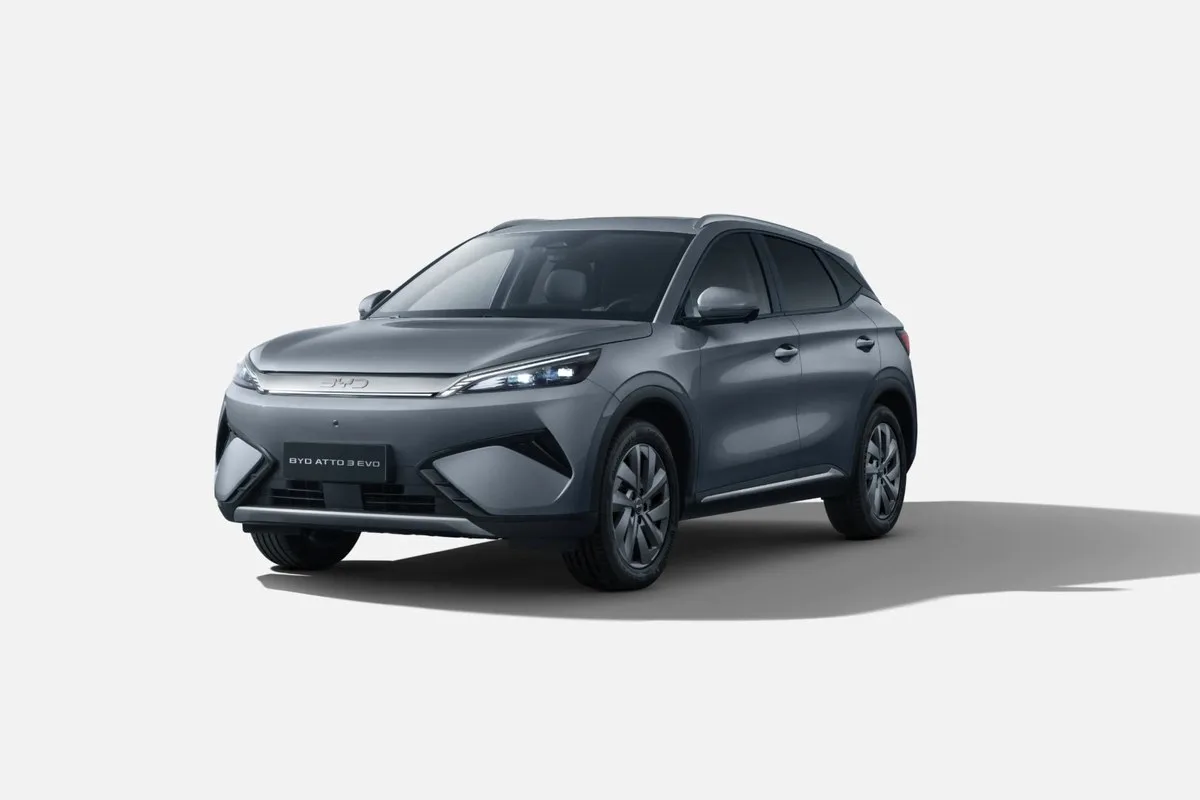
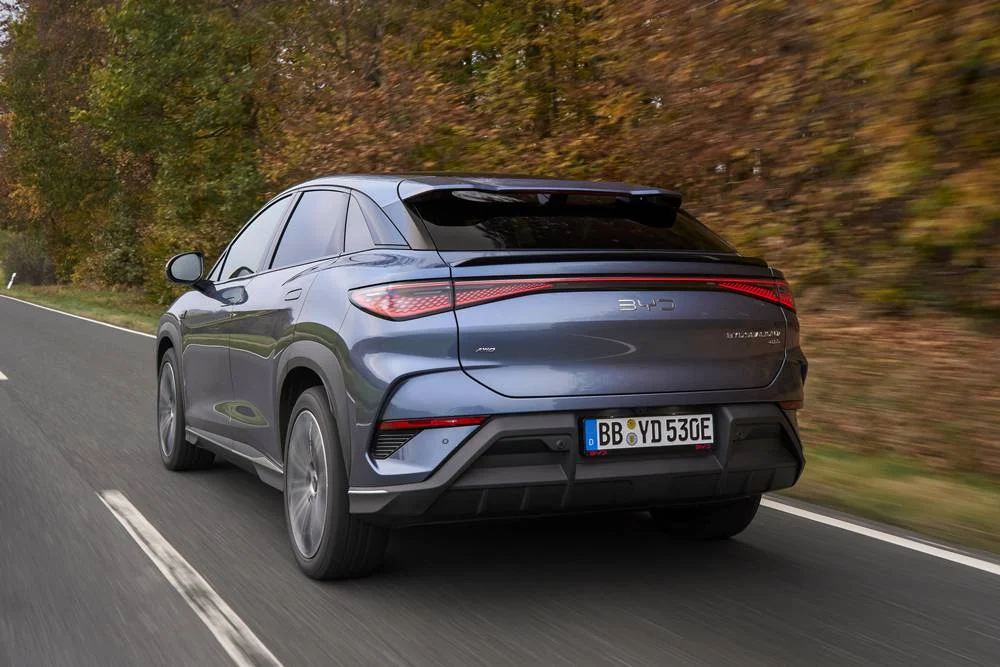
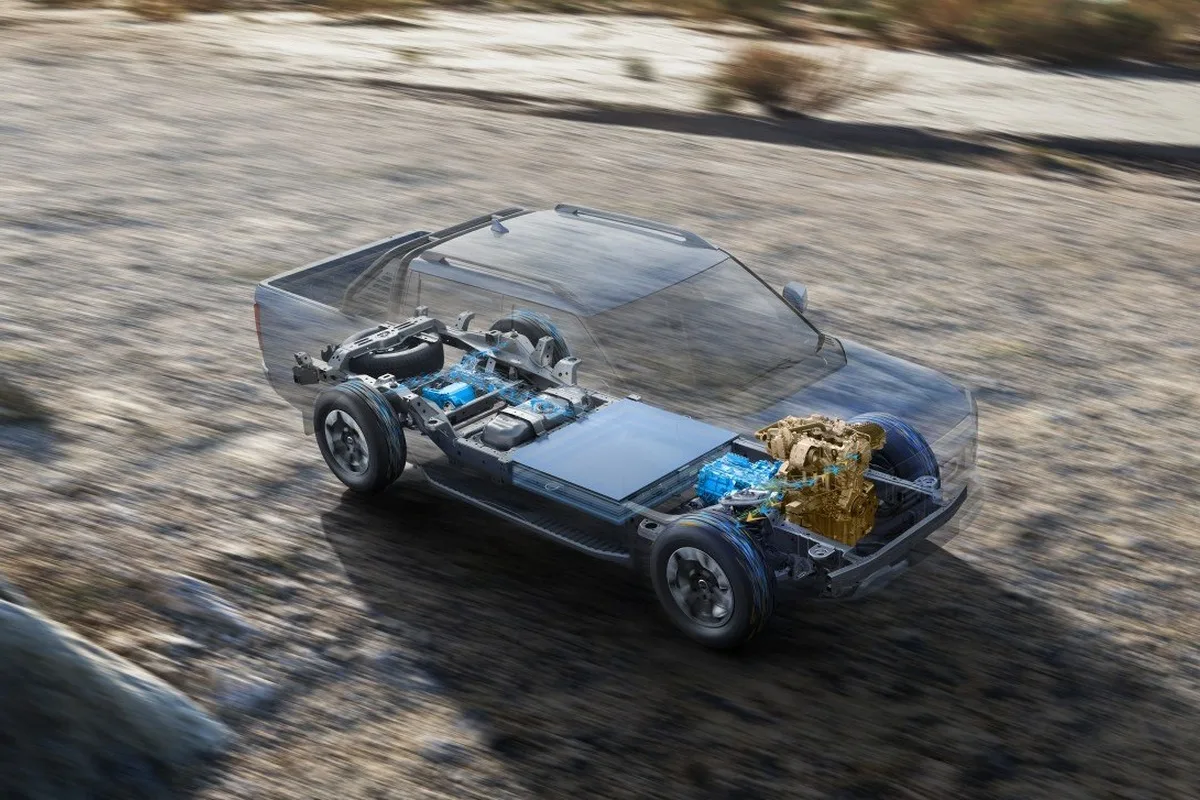
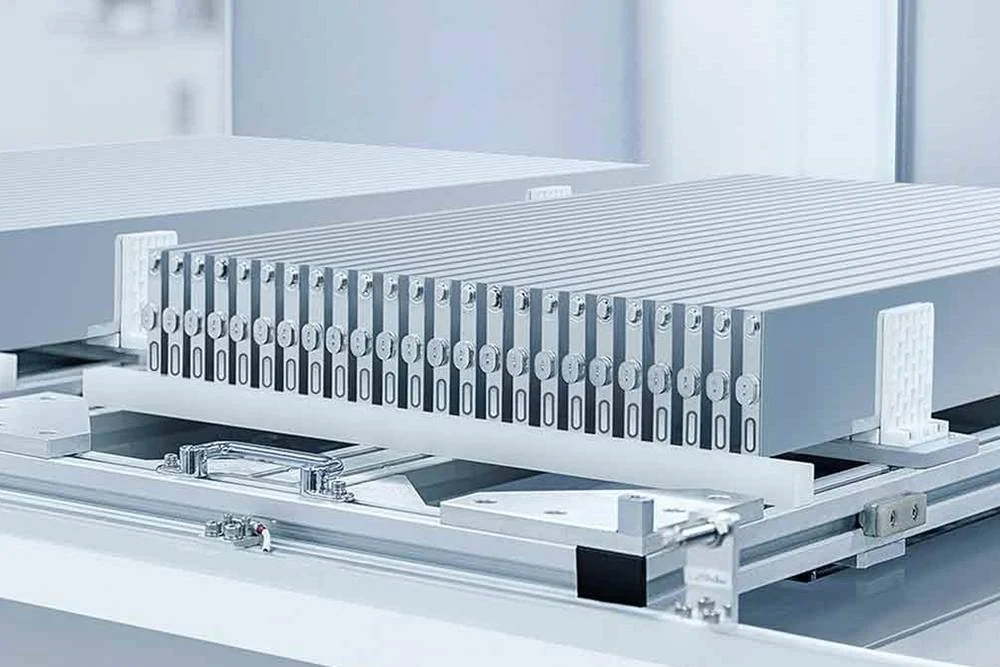
ABOVE: BYD range and Blade battery
A Melbourne Shed Full of BYD Parts
The Melbourne parts distribution centre holds about 100 high-voltage batteries, plus panels, crash parts and fast-moving consumables. Battery replacement is uncommon, but a battery on the shelf means no order from China while the owner drives a rental “for however many weeks or months”. The target is for the part to be in the Australian warehouse 95% of the time. When it isn’t and the car is off the road, it most likely comes by air freight.
Insurance gets expensive when parts can’t be had, which is why that warehouse matters to everyone paying an insurance premium, BYD owners or otherwise.
I asked whether anyone had shown the way. “Toyota’s the best at it,” Collins said, and the plan was to do something similar. A nudge at Toyota, then? “Not really.” Toyota’s still number one and still sells double what BYD does.
The servicing target is under 7 days to book a non-emergency service, where the best brands manage 3 to 4. Emergencies jump the queue, hopefully same day or within a day or so, depending on the dealer.
I’ve tested that myself, when a press car I had was misbehaving and I took it to a BYD dealer on the way home. Someone before me had touched the underside of the front bumper and knocked the sensors out of alignment. The workshop was flat out and diagnosed it on the spot anyway. Reception was brilliant and I felt valued. I secret-shopped another Chinese brand, and the result was quite different. People don’t come back when they’re treated like an inconvenience.
EVDirect laid outstanding groundwork from 2022 until BYD took over in July last year. Collins describes BYD’s retail culture as its own, “not sort of old style”. There are 3 dealer groups with multiple dealerships, a $1,000 deposit online and the transaction done at the dealer.
The customer care call centre is in the same office as Collins, so he can walk 20 metres and ask what customers are saying, good and bad. That goes straight back to China. “We have a lot less layers,” he said, and dealers get the autonomy to look after customers. “I can’t say we’ve got a secret sauce.”
Number Two Every Month Since April
The total market is flat, and Collins says BYD and some other brands are taking share from the legacy players. Orders spiked for 3 or 4 weeks in March and April when the US president’s Middle East war broke out, “but what we’ve really seen now is that the watermark has increased”.
June brought just under 19,000 sales as back orders were delivered, and BYD will finish this year at “a hundred thousand a bit”. It’s been number two in sales “consistently, every single month” since April. “It’s not difficult to have one or two good months, it’s more difficult to consistently be good.”
Then there’s the ship. It carried 4,803 cars, the vast majority of which were already sold, ordered in March and early April. They were built and shipped to be delivered before the end of June. Collins says most makers would need about 6 months, and puts it down to vertical integration and supply chain flexibility.
Chinese-made cars are “approaching or over 30%” of the market, he says. “More brands, more choice, more competition, I think is great for consumers.”
What’s driving it is value for money, and BYD knows it. While Collins may be far too kind to point out the obvious, legacy brands charge more for less. The technology has been slow to catch up and almost all of the Chinese brands have left the West in the dust. The market hasn’t expanded so every old masthead is feel a tightening in the chest.
“Our commitment really has been to bring the best technology we can bring, make our cars good value for money,” Collins said. The range now runs from the $19,990 ATTO 1 to the seven-seat Sealion 8 and the Shark cab chassis, with 8 launches in about 10 months and step-ups from ATTO to Sealion 6 or Sealion 7. The cab chassis is the fit-for-purpose fleet example, and there’s more fleet work coming next year.
Some have said that trading in Chinese cars catches buyers on the way out. I don’t agree that a second-hand BYD is worth next to nothing. A car you can get fixed, with a battery that’s holding up, is a car someone will buy used.
The DM-i super hybrids feel more advanced to me than Toyota’s hybrids. BYD’s plug-ins had longer range and DC charging early, which Toyota is only now offering, at a much higher price. I’d have a Shark myself, and the recent Four Corners piece doesn’t change that. It needed someone to physically get into the car and attach equipment, which an owner would notice. See our Shark 6 hacking story for more detail.
BYD is “a technology company” that started as a battery business, he said. “We certainly stand behind the longevity of our technology.” He’s seen data on cars around 3 years old with very high kilometres and battery health still very good, and says that isn’t exclusive to BYD. DM-i is a single integrated unit, with the gearbox, electric motor and petrol engine together. Whether parts of it can be replaced separately, we’re waiting on the answer and will update when we have more to say.
Blade Cells, Home Batteries and Fewer Diesel Generators
Paul Ellis added that the smallest Blade battery is 7.85kWh in the new ATTO 2 DM-i, and the largest is 82.56kWh in the Seal Performance and Sealion 7. The cells come out individually and are fully recyclable. The pack forms part of the car’s floor, a cell-to-body structure that adds torsional rigidity.
BYD runs a vehicle-to-grid (V2G) trial that started with 50 cars, went to 500 and is now at 1,000, with about 8,000 customers on the waiting list. More detail will follow. There’s also a separate energy storage division selling stackable home batteries. V2G may well change the face of the way energy is created, stored, and used. An electric vehicle is a battery on wheels, and spends 95% of its time idle. What if that time could be used to smooth demand and make money for its owner at the same time?
It’s here now, as is 1500kW charging. EVs outnumber petrol car sales and if you add in other “electrified” models, petrol and diesel is a force belonging to an era the world can no longer afford.
BYD has recycling operations in Asia Pacific and is working with local communities on extracting minerals for new cells. The aim is to help rural communities, many of them Indigenous, get off diesel generators. For me, recycling and new energy matter as much as any sales number.
Above: Polestar 5 Australian Launch Review is Picturesque Tasmania
#Polestar5Performance, #Polestar, #EVReview, #AudiRS, #GayCarBoys
Help Support Gay Car Boys Subscribe to our Youtube Channel by SMASHING THE BUTTON ABOVE
More BYD Stories
- Car Parts Shortages Turn Small Repairs Into Write-Offs
- BYD Australia Answers Four Corners Shark 6 Hacking Claims
- Mixed BYD Sealion 5 ANCAP result breaks five-star run

Alan Zurvas is the founder and editor of Gay Car Boys, Australia's leading LGBTQI+ automotive publication. Before launching GCB in 2008, Alan's automotive writing was published in SameSame.com.au and the Star Observer. With over 16 years of hands-on car reviewing experience, Alan brings an honest, irreverent voice to every review — championing value and innovation over brand loyalty.
Leave a Reply