Once upon a time, buying a car was simple. You picked the model, chose a few options, signed a frightening finance agreement and drove away knowing everything bolted to the vehicle belonged to you. Equally, it was available to the following owners and could be used as a selling point.
Those days seem to be disappearing faster than a manual gearbox.
Modern cars are becoming little more than a rolling wallet, and car makers increasingly see them as an easy way to reach into it at will. The rise of automotive subscription services has sparked a debate that refuses to go away: are they useful, or are they slowly ruining the ownership experience?
The controversy erupted when BMW dipped their toes into the consumer pool with subscription fees for heated seats in some markets, following an earlier, equally maligned attempt to charge owners an annual fee for wireless Apple CarPlay mirroring. Customers were outraged. The seats were already installed, the heating elements were already there, and the phone connectivity hardware had already been paid for at purchase. Yet owners were being asked to pay a recurring fee simply to bypass a corporate software block on physical gear they already owned. Worse still, CarPlay doesn’t have a wired option.
BMW eventually retreated after the backlash, but the genie was out of the bottle.
Above: 2026 MG7 Essence Full Review – a Sweet Little GT Sports car
MG7Review #GrandTourer #Sedan #CarReview

Help Support Gay Car Boys Subscribe to our Youtube Channel by SMASHING THE BUTTON ABOVE


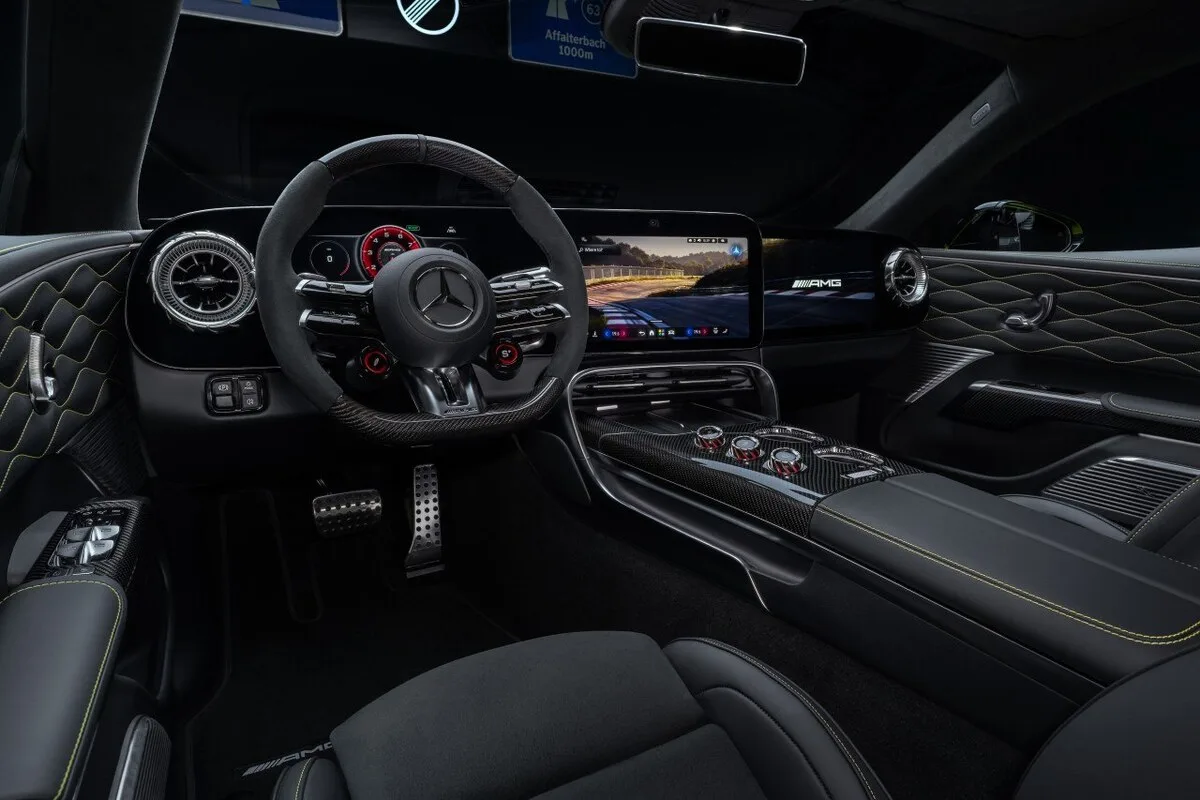


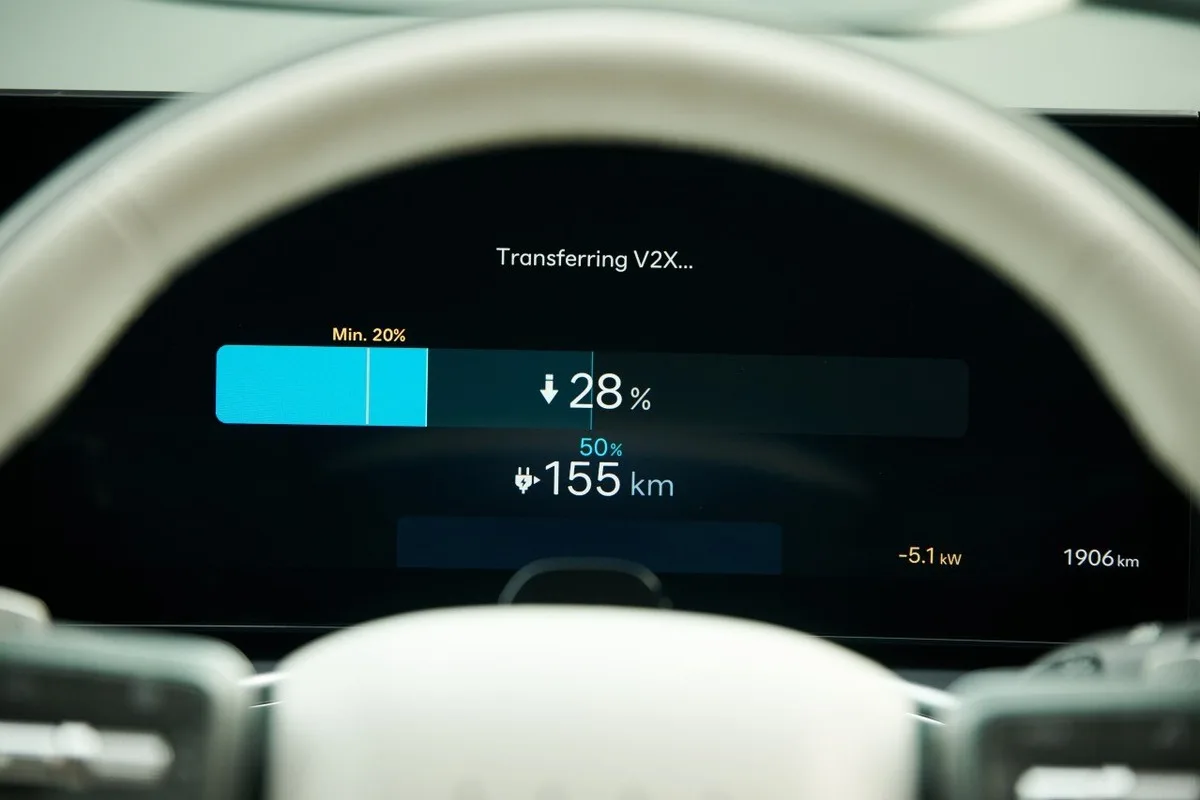


ABOVE: Audi, Mercedes-AMG, Hyundai, Polestar, and connected-car screens.
Other brands have explored similar ideas. Mercedes-Benz has offered subscription-based performance upgrades in some markets. Various manufacturers now lock advanced navigation, connected services, remote access features and driver assistance functions behind paywalls. Some are even considering charging for extra battery performance or temporary power boosts ala Tesla.
This revulsion is altering showroom traffic. Consumer research shows that nearly 70% of punters state they would walk (or run) away from a brand entirely if critical features were restricted exclusively behind such punitive paywalls. The reality is that the threat of expired micro-transactions and software paywalls has poisoned the well for a vast segment of traditional buyers. They are shortlisting brands like Volvo or emerging Chinese disruptors that promise to keep factory-fitted hardware permanently unlocked. Rather than convincing buyers of the flexibility of “on-demand” features, manufacturers are discovering that the menace of a recurring digital tollgate is a highly efficient way to send loyal customers straight into the arms of the competition.
Why this shift?
From the manufacturers’ perspective, the greed is obvious, but the underlying ambition goes far deeper. New cars are becoming rolling ATMs for original equipment manufacturers (OEMs). The traditional business model of selling a vehicle once and hoping for a trickle of servicing business is being replaced by aggressive targets for high-margin, recurring digital revenue. Global giants like the failing Stellantis openly project software services and subscriptions to rake in tens of billions annually, while financial analysts expect some premium electric brands to eventually generate more profit from software tollgates than from the physical metal they build. By treating every dashboard as a digital storefront, car makers are trying to guarantee that your wallet stays connected to their balance sheet for the entire lifecycle of the vehicle.
Developing software is expensive. Maintaining connected services costs money. Data storage, cloud services, cybersecurity and ongoing software development all require investment long after a vehicle leaves the showroom. Car makers insist that subscriptions provide a steady income stream that allows them to continue improving vehicles through over-the-air updates. Once upon a time, profits from sales did that. Perhaps that’s why so many buyers are talking with their wallets.
There is also a PR-spin consumer argument which is that not everybody wants every feature all the time.
A family heading off on a winter ski trip might happily pay a small fee to activate heated seats for a month. Someone preparing for a long interstate holiday may subscribe to enhanced navigation or driver assistance functions before cancelling them when they return home. Subscriptions allow buyers to tailor their cars to changing needs without paying thousands upfront.
The PR spin sounds reasonable at first but customers don’t see it that way. They see it as a money grab.
Most people don’t regard heated seats, four-wheel steering or extra performance as software services, they see them as vehicle features. Once a physical component is fitted to a car, owners expect to be able to use it.
It’s the automotive equivalent of buying a house and discovering you must pay a monthly fee to use the second bathroom.
Buyers can accept paying for streaming services because content continues to be supplied. Paying to unlock hardware already sitting in the driveway is completely different.
What do subscriptions mean for long-term ownership.
Historically, a vehicle purchased today could still function perfectly in twenty years, more or less. Enthusiasts continue driving classic cars from the 1960s, 1970s and 1980s because ownership is straightforward. The car exists independently of its manufacturer. Connected vehicles tie the unit to the carmaker forever.
What happens if a manufacturer discontinues a service? What if servers are switched off? What if a company exits a market entirely? These questions are not theoretical.
Several manufacturers have already discontinued connected services for older vehicles as technology platforms aged. Features that once worked perfectly simply stopped functioning. Owners were left with hardware that could no longer deliver the experience originally advertised. Fisker is one such example. Then of course, there was Fisker, a luxury EV maker whose collapse left owners completely on their own. In that case a group coalesced to form grass roots updates, but that’s not going to last forever.
The issue of remote control.
Can manufacturers immobilise cars remotely? Yes.
Many connected vehicles have remote disabling. Finance companies have used similar technology in some markets for years. Manufacturers can also remotely manage software functions and access various vehicle systems.
For everyday owners, the risk is less about a company randomly disabling a car and more about increasing dependence on remote systems. Every new connection point creates another potential failure point. The more functions controlled through software, the greater the consequences when something goes wrong. Some have asked if such deployments could be made during a hack, or a war.
Things do go wrong.
Over-the-air updates (OTAs) have become one of the industry’s go-toos. When they work, they are fabulous. A vehicle can receive new features, bug fixes, improved efficiency and updated infotainment systems without schlepping to a dealership.
Tesla normalised this approach, and many manufacturers have followed. As q quick reminder, Tesla now charges $149 a month for FSD (full self driving) Supervised. No pay, no play!
Yet software updates have not always been smooth. Across the world there have been cases where updates induced horrific bugs, disabled features, caused charging problems or left owners temporarily unable to use parts of their vehicles, if the car can move at all. Most issues are eventually resolved, but they highlight a reality classic car drivers never had to consider, and never will.
Your car now behaves more like a laptop, sometimes the update improves everything, sometimes it creates a whole new set of headaches.
Resale value.
Used-car buyers like simplicity. A ten-year-old car blighted by expired subscriptions, unsupported software and uncertain connectivity is less attractive than one where every feature works permanently. Nobody wants to discover their second-hand luxury car requires multiple monthly payments just to operate features the original owner enjoyed.
Who wants to buy a digital minefield?
Not every subscription is bad
Some services make sense.
Live traffic information, cloud-based navigation, emergency assistance, vehicle tracking and data-heavy connected services all involve ongoing costs. Few people object to paying for services that continue to be delivered. Mind you, your iPhone does that and it does it included in the price.
The problem arises when the line between service and ownership becomes blurred.
Customers accept paying for Netflix because the content constantly changes. They balk at a monthly fee to use a seat heater fitted three years ago. The industry is treating buyers like mugs, and mugs they are not.
People are happy to pay for services, but are far less willing to rent their own car back from the manufacturer one feature at a time.
Subscription services are not ruining modern cars by themselves, poor implementation is the real problem. Connected technology, software updates and optional digital services can improve ownership. But when manufacturers treat every switch, button and hardware feature as a future revenue opportunity, they destroy customer loyalty.
The car industry spent more than a century convincing people that buying a vehicle meant ownership. The subscription era is testing just how much of that ownership consumers are prepared to capitulate.
Examples
BMW ConnectedDrive Upgrades
BMW splits its offerings into recurring digital data packages and software-activated hardware switches called Functions on Demand.
1. Software-Locked Hardware (Functions on Demand) These features use the built-in sensors, cameras, and modules already present in the car. You can activate them via a monthly subscription, a 1-year pass, or a permanent outright buy-out.
- Driving Assistant Plus: Unlocks adaptive cruise control with stop-and-go functionality and lane-keep assist using the built-in radar and camera arrays.
• Parking Assistant Professional: Activates remote-controlled parking, allowing you to guide the car into tight spaces from outside the vehicle using your phone.
• BMW Drive Recorder: Converts the factory 360-degree parking cameras into an onboard dashcam that saves footage in the event of an accident.
• High-Beam Assistant: Software-unlocks the automatic dipping matrix function for the built-in LED headlights.
• Adaptive M Suspension: Adjusts damper valving stiffness dynamically based on software algorithms (available on select models built with electronic dampers).
• Remote Engine Start: Activates climate pre-conditioning via the key fob or app.
2. BMW Digital Premium (Data & Infotainment Ecosystem) This is an all-in-one monthly/annual data subscription primarily for newer vehicles running Operating System 9.
- In-Car Gaming & Video: Grants data access for third-party apps, including video streaming platforms and AirConsole gaming (using your phone as a controller).
• Advanced Navigation: Activates 3D maps, satellite overlays, and real-time traffic updates.
• Security Assistant: Uses the internal cameras to monitor the cabin and sends alerts/footage to your phone if the alarm is triggered or the car is bumped.
Mercedes-Benz Digital Extras
Mercedes-Benz groups its connected architecture into a primary tiered ecosystem called Digital Extras, alongside permanent or recurring performance overrides.
1. Core Digital Extras Packages Once the complimentary factory trial window closes, Mercedes bundles its connected features into recurring subscription packs (like the Excellence Package).
- Remote Package: Covers smartphone app integration, remote locking, remote engine start, and pre-entry climate control setup.
• Navigation Package: Unlocks live traffic data, local weather map overlays, and Car-to-X communication (allowing the car to receive hazard alerts broadcast by other Mercedes vehicles on the road).
• Guard 360°: Integrates with the built-in alarm system to provide live tracking, tow-away alerts, and parking collision notifications via smartphone push notifications.
2. On-Demand Hardware Activations These are individual features locked behind software barriers that can be activated dynamically.
- Rear-Axle Steering Upgrade: On models like the EQS or S-Class built with physical rear steering components, this software change increases the maximum steering angle from 4.5 degrees to 10 degrees to drastically reduce the turning circle.
• Acceleration On-Demand: A recurring subscription for specific EQ electric models that alters the inverter programming to unlock extra electric motoroutput and shave up to a second off the 0-100 km/h time.
• Factory Dashcam: Activates recording capability through the existing built-in high-definition windshield safety camera.
• DIGITAL LIGHT Animations: Unlocks specific projection motifs and startup light choreography for advanced matrix headlight units.
• AMG Track Pace: Turns the existing MBUX infotainment screen into a telemetry logger for track driving, recording speed, acceleration, and lap times.
More Car Technology Stories
- Tesla FSD Supervised Review: Smart, Scary, and Still Learning
- Audi Gives the A3 a Digital Makeover for 2026
- Polestar Rolls Out OTA Updates For Polestar 2 Models
Help Support Gay Car Boys Subscribe to our Youtube Channel by SMASHING THE BUTTON ABOVE

Alan Zurvas is the founder and editor of Gay Car Boys, Australia's leading LGBTQI+ automotive publication. Before launching GCB in 2008, Alan's automotive writing was published in SameSame.com.au and the Star Observer. With over 16 years of hands-on car reviewing experience, Alan brings an honest, irreverent voice to every review — championing value and innovation over brand loyalty.
Leave a Reply