Mercedes-Benz is opening a Studio at 39 Martin Place, Sydney in September 2026, placing a showroom and event space directly into one of the city’s busiest CBD corridors. It is a selling space with enough room for caterers and a couple of gelato stands.
Martin Place is a high-profile, high-traffic pedestrian spine through Sydney’s financial district, surrounded by corporate, retail, and government hubs. CBD spaces are notoriously difficult to run as showrooms given the lack of parking for test cars, and the palaver of getting stock in and out. Mercedes is not establishing a new destination as claimed; it is inserting a branded marketing installation into an existing urban hub to capture passing foot traffic. The thought of Benz buyers walking anywhere is rather adorable really.
This company space leaves ownership cycles, maintenance, and transactional sales with the traditional dealer network. This high-visibility CBD outpost is then a place built to engage buyers who now do most of their purchasing activity online. Just like the rest of us, posh people like to shop from home.
Above: 2026 MG7 Essence Full Review – a Sweet Little GT Sports car
MG7Review #GrandTourer #Sedan #CarReview

Help Support Gay Car Boys Subscribe to our Youtube Channel by SMASHING THE BUTTON ABOVE


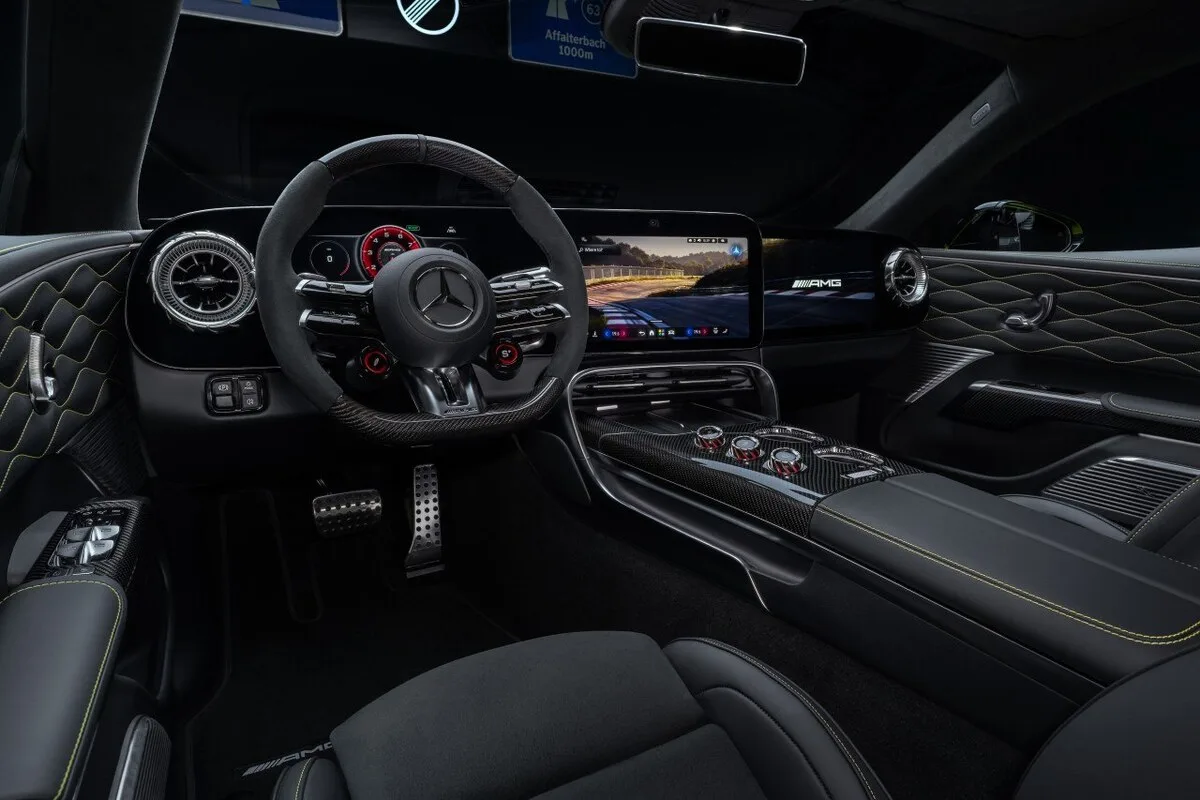

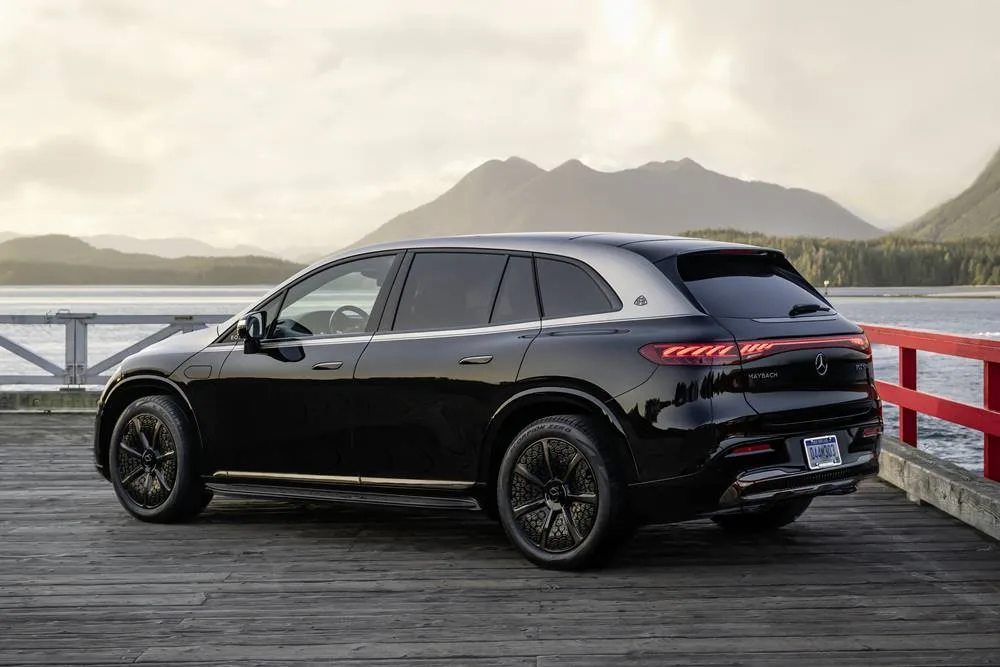
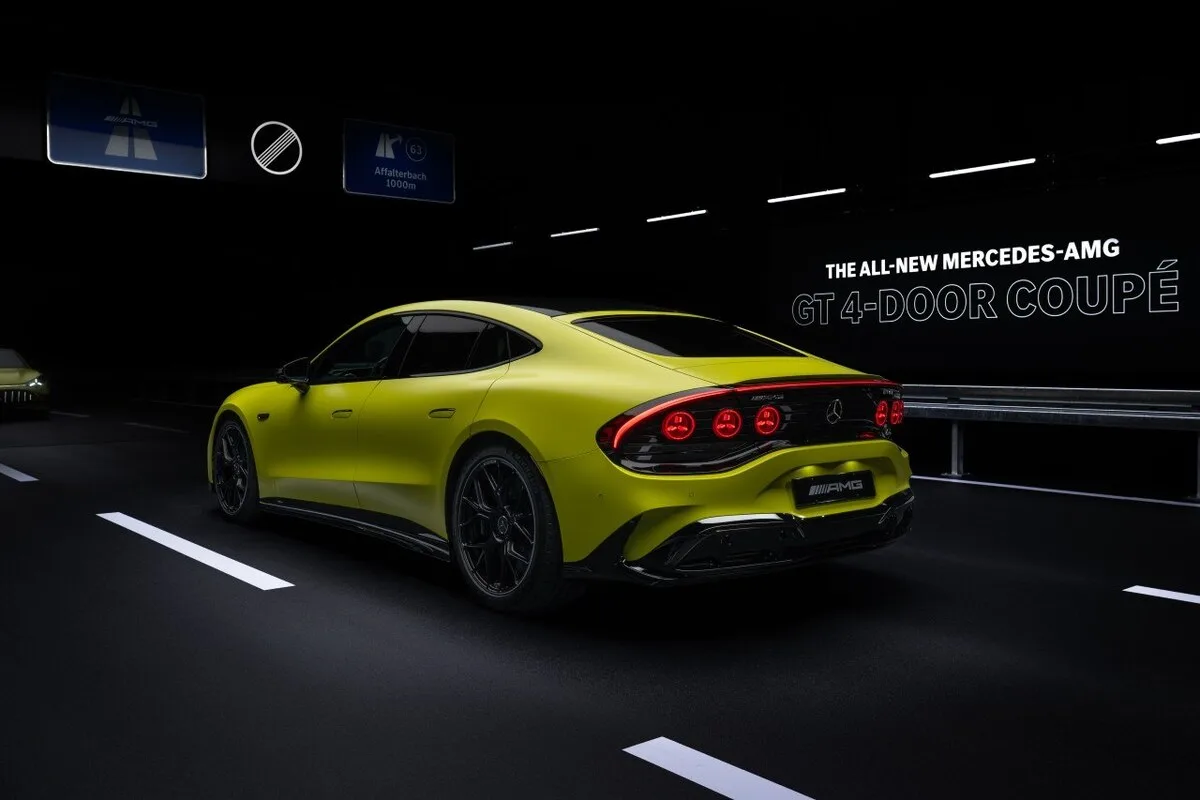
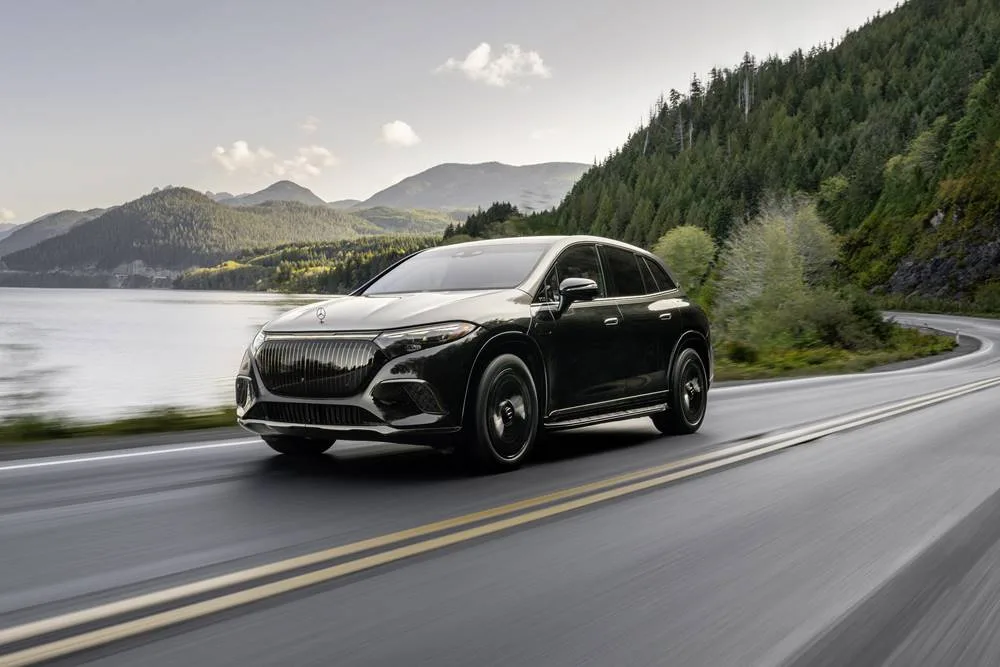


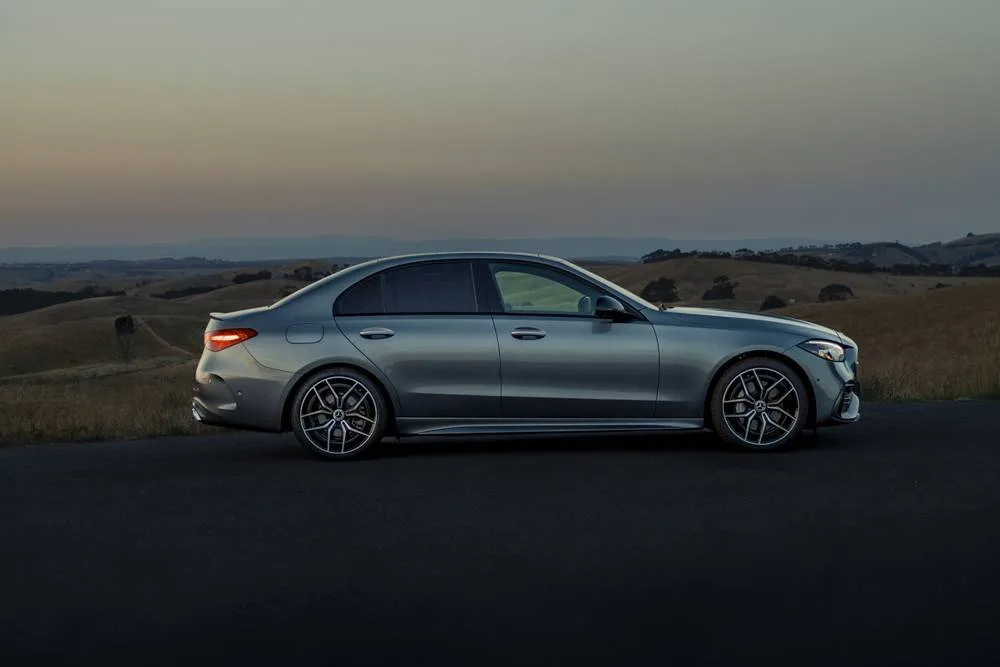

ABOVE: Mercedes-Benz Studio Sydney
The “140 Years” Marketing Play
Ahead of its official opening, the Studio will host its first public event as a stop on the global “140 Years. 140 Places” tour. The campaign features the updated S-Class travelling across six continents to celebrate “140 years of innovation.”
It might be a smarter move than it first appears. Unlike many of the brands to have materialised over the last year or two, Mercedes-Benz has real history whose namesakes started 140 years ago. On 29 January 1886, Carl Benz patented his three-wheeled Motorwagen. By tying the tour to its modern flagship, Mercedes-Benz is merging the birth of the company with the timeline of the formidable S-Class itself.
It would be a stretch to mention S-Class, as we know it, in the same breath as the Gullwing. In reality, the executive lineage spans roughly 70 years, beginning with the post-war “Ponton” and the W108/109 series that established the wide, finless design language of the modern luxury saloon. The “S-Class” moniker was only codified 54 years ago with the launch of the W116 in 1972.
The Activation Object, Mild Facelift vs New Generation
The vehicle anchoring the Martin Place activation is the updated W223 S-Class. While promotional materials frame the launch as a major technological transformation, a cold assessment reveals a standard mid-cycle facelift designed to extend the existing platform’s lifecycle.
The updates are incremental and focused on showroom presence rather than core structural or mechanical breakthroughs:
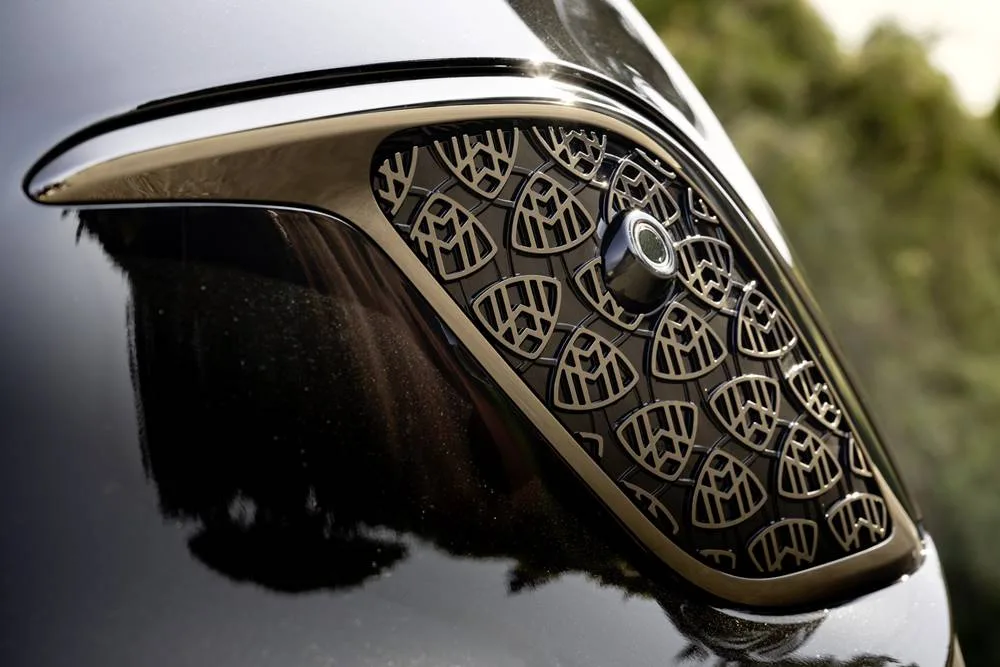
- Cosmetic Changes: The exterior revisions are limited to a 20% larger, illuminated front grille and revised micro-LED light lenses featuring integrated three-pointed star motifs.
- Interior Technology: The dashboard adopts the glass MBUX Superscreen running the new MB.OS architecture. While this updates the interface with cloud-based features like suspension pre-conditioning, it uses digital architecture that filtered up from lower-tier models like the CLA, reversing the historic S-Class tradition of debuting brand-new technology before passing it down the range.
- Under the Skin: Beneath the new screen layouts, revised digital air vents, and heated seatbelts, the underlying mechanical platform remains the same W223 architecture that debuted years ago.
The Martin Place Studio uses a global corporate blueprint mirrored by urban spaces from rivals like Audi, BMW, Genesis, and Cadillac. By launching the Sydney site with the “140 Years” tour, Mercedes-Benz is staging an exhibition around a routine electronic and cosmetic vehicle refresh, using the historic weight of an 1886 patent to elevate a standard mid-cycle product update.
A History of the Brand
- 1883, Benz & Cie. Founded: Karl Benz establishes Benz & Company Rheinische Gasmotoren-Fabrik in Mannheim, focusing on industrial engines.
- 1886, The Birth of the Automobile: Karl Benz patents the three-wheeled Patent-Motorwagen in January; Gottlieb Daimler and Wilhelm Maybach build the four-wheeled Motorised Carriage in August in Cannstatt.
- 1888, The First Long-Distance Drive: Bertha Benz takes her sons on an unauthorised 106-kilometre journey in the Patent-Motorwagen, proving the car’s reliability and inventing the brake lining.
- 1890, DMG Founded: Gottlieb Daimler and Wilhelm Maybach establish Daimler-Motoren-Gesellschaft to manufacture high-speed internal combustion engines.
- 1900, Death of Daimler: Gottlieb Daimler passes away, leaving Wilhelm Maybach and Emil Jellinek to guide the technical and commercial future of DMG.
- 1901, The First “Mercedes”: DMG delivers the Mercedes 35 HP, commissioned by Emil Jellinek and named after his daughter, Mercedes; it is widely recognised as the world’s first modern automobile.
- 1902, Trademark Registered: DMG officially registers “Mercedes” as a protected brand name.
- 1909, The Logos Emerge: DMG registers the Three-Pointed Star, representing transport dominance on land, sea, and air; Benz & Cie. registers a laurel wreath logo.
- 1924, Syndicate of Necessity: Post-WWI economic hyperinflation forces the fierce rivals, DMG and Benz & Cie., to sign an Agreement of Mutual Interest to standardise design and production.
- 1926, The Official Merger: The two entities officially merge to form Daimler-Benz AG, and the vehicle brand Mercedes-Benz is born, combining the Daimler star with the Benz laurel wreath.
- 1930, 770 “Grosser” Debuts: Mercedes-Benz launches the 770 luxury limousine, setting the standard for state vehicles and establishing the lineage of the brand’s top-tier executive flagship.
- 1951, The “Adenauer” Era, W186: The 300 sedan premieres at the Frankfurt Motor Show, becoming the official post-war flagship favoured by German Chancellor Konrad Adenauer.
- 1954, The “Ponton”, W180: Mercedes-Benz introduces its first unibody luxury model, introducing the “S”, Sonderklasse or Special Class, designation with the 220 S.
- 1959, The “Fintail”, W111: Production begins on the elegant Fintail generation, which implements Bela Barenyi’s revolutionary safety patent, the world’s first front and rear crumple zones.
- 1965, The Masterpiece Predecessor, W108/W109: Paul Bracq designs a timeless, upright look; the lineup culminates in the legendary 300 SEL 6.3, the world’s fastest production sedan of its era.
- 1972, The First Official S-Class, W116: Mercedes-Benz officially launches the “S-Class” nameplate, pioneering four-wheel Anti-lock Braking Systems in a production car in 1978.
- 1979, The Best-Selling W126: A masterclass in aerodynamics and engineering that stays in production for 12 years, introducing pyrotechnic driver airbags and passenger safety pretensioners.
- 1991, The Over-Engineered W140: Developed at a cost of over $1 billion USD, this large “tank” introduces double-glazed windows, brake assist, and the brand’s first production V12 engine in the S 600.
- 1998, The Digital Leap, W220: Shifting to a sleeker, weight-saving body, this generation integrates Airmatic air suspension, Distronic radar cruise control, and the early COMAND infotainment system.
- 2005, The Automated Vanguard, W221: Mercedes-Benz debuts Brake Assist Plus, autonomous partial braking, alongside upgraded night vision assist and an all-electronic rotary control interface.
- 2013, The Intelligent Drive, W222: The first vehicle entirely without lightbulbs, relying strictly on 500 LEDs; it introduces “Magic Body Control,” scanning the road ahead with cameras to adjust the suspension dynamically.
- 2020 to Present, The Digital Powerhouse, W223: The modern era introduces the large MBUX Hyperscreen, rear-axle steering up to 10 degrees, and Drive Pilot, the world’s first internationally certified Level 3 conditionally automated driving system for public motorways.
More Mercedes-Benz Stories
- Inside the Super Luxury of the new Mercedes-Maybach EQS 680 SUV
- Mercedes-AMG GT 4-Door Coupe EV Brings 860kW To The Electric Fight
- Are Subscription Services Ruining Modern Cars?
Help Support Gay Car Boys Subscribe to our Youtube Channel by SMASHING THE BUTTON ABOVE

Alan Zurvas is the founder and editor of Gay Car Boys, Australia's leading LGBTQI+ automotive publication. Before launching GCB in 2008, Alan's automotive writing was published in SameSame.com.au and the Star Observer. With over 16 years of hands-on car reviewing experience, Alan brings an honest, irreverent voice to every review — championing value and innovation over brand loyalty.
Leave a Reply