By Dame Tuesday Knight
Dearest Gentle Reader,
It is whispered in the corridors of Mayfair—and indeed, throughout the more discerning salons of the Beau Monde—that Dame Tuesday Knight finds herself in want of a new carriage. The on-dit is, for once, entirely accurate. My present conveyance, a Bentley Continental GT of distinguished vintage, has developed what can only be described as a temperament most unsuitable for a vehicle of its breeding. It is a truth universally acknowledged that a lady in possession of a significant social calendar must be in want of a reliable motor; yet my current stallion of steel has become as unpredictable as a second-son’s inheritance after a night at White’s.
The check engine lamp illuminates with the frequency of a débutante’s blush at her first assembly. It is a garish, orange intrusion upon the wood-veneered sanctuary of my dashboard, winking at me with a malevolence that suggests it knows precisely when I am due at the Duchess’s garden party. The infotainment apparatus—a term I use loosely, as it provides neither information nor amusement—freezes mid-aria, leaving one suspended in silence like a wallflower awaiting a dance that shall never come. And last Tuesday—an inauspicious day that shares my name—the wretched thing declined to start altogether, leaving Simmons and I stranded at the Langham whilst the valet looked on with an expression of barely concealed horror.
To be stranded is a commoner’s fate. To be stranded in full view of the Langham’s revolving doors, clutching a parasol and an indignant expression, is a social catastrophe of the first water. One does not simply “wait” for a tow truck; one suffers a public humiliation that the tabloids would pay dearly to chronicle. It simply shall not do. A lady’s reputation is built on the grace of her arrival, not the tragedy of her mechanical failure.
And so, a consultation was convened. Simmons—my driver these past two decades, a man of infinite patience, impeccable discretion, and a capability for navigating a tight corner matched only by his ability to ignore my more spirited outbursts—was summoned to the morning room. I had arranged the relevant literature upon the escritoire, the glossy brochures of various marques laid out like suitors’ calling cards at the start of a Season.
“Simmons,” I announced, setting aside my correspondence and adjusting my spectacles. “We find ourselves in the matrimonial market. For carriages.”
He inclined his head with the gravity the situation demanded, his face a mask of professional neutrality. “I had anticipated as much, ma’am. The Bentley’s recent performance has been… evocative of a tragic opera.”
“Indeed. It is time we sought a more stable union. Might I enquire as to your requirements?”
One might indeed.
The Non-Negotiables: A Lady’s Demands
Firstly, and most crucially, the new conveyance must be electric. It is no longer acceptable to arrive at the Opera trailing fumes like some merchant’s wife returning from the coal exchange. We live in an age of enlightenment, and the smell of internal combustion is increasingly reminiscent of the Industrial Revolution’s less savoury excesses. The silence of an electric motor is the only appropriate accompaniment to one’s contemplations. One wishes to glide into the courtyard, not announce one’s arrival with a series of uncouth mechanical belches.
Furthermore, I have heard that the charging infrastructure at the better establishments has improved considerably. The Langham now employs valets who comprehend these matters with more than a vacant stare. The Connaught, I am told, does not—but then, one has always found the Connaught rather trying. One does not wish to spend one’s evening worrying if the carriage has enough “spark” to return one to the country pile, or if one must resort to the indignity of a public omnibus.
Secondly, the rear accommodation must be generous beyond reproach. I do not drive—Simmons attends to that particular unpleasantness—and I refuse to be folded into a rear compartment like yesterday’s correspondence. Legroom is not a luxury; it is a basic dignity owed to persons of quality. My physician, Dr. Hartley, has remarked upon the importance of circulation during long journeys, and I shall not compromise my constitution for the sake of exterior aesthetics. I require a cabin that allows for the full deployment of a silken gown without the risk of unseemly wrinkling. If I cannot cross my legs without striking the back of Simmons’s seat, the vehicle is fit only for a schoolroom.
Thirdly, the boot must accommodate my Louis Vuitton steamer trunk, my hatboxes (three at minimum), my vanity case, and Simmons’s modest effects. I will not have my belongings strapped to the roof like a troupe of travelling players bound for the provinces. A lady travels with her world intact, and that world requires space. To compromise on luggage is to compromise on one’s identity; I shall not arrive at a house party lacking the appropriate millinery simply because a designer preferred a sloping roofline.
Fourthly—and here I must be delicate—the marque must be appropriate. One’s carriage is, after all, a declaration of one’s standing. To arrive in something common would be to announce oneself as a person of no consequence. The ton notices these things. The ton notices everything. A name with heritage, a badge with a story—these are the things that keep the gossips at bay. We are seeking a vehicle that whispers of old money and new technology in the same breath.
“And the budget, ma’am?” Simmons enquired, one eyebrow elevated in that particular manner he has cultivated over the years to suggest fiscal prudence without actually uttering the word ‘expense’.
“Simmons, a lady does not discuss figures. Suffice it to say that if the sum is less than the annual maintenance of the East Wing, we shall consider it within the bounds of reason. We are looking for a soulmate, not a bargain. One does not haggle over the price of one’s dignity.”
He produced a leather folio. “I have taken the liberty of compiling a shortlist, ma’am. A parade of suitors for your consideration.”
Above: Lexus GX550 Review
#LexusGX550, #V6TwinTurbo, #LuxurySUV, #VFACTS, #CarReview

Help Support Gay Car Boys Subscribe to our Youtube Channel by SMASHING THE BUTTON ABOVE


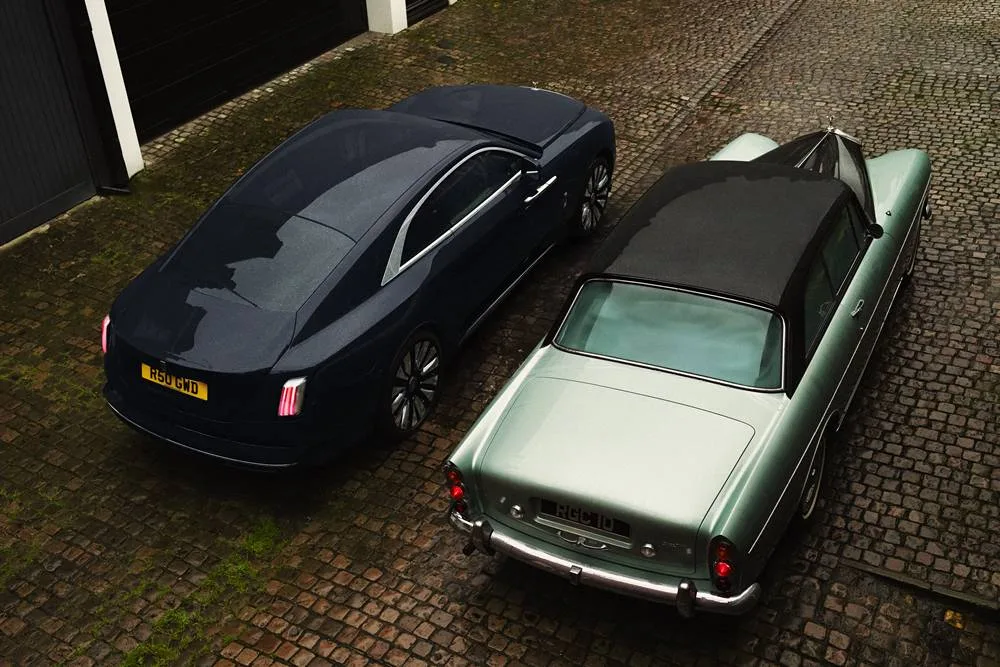


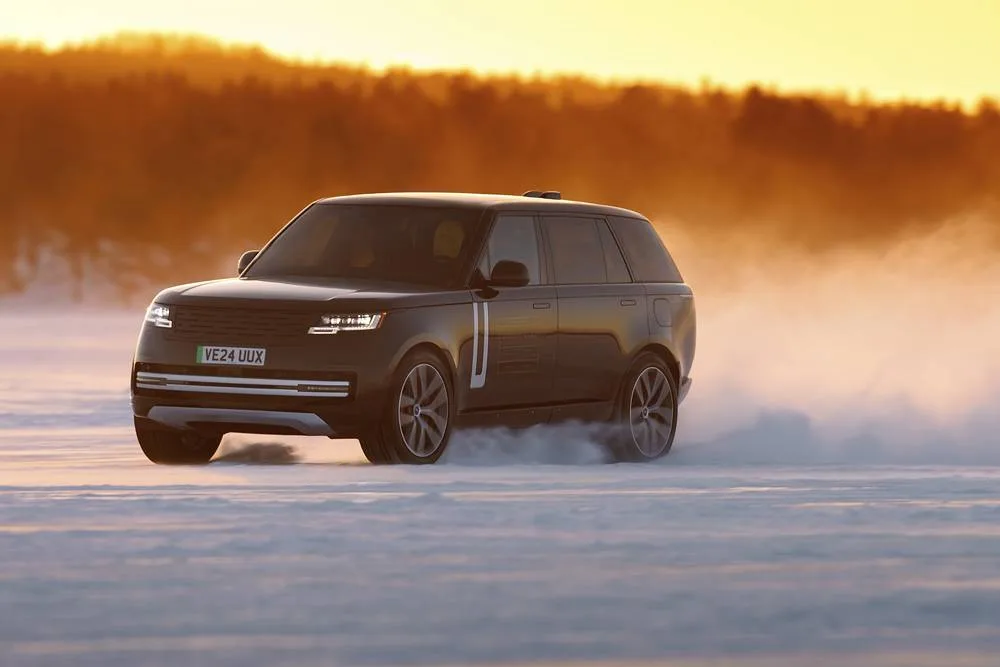


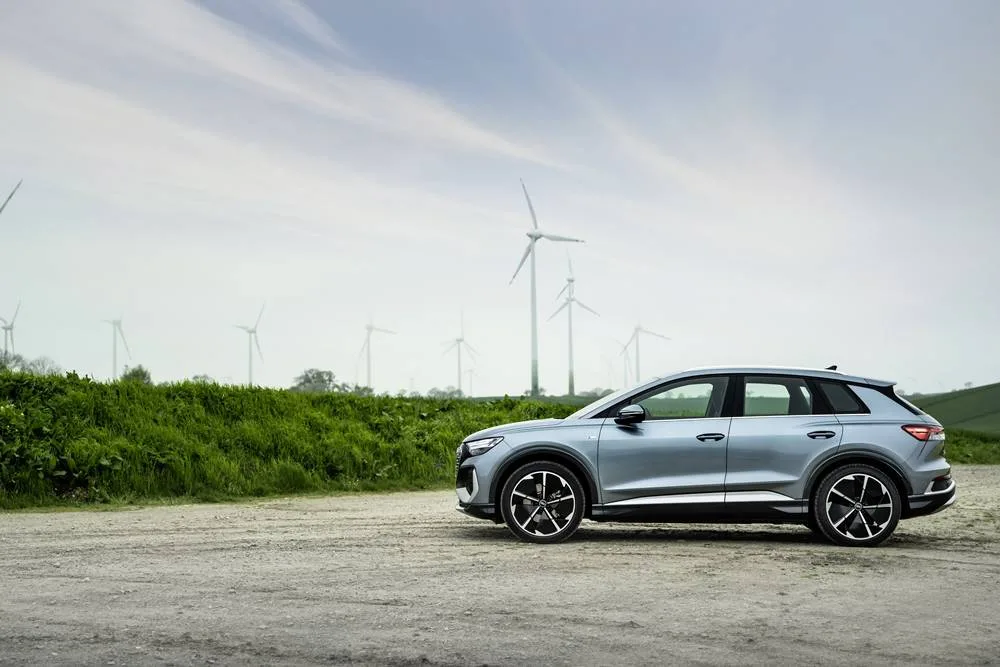
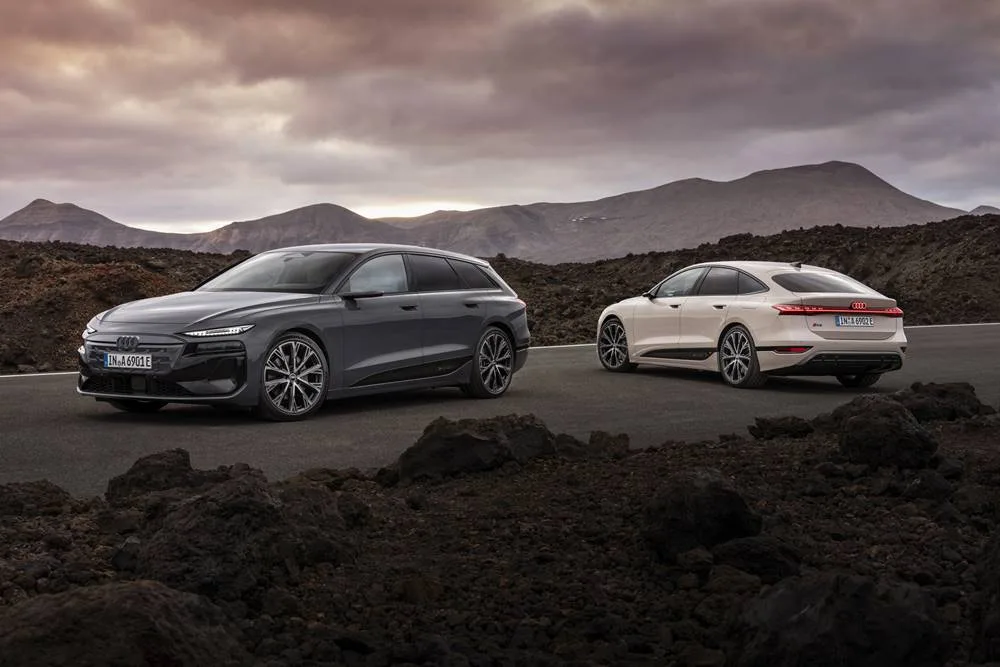
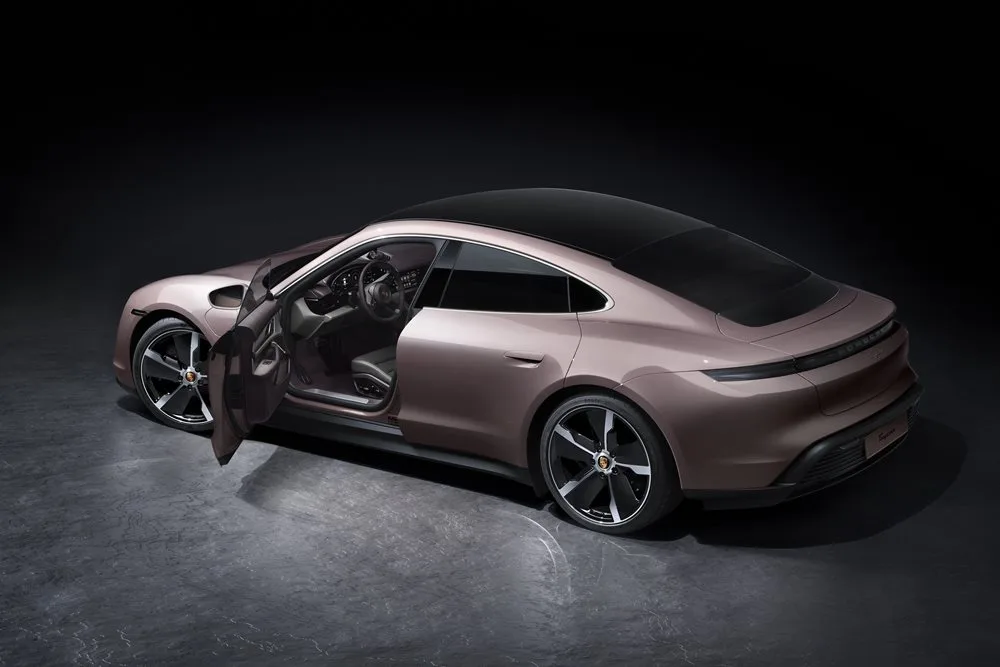
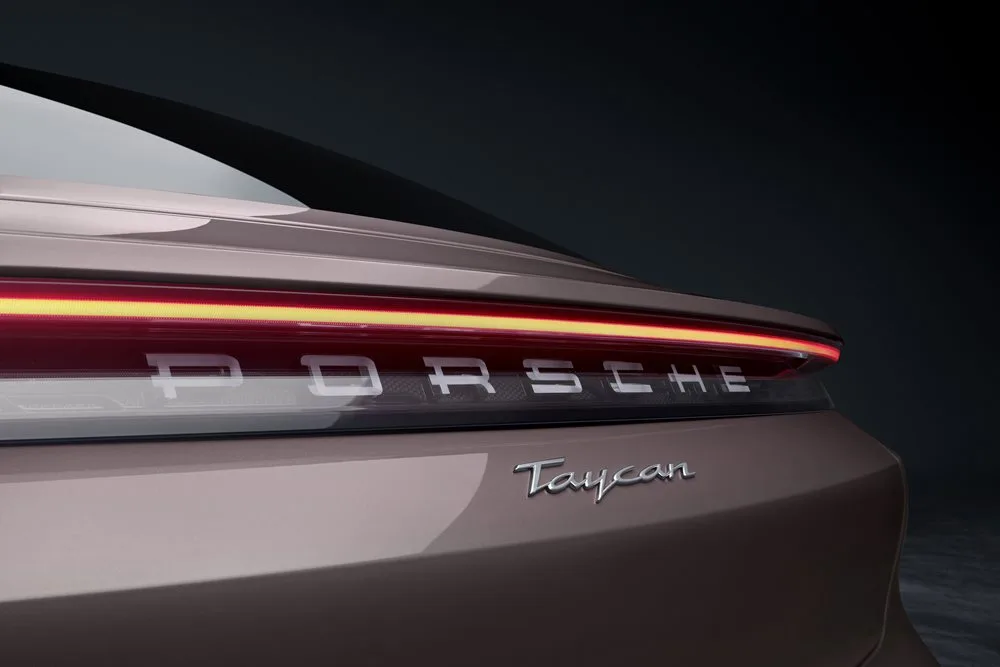
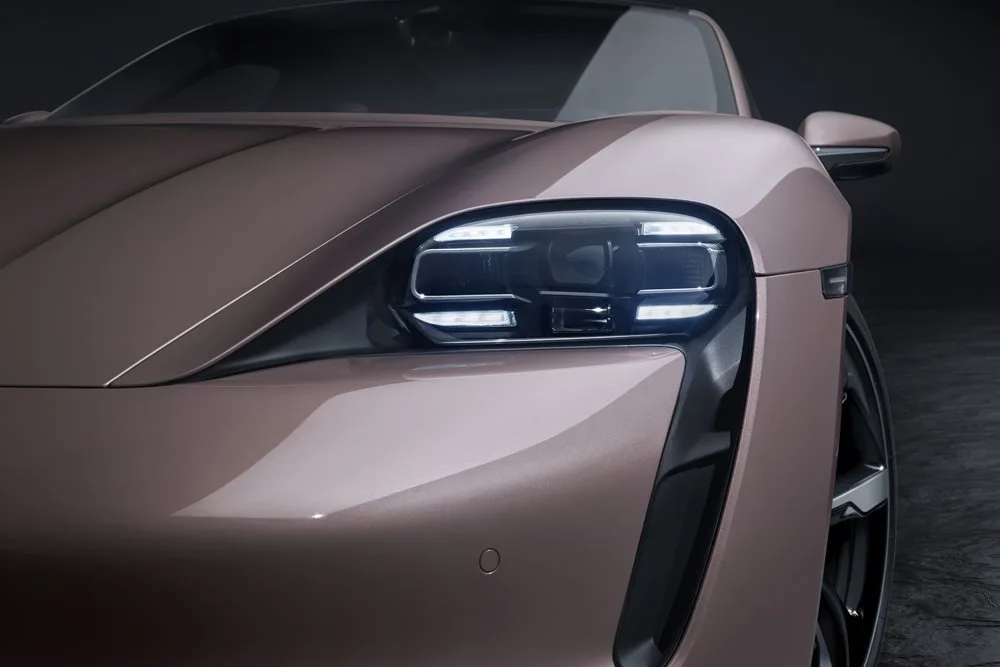
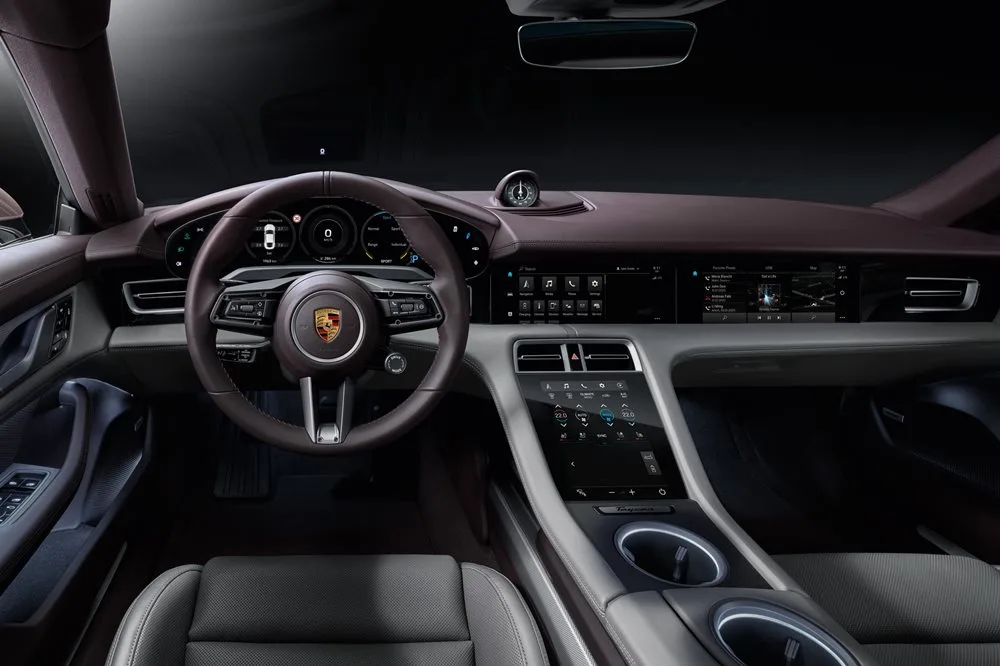
ABOVE: Her Ladyship’s choices
The Contenders: A Parade of Suitors
The obvious choice. The only choice, some might say—and indeed, I was amongst their number until quite recently. The House of Rolls-Royce has produced its first fully electric conveyance, and by all accounts, it is a triumph. The Starlight headliner—a constellation of fibre-optic lights embedded in the ceiling—transforms the rear compartment into a private observatory. One feels as though one is being conveyed through the heavens themselves, which is precisely how one ought to feel when traveling from one’s estate to a ball.
The silence is said to be absolute, a hush so profound it makes a library seem boisterous. The craftsmanship is beyond reproach, with leather so soft it feels like a lover’s whisper. The rear accommodation is positively palatial, designed for the comfort of those who occupy the highest rungs of society. However—and here one must lament—the waiting list extends to eighteen months. Eighteen months! One might expire of anticipation. One might fall entirely out of fashion. One’s current Bentley might spontaneously combust in the interim.
“It remains under consideration,” I informed Simmons. “But one does not wait. One is waited upon. To languish on a list is for those who do not know the power of a well-placed letter.”
Bentley — A Fresh Continental?
Simmons, ever loyal to the marque that has served us these many years, suggested we might simply acquire another Bentley. The Continental GT Speed, perhaps, or the Flying Spur for additional rear accommodation.
I was forced to be direct. “Simmons, the House of Bentley has wounded me. I bore its temperaments, its electrical eccentricities, its inexplicable reluctance to start on cold mornings. I extended every courtesy. I spoke to it in soothing tones. I even had the garage climate-controlled. And how was I repaid? With abandonment at the Langham.”
“The new models are said to be improved, ma’am. The engineering has been refined by the most diligent of minds.”
“So said the Viscountess Ashworth of her third husband after he returned from the Continent, and we all know how that concluded—with a public separation, a very messy auction of the family jewels, and a permanent exile to a damp cottage in the North. I shall not return to a suitor who has already proven unfaithful.”
The Germanic option. One must acknowledge that the House of Mercedes has long supplied conveyances to persons of consequence, and their Maybach division caters specifically to those who find the standard offerings insufficiently grand. The EQS SUV, rendered in Maybach specification, offers a rear compartment that rivals a private railway carriage. Reclining seats. Champagne flutes in the centre console—though one hopes they are properly chilled. Screens for entertainment, should one be so inclined.
However, I confess the exterior styling puts me in mind of a very expensive bar of soap. It is rounded in a manner that suggests the designer was perhaps overly concerned with “aerodynamics” and “wind resistance” and insufficiently concerned with “presence” and “gravitas.” A carriage should announce one’s arrival with a flourish. This one rather oozes into view. It is functional, yes, but it lacks the bone structure of a true aristocrat.
“Adequate,” I pronounced. “But not distinguished. It looks as though it should be used for transporting one’s dermatologist to an appointment, not for a lady of the ton.”
Simmons, ever practical and perhaps a bit too fond of Bavarian gadgets, advanced the claims of the i7.
“The i7, ma’am, offers exceptional rear theatre screens. Thirty-one inches, with Amazon Fire integration—”
“Simmons.”
“Ma’am?”
“I do not watch screens in motorcars like some sort of child being placated on a journey to visit tedious relations. The very suggestion is beneath discussion. A lady looks out the window at the world she owns, or she reads a book of poetry. She does not indulge in digital distractions like a commoner at a cinema. I have eyes for the landscape, not for pixels.”
He accepted the rebuke with characteristic grace. I shall concede that the i7 is not without merit. The rear accommodation is generous, and the exterior possesses a certain heft that suggests seriousness of purpose. But it lacks poetry. It is efficient without being enchanting—rather like a suitor who arrives punctually but has nothing interesting to say other than the current price of corn and the merits of crop rotation.
The e-tron GT was raised and swiftly dismissed. It is, fundamentally, a driver’s carriage—low-slung, aggressive, designed for persons who wish to operate the vehicle themselves. It looks as though it wants to devour the road, which is quite a violent sentiment for a morning’s outing to the florist.
“Simmons, do I appear to be the sort of woman who drives? Do I look like I wish to be hunched over a steering wheel, battling the elements and the uncouth drivers of delivery vans?”
“You do not, ma’am. You look like the sort of woman who commands the destination and expects it to arrive at her convenience.”
“Then let us speak no more of Audi. It is a toy for those who haven’t yet learned that the most powerful seat in a carriage is the one in the back.”
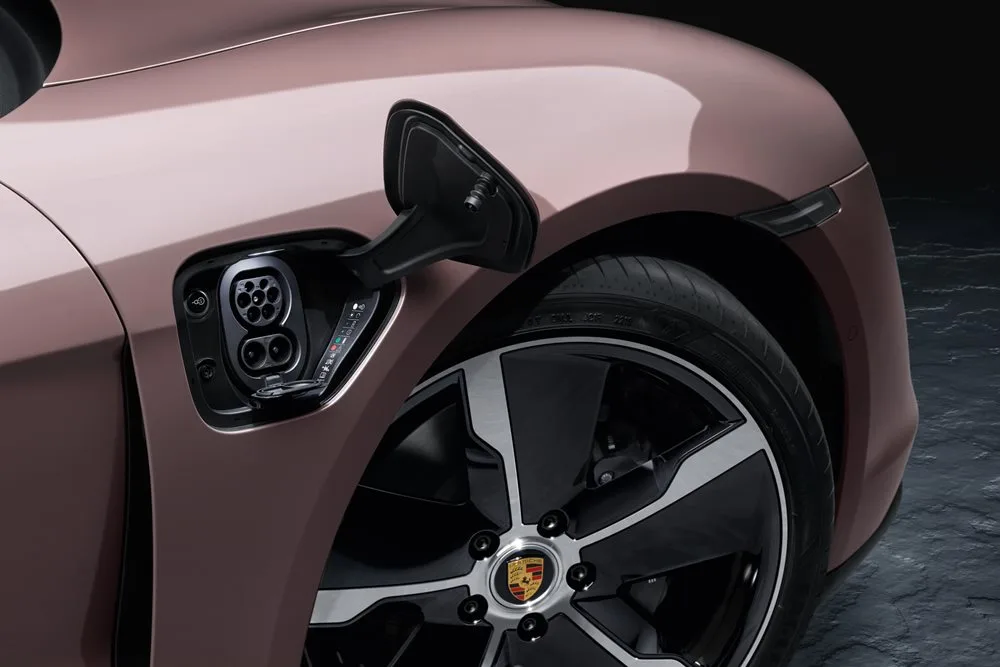
Similar objections apply, though with even more vigor. The Taycan is undoubtedly swift—I have heard tell of its acceleration, which reportedly pins one to the seat like a specimen to a board—but swiftness is the concern of young men with something to prove. I have nothing to prove. I have arrived. I have been “arrived” for decades, and I see no reason to rush through life as if I were fleeing a scandal.
Furthermore, the rear accommodation is laughable. One might fit a small child or a particularly compact lady’s maid, but certainly not a person of my standing and, dare I say, my proportions. To exit such a vehicle involves a level of gymnastics that would be entirely unbecoming in a public setting. A lady steps out; she does not crawl out.
“Remove it from consideration. It is a corset on wheels, and I have long since graduated to more comfortable arrangements.”
Ah, the British marque. One feels a certain patriotic obligation to consider Jaguar, does one not? It is the carriage of the realm, the choice of the establishment. Alas, the House of Jaguar finds itself in a state of utter disarray. Production ceased entirely in December 2024. There are no new carriages to be had—merely the dregs of old stock gathering dust in showrooms, some several years old. One might as well purchase a horse from a retiring hussar and hope for the best.
They have announced a forthcoming electric conveyance for 2026, but it exists only in sketches and promises.
“One cannot purchase a promise, Simmons. One has been disappointed by promises before.”
He nodded solemnly. He was present during the unfortunate affair with the Italian count who promised a villa in Tuscany and delivered only a series of debt collectors and a very suspicious map. We shall not be fooled again by the allure of “what might be.”
Now here is a conveyance worthy of consideration. The House of Range Rover has always understood that a vehicle must project authority. One does not merely arrive in a Range Rover; one commands the landscape. The new electric variant maintains this essential character whilst dispensing with the vulgarity of combustion.
The rear accommodation is excellent, allowing one to sit upright and survey the domain through expansive glass. The boot is capacious, easily swallowing the trunk and the hats. The silence—I am told—is profound, a sanctuary from the noise of the common world. And there is something deeply satisfying about gazing down upon lesser vehicles from a position of considerable height. It is the vehicular equivalent of standing on a balcony to address the masses, or perhaps just to ignore them more effectively.
“This remains in contention,” I announced. “Note it, Simmons. It has the soul of an explorer and the manners of a gentleman who knows when to be quiet.”
The American newcomer. One approaches with caution, as one approaches all American ventures—with interest tempered by suspicion. The Lucid Air is said to offer the greatest range of any electric conveyance, which would be useful for journeys to the country pile without the indignity of stopping to charge at a public station. The interior is supposedly minimalist but luxurious, in that peculiarly Californian manner that values “light” and “air” over “history” and “hearth.”
However, the marque lacks heritage. One cannot claim centuries of coachbuilding excellence when one has existed for barely a decade. It is rather like a gentleman claiming noble lineage whilst the ink on his purchased title is still wet and he is still learning which fork to use for the fish course. Furthermore, the marque does not deign to sell in Australia, which renders the entire discussion rather academic. One cannot purchase what is not offered, however intriguing the proposition. It is a ghost suitor, promising much and delivering nothing.
“A moot point, then,” I concluded. “We shall not pine for what is unavailable. My time is too valuable for unrequited automotive love.”
The Korean concern has made considerable strides, I am informed. The Electrified G80, in particular, is said to offer luxury approaching the European stalwarts at a considerably more… “accessible” price point.
But here we encounter the essential difficulty. One does not wish to be accessible. Accessibility is for public parks, lending libraries, and the local vicar’s garden fete. A lady of the ton requires exclusivity. If the carriage is described as a “value proposition,” it is not the carriage for me. I do not wish for value; I wish for grandeur. I wish for a vehicle that makes people ask “Who is that?” not “How much did that cost?”
“The craftsmanship is quite impressive, ma’am,” Simmons observed, pointing to a swatch of quilted leather.
“Simmons, I do not purchase ‘impressive craftsmanship’ at a discount. I purchase statements that make my rivals weep into their tea with envy.”
The Japanese house was briefly considered, particularly the LS and LX—conveyances of considerable presence and impeccable reliability. The LS offers the refinement of a proper saloon, whilst the LX commands the road with the authority of a landed estate on wheels. A perfectly serviceable option, reliable as the sunrise, unlikely to strand one at the Langham.
But “perfectly serviceable” is faint praise. One does not aspire to adequacy. One does not marry the man who is “perfectly serviceable”; one marries the man who sets the heart—or at least the social standing—on fire. I want a carriage that feels like a triumph, not a compromise.
The Elephant in the Conservatory
Throughout this consultation, neither Simmons nor I had mentioned the “other” one. The American concern with the troublesome proprietor. The marque that dare not speak its name in polite society. The brand that seems to prioritize colonizing Mars over the actual stitching of its seats or the alignment of its doors.
Finally, Simmons cleared his throat, his eyes fixed on a spot just above the mantlepiece. “Ma’am, I feel obliged to mention—”
“Absolutely not.”
“The charging network is extensive, the most reliable in the colonies—”
“Simmons.”
“The technology is said to be advanced, providing a level of autonomy—”
“Simmons.”
He fell silent.
“One does not,” I continued, “align oneself with chaos. One does not associate with a house whose master conducts himself on social media like a foxhound with no huntsman, barking at every passing shadow. One does not arrive at the Opera in a conveyance whose name is synonymous with… controversy, questionable build quality, and a complete lack of decorum. To do so would be to invite the wrong kind of attention entirely. We are seeking dignity, not a digital circus. I will not have my reputation tied to a man who tweets before he thinks.”
“Very good, ma’am.”
“However swift the charging network might be.”
“Understood, ma’am.”
The Verdict: A Decision is Made
And so, Gentle Reader, I found myself quite put out for several months. The perfect carriage—one combining heritage, presence, silence, rear accommodation, and boot capacity sufficient for a lady’s reasonable requirements—appeared not to exist in a form that could be delivered before the next Season concludes.
I retired to the country pile for a fortnight’s contemplation, being conveyed by the temperamental Bentley. It was a journey fraught with tension; every cough of the engine felt like a personal insult, and I spent the better part of the trip gazing upon the hedgerows and considering if I should simply return to a carriage and four horses. At least horses have the decency to eat hay rather than demand software updates.
However, after much deliberation—and one final, unforgivable episode in which the Bentley refused to start outside Fortnum & Mason, requiring Simmons to telephone for assistance whilst I waited in the doorway like some abandoned parcel—the decision was forged in the fires of necessity. To be seen with a dead motor in such proximity to the finest hampers in London is a stain no lady can bear. I was forced to accept a lift from Lady Danbury, and the smugness in her eyes was more than I could endure.
The Rolls-Royce Spectre.
Yes, I am aware of what I said regarding waiting lists. One does not wait; one is waited upon. And yet, Gentle Reader, there are exceptions to every rule. When the House of Rolls-Royce telephoned to inform me that a cancellation had occurred—some hedge fund person had apparently overextended himself at the card tables of the market, the poor fool—I found myself in possession of a delivery date mere weeks hence. It seems the universe occasionally realizes its errors and corrects them in my favour.
Simmons collected her yesterday. I say “her” because a conveyance of such breeding demands the feminine pronoun. She arrived in Black Diamond, with a Serenity interior in Arctic White leather that put me in mind of fresh snow on the grounds of the country pile. The Starlight headliner twinkles overhead like a personal firmament, casting a gentle glow that is most flattering to the complexion. The silence is so absolute that one can hear one’s own thoughts with alarming clarity—which, I must confess, is occasionally quite frightening, as my thoughts are often quite sharp.
I shall confess that the House of Lexus was briefly reconsidered during my exile. The LS, with its impeccable reliability, presented a sensible alternative. The LX, with its commanding presence, offered the possibility of gazing down upon lesser vehicles. Both are carriages of quality, built by persons who understand that machinery ought to function without theatrical displays of temperament. But sensible is not what I require. I require magnificence. I require a carriage that makes the heart skip a beat and the rivals clench their teeth with envy.
And so, the Spectre it is.
Simmons reports that the driving experience is “quite unlike anything else, ma’am”—high praise from a man who measures his words as carefully as a dowager measures her rivals’ necklines at the opening ball. The rear compartment is everything I demanded: generous, silent, and appointed with the sort of craftsmanship that reminds one why the British once ruled an empire. It is a sanctuary of calm in a world of noise.
The boot accommodates my Louis Vuitton trunk with room to spare. The champagne cooler functions precisely as intended, keeping the vintage at a perfect temperature for an afternoon’s outing. The massage seats are, perhaps, a touch too vigorous on the highest setting—one felt as though one was being wrestled by a very polite but very strong bear—but one learns to moderate such things.
As for the cost—well. A lady does not discuss figures. But I shall say this: the East Wing shall have to wait another year for its restoration. Some things are simply more pressing than roof repairs. A dry parlor is all well and good, but a silent, electric arrival is a necessity of the soul. The local carpenter was disappointed, but I am sure he will understand once he sees me glide past.
The Bentley has been dispatched to auction. I did not say goodbye. After the Fortnum & Mason incident, we were no longer on speaking terms. I hope it finds a home with someone who enjoys the thrill of mechanical uncertainty and has a very good walking stick.
And so, the matter concludes. I am conveyed in silence and splendour, as one always ought to be. The ton has taken notice, and the whispers in the corridors of Mayfair have turned from pity to admiration. Lady Ashworth enquired about the waiting list at last Thursday’s assembly, and I confess I may have exaggerated its length somewhat—suggesting a three-year delay—to ensure my exclusivity remains unchallenged.
One must protect one’s position, after all. Excellence is a rare commodity, and I have never been one for sharing.
Yours in triumphant judgement,
Dame Tuesday Knight
Dame Tuesday Knight writes from the rear compartment of her new Rolls-Royce Spectre, where she can finally hear herself think (and judge).
|
MARQUE & MODEL |
THE REAR ACCOMMODATION |
THE CARGO CAPACITY |
THE DAME’S VERDICT |
|
Rolls-Royce Spectre |
Palatial serenity with a personal firmament. |
Sufficient for the Louis Vuitton steamer. |
The Chosen Suitor. |
|
Range Rover Electric |
Commanding height with upright dignity. |
Capacious enough for a small army. |
Remains in Contention. |
|
Maybach EQS SUV |
A private railway carriage for one. |
Generous, if one ignores the exterior. |
Adequate, not distinguished. |
|
BMW i7 |
Marred by a vulgar 31-inch theatre screen. |
Ample, yet lacks poetic license. |
The Boring Suitor. |
|
Porsche Taycan |
A “corset on wheels”—utterly laughable. |
Negligible for a lady of standing. |
Remove from consideration. |
|
Lucid Air |
Minimalist Californian airiness. |
Exceptional range, yet absent in person. |
A Moot Point. |
More Rolls Royce Stories at GayCarBoys
- Stunning Rolls Royce Dawn Bespoke Cowling – a Racing Edge
- Rolls Royce on Andalusian coast
- Rolls Royce looking good in Yoshifumi Ogawa’s Photo Sojourn
- Rolls Royce Phantom in Gwendoline Christie Film
- Rolls Royce Cullinan Australian Launch review
- 2018 Rolls Royce Phantom Launch
- Rolls Royce Spirit Of Ecstasy Egg
Help Support Gay Car Boys Subscribe to our Youtube Channel

Alan Zurvas is the founder and editor of Gay Car Boys, Australia's leading LGBTQI+ automotive publication. Before launching GCB in 2008, Alan's automotive writing was published in SameSame.com.au and the Star Observer. With over 16 years of hands-on car reviewing experience, Alan brings an honest, irreverent voice to every review — championing value and innovation over brand loyalty.
Leave a Reply