We told you this would happen. We told you the excise cut would vanish into the zero-tax, velvet-lined pockets of oil companies and their conspirators. Here we are, less than a fortnight later, gawping at diesel above $3.23L across Australia like a stunned mullet. The cut was 26.3 c a litre from Canberra, plus another 5.7 c from the states and territories, a tidy 32 c all up until June 30. Very generous. Very headline friendly. Very pointless.
Like other government handouts, that money was always going to be eaten by the rich.
Anyone with a pulse and a memory knew diesel was the wrong battleground for political theatre. Fuel is not a discretionary little treat. It is not a cheeky Sunday pub session or a fang in a hot hatch. It runs freight, mining, farms, tradies, and the ugly mechanical bowel movements of the modern economy. Around 90% of everyday goods are moved by road, mainly by diesel vehicles. Yes, it should have been electric rail, but that particular lobbyist-driven ship sailed long ago. You do not simply ask truckies, farmers, and contractors to have a Bex and a little lie down until prices calm themselves. Demand waits for nobody, not even an orange blimp attacking all and sundry. It just keeps paying.
And that is precisely why the oil lot could swallow the tax cut with a satisfied burp, just as investors swallowed housing grants, and banks swallowed rate cuts.
Above: Geely Starray and Which Driveline Is Best for You
#Geely #Starray #SUV #Hybrid #CarNews

Help Support Gay Car Boys Subscribe to our Youtube Channel by SMASHING THE BUTTON ABOVE


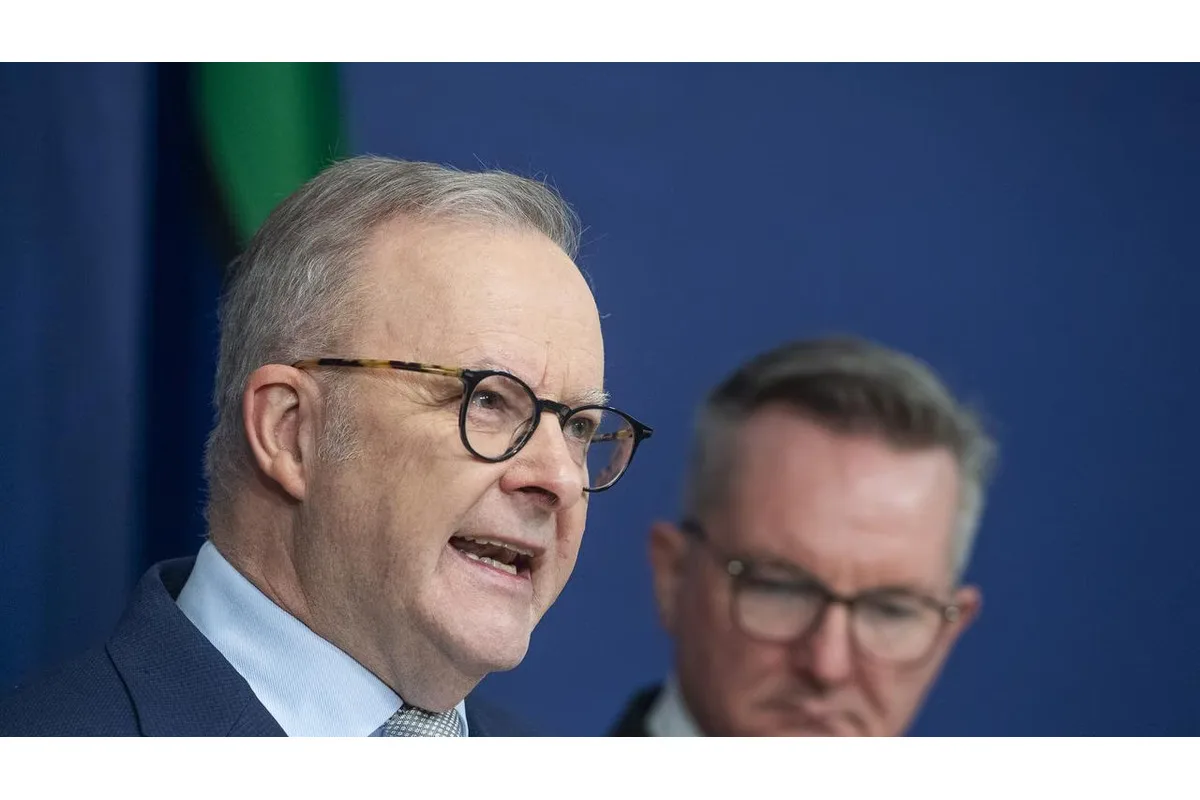

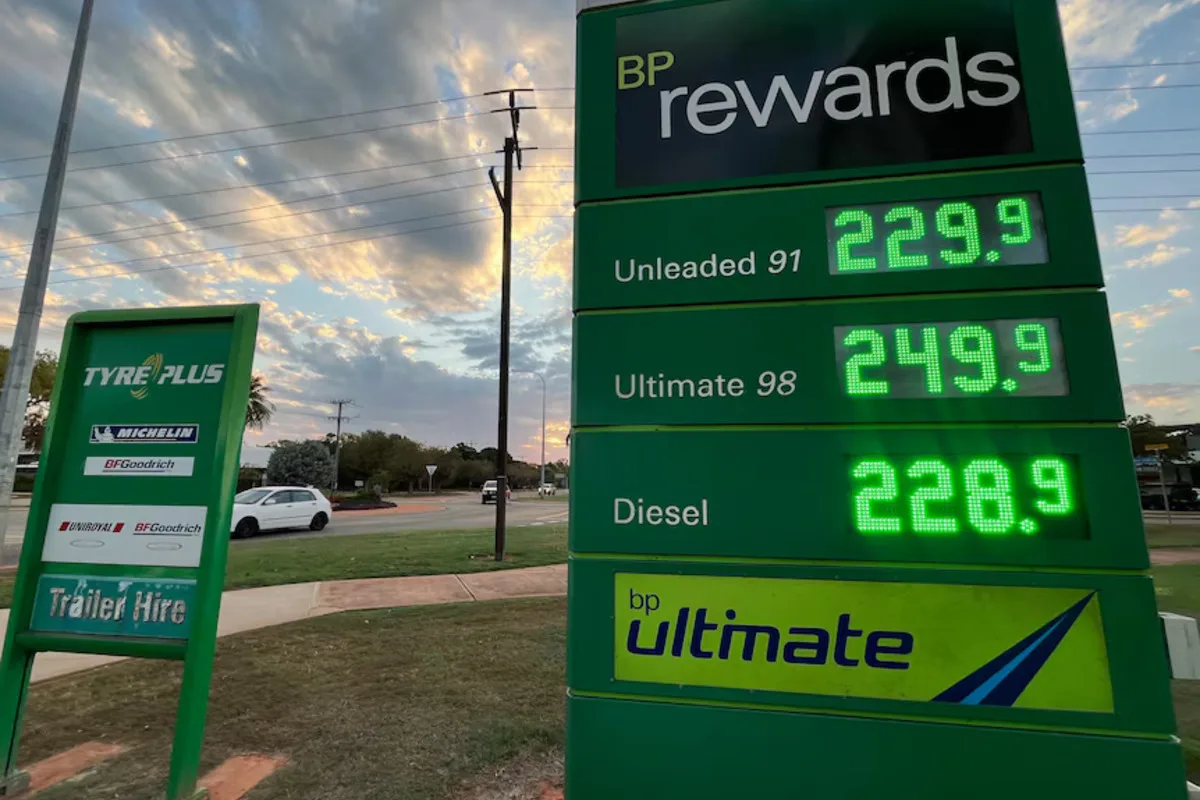

ABOVE: Bowser pain, the excise stunt, and the fuel shock now rolling through freight and grocery bills
The grift
Diesel is priced off the Singapore gasoil benchmark, not the same benchmark petrol follows, and that benchmark has run far hotter. That is not to say petrol is not still heading up the north face, it is merely not as far from base camp. Trump’s insane Middle East temper tantrum has constricted supply by handing control of the Strait of Hormuz to an even nastier pack of zealots. Is it time to consider the 25th Amendment and impeachment yet? Grow some balls, United States, while there is still some of the planet left to save. While we’re at it, remember that geriatric toddler has the codes to the nukes, but let’s get back to oil.
Refining capacity has been tight, and in some places wrecked. Winter conditions and global demand shifts have made diesel markets brittle, and the result is exactly what serious people warned about. Diesel is back at $3.23L across Australia.
Diesel spikes do not stay at the bowser. They spread like metastasised cancer. Freight rates rise. Goods prices rise. Inflation gets another kick in the cobblers. Trucking operators with thin margins start looking like rabbits caught in headlights.
This is the bit our coal-fondling LNP MPs never wanted to discuss. Oil markets do not care about your poxy press conference. They do not care about a simpering man in a hi-vis vest pretending a temporary excise cut is economic management. They care about supply, refining, war, and the certainty that diesel users cannot simply opt out, thanks to conservative political static paralysing progress. There could have been offshore turbines, galleries of solar panels, and banks of batteries on every new development. Policy could have pushed us much closer to a Norway-style renewable future. Instead, here we are, tied to dinosaurs both at the bowser and in parliament.
If you want proof that the market smells weakness, have a look at the ACCC investigation into alleged anti-competitive conduct by major suppliers in regional and rural Australia, including Ampol, BP, Mobil, and Viva. It is not some fringe fever dream. It is the regulator sniffing around the diesel trough and wondering who had their snouts in it. One imagines a lot of sweaty-socked execs in polished shoes suddenly becoming very interested in compliance seminars.
The excise cut was sold as relief, but it was merely political lube. It made ministers look busy while the underlying problem carried on funnelling money ever upwards. Balance sheets and grocery budgets noticed nothing. When diesel rose again within days, the entire stunt was exposed for what it was, a taxpayer-funded bend-over to an industry that has never met a margin it did not want to strump.
The wasted decade
The galling part is not merely that this failed. It is that we wasted years making failure inevitable.
Imagine, just for a delicious second, an Australia that had spent the last decade subsidising EVs, local charging, fleet electrification, battery storage, transmission upgrades, and renewables instead of listening to nutty conservatives waving lumps of coal in parliament like deranged props in a travelling circus. Imagine a government that saw transport electrification as industrial policy, not culture-war bait for breakfast television. Imagine if the billions spent protecting fossils and mining billionaires had gone into getting households, councils, delivery fleets, and eventually freight onto cheaper, cleaner energy.
Would diesel still matter? It would. Trucks, mining, agriculture, and remote work sites do not switch overnight. But we had a full decade. Whole mountains have been moved in less time. We could have started the shift instead of hosting a national circle jerk for coal. We might have had more electric vans in urban delivery, more solar soaking up midday demand, more batteries clipping peaks, and more policy settings that rewarded lower social costs instead of preserving private profits for incumbents. Baseload power was hurled about like a panacea, but it never mattered in the way they claimed. Household battery storage alone could have completely eliminated those evening spikes.
That matters because diesel wins privately, but electric wins socially. The Energy Institute summary of long-haul trucking could not be plainer. In 2025, battery electric heavy trucks still cost more for operators on a private ledger, around 46% more in that study. Yet the external costs are far lower, roughly 64 to 69% lower today, and as much as 70 to 80% lower by 2035. Cleaner trucks mean fewer greenhouse emissions, fewer health costs, and lower total social costs by 2035 under those assumptions. In other words, if government had done its proper job, it would have aligned incentives with the public good instead of waiting for diesel crises and crying, “oops”.
But no. We got coal cosplay. We got fossil fuel lobbyist sentimentality dressed up as realism. We got years of people who could not organise a root in a brothel insisting EVs were toys, renewables were flaky, and subsidies for the future were somehow more offensive than permanent subsidy by neglect for the past. They deny climate change because the rich getting richer depends on it. They seem to think they live on a different planet to the rest of us poor sods.
Now diesel proves the point in screaming neon.
Paying twice
Australians are paying for this idiocy twice. First at the bowser, where diesel behaves like a ransom note. Then at the checkout, where everything moved by road picks up the tab. Diesel is dearer than petrol for structural reasons, and NRMA has been spelling that out. It still underpins the economy when it should not even be this central to the conversation. The market dynamics are different, and when it sneezes, the whole country gets a cold.
This is where the anti-EV brigade always looks especially silly. They love to sneer that batteries need subsidies. Fine. So does every energy transition in history, and the old system has been dining out on public indulgence for generations. Fossil fuels, energy retailers, and miners eat subsidies faster than retirees at an all-you-can-eat buffet. Roads, ports, public health, pollution, climate damage, military risk around fuel supply, and inflation shocks from oil useless wars, all of that lands on the public ledger as usual. Meanwhile, diesel operators and suppliers carry on as though the only figure that matters is the pump price on a given Tuesday, because to them, it does.
A grown-up country would have used this decade to shield itself. More rooftop solar. More wind. More batteries. More EV incentives. More support for electric buses, vans, and freight pilots. More charging where people live, not merely where marketing departments want a ribbon-cutting photo op. Instead, we got an argument conducted by people who thought waving coal was a personality.
And now, when diesel punches through $3.23L even after a 32 c tax cut, they want applause for trying. No. They were warned. Repeatedly. If you build your economy around imported fuel, tight refining, and political cowardice, you do not get to feign shock when the bill arrives. It is the fatal flaw in just-in-time processing.
The most insulting part is that this was sold as help for ordinary people. Yet ordinary people will bear the freight inflation, the food inflation, and the flow-on pain, while oil companies and suppliers keep their paws warm. Investors are a protected species. We were told the tax cut would help. We said it was a waste of time. It was. We said the money would be swallowed. It was. We said Australia should have been using these lost years to back EVs and renewables instead of coal worship. It should have.
Diesel has made the case better than any columnist could. Still, here I am, delighted to say I told you so.
More Stories
- Australia Halves Fuel Excise as Prices Soar
- FCAI Paid Lobbyists Face Reality as March EV Sales Figures Explode
- Petrol Cars Stranded, EVs Charge While You Sleep
Help Support Gay Car Boys Subscribe to our Youtube Channel

Alan Zurvas is the founder and editor of Gay Car Boys, Australia's leading LGBTQI+ automotive publication. Before launching GCB in 2008, Alan's automotive writing was published in SameSame.com.au and the Star Observer. With over 16 years of hands-on car reviewing experience, Alan brings an honest, irreverent voice to every review — championing value and innovation over brand loyalty.
Leave a Reply