The humble work van has had a bit of a glow-up. It isn’t just a smack of lippy and a new do, this is a new model (yes another one) and it is an EV. Farizon has confirmed Australian driveaway pricing for the new V7E electric van, and the numbers are sharper than some legacy players will enjoy seeing over their breakfast bacon. The 50kWh version starts at $49,990 driveaway, while the 66kWh model asks $53,990, with customer deliveries due from May.
That matters because commercial buyers are not shopping for vibes. They are shopping for payload, cargo volume, running costs, and the likelihood of a vehicle quietly getting on with the job without turning the workday into a support-ticket opera. Farizon Australia says the V7E offers over 1,300kg of payload and 6.95 cubic metres of cargo space, which is exactly the sort of number tradies, couriers, and fleet managers will look at before they care about any corporate philosophy or launch speech.
Farizon, distributed here by Jameel Motors Australia, is clearly trying to land the V7E as a proper work van first and an electric one second. Sensible. If an EV can’t manage the daily slog of parcels, ladders, tools, and mild despair, without needing smelling salts, then all the total-cost-of-ownership nonsense in the world is just static. The V7E at least appears to have read the room and ignored the ego-driven conservatives who said electric utes and vans would steal your weekend. Remember that load of cobblers? Like everything else out of their mouths, they were wrong. “Build it and they will come” translates to “usefulness comes before ideology.”
Above: Geely Starray and Which Driveline Is Best for You
#Geely #Starray #SUV #Hybrid #CarNews

Help Support Gay Car Boys Subscribe to our Youtube Channel by SMASHING THE BUTTON ABOVE


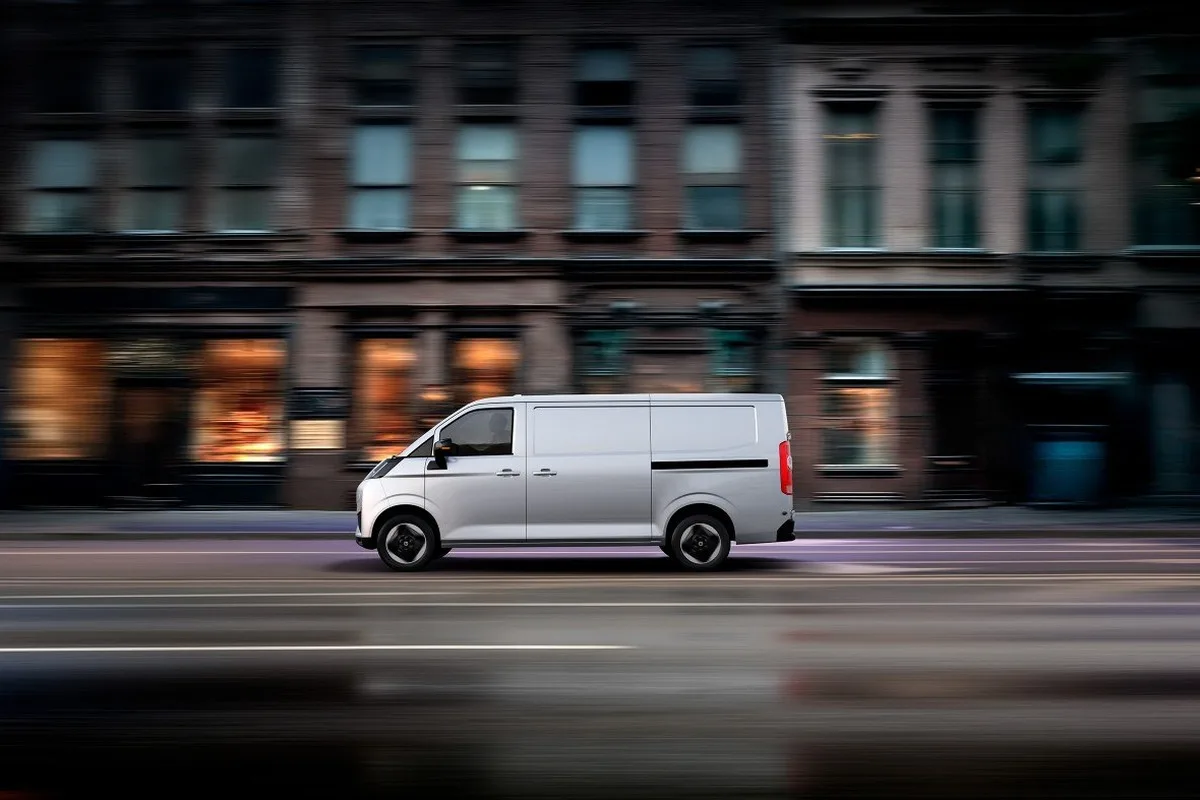
ABOVE: Farizon V7E launch imagery, including warehouse, urban night, and side-profile motion shots of the electric van.
Why the V7E matters now
Businesses are watching every cent with the kind of grim focus usually reserved for Christmas lunch with the family. Fuel remains a nuisance, servicing is rarely delightful unless you have a hot technician, and downtime is a money and time gap in the week. That is why the electric van proposition has genuine appeal. If the V7E can deliver day to day capability while soothing fuel and maintenance pain, then it stops being a virtue project and starts looking like simple business. Virtue, that’s another word used like an accusation by, you know whom.
The challenge, naturally, is trust. Commercial operators are not romantics. They do not buy a van because it looks lovely with Patsy-friendly backlighting beside an atmospheric brick wall at night. They buy it because it starts, carries, works, and does not create drama. Farizon therefore has two jobs in Australia. Keep the pricing sensible, and prove the V7E can handle the grind without wilting the moment schedules get tight. Best of all, it can fuel up while parked up overnight. No smelly servo hugs required.
The broader play
The V7E also broadens Farizon’s local commercial line-up and gives Jameel Motors a proper foothold in the work-first electric van space. Let’s hope it doesn’t end up in tears like AUSEV and MEVCO.
That matters because commercial fleets are one of the clearest cases for electrification, predictable routes, depot charging, urban use, and operators who can do the sums without writing poetry about it. No, this does not mean every diesel van is about to be ceremonially buried. But an electric van from under fifty grand driveaway is no longer some fringe curiosity. It is a real proposition, and one likely to make a few established players glance sideways with increasing discomfort.
My question is, does this also open up the EV camper van market?
More Stories
- 2026 JAC Hunter PHEV Reservations Open May 5 with 360kW and a Free Charger for Early Buyers
- 2026 Chery E5 Ultimate Price Australia, $37,990 Driveaway and a Proper EV Price War Begins
- 2026 DENZA Z9GT Australia Confirmed and the Luxury Old Guard Should Be Sweating
Help Support Gay Car Boys Subscribe to our Youtube Channel

Alan Zurvas is the founder and editor of Gay Car Boys, Australia's leading LGBTQI+ automotive publication. Before launching GCB in 2008, Alan's automotive writing was published in SameSame.com.au and the Star Observer. With over 16 years of hands-on car reviewing experience, Alan brings an honest, irreverent voice to every review — championing value and innovation over brand loyalty.
Leave a Reply