
“In April 1900, our founding forefather, Charles Rolls, made a prescient prophecy about automotive electrification. Move forward over 120 years to when I made a public promise, on the record, that we would bring the first fully electric Rolls‑Royce to market within the current decade. And, right now, our company is embarking on an historic undertaking to create the first, super-luxury car of its type. This will happen sooner than many thought possible, through the incredible skills, expertise, vision and dedication of our engineers, designers and specialists at the Home of Rolls-Royce.
“In this ground-breaking endeavour, we are drawing on a remarkable heritage, unique in our industry. Our founders and those who worked alongside them in the marque’s formative years were all important pioneers of electric power, as well as their era’s leading experts in automotive engineering. As we herald a new electric future at Rolls-Royce, I am proud and humbled to share their inspiring stories, which have never been told in one place before, and shine a fresh and fascinating light on our company’s earliest days.”
Torsten Müller-Ötvös, Chief Executive Officer, Rolls-Royce Motor Cars
- Rolls Royce will introduce an all-electric car this decade (2020 – 2030).
- This car will be a pure BEV, not a hybrid of any kind.
- It will be launched only when the time is right, and every element meets Rolls-Royce’s technical, aesthetic and performance standards.
With world-wide interest in electric power, Rolls Royce highlights its historic involvement with electric automotive drive
From the beginning, there were 3 competing drivetrains, the ICE, steam power and electricity.
Steam power, as well-developed as it was, was less practical for use in cars. It quickly became obvious that internal combustion and electricity would do the Beta/VHS battle to be leader..
Electric power lost the war because there were few places to charge, and battery technology was primitive. 100years later, and little has changed, and some buyers remain resistant.
Electric power means silent operation, instant torque, and mountainous power. As if that wasn’t enough, charging can be 100% renewable. Some say that Sir Henry Royce might have chosen electric power, had the range and charging issues been solved.
Above: This Week 2021 Toyota C-HR GR Sport FULL Review

Help Support Gay Car Boys Subscribe to our Youtube Channel
- Top GayCarBoys Stories:
- Sexy Men Drive 2021 Toyota Yaris Cross
- 10 Sexiest MotoGP Motorcycle Riders
- DON’T Drive YOUR CAR until you’ve Checked if your AIRBAG will KILL YOU
- 10 Hottest Racing Drivers
- Top 12 Best Gay Lesbian LGBTI Luxury Cars
- Top 10 Gay Lesbian LGBT Cars
- Top 10 Gay Lesbian LGBT Sports Cars
- Top 15 gay and lesbian LGBT SUVs
- Talented Twinks – Callum Ilott Virtually Races Arthur Leclerc
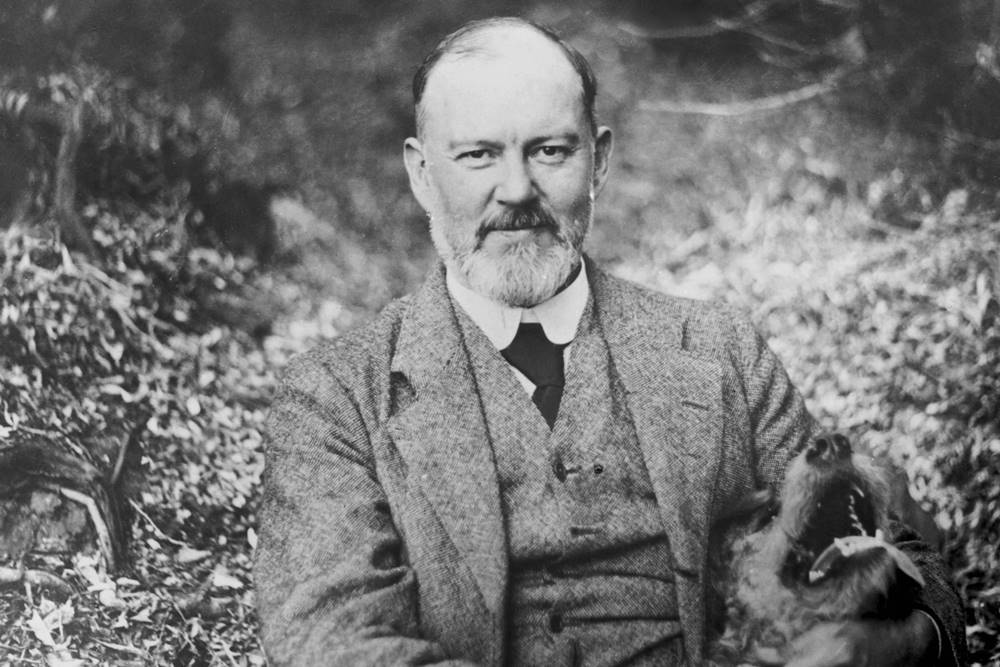

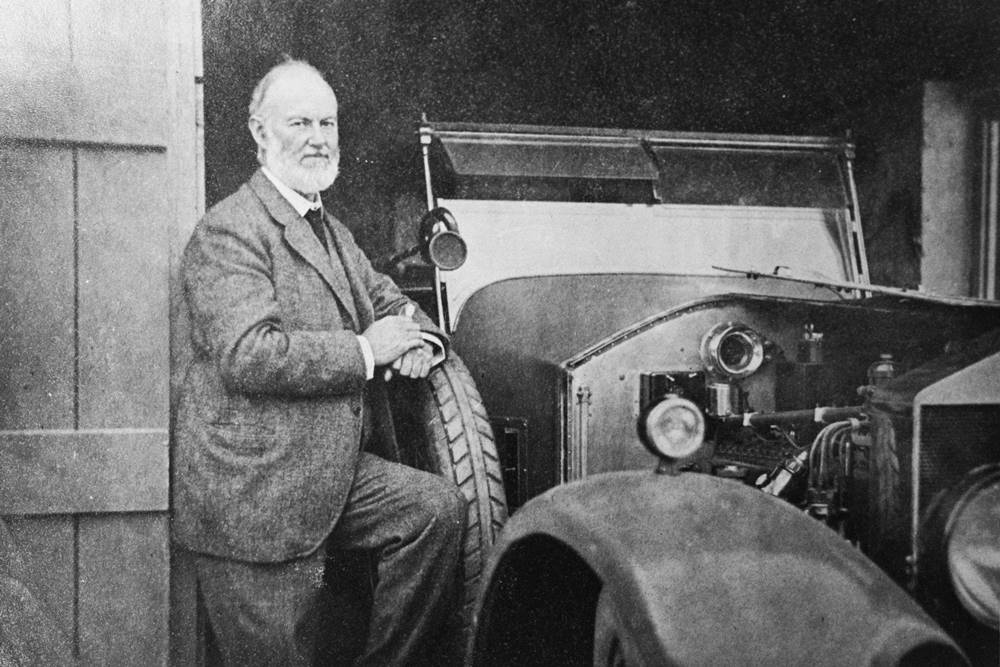

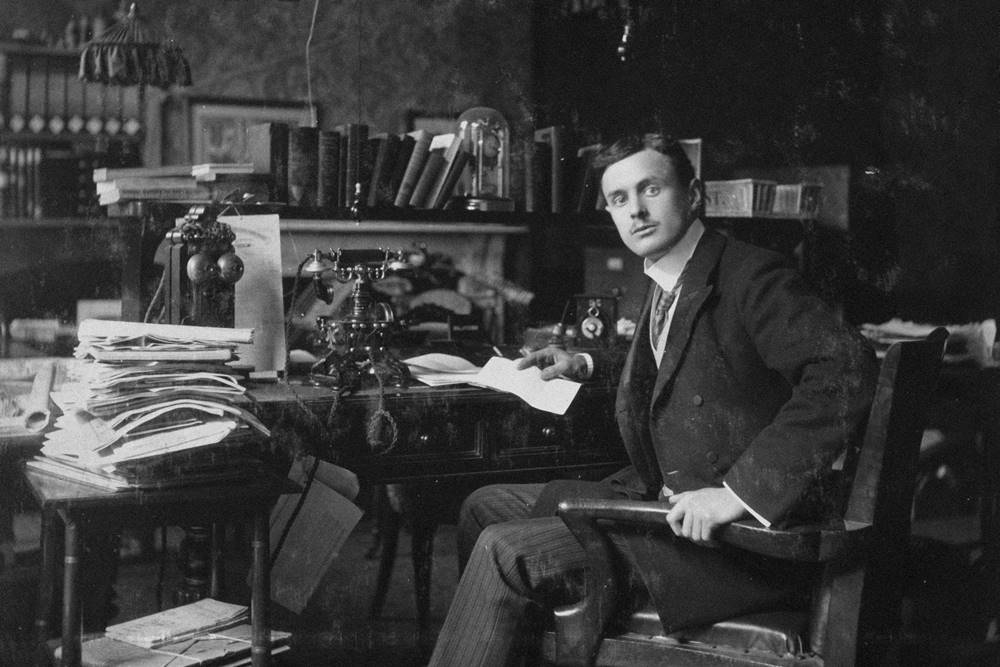

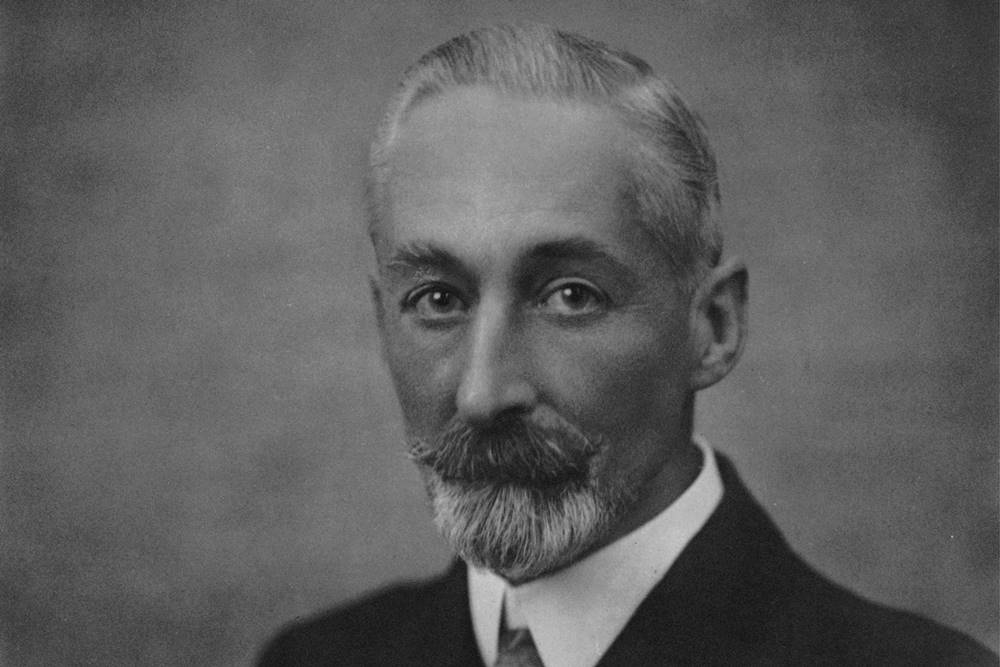
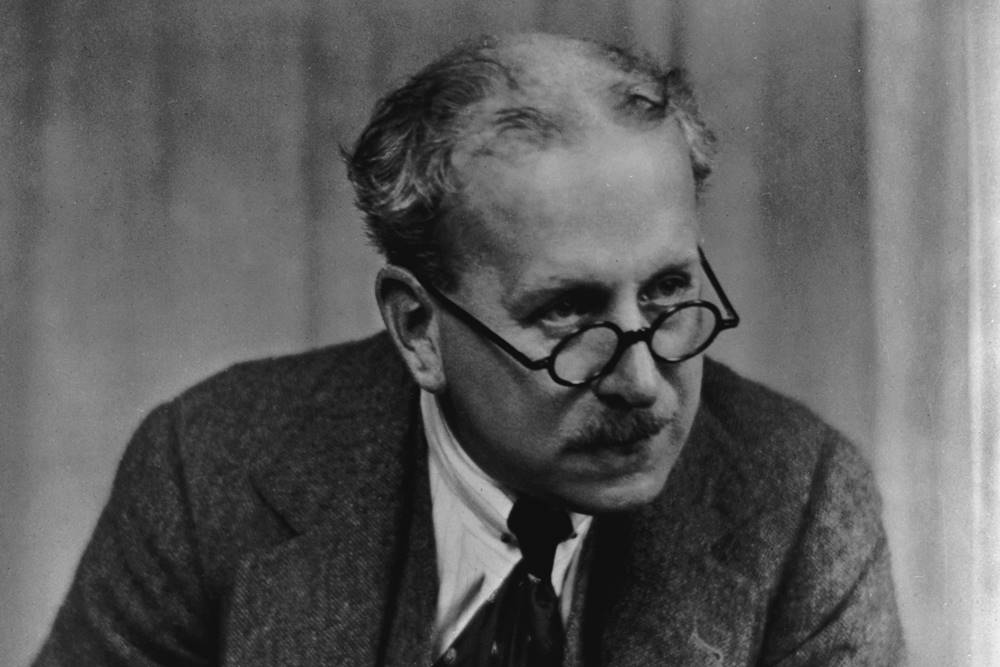
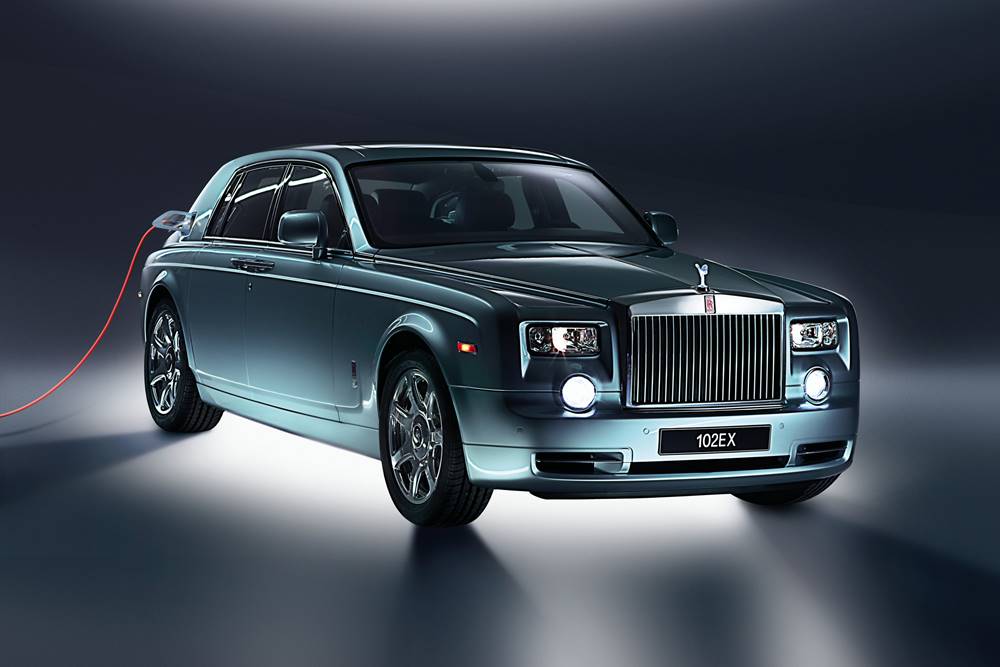
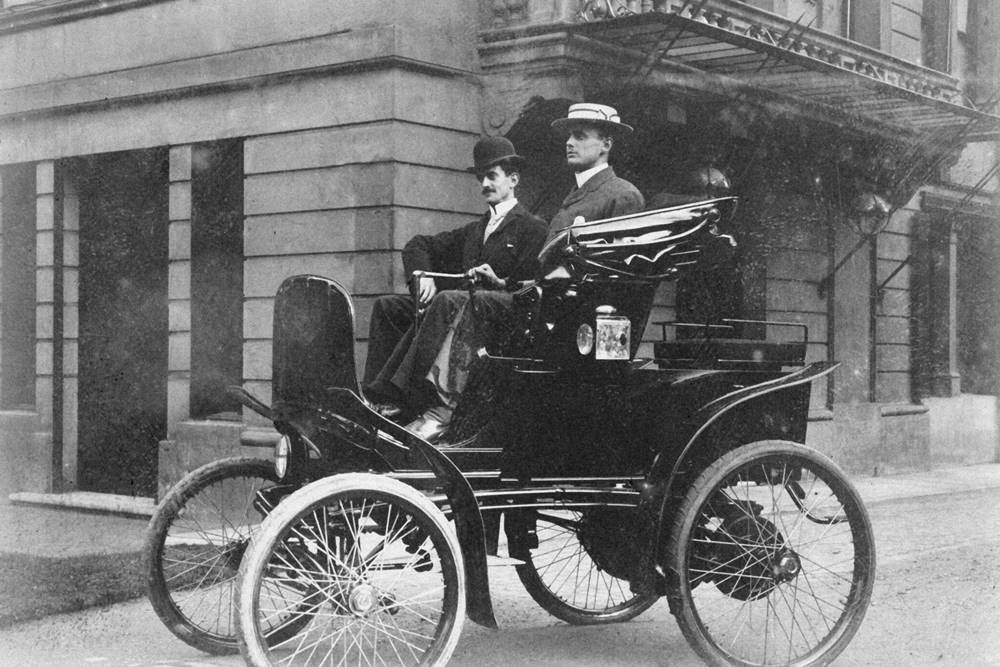
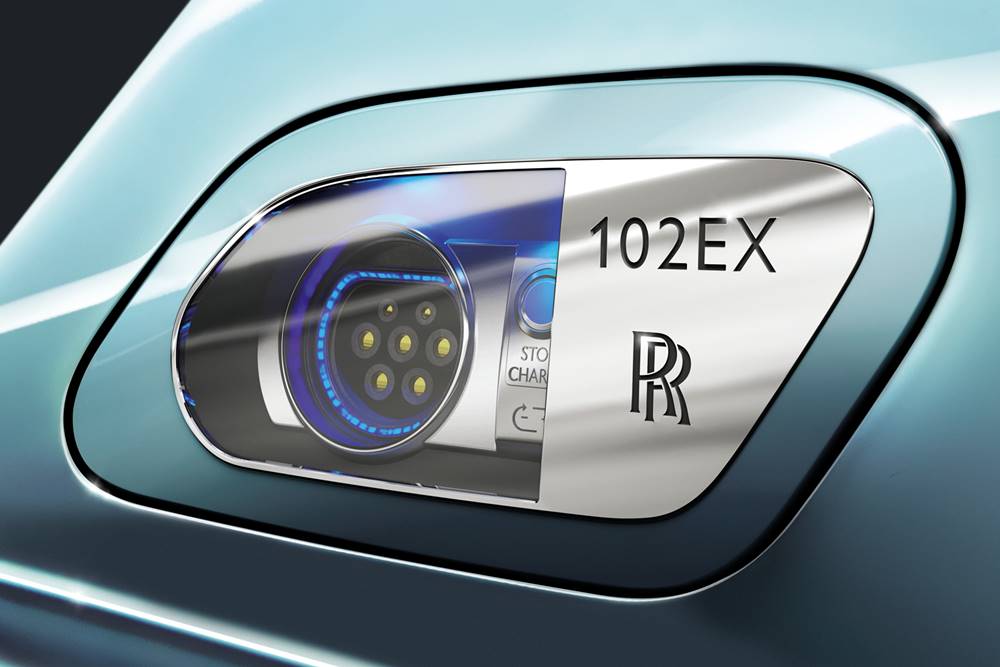
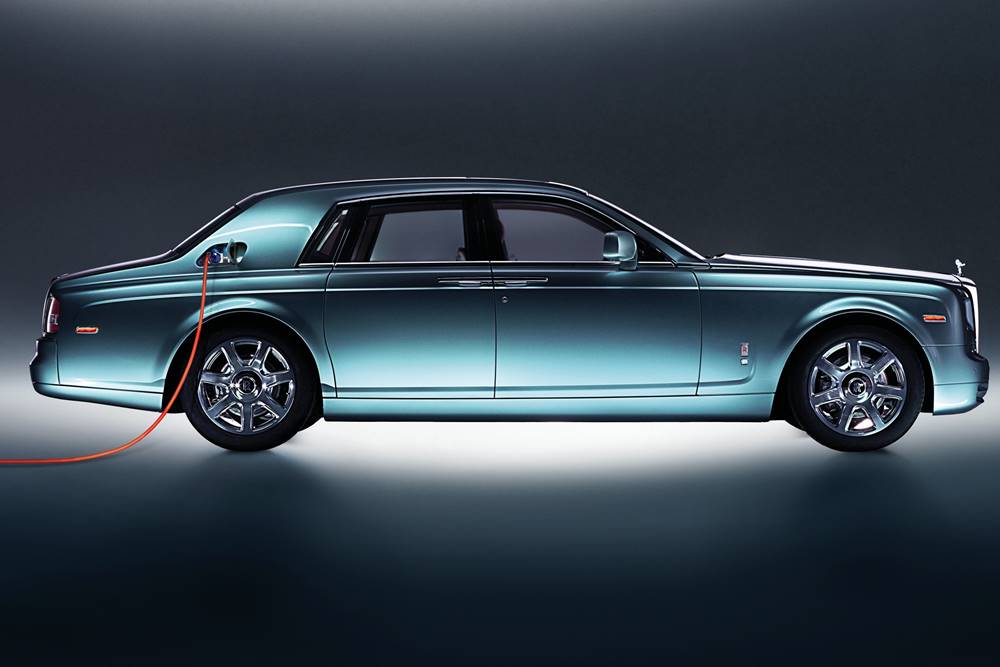
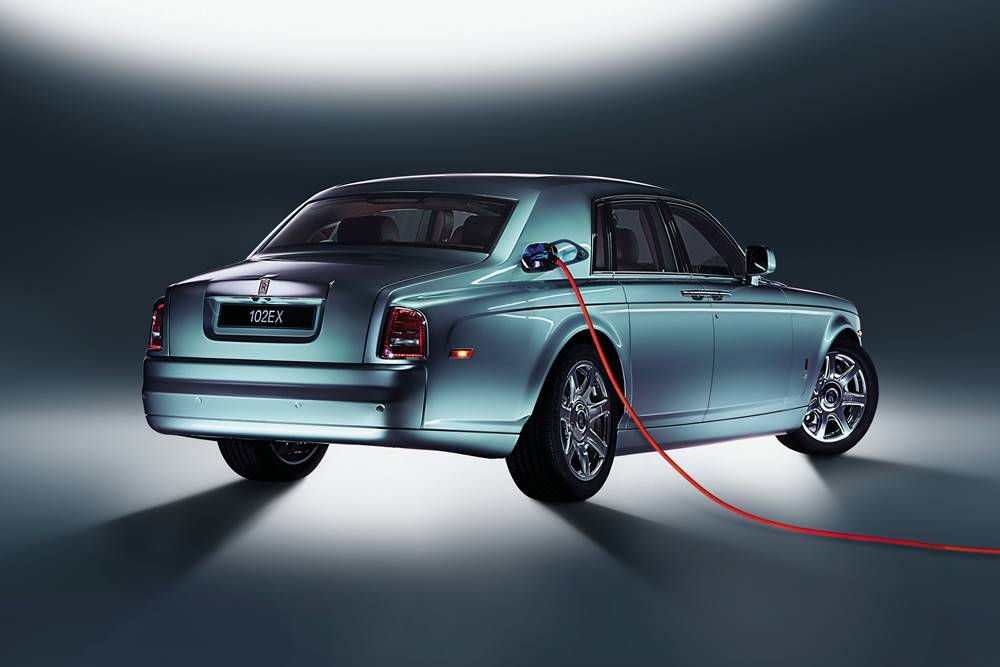
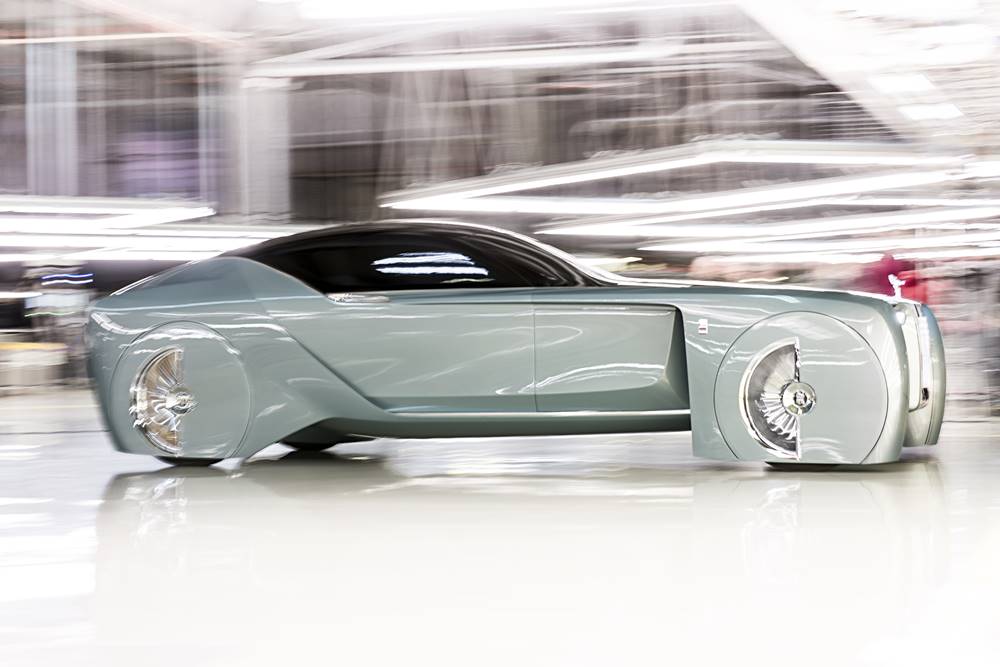
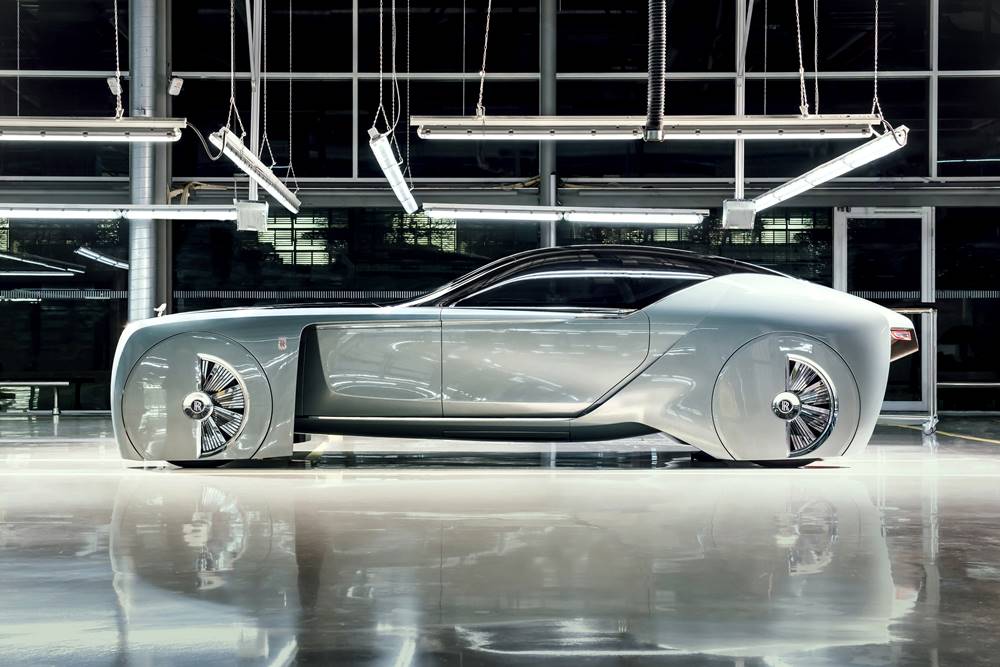
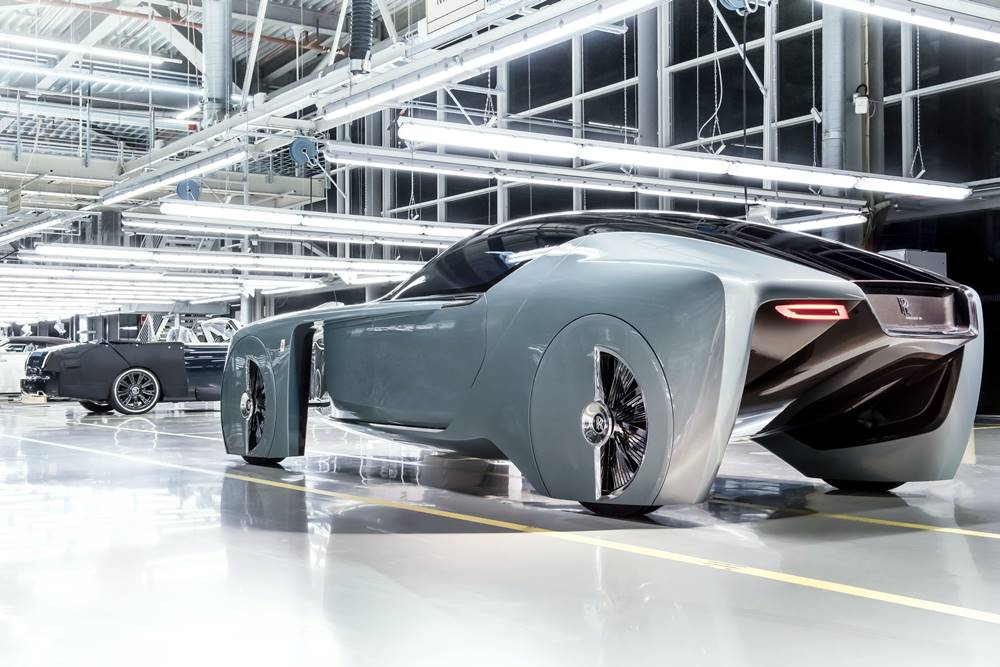
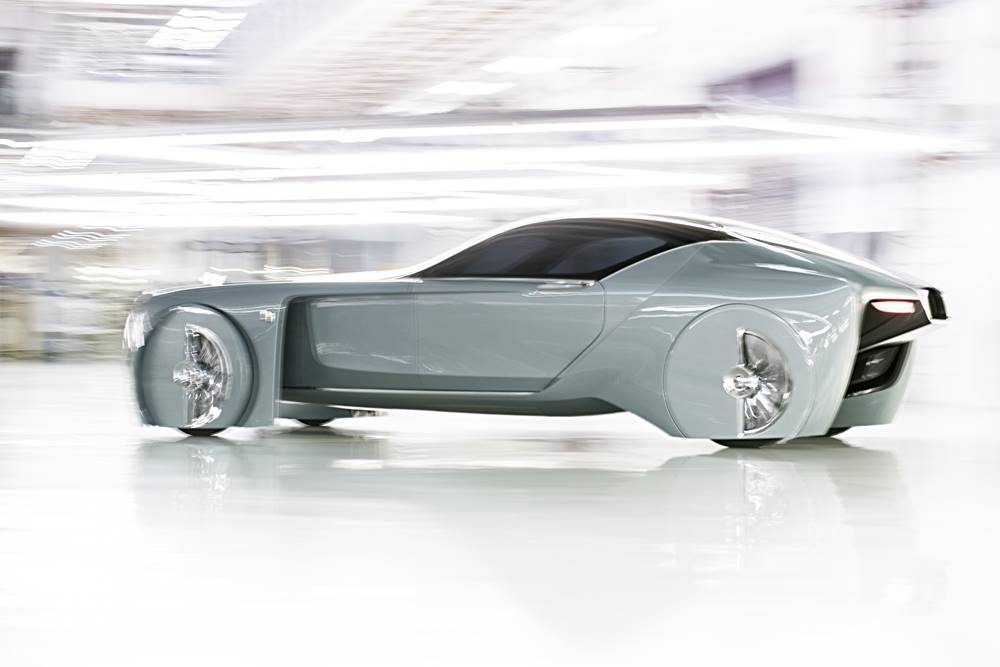
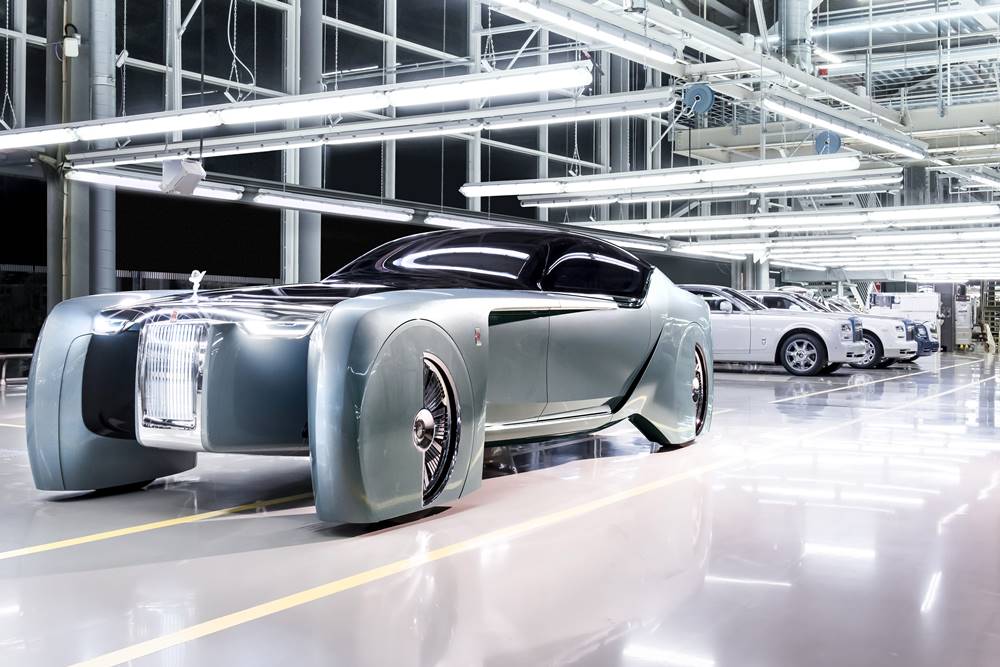
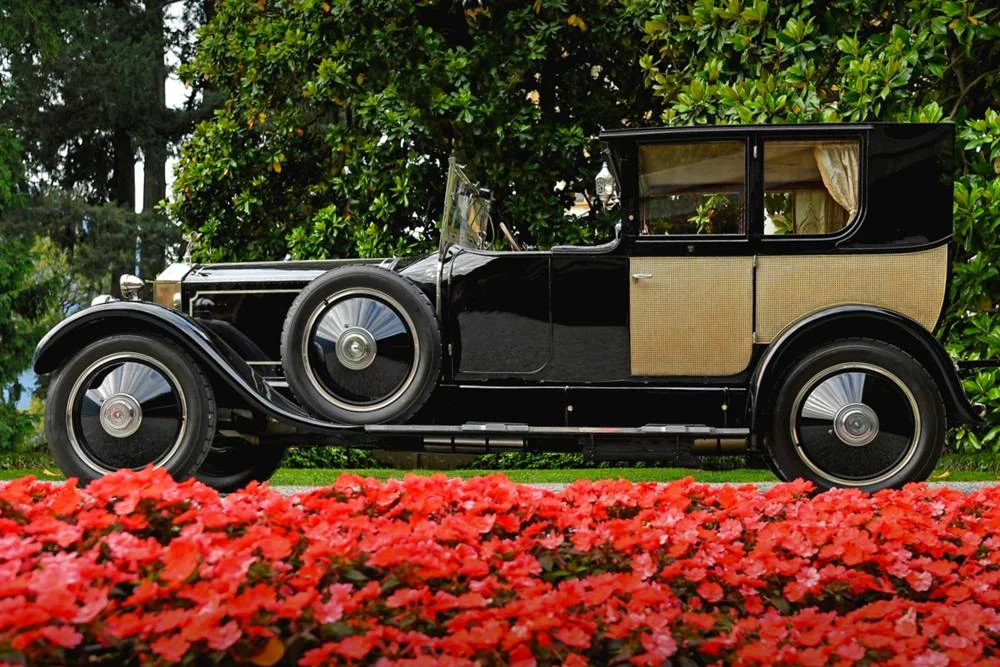
ABOVE: Rolls Royce- in Pictures (hover over each for details, or open gallery_
SIR HENRY ROYCE
Henry Royce was Born in 1863, and was one of the world’s first electrical engineers. He apprenticed with the Great Northern Railway, then worked briefly as a toolmaker at Greenwood & Batley in Leeds. This sparked an interest in electrical power.
In 1881, he joined the Electric Light & Power Generating Company (EL&PG) in Southwark. He also went to evening classes in electrics at the City & Guilds of London Institute, having received only a year of formal schooling as a child.
After a year, aged 19, he moved to the EL&PG’s new subsidiary, the Lancashire Maxim-Weston Electric Co. Ltd, as Chief Electrician. The company provided street and theatre lighting in Liverpool. After two years, the company folded, so Royce struck out on his own.
His new company, F H Royce & Co, made small electrical devices such as doorbells, lamps, fuses and switches. The company did well, and in no time at all, was making dynamos, electric motors and winches. The turning point came in 1902, when Royce supplied electric motors for Pritchett & Gold, a London-based battery-maker that had diversified into building electric cars.
Although Royce didn’t build or own an electric car, he designed and biult engines which had characteristics similar to today’s electric drivetrains. His engines had effortless torque, silent running and the sensation of one continuous, powerful gear.
THE HONOURABLE CHARLES ROLLS
The Hon. Charles Rolls a highly gifted engineer whose enthusiasm for electricity began early life. When he was 9, he built an electric bell system between his bedroom and the stables at The Hendre, the family’s ancestral home in Monmouthshire. He also planned and supervised the installation of electricity in the servants’ quarters. He showed an early sales ability which came to fruition later in life.
In 1896, aged 18, Rolls went to Paris to buy his first car, a 3¾ hp Peugeot Phaeton. Two years later, he bought an electric-powered car, an American “The Columbia Electric Carriage”, that had been imported to the UK by Paris Singer (heir to the sewing machine dynasty), then sold as the ‘City & Suburban’ car. Rolls thought this car to be the best money could buy.
In an interview published in The Motor-Car Journal in April 1900, Rolls described electric propulsion, in terms that, over a century later, carry the ring of prescient prophecy:
“The electric car is perfectly noiseless and clean. There is no smell or vibration, and they should become very useful when fixed charging stations can be arranged. But for now, I do not anticipate that they will be very serviceable – at least for many years to come.”
Rolls installed a battery-charging station at his car showroom on Lillie Road in Fulham for the private or rentable electric Broughams that were all the rage in London at the time.
In 1904, Charles Rolls became an agent for the Contal Electromobile electric car. Rolls then met Henry Royce, and after seeing his new motor car, he cancelled the agreement.
Royce died in an air crash air crash at only 32 years old, and the push for electrification seemed to die with him.
A SERIES OF CONNECTIONS
While Rolls and Royce were the founders of Rolls-Royce marque, many others were instrumental in the early years of what became the world’s best known luxury car maker.
HENRY EDMUNDS
Henry Royce worked for Brush Electrical Engineering Company Ltd in his early years. It was there where he came acorss Henry Edmunds, the company’s engineer. In a meeting of fate, on the 4 May 1904 at the Midland Hotel in Manchester, Edmunds introduced Rolls to Royce.
Edmunds was a friend of Joseph Swan (the inventor of the incandescent lightbulb) and Thomas Edison (the inventor of almost everything else), and was a pioneer of electric lighting, traction and telephony. As if that wasn’t enough, Edmunds was right there at the first successful sound recording and telephone call.
He responsible for world’s first electrified underground railway. As a visionary, he persuaded the engineer in charge of London’s City & Southwick Railway (now the City branch of the Northern Line) to operate trains powered by electricity rather than steam.
In 1888, Edmunds established W T Glover & Company, which became the world’s leading manufacturer of electricity cabling. In 1894, he supplied lighting cables for a vast dock complex and industrial estate (the world’s first) serving the Manchester Ship Canal: the lighting itself was designed and installed by Henry Royce.
While there is nothing to indicate that Edmunds played a part in Royce’s car ventures, he was the most experienced motorist among Royce’s friends and colleagues. It would have been churlish of Royce not to seek Edmunds’ advice and encouragement as Royce developed his ideas.
E A CLAREMONT
Claremont’s was a partner in F H Royce & Company, Joint Managing Director of F H Royce & Company Limited, Chairman of Royce Limited and the first Chairman of Rolls-Royce Limited; both were also Members of the Institute of Electrical Engineers.
CLAUDE JOHNSON
The handsome salesman was the self-styled ‘Hyphen in Rolls-Royce’. In 1903, he quit his role as secretary of the Automobile Club of Great Britain & Ireland – whose members included the aforementioned Henry Edmunds – to work for Paris Singer’s City & Suburban Electric Carriage company.
After a short while, Johnson joined C S Rolls and Co, then Managing Director of Rolls-Royce Ltd. As if looking into the future, his UK and US advertisements described Rolls-Royce as ‘a petrol car as smooth and quiet as an electric’. To complete the circle of thin threads, Paris Singer became the world’s first owner of a Rolls-Royce motor car.
ELECTRIFICATION IN THE GOODWOOD ERA
As if to distil the spirit of its founding figures, Rolls-Royce Motor Cars claims to be an electrification pioneer to this day. The 1st production fully electric Rolls-Royce will come to market after a decade of development at Rolls-Royce at Goodwood.
2011 – PHANTOM EE (102EX)
In 2011, Rolls Royce released Phantom Experimental Electric (EE), codenamed 102EX; a fully operational and road-legal battery-electric version of its pinnacle product.
Although Phantom EE was a concept car to serve as a working test-bed for clients, VIPs, the media and enthusiasts to experience electric propulsion and share their experiences, thoughts and considerations directly with Rolls-Royce designers and engineers.
The stunning 6.75-litre V12 and gearbox were replaced with a lithium-ion battery pack and two electric motors mounted on the rear sub-frame. These were connected to a single-speed transmission with integrated differential. This system had an output of 290kW/800Nm, compared to 338kW/ 720Nm of the V12 Phantom of the time.
The Phantom EE was praised for its its near-total silence and impressive torque delivery, but there were a few difficulties that needed sorting. The car had limited range, long charging cycles and three-year battery life. This would never do in the real world.
2016 – ROLLS-ROYCE VISION NEXT 100 (103EX)
103EX was launched in 2016 was a much improved concept, built around four key design tenets:
Coachbuilt bodywork will allow clients to personalise their car to unique desires and whims. Its virtual assistant and chauffeur is powered by artificial intelligence, to offer an effortless journey. The interior was created to be a Grand Sanctuary, and was crafted from rare and exclusive materials. The impressive car has equally impression dimensions. At 5.9 metres long and 1.6 metres high, no matter where it arrives, it is noticed.
It was built on a lightweight platform, and was powered by a proprietary, all-electric drive train. More impressively, it was completely autonomous.
Again 103EX was a purely experimental “concept” car. After its debut in London, the 103EX went on a three-year world tour, returning to Goodwood in 2019.
Visit www.rolls-roycemotorcars.com on 29 September at 13.00 BST for the next chapter in this extraordinary story.
Discover more from Gay Car Boys
Subscribe to get the latest posts sent to your email.












Leave a Reply