GWM Australia is not tiptoeing through 2026. It is charging into the back half of the year with 9 new models, more powertrains than a spreadsheet can comfortably hold, and the kind of ambition that makes legacy brands look as if they are still hunting for the fax machine.
GWM Australia used the launch of the all-new ORA 5 SUV to confirm its biggest local product push yet. The plan covers electric cars, plug-in hybrid utes, diesel muscle, family SUVs, and the arrival of WEY as a fifth sub-brand before the end of 2026.
Nine new models in six months is not a product cadence. It is a rolling scrum. GWM wants a top-five Australian sales position by the end of 2027, then a top-three placing by 2030. Ambitious? Yes. Delusional? Not when BYD has just frightened Toyota half to death and every buyer under 45 has realised a badge is not a pension plan.
Managing Director Andrew Gao says Australia is now one of GWM Group’s top three strategic international markets. That is corporate language, but the meaning is simple enough: Australia gets the good stuff, not the leftovers.
Above: 2026 MG7 Essence Full Review – a Sweet Little GT Sports car
MG7Review #GrandTourer #Sedan #CarReview

Help Support Gay Car Boys Subscribe to our Youtube Channel by SMASHING THE BUTTON ABOVE


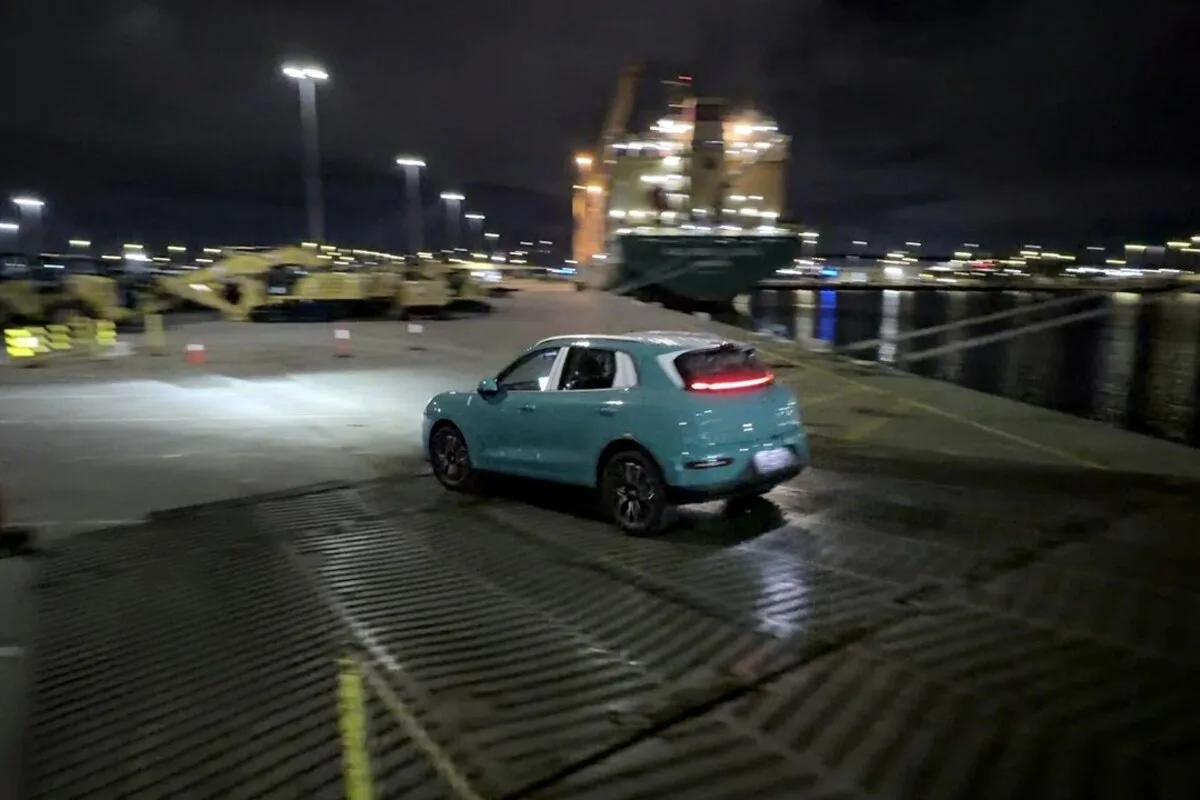
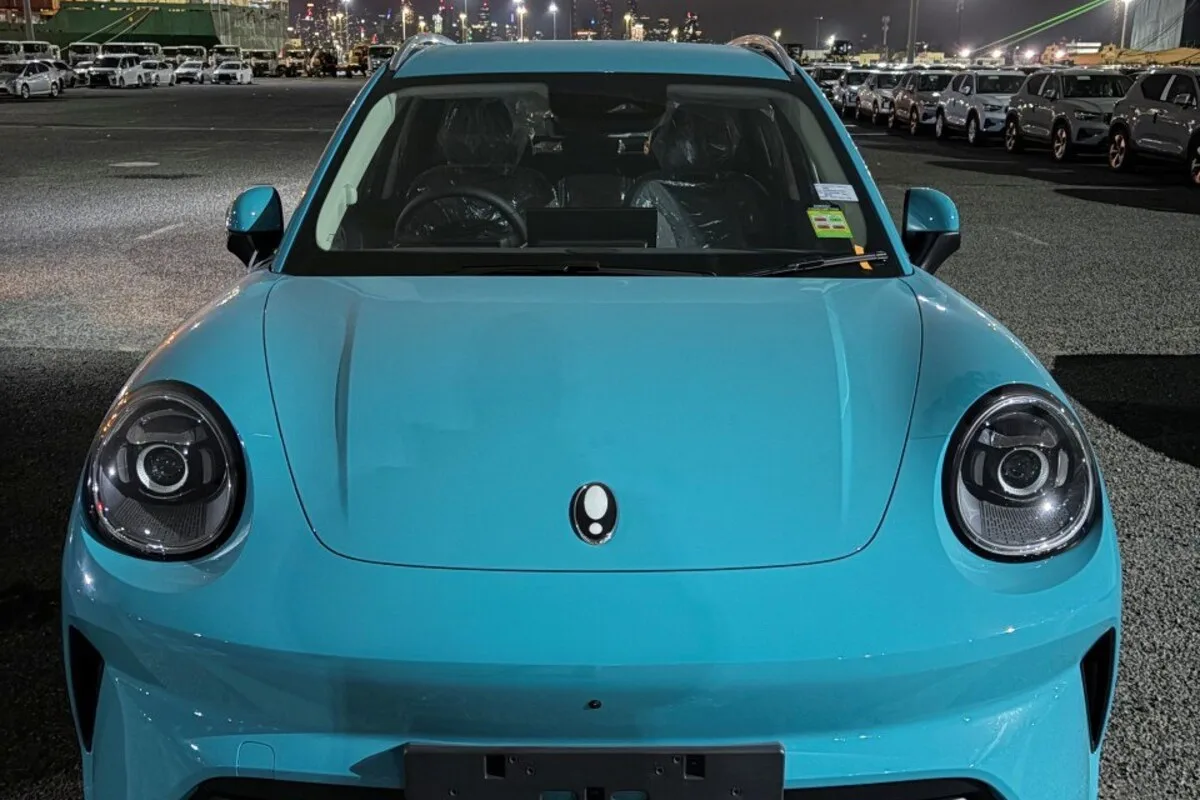
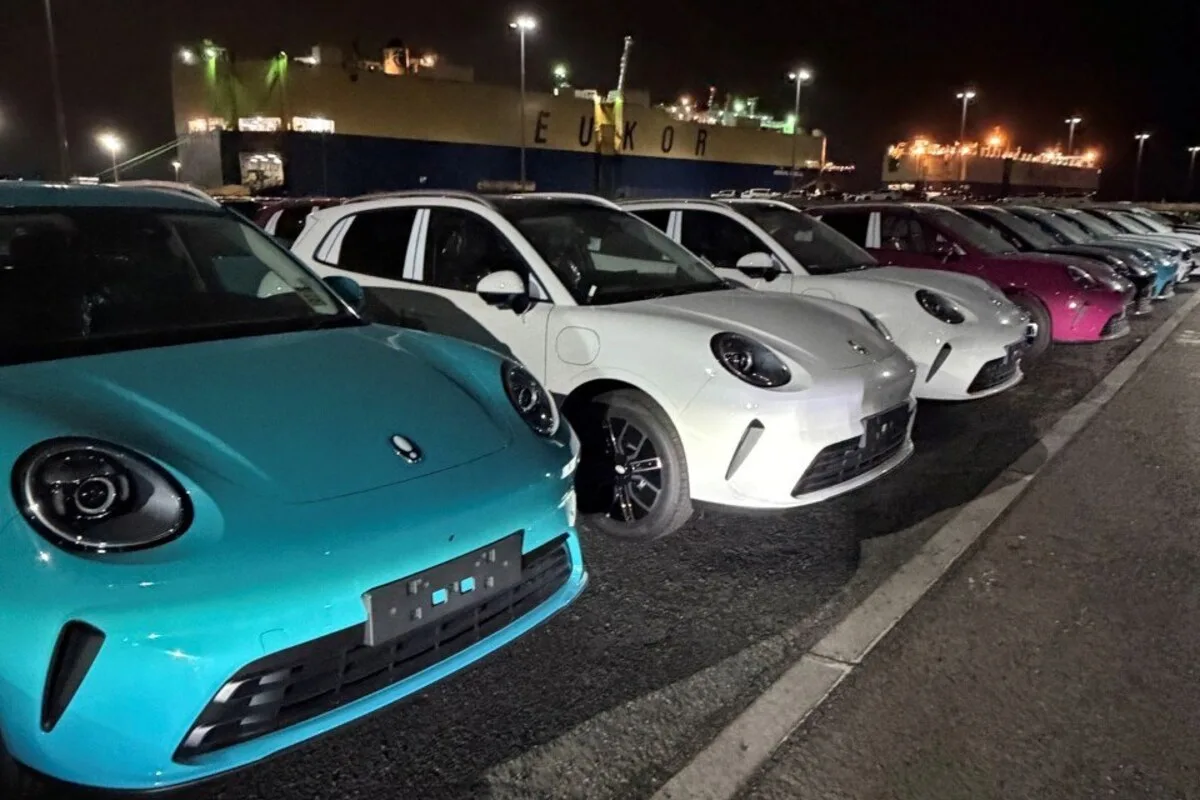

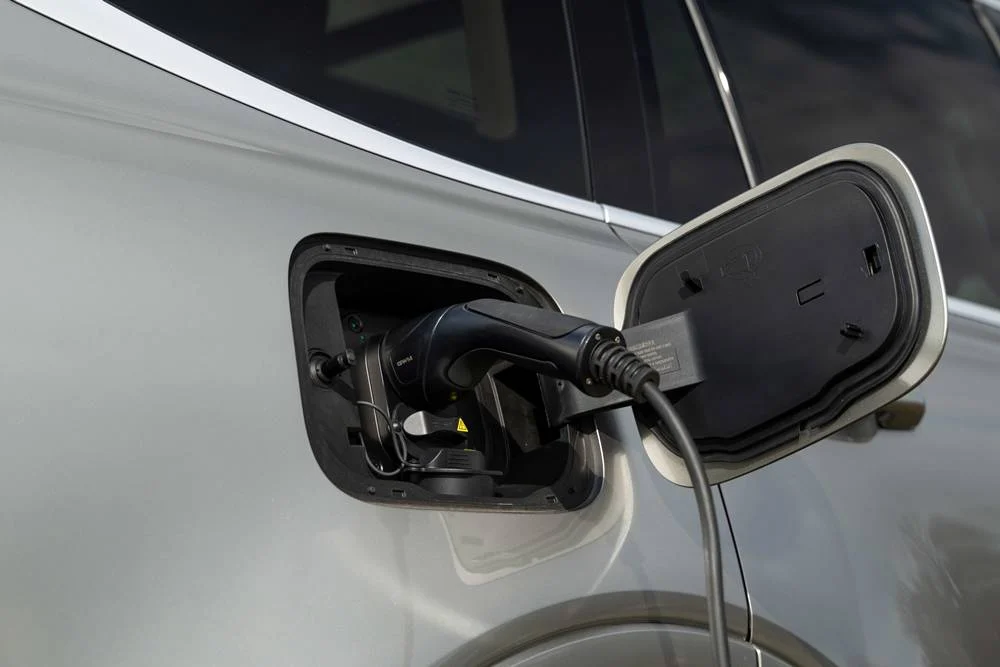
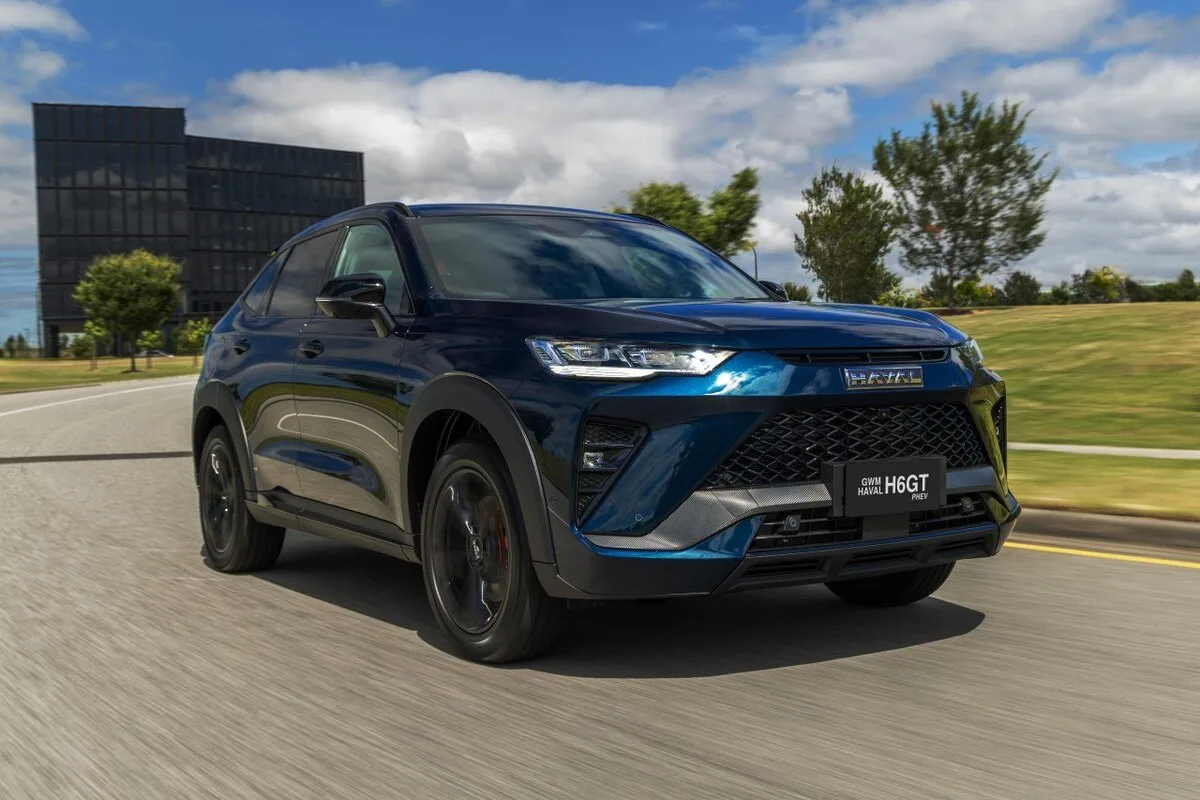
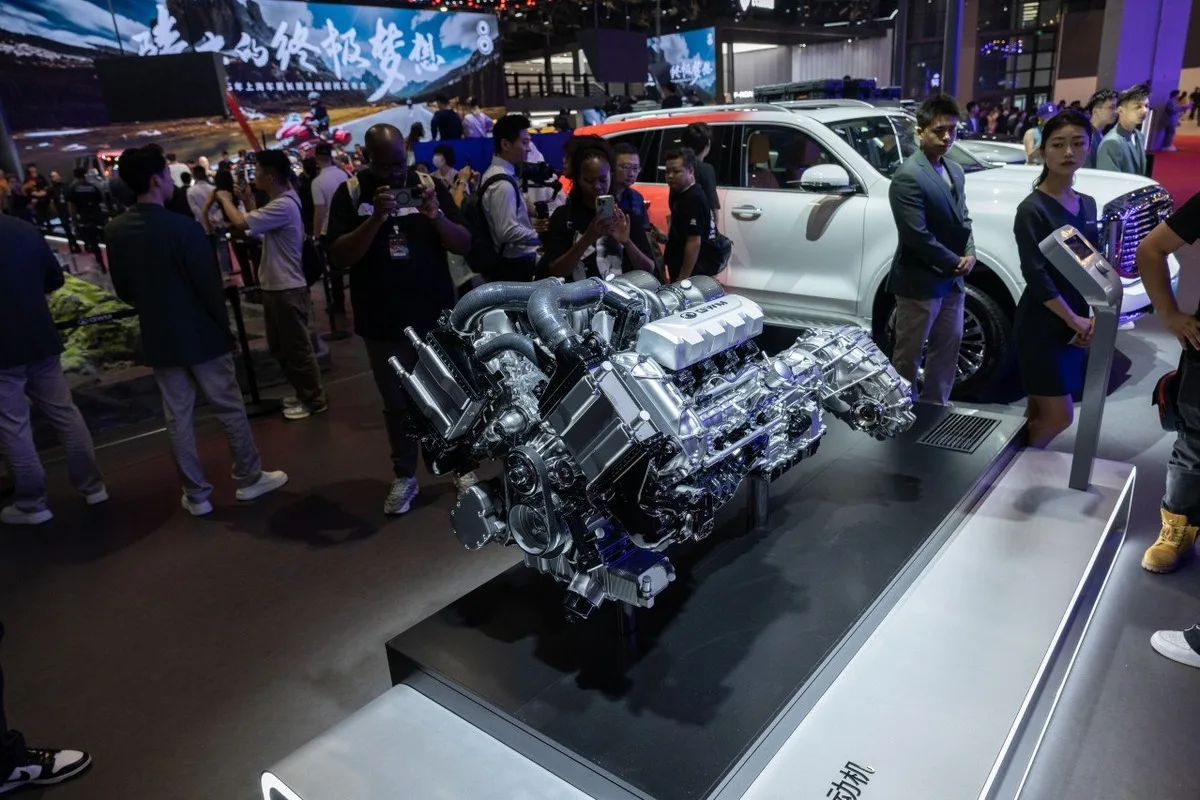
ABOVE: GWM ORA 5, Cannon Alpha, Tank 500, Haval H6GT
ORA Leads The Electric Push
The new ORA 5 SUV is already here, and GWM says demand has landed where expected after record June sales. That is the opening act. A new ORA 5 Hatch and another ORA mid-size SUV follow through 2026, giving GWM a broader EV spread just as the market starts treating electric cars as normal transport rather than dinner-party science projects.
The clever bit is coverage. ORA can do the small and mid-size electric job without forcing GWM to make every other model battery-only. That matters for Australia, where one customer lives five minutes from a charger and another thinks a servo pie counts as infrastructure.
Utes Get The Hybrid Treatment
September brings the Cannon Hi4-T Plug-in Hybrid Ute. GWM says it will combine plug-in hybrid technology, strong capability, and sharp value. We will wait for pricing before tossing confetti, but the idea is sound. Dual-cab ute buyers want towing, range, weekend grunt, and lower running costs. They do not want a lecture from a man in linen about urban mobility.
The Cannon Alpha Hi4-T already gives GWM one electrified ute. Add the incoming Cannon Hi4-T and the brand can claim Australia’s broadest electrified ute range. That is a useful headline, especially while older ute brands are still trying to convince everyone that a diesel with a mild software update is innovation.
The Cannon Alpha XSR also joins the range, aimed at adventure, touring, and recreational buyers. Translation: more off-road theatre, more hardware, and more reasons for blokes to say they need it for camping when the car spends most weekdays outside Bunnings.
Diesel Is Not Dead Yet
GWM is also bringing a new 3.0-litre turbo-diesel engine to both Cannon Alpha and Tank 500, with Australia chosen as the lead global launch market. That is not a small detail. It says GWM has worked out something obvious that several boardrooms keep missing: Australian buyers still tow, tour, sweat, swear, and cross very large distances.
The company says the engine was developed with local testing, Australian customer feedback, and local driving conditions in mind. More power, more torque, better economy, and greater towing confidence are promised. If it lands properly, the Tank and Cannon families become much harder to dismiss as cheap alternatives. They become direct threats.
Haval Fills The SUV Gaps
The Haval H7 arrives in the fourth quarter as a new mid-size SUV with HEV and Hi4 PHEV powertrains. Flagship versions will get front and rear differential locks, which is not something you normally find in the school-run SUV aisle. That gives GWM a neat trick: family comfort with a bit of mud-plugging credibility.
The Haval Jolion Max follows in Hi4 plug-in hybrid and battery-electric forms, sitting between Jolion and H6. It is a tidy move. The old market asked buyers to choose between cheap, practical, or electrified. GWM is trying to make that choice look faintly daft.
WEY Brings The Posh Hit
Then comes WEY, GWM’s premium marque. It will push the group into large SUV and MPV territory with luxury, technology, and electrified performance as the calling cards. Whether Australians are ready for another premium Chinese badge is the question. Then again, the same was said about Korean brands before half the country bought one.
John Kett, GWM Australia’s Chief Operating Officer, put the strategy neatly: no single technology wins every customer, and no single customer needs every technology. That is the grown-up version of what the market has been screaming for years. Give people petrol, diesel, hybrid, plug-in hybrid, and electric. Let them pick.
By late 2026, GWM wants one of the broadest portfolios in the country, covering petrol, diesel, hybrid, plug-in hybrid, and electric power across SUVs and utes. It is a lot. It may even be too much if dealers cannot keep training, parts, and messaging straight.
Still, the direction is hard to ignore. GWM is no longer behaving like a challenger asking politely for a seat. It has pulled up a chair, ordered loudly, and started rearranging the table.
More GWM Stories
- Haval H6 Ultra 2WD HEV Kills Toyota And Hyundai
- 2025 GWM Cannon Alpha Ultra PHEV Review
- GWM Haval H6GT PHEV Review
Help Support Gay Car Boys Subscribe to our Youtube Channel by SMASHING THE BUTTON ABOVE

Alan Zurvas is the founder and editor of Gay Car Boys, Australia's leading LGBTQI+ automotive publication. Before launching GCB in 2008, Alan's automotive writing was published in SameSame.com.au and the Star Observer. With over 16 years of hands-on car reviewing experience, Alan brings an honest, irreverent voice to every review — championing value and innovation over brand loyalty.
Leave a Reply