
Jaguar Land Rover is getting right behind the electrification of its fleet. When we tested the new Defender earlier in the year (see the review here) we loved it. We commented in electric Defenders, and pondered the wisdom of long distance travel should it ever become power by electrons. Land Rover says yes! They’re developing a hydrogen fuel cell electric vehicle (FCEV) based on the new Land Rover Defender.
Testing will start sometime this year. this year (2021).
The FCEV concept offers zero tailpipe emissions, to further Jaguar Land Rover’s aspirations of zero C02 by 2036. They haven’t stopped there, oh no. JLR wants net zero carbon emissions in its entire supply chain including their own operations, as per their Reimagine strategy which they released last month.
Above: This Week 2022 Kia Cerato (model refresh) Video Review

Help Support Gay Car Boys Subscribe to our Youtube Channel
- Top GayCarBoys Stories:
- Sexy Men Drive 2021 Toyota Yaris Cross
- 10 Sexiest MotoGP Motorcycle Riders
- DON’T Drive YOUR CAR until you’ve Checked if your AIRBAG will KILL YOU
- 10 Hottest Racing Drivers
- Top 12 Best Gay Lesbian LGBTI Luxury Cars
- Top 10 Gay Lesbian LGBT Cars
- Top 10 Gay Lesbian LGBT Sports Cars
- Top 15 gay and lesbian LGBT SUVs
- Talented Twinks – Callum Ilott Virtually Races Arthur Leclerc
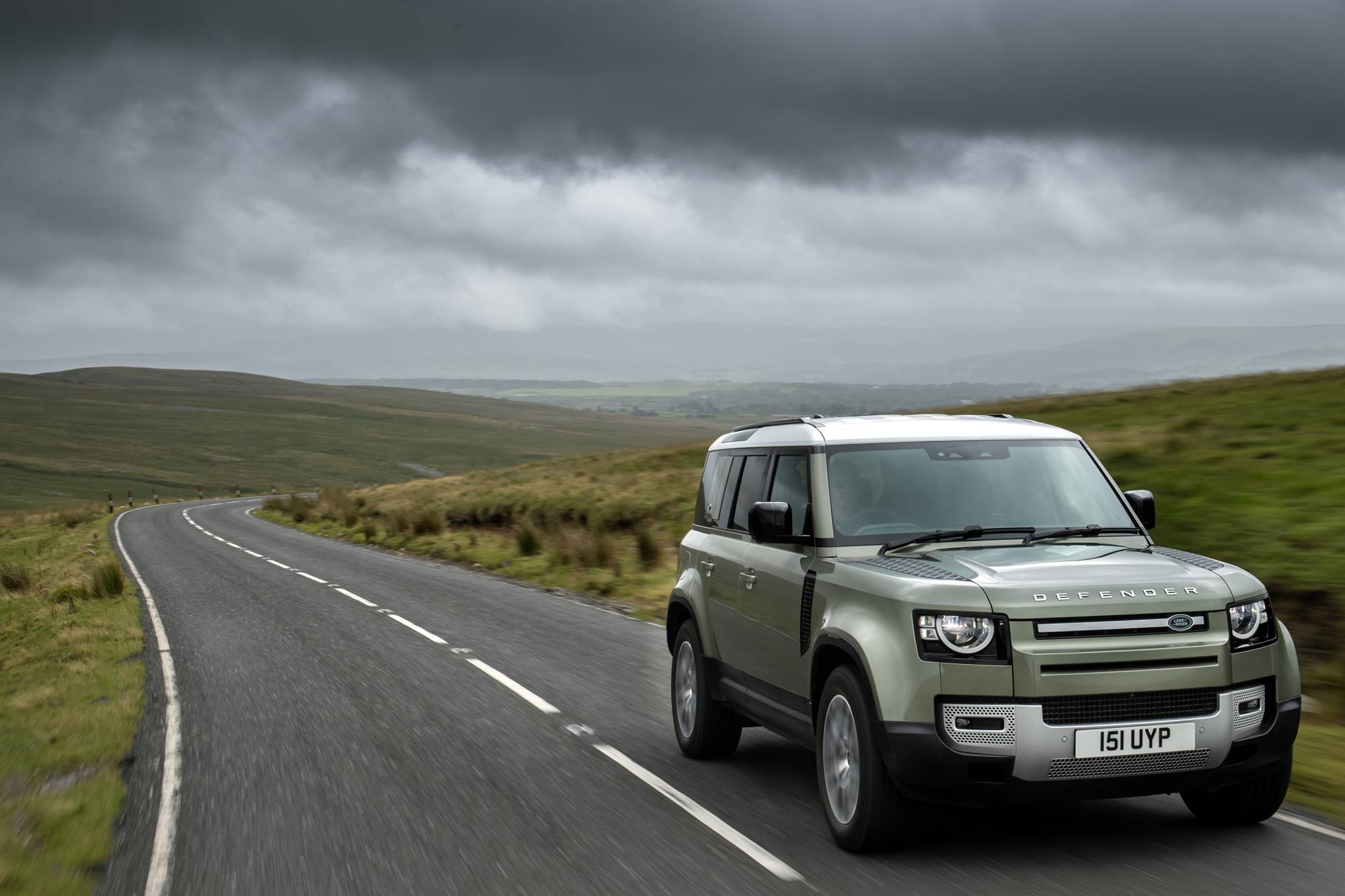
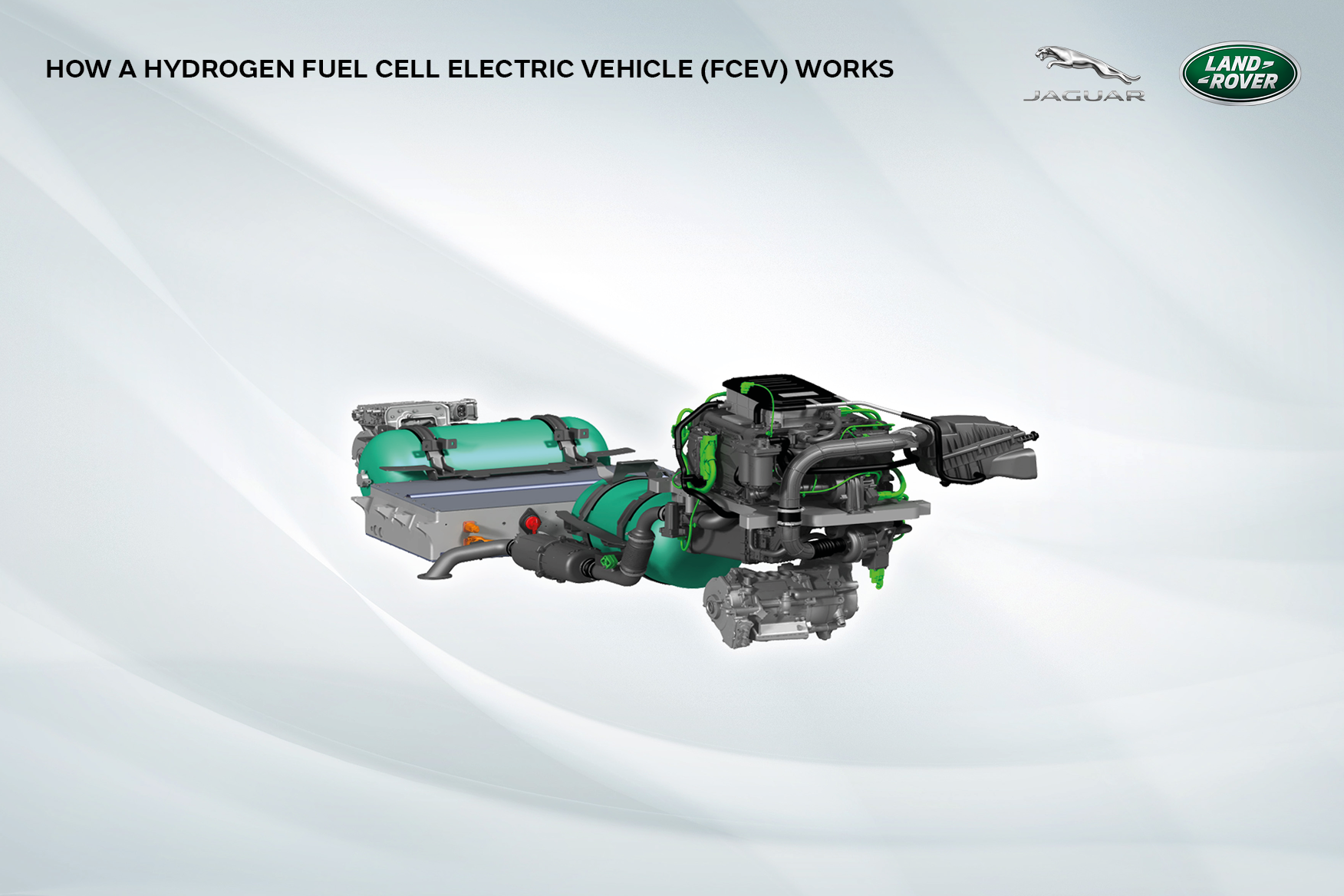

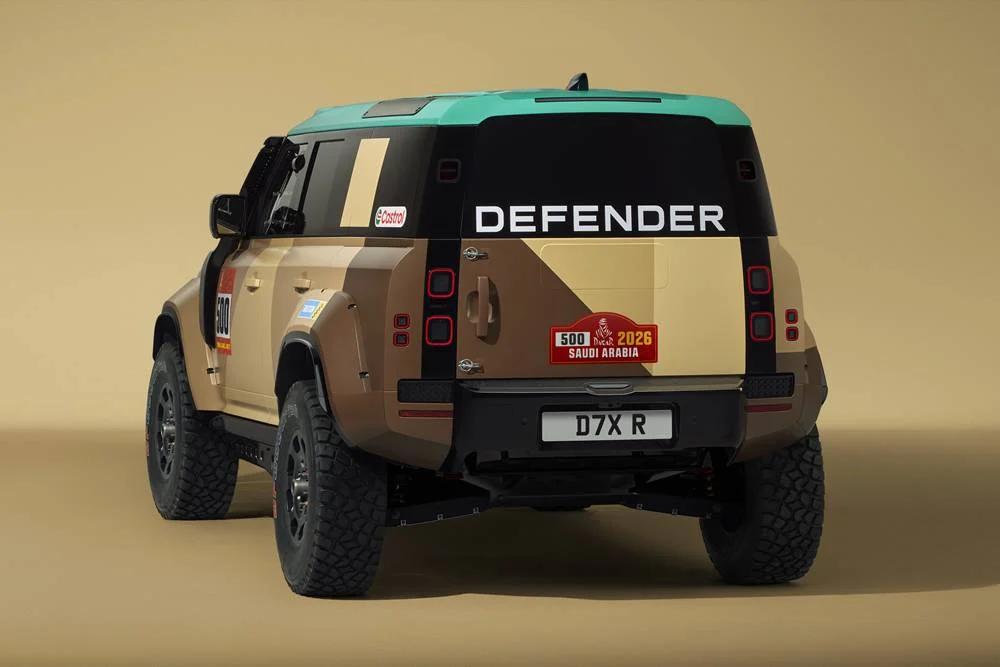
ABOVE: 2021 Land Rover Defender FCEV – hydrogen electric car
FCEVs, convert hydrogen to electric power, so the hydrogen replaces the batteries in a regular EV. They, along with battery electric vehicles (BEVs) will power JRL to a zero emissions future. The advantage of Hydrogen-powered FCEVs is they have high energy density combined with rapid refuelling. They also have range loss in low temperatures, to make Defender a contender for those frosty polar trips that adventurers insist on making..
Since 2018, the the world has seen a doubling of FCEVs, with hydrogen refuelling stations gaining an extra 20% of facilities. Forecasts are that by 2030, there could be 10 million vehicles, and 10,000 refuelling centres across the planet.
Jaguar Land Rover’s Project Zeus, is part funded by the government-backed Advanced Propulsion Centre. It studies the hydrogen powertrain and how can deliver good range, easy refuelling, along with towing and off-road ability.
New Defender FCEV will start testing in UK late in 2021 to verify key attributes such as off-road capability and fuel consumption.
JLR’s Project Zeus teamed up with a bunch of R&D partners, including Delta Motorsport, AVL, Marelli Automotive Systems and the UK Battery Industrialisation Centre (UKBIC) to research, develop and create the prototype FCEV.
Ralph Clague, Head of Hydrogen and Fuel Cells for Jaguar Land Rover, said: “We know hydrogen has a role to play in the future powertrain mix across the whole transport industry, and alongside battery electric vehicles, it offers another zero tailpipe emission solution for the specific capabilities and requirements of Jaguar Land Rover’s world class line-up of vehicles. The work done alongside our partners in Project Zeus will help us on our journey to become a net zero carbon business by 2039, as we prepare for the next generation of zero tailpipe emissions vehicles.”
Other GayCarBoys EV Stories:
- We drive 2019 Jaguar I-Pace SE EV400 Electric car
- 2019 Jaguar I-Pace SE EV400 Driven and rated in GALSTON GORGE Australia Video Review
- Nissan LEAF 2019: All New EV Powers Your Home VIDEO REVIEW
- Hyundai’s 2019 Electric Ioniq: The cheapest EV In Australia?
- New Nissan Leaf Could Power Your Home for a Week
- Tesla Model 3 Colors and Price
- Charging My tesla Model 3
- Tesla Model 3 Full Review Inside, outisde, and Roadtest
- Mini Cooper SE electric
- Karma Starts E-Flex Prototype Testing
- Is Karma Automotive’s New E-Flex Platform a Game Changer
Discover more from Gay Car Boys
Subscribe to get the latest posts sent to your email.














Leave a Reply