The Kia Seltos Hybrid replaces the SP2 Seltos, there’s no petrol-only version in the new range, and with 6 models from $39,990 drive-away to $55,490 for the GT-Line AWD, it seems to be priced in the absence of competition.
Before we get into the nitty-gritty, let’s look at the what.
Kia’s Opposites United design language gives it the same family face as the EV3 GT-Line AWD and the EV4. Vertical headlamps and daytime running lights are pushed out to the edges of a broader grille, and black wheel arch cladding and flush door handles dress the sides. Does anyone else see a vastly more successful “Tasman” face? The tail gets a full-width light and a roof spoiler, and the rear wiper is hidden. The K4 hatch also uses the same language, so Seltos now looks like it belongs in the same showroom as the electric cars, and it’s a good-looking small SUV.
Kia boss Dennis Piccoli tied the hybrid-only decision to demand. “As customer demand for electrified vehicles continues to grow, the all-new Seltos will further strengthen Kia’s presence in the highly competitive small SUV segment,” he said.
Above: Fitcamx for BMW G20 with Ryan
#FitcamX, #BMW3Series, #DashCam, #70maiA900, #GayCarBoys

Help Support Gay Car Boys Subscribe to our Youtube Channel by SMASHING THE BUTTON ABOVE


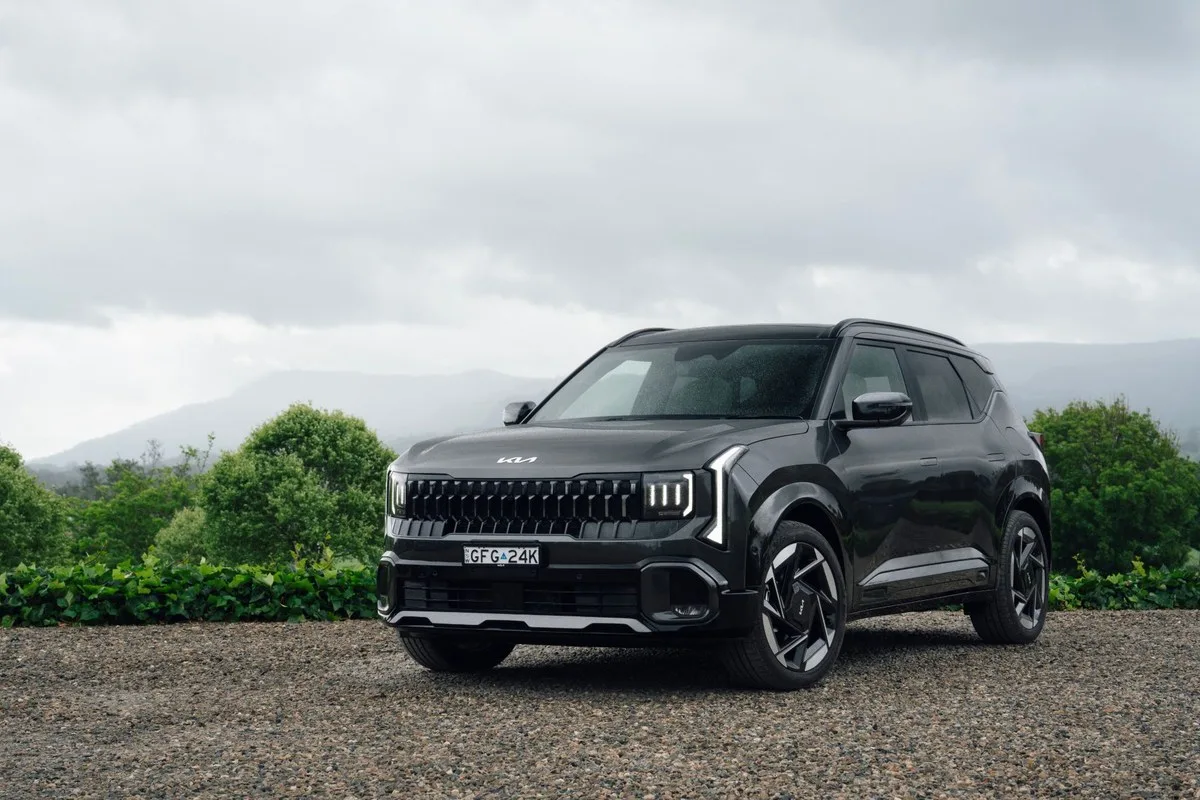
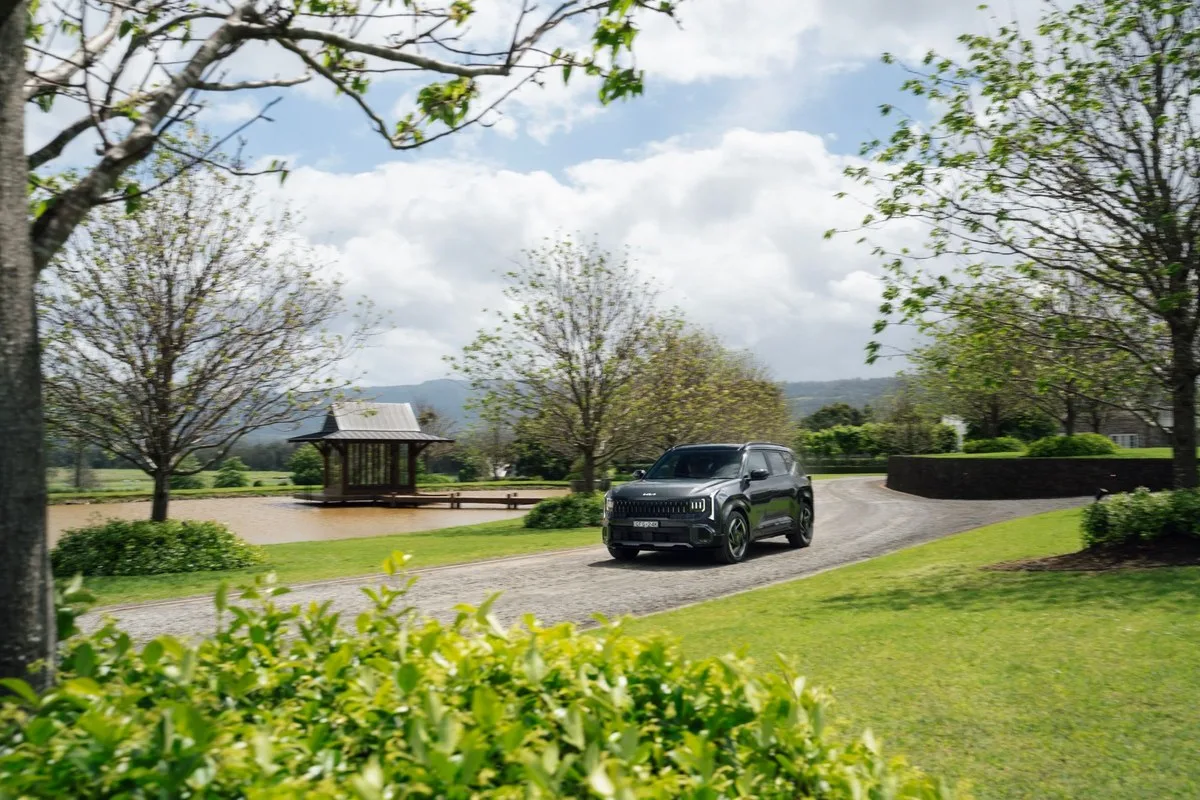
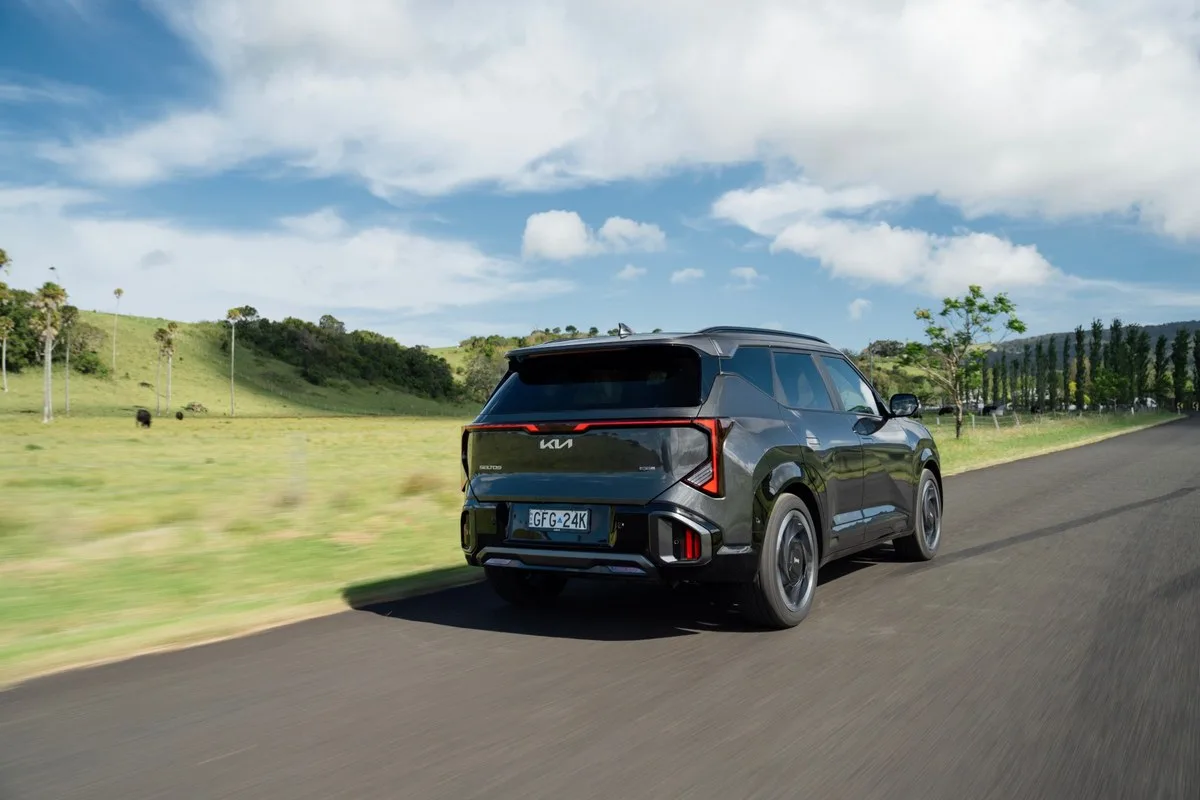
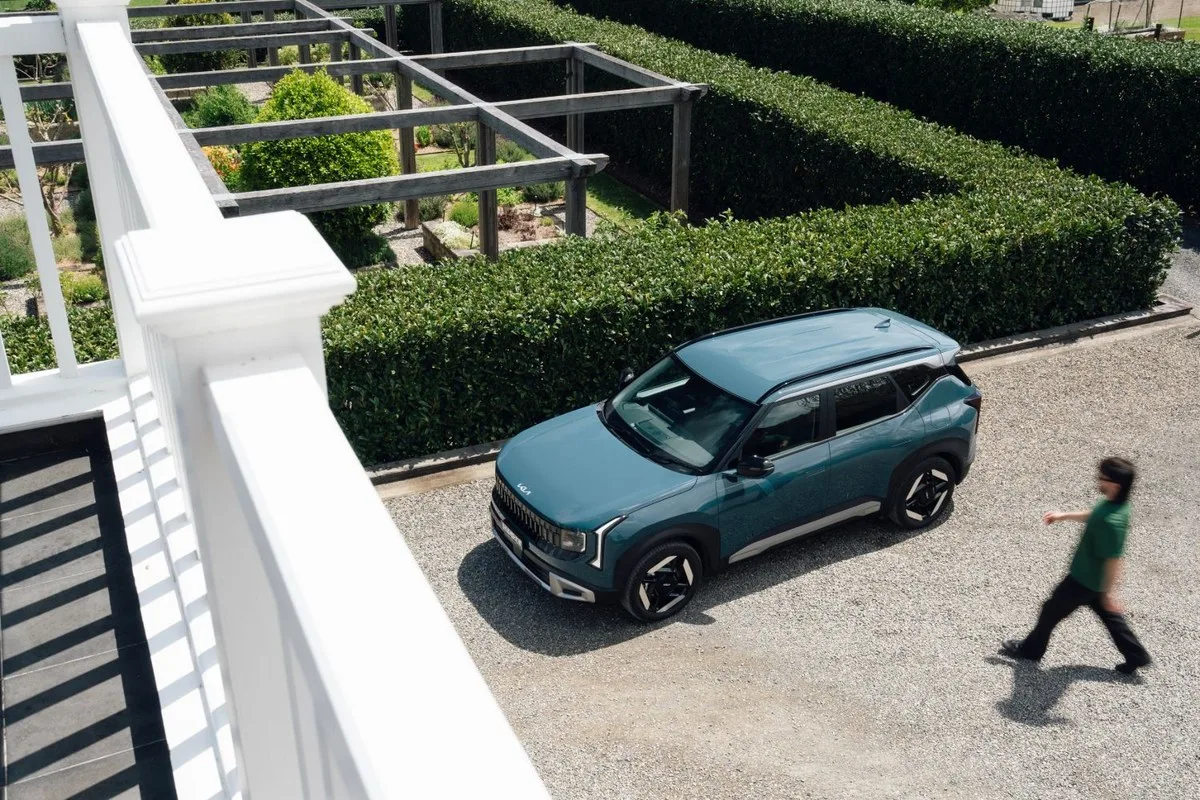


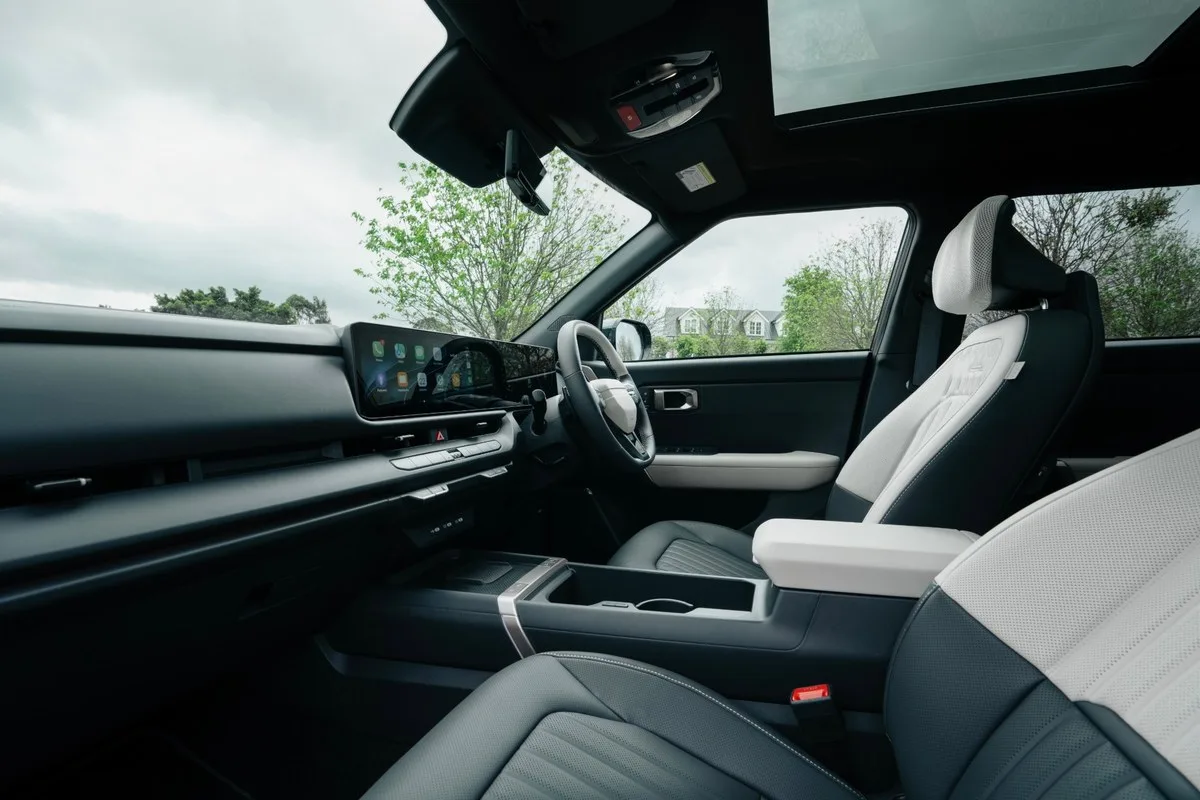

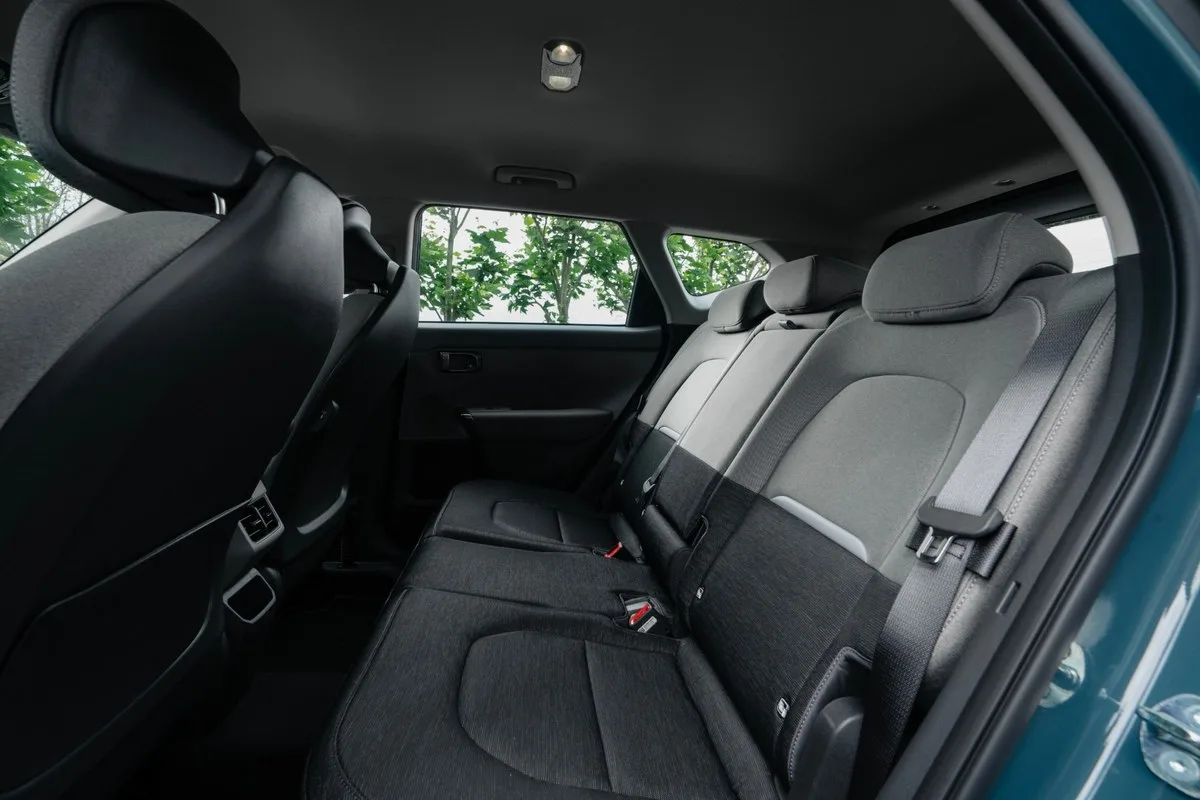

ABOVE: The 2026 Kia Seltos Hybrid
Kia Seltos Hybrid drivelines and e-AWD
Seltos uses a 1.6-litre petrol-electric hybrid driving through a dry-clutch 6-speed dual-clutch transmission. Front-drive models have a modest 112kW/265Nm combined.
The GT-Line is the only trim offered with a choice of FWD or e-AWD. The AWD version adds a separate electric motor on the rear axle that drives the rear wheels when required. There’s no mechanical driveshaft running from front to rear. It’s the same layout Toyota uses for its E-Four hybrid AWD, and it’s Kia’s first e-AWD hybrid. Combined output rises to 126kW.
That rear motor adds 14kW over the front-drive GT-Line. It also costs 0.4L/100km, with the AWD rated at 5.8L/100km against 5.4L/100km for the FWD. The S uses the least fuel of the range at 5.1L/100km. The AWD gives up the space-saver spare for a tyre mobility kit.
Graeme Gambold, Kia’s Chief Ride and Handling Engineer, led a local ride and handling programme for the new car. Its body is stiffer and better insulated for sound than the SP2’s, and the suspension and steering were revised.
| FWD | AWD | |
|---|---|---|
| Models | S, Sport, Sport+, GT-Line | GT-Line |
| Engine | 1.6-litre petrol, 74kW/139Nm | 1.6-litre petrol, 74kW/139Nm |
| Front motor | 45kW/203Nm | 45kW/203Nm |
| Rear motor | None | 50kW/185Nm |
| Combined | 112kW/265Nm | 126kW, torque not published |
| Battery | 1.49kWh Li-ion | 1.49kWh Li-ion |
| Transmission | 6-speed DCT dry-clutch | 6-speed DCT dry-clutch |
| Fuel | 5.1-5.4L/100km | 5.8L/100km |
| Tare weight | 1,632kg | 1,722kg |
| Towing, braked | 910kg | 810kg |
| Spare | Space-saver | Tyre mobility kit |
It would be remiss not to mention that Kia’s Seltos owner’s manual specifies a “dry type dual clutch”, and dry-clutch dual-clutch gearboxes have a long and storied record of failure. Along with CVT automatics, they’ve not been as robust as advertised, and appear to be a cost saving too far.
Volkswagen’s 7-speed dry-clutch DSG is the most notorious. It recalled 25,928 cars in 2013 after owners reported sudden loss of drive, the same year 384,000 were recalled in China over shuddering, power loss and sudden acceleration. Ford’s PowerShift in the Fiesta, Focus and EcoSport ended with a $10 million Federal Court penalty in 2018 over the way Ford handled owner complaints, and a class action on behalf of about 70,000 owners. The saga continues with Hyundai and Kia’s 7-speed dry-clutch DCT in the turbo Kona, Tucson and Sonata needing new clutch material and new software to cure judder. Niro hybrids built from 2020 to 2022 were recalled in July 2024 because moisture in the clutch actuator could start a fire. So why does Kia still use one? Why does any OEM use them?
A bigger cabin and what each trim level gets
The wheelbase is 60mm longer than the SP2’s, at 2,690mm, with most of that extra space in the back seat, where legroom is up 25mm to 990mm. The boot is 483L with the seats up and 1,441L folded.
Seltos is the first Kia with an In-Cabin Safety Camera which monitors the front passenger seat.
The S already has the twin 12.3″ screens, dual-zone climate and wireless CarPlay. The head-up display, cooled seats and sunroof are GT-Line only, and that’s the kit the Chinese rivals give you for about $9,000 less.
What $55,490 buys from Chinese brands
The Geely Starray EM-i Inspire we reviewed is $39,990 before on-roads, or about $44,000 drive-away. That’s roughly $11,500 less than the Seltos GT-Line AWD, for a larger mid-size SUV.
The Starray is a 193kW plug-in hybrid, and its 18.3kWh LFP battery gives an 83km claimed electric range. It matches the GT-Line’s head-up display, cooled front seats, panoramic roof and power tailgate, and its sound system has 16 speakers to the Kia’s eight. It’s front-drive only.
The Haval H6 Ultra hybrid is another mid-size option, with a 179kW/530Nm 1.5-litre turbo hybrid. It has the GT-Line’s head-up display and cooled seats too, for fewer shekels.
The closest in size is the Chery Tiggo 4 Hybrid, a small SUV whose Urban trim was $29,990 drive-away, with the Ultimate at $34,990. It’s a 150kW/310Nm hybrid with a single-speed transmission and is rated at 5.4L/100km, the same as the front-drive GT-Line.
For anyone open to an EV, the GAC Aion UT was $31,990 drive-away with a 150kW motor, a 60kWh LFP battery, and 430km WLTP, which was a fairly accurate claim. It’s an electric hatch rather than a hybrid SUV so in theory should cost more.
So does Seltos keep up? On price, power and kit, no. However, it has a bigger boot than the Starray, 483L against 428L, and a space-saver spare in every model except the AWD.
Legacy brands are seeing a slowing of sales and sister brand Hyundai recently canned the launch of IONIQ 3. The reason given by Hyundai’s OZ chief was that it couldn’t compete on price. Is the same thing true of hybrid and ICE models too?
Kia Seltos Hybrid
| Model | RRP | Drive-away | Power | Fuel | Wheels |
|---|---|---|---|---|---|
| S | $37,990 | $39,990 | 112kW/265Nm | 5.1L/100km | 16″ |
| S Safety Pack | $40,150 | $42,420 | 112kW/265Nm | 5.1L/100km | 16″ |
| Sport | $41,910 | $43,990 | 112kW/265Nm | 5.3L/100km | 18″ |
| Sport+ | $44,970 | $46,990 | 112kW/265Nm | 5.3L/100km | 18″ |
| GT-Line FWD | $49,870 | $52,990 | 112kW/265Nm | 5.4L/100km | 19″ |
| GT-Line AWD | $52,870 | $55,490 | 126kW | 5.8L/100km | 19″ |
Kia Seltos GT-Line AWD vs Geely Starray EM-i Inspire
| Kia Seltos GT-Line AWD | Geely Starray EM-i Inspire | |
|---|---|---|
| RRP | $52,870 | $39,990 |
| Drive-away | $55,490 | ~$44,000 |
| Power | 126kW | 193kW |
| Driveline | 1.6-litre hybrid, e-AWD, 6-speed DCT | 1.5-litre plug-in hybrid, FWD |
| Battery | 1.49kWh Li-ion | 18.3kWh LFP |
| Electric range | No plug-in | 83km claimed |
| Fuel (claimed) | 5.8L/100km | 2.4L/100km |
| Boot, seats up | 483L | 428L |
| Head-up display | Yes | Yes |
| Cooled front seats | Yes | Yes |
| Panoramic roof | Yes | Yes |
| Power tailgate | Yes | Yes |
| Sound system | 8-speaker Harman/Kardon | 16-speaker, 1,000W |
| Spare | Tyre mobility kit | Tyre repair kit |
Above: 70mai A900 Dashcam + 4G Hardwire kit Unboxing and Review
#70maiA900, #70mai, #DashCam, #RedtigerF77, #GayCarBoys
More Kia Stories
- Kia Vision Meta Turismo Shows Kia’s Designers Haven’t Lost Their Nerve
- 2026 Kia EV3 GT-Line AWD Trades Range for Extra Pace
- Kia K4 Hatch is Comfy but is it Value? Video Review

Alan Zurvas is the founder and editor of Gay Car Boys, Australia's leading LGBTQI+ automotive publication. Before launching GCB in 2008, Alan's automotive writing was published in SameSame.com.au and the Star Observer. With over 16 years of hands-on car reviewing experience, Alan brings an honest, irreverent voice to every review — championing value and innovation over brand loyalty.
Leave a Reply