
On 28th May, Maserati celebrated a 60th anniversary. It had been 60 years since the Tipo 61 won at the 7th Nürburgring (Nordschleife) 1,000 kilometres.
More Supercar at GayCarBoys
- Gordon Murray Design Launches T.50 Supercar
- McLaren and Blue Peter Answer Children’s Questions
- McLaren GT Goodwood Festival of Speed
- 2018 McLaren 540C Video Review
- I drive McLaren’s 540C and rate it
- Alpine A110 Rally Version
- Alpine Launches in Australia at Motorclassica Melbourne
- Audi R8 Performance QUATTRO Review
- See Our 246kph Lap in and Audi R8
- Maserati’s MC20 Supercar Wins Prestigious Award
Maserati Tipo 61 was driven by Masten Gregory and Lloyd Casner and this win happened only one year after the 1960 Stirling Moss victory with Dan Gurney.
Above: This Week 2021 Peugeot 2008 GT Sport (Launch Special) Video Review

Help Support Gay Car Boys Subscribe to our Youtube Channel
- Top GayCarBoys Stories:
- Sexy Men Drive 2021 Toyota Yaris Cross
- 10 Sexiest MotoGP Motorcycle Riders
- DON’T Drive YOUR CAR until you’ve Checked if your AIRBAG will KILL YOU
- 10 Hottest Racing Drivers
- Top 12 Best Gay Lesbian LGBTI Luxury Cars
- Top 10 Gay Lesbian LGBT Cars
- Top 10 Gay Lesbian LGBT Sports Cars
- Top 15 gay and lesbian LGBT SUVs
- Talented Twinks – Callum Ilott Virtually Races Arthur Leclerc
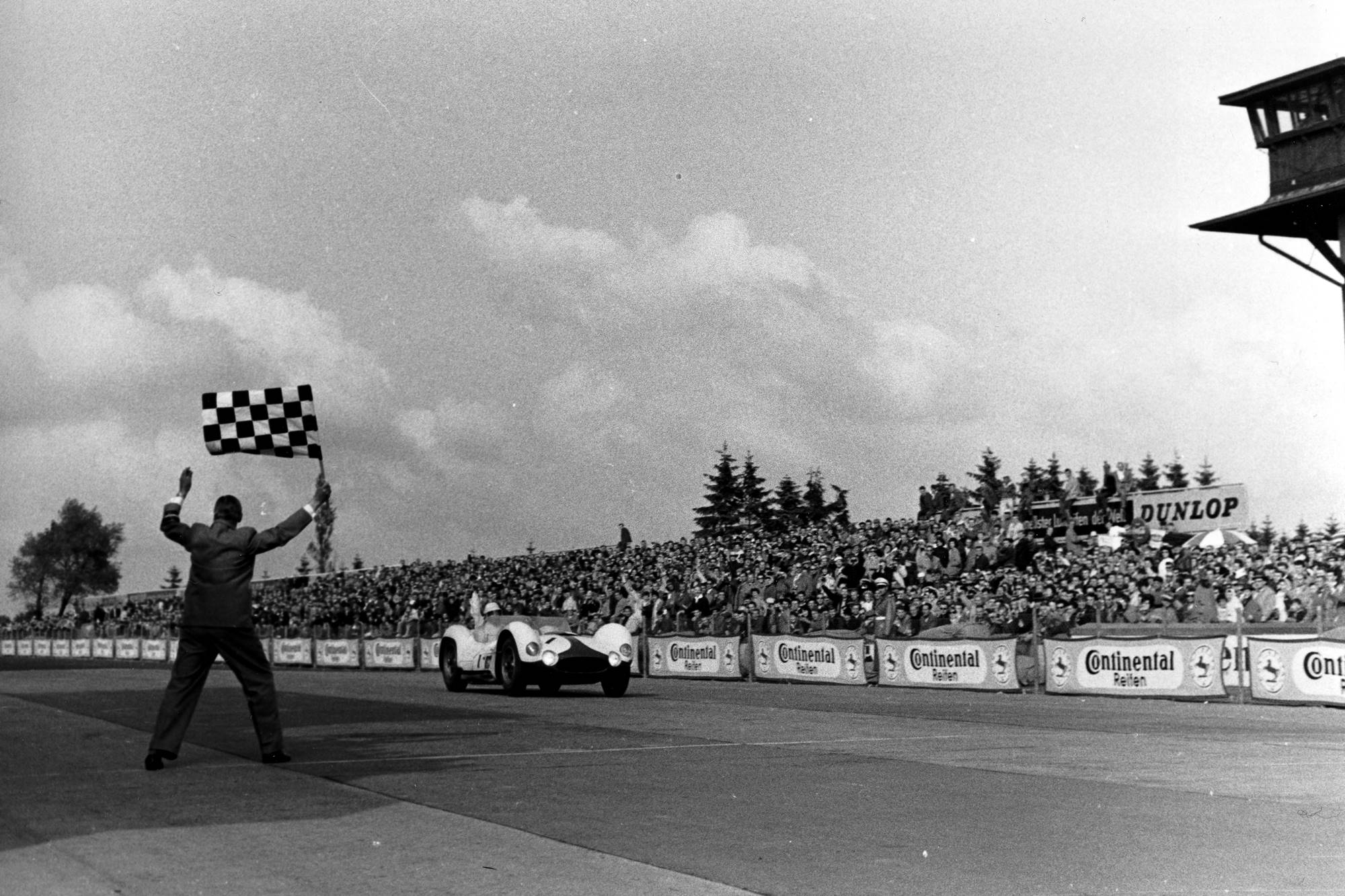
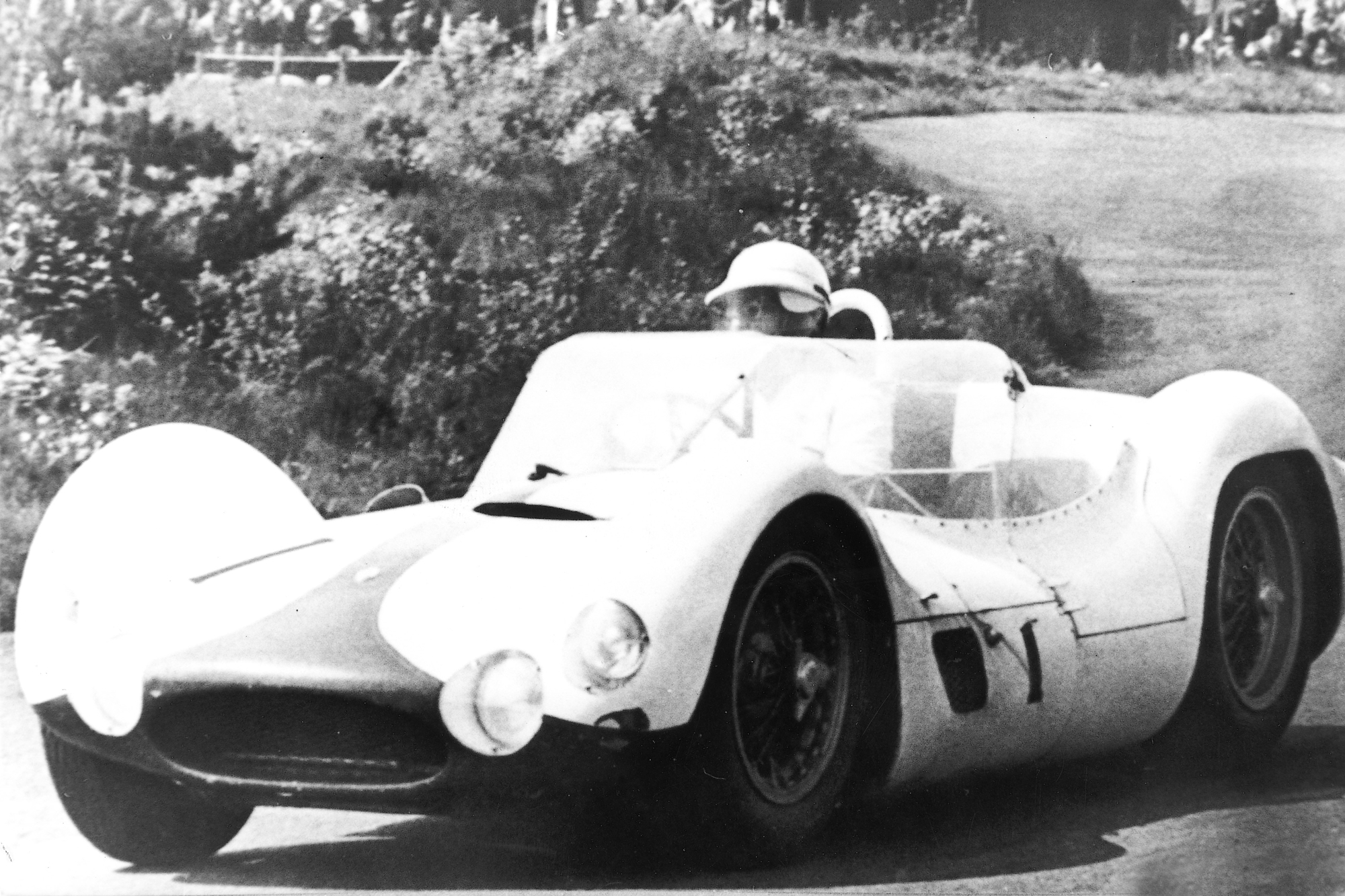
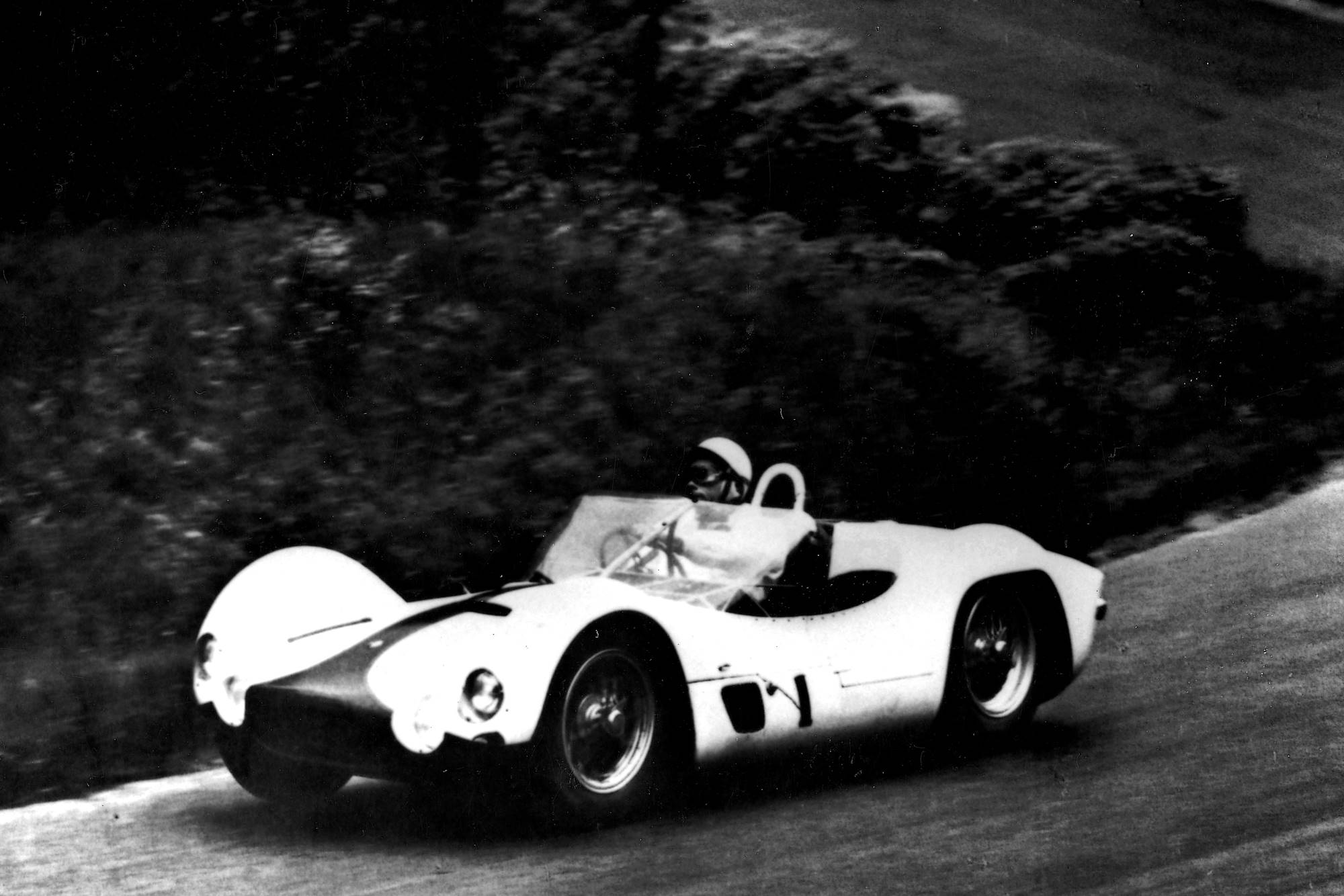
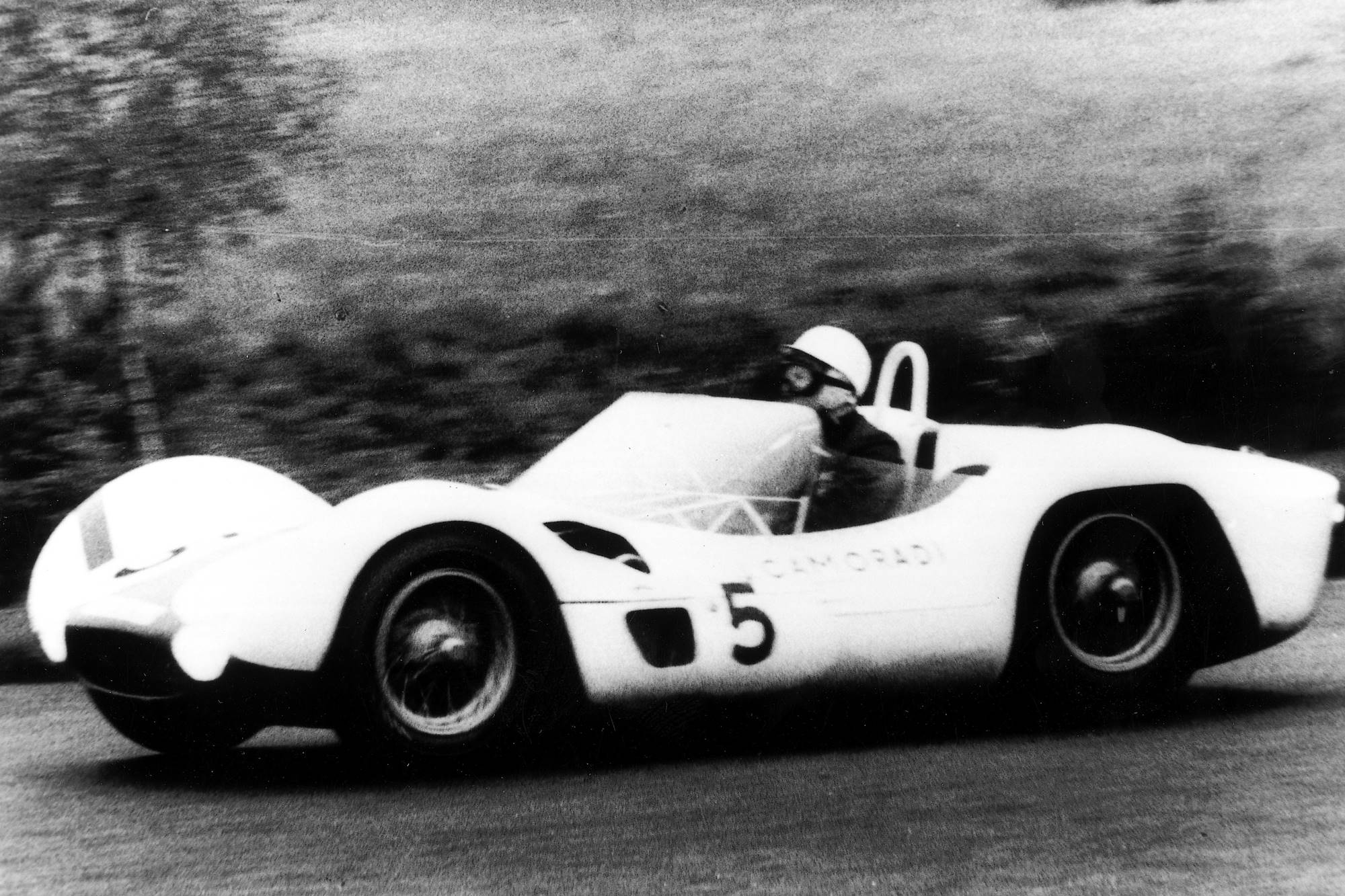
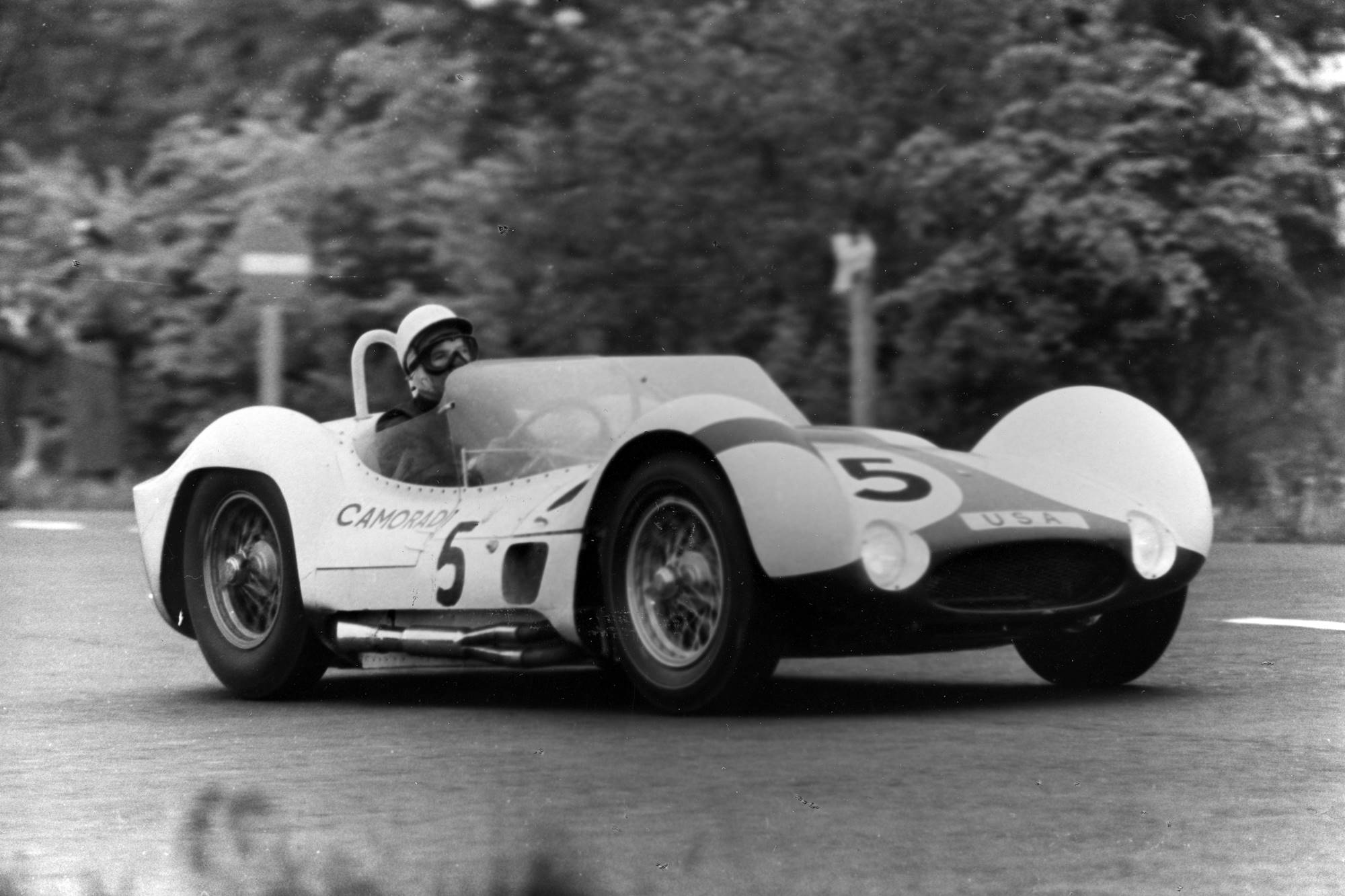
ABOVE: Tipo 61
The car had unique white and blue bodywork that inspired the Maserati MC12 Stradale of the early 2000’s, as a nod to those historic wins. Maserati MC12 Stradale is succeeded by the magnificent MC20, which has reignited the race desire in Maserati’s DNA, and readied the way for a Maserati racing comeback.
The Tipo 61 was designed by Giulio Alfieri, body construction nicknamed the “Birdcage”. It has over 200 tubes that were assembled in this birdcage-like way. It was lighter and more rigid than the other racers of the era. The barchetta-style car was the ideal configuration for front-engined, rear-wheel drive racers.
Maserati started manufacturing the Tipo 60 in March 1959. By November 1959 it was transforming into the Tipo 61. As technical regulations changed in the Le Mans 24 Hours, the cars changed with them. The 4-cylinder engine was modified to 2.9L, with an output of 250 hp at 7,000 rpm. There was a slight weight gain of 30kg, to 600 kg, and the speed increase from 270 to 285 km/h.
The big power output, economy was decent, something that comes in handy for endurance races, where the Tipo 61 was able to reduce the number of refuelling stops.
It was made for 3 years between 1959 and 1961, during which time the Tipo 60/Tipo 61 dominated the international racing scene. The high powered car Sped to victories which Maserati wants to emulate with the new MC20.
Key technical features of the Tipo 60 – Tipo 61:
Engine: vertical straight-four
Displacement: 1,990 cc – 2,890 cc
Power output: 200 – 250 hp
Gearbox: Mechanical five-speed + reverse en-bloc with the differential casing
Chassis: birdcage
Weight: 570 kg – 600 kg
Top speed: 270 km/h – 285 km/h
Discover more from Gay Car Boys
Subscribe to get the latest posts sent to your email.

















Leave a Reply