BMW Australia has banished the entry-level electric variants and given the remaining X1 and X2 lineups a hardware makeover. It may sound like new lippy and a change of hat, but the tech really is a shift in thinking. Some of the less desirable elements remain, such as the subscription-obsessed additions, but the drivelines have had a good going-over. While BMW is claiming a push to electrification, the changes seem to extend the life of ICE power. At these prices, it ignores brands like Tesla completely.
The PHEV Reality
The mid-2026 arrival of the X1 xDrive25e brings a plug-in hybrid (PHEV) into the local range. It consists of a small three-cylinder petrol engine and an electric motor for a combined output of 180kW and 477Nm. While we once thought PHEVs were a no-man’s land between electric and ICE power, buyers have decided they like it, a lot. It really doesn’t matter what car-makers try to push, buyers will accept it or not, and that brings us to the PHEV.
It is a clever middle ground for those not quite ready to go full battery electric but tired of the petrol station routine. Unlike regular hybrids, a PHEV uses a larger battery, in this case 14.2kWh. An electric range of up to 86km allows for an average urban commute, meaning an owner could in theory have an EV all week and only wake up the engine for weekend road trips. Charging is limited to a snail’s pace 11kW AC support, allowing a full top-up in under two hours. Unlike much cheaper PHEVs, the BMWs do not have fast DC charging.
Mild-Hybrid Tokenism
Further down the range, the old sDrive18i is gone, replaced by the sDrive20i. This new base model gains a token 48-volt mild-hybrid technology, a first for these engines in the Australian market. This system also harvests energy during braking and provides a very small electric boost during acceleration. The motor sits between the engine and gearbox and entirely replaces the function of the starter motor. It smooths out the stop-start system and shaves a few tiny points off the fuel consumption figure. It is a token move as the local industry pivots toward tougher WLTP testing standards.
The Electric Brain Transplant
Sensible buyers who have already committed to the electric future can select the iX1 and iX2 xDrive30 models that are getting a brain transplant. BMW is installing new high-tech silicon carbide (SiC) inverters that provide better heat management and higher power density. This translates to more efficiency and an allegedly more reliable driving range to stand out in an increasingly crowded field of premium electric rivals.
However, the cull has claimed the entry-level electric variants from the Australian catalogue. The likely reason for this “pivot” is competition. There is a range of much cheaper, better built, more reliable Chinese brands to pick from. Zeekr X, for example, is a classy EV that has more gear, longer range, better performance, faster charging, and sexier styling for less money. Posh brands ignore this at their peril.
Performance and The Cabin
The flagship M35i models have also been caught in the crosshairs of progress. To comply with new emissions regulations, BMW has fitted petrol particulate filters to these high-output four-cylinder engines. These additions drop the power levels by 12kW, bringing the total down to 221kW. While most drivers will struggle to feel that deficit in daily traffic, it is a reminder that the era of unrestricted internal combustion is rapidly closing.
Inside, BMW is scrambling to give the brand a perception of value. Many European luxe badges are copping a flogging for renting drivers features already built into the car, like seat heating or wireless CarPlay. That is unforgiveable in a car of this pedigree and price. BMW bettered the value proposition to help buyers swallow the updated price tags, adding seat heating and electric adjustment as standard on the sDrive20i, features that cars half the price already have.
The Value Gap and the Paywall
BMW never misses a trick when it comes to reaching into your wallet. The big German says pricing reflects the added tech, but this continued blindness ignores offerings on other forecourts. Chinese luxury brands offer better value, more tech, and more comfort. Crucially, they do not rent drivers tech that BMW either charges as options or via subscription. While BMW still asks for a “preparation” fee or monthly tithe for features like High Beam Assistant or Remote Start, the Chinese competition delivers them for free.
Ultimately, this 2026 refresh is BMW playing the long game. They are streamlining for a market demanding performance and more gear. Legacy brands must do better if they are to survive. Holden tried this too, remember? The Chinese brands like Xpeng, GWM, MG and Geely are taking over.
Above: This Week’s VIDEO Review –2026 Chery Tiggo 7 PHEV Ultimate -Why ASX is dead PART 2
#CheryTiggo7PHEV #MitsubishiASX #Remitzy #PHEVReview #GayCarBoys


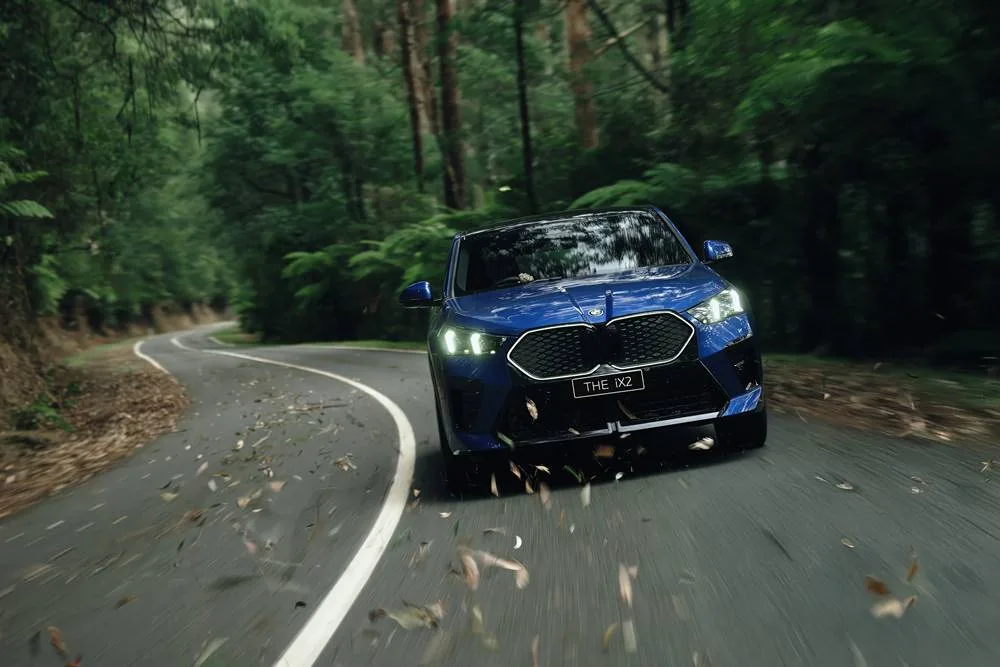
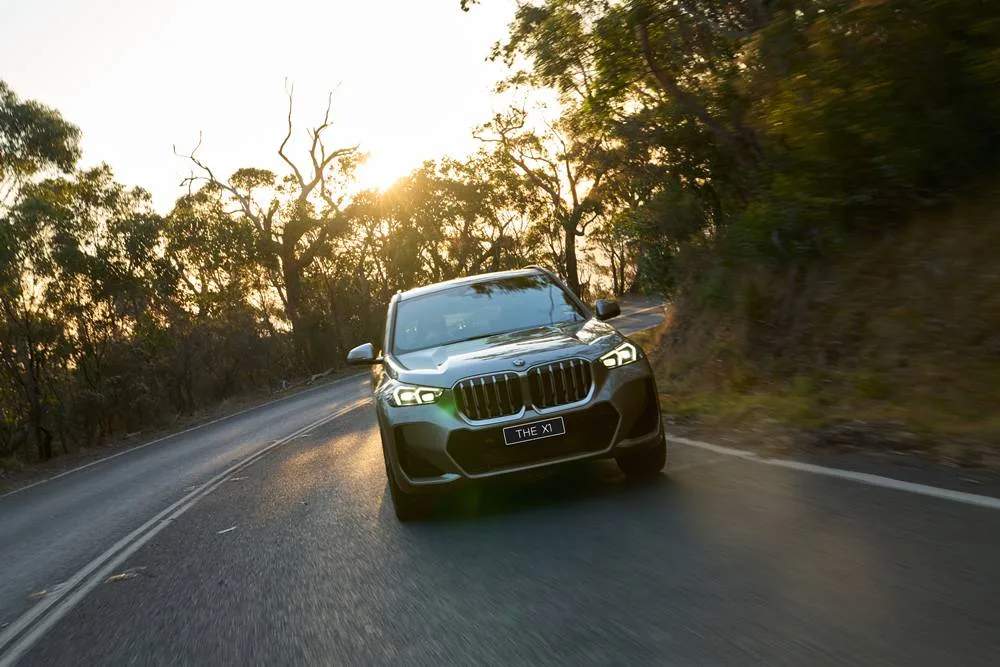
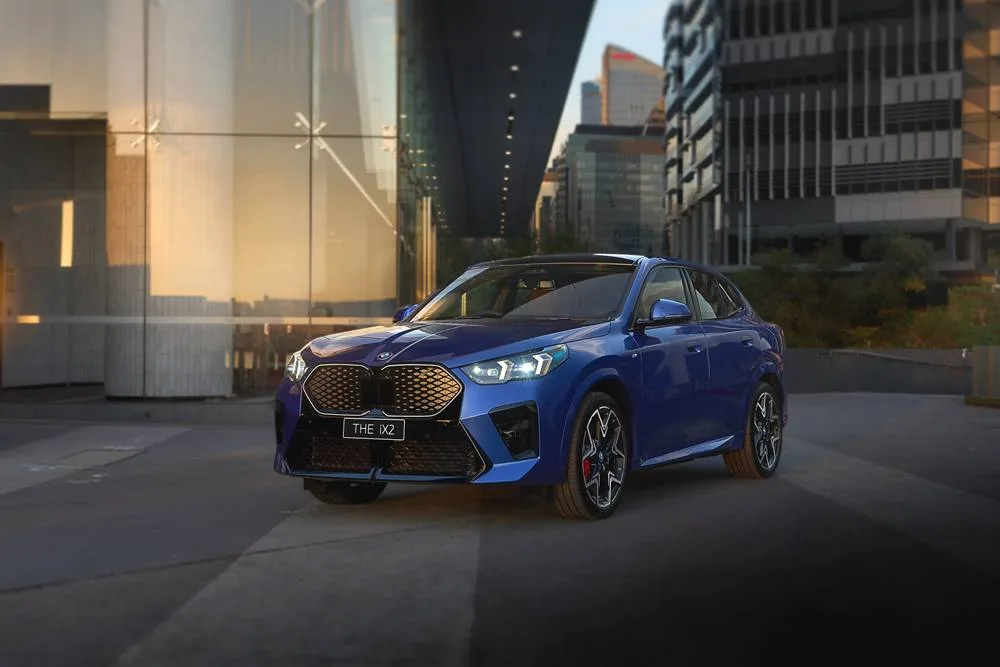


ABOVE: BMW- X1 and X2 along with BEV versions iX1 and iX2
Feature Comparo: Standard vs Paywall
|
Feature |
BMW X1 / iX1 |
Zeekr X AWD |
|
Price (MSRP) |
$66,700 – $93,900 |
$64,900 |
|
Seat Functions |
Standard Heating (2026) |
Heating, Ventilation, Massage |
|
Audio System |
Standard 6-speaker |
13-speaker Yamaha |
|
Head-Up Display |
Bundle Option / Subscription |
Standard 24.3-inch AR-HUD |
|
High Beam Assist |
Paywall ($259 unlock) |
Standard |
|
Remote Start |
Subscription ($29/mo) |
Standard |
|
Adaptive Suspension |
Paywall ($650 unlock) |
Standard |
Silicon Carbide (SiC) Inverters Explained
- The Efficiency Gain: There is a range boost of around 40km without increasing the battery size. By reducing energy loss as heat, the system operates at a theoretical 99.1% efficiency.
- Faster Switching: SiC MOSFETs turn on and off faster than regular silicon, reducing “switching losses” by up to 70%.
- Heat Management: SiC has better thermal conductivity, so the system requires less cooling hardware.
- Compact Design: The new inverters are roughly 30% smaller and 40% lighter.
BMW X1, BMW iX1, Zeekr X, EV Technology, Range, Subscriptions
BMW’s 2026 update for the X1 and X2 adds tech like silicon carbide inverters but fails to match the standard luxury and value of subscription-free Chinese rivals like Zeekr.
The 2026 BMW iX1 and iX2 xDrive30 receive silicon carbide inverters, increasing driving range by 40km through improved power conversion.
The Opposition:
|
Model |
Type |
Output |
Range (WLTP) |
Price (MSRP) |
|
BMW X1 xDrive25e |
PHEV |
180kW / 477Nm |
86km |
$79,500 |
|
BYD Sealion 7 Performance |
EV |
390kW / 670Nm |
482km |
$63,990 |
|
Denza B5 (BYD Luxury) |
PHEV |
425kW / 760Nm |
90km |
$74,990 |
|
GWM Tank 500 Hi4-T |
PHEV |
300kW / 750Nm |
102km |
$79,990 |
|
Deepal S07 |
EV |
160kW / 320Nm |
475km |
$53,900 |
|
Zeekr X AWD |
EV |
315kW / 543Nm |
420km |
$64,990 |
2026 BMW X1 and X2 Specifications
The 2026 lineup sees a move toward three-cylinder efficiency for the base models, while the electric variants get a hidden performance boost through updated power electronics.
|
Model |
Powertrain |
Output |
0-100km/h |
Range (WLTP) |
Price (MSRP) |
|
X1 sDrive20i |
1.5L 3-cyl MHEV |
125kW / 280Nm |
8.3s |
N/A |
$66,700 |
|
X1 xDrive25e |
1.5L 3-cyl PHEV |
180kW / 477Nm |
6.8s |
78-86km |
$79,500 |
|
iX1 xDrive30 |
Dual Motor EV |
230kW / 494Nm |
5.6s |
Up to 514km |
$86,800 |
|
X1 M35i |
2.0L 4-cyl Turbo |
221kW / 400Nm |
5.4s |
N/A |
$93,900 |
|
X2 sDrive20i |
1.5L 3-cyl MHEV |
125kW / 280Nm |
8.3s |
N/A |
$72,000 |
|
iX2 xDrive30 |
Dual Motor EV |
230kW / 494Nm |
5.6s |
Up to 512km |
$87,600 |
|
X2 M35i |
2.0L 4-cyl Turbo |
221kW / 400Nm |
5.4s |
N/A |
$95,900 |
Tesla Stories
- 2025 Tesla Model Y Juniper First Drive – Tesla Nails the Makeover with Knobs On
- Tesla’s Self-Driving Dreams Hit a Redlight in China
- Tesla 2025 Model Y Price and Detail Revealed
- Tesla Class Action re Phantom Braking, Battery, Autopilot Claims
- Why I’m Selling the Tesla Model 3 for a Polestar 4
- Tesla’s Cybercab Takes Centre Stage at Petersen Automotive Museum
- 2024 Tesla Model 3 Performance – What’s New for 2024
- My 2024 Tesla Model 3 Performance First Drive – WOW – In Pictures
- 2018 Tesla Model S P100D VIDEO Review
- 2018 Tesla Model S P100D Review
- 2017 Tesla Model S P100D video review
- 2017 Tesla Model S P100D Review
- 2026 Tesla Model 3 Launches in Australia NZ With More Range
- Tesla Kills Enhanced Autopilot, Now Costly FSD With Detours VIDEO REVIEW
- Tesla FSD Supervised Review: Smart, Scary, and Still Learning
- Tesla FSD (Supervised) Rolls Out in Australia and New Zealand

Alan Zurvas is the founder and editor of Gay Car Boys, Australia's leading LGBTQI+ automotive publication. Before launching GCB in 2008, Alan's automotive writing was published in SameSame.com.au and the Star Observer. With over 16 years of hands-on car reviewing experience, Alan brings an honest, irreverent voice to every review — championing value and innovation over brand loyalty.
Leave a Reply