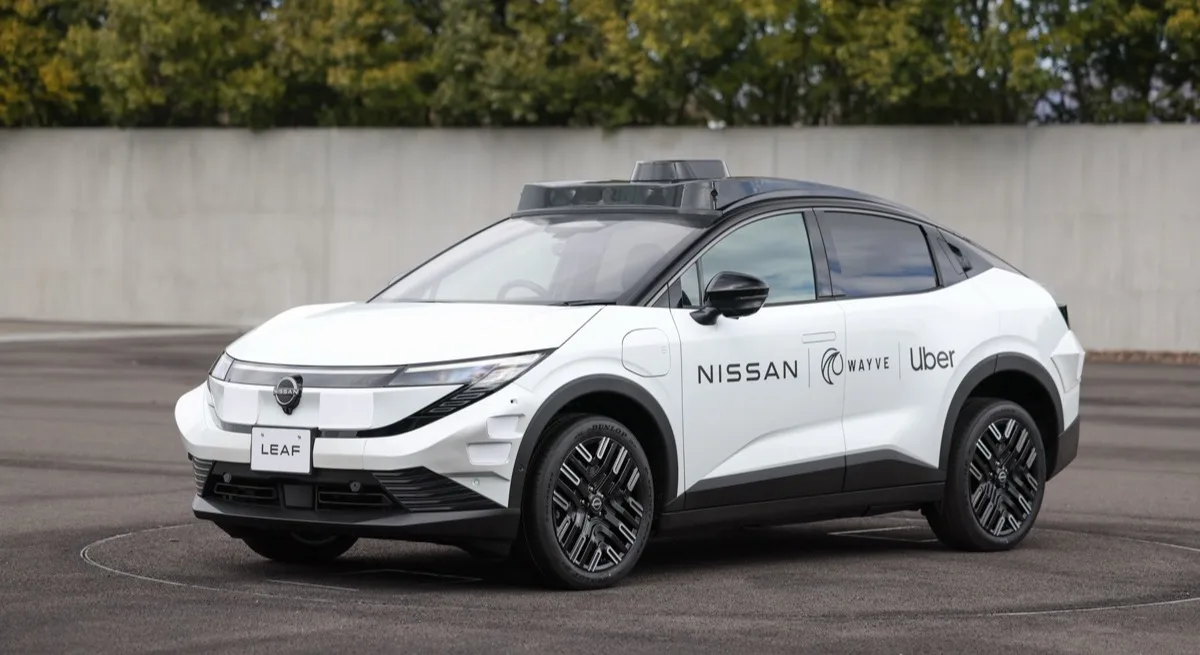
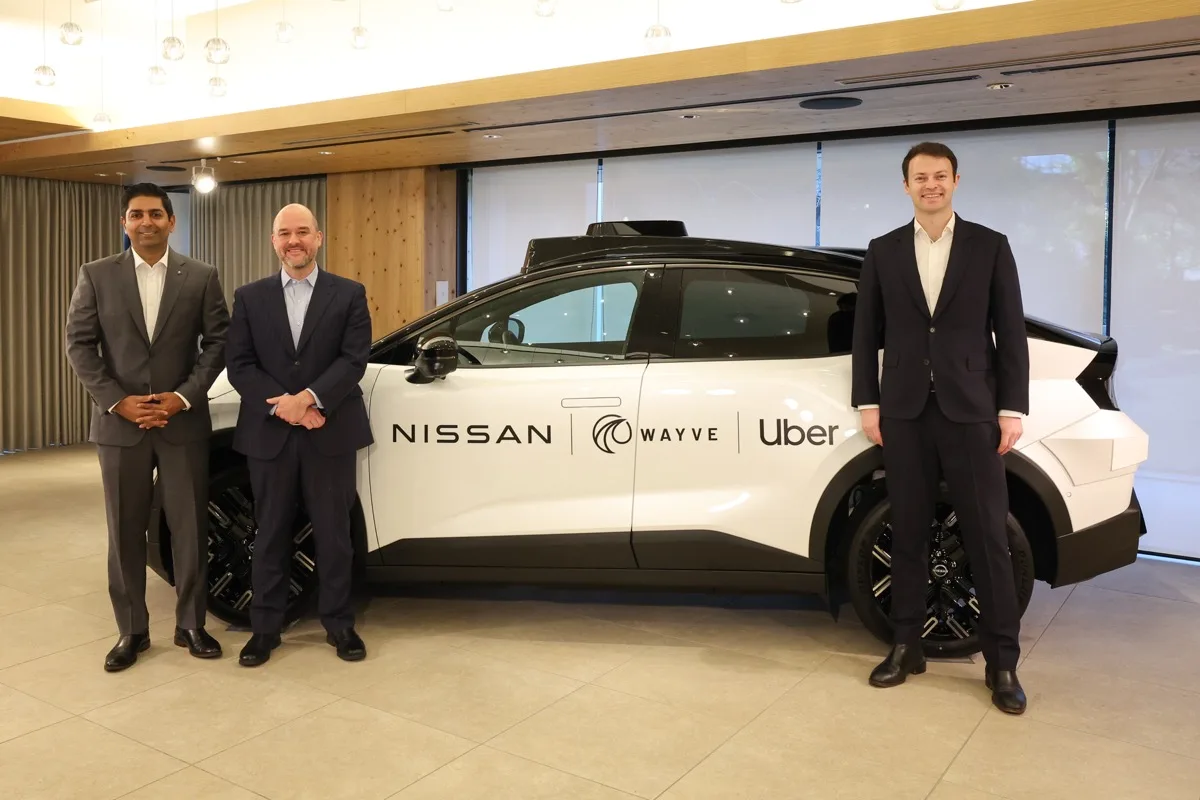
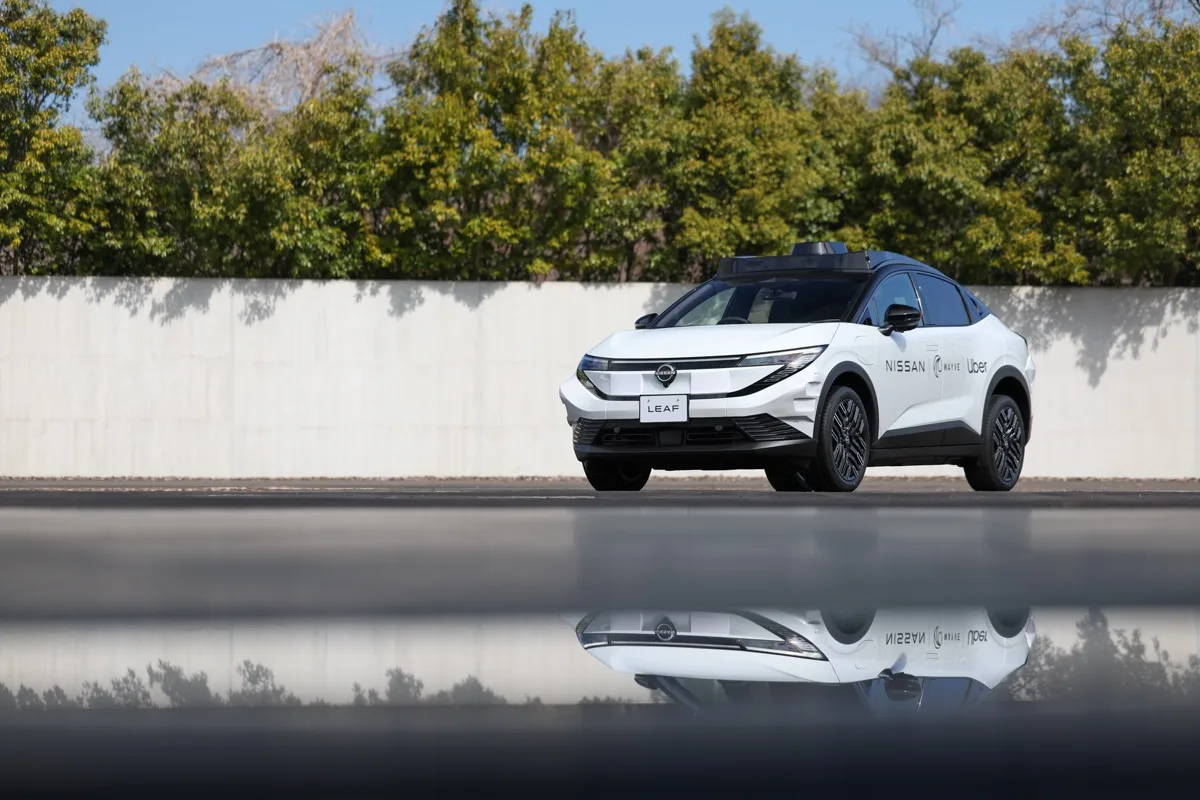
Well, the future just pulled up to the kerb and it’s wearing a Nissan badge. The Japanese automaker has teamed up with British AI outfit Wayve and ride-hailing giant Uber to put autonomous robotaxis on the streets of Tokyo, and they’re using the humble LEAF to do it.
The three-way collaboration, announced today via a memorandum of understanding, will see the Nissan LEAF fitted with Wayve’s end-to-end AI autonomous driving system and plugged into Uber’s ride-hailing network. A pilot deployment is planned for late 2026, with a trained safety operator behind the wheel during the initial phase. So no, the robots haven’t quite taken over just yet.
This marks Uber’s first autonomous vehicle partnership in Japan, and it’s the next step in a broader global rollout that Wayve and Uber have planned across more than ten cities, including London. Tokyo was chosen for its notoriously complex traffic patterns, dense urban layout, and the sort of high safety standards that would make most AI systems break out in a cold sweat. If the Wayve AI Driver can handle Tokyo, frankly, it can handle anywhere.
The clever bit is that Wayve’s system doesn’t rely on pre-mapped HD routes. It learns from real-world driving data and generalises across new roads and cities, which means scaling to new markets doesn’t require the painstaking digital cartography that has hobbled other autonomous ventures. Wayve has been testing in Japan since early 2025, building what it calls “extensive experience” in the country’s unique road environments.
For Nissan, this is rather significant. The company has been struggling to find its footing while the rest of the industry either pivots to EVs at breakneck speed or doubles down on hybrids. Partnering with a genuine AI autonomy player and the world’s largest ride-hailing platform gives the LEAF, a car that has been quietly plugging away for over a decade, a genuinely relevant second act. It also aligns neatly with Nissan’s stated vision to “bring mobility intelligence to everyday life,” which is the sort of corporate mission statement that usually means very little but in this case might actually amount to something.

Help Support Gay Car Boys Subscribe to our Youtube Channel
Above: This Week’s VIDEO Review –2026 Lexus LBX Paradox
#LexusLBX, #LBXSportLuxury, #ToyotaCHR, #LuxurySUV, #HybridCars, #GayCarBoys



ABOVE: RS 3 competition limited
Uber, meanwhile, continues to position itself as the platform layer for autonomous mobility rather than building its own self-driving tech. CEO Dara Khosrowshahi framed it as addressing Japan’s driver shortages and supporting “the future of urban transportation,” which is a polite way of saying the economics of paying human drivers are becoming increasingly difficult.
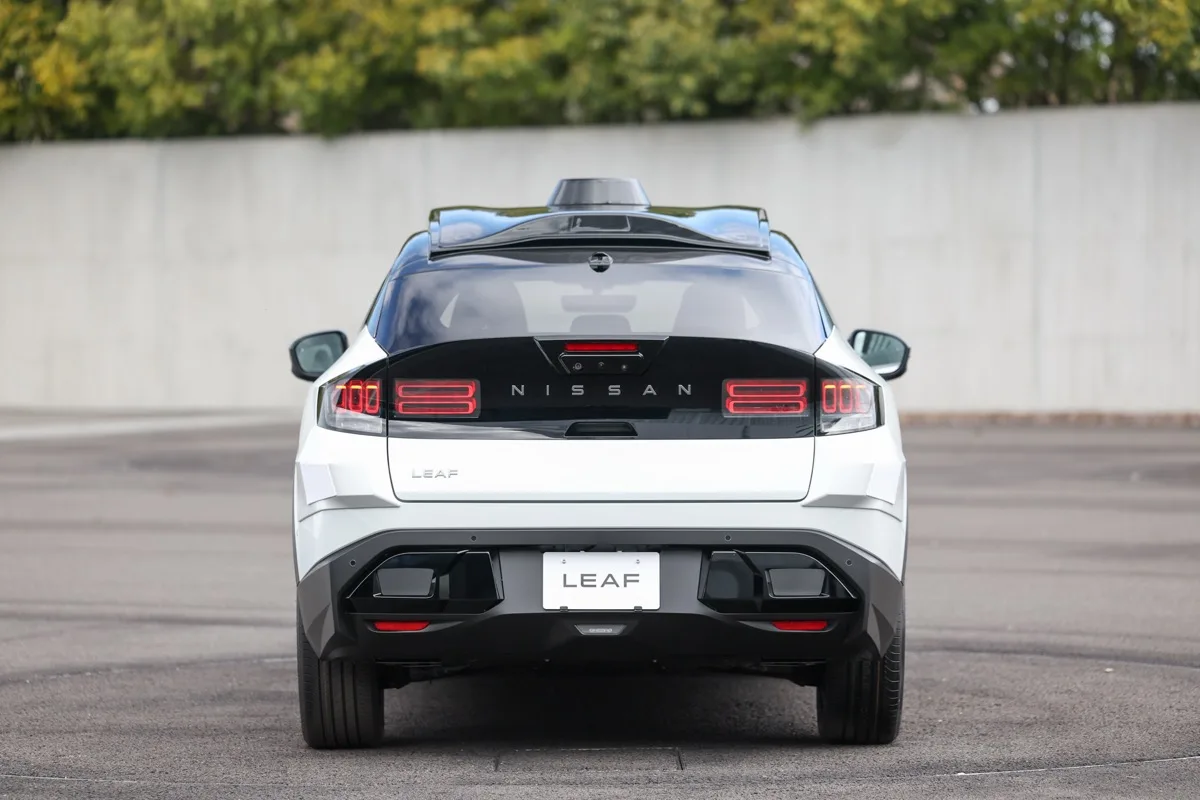
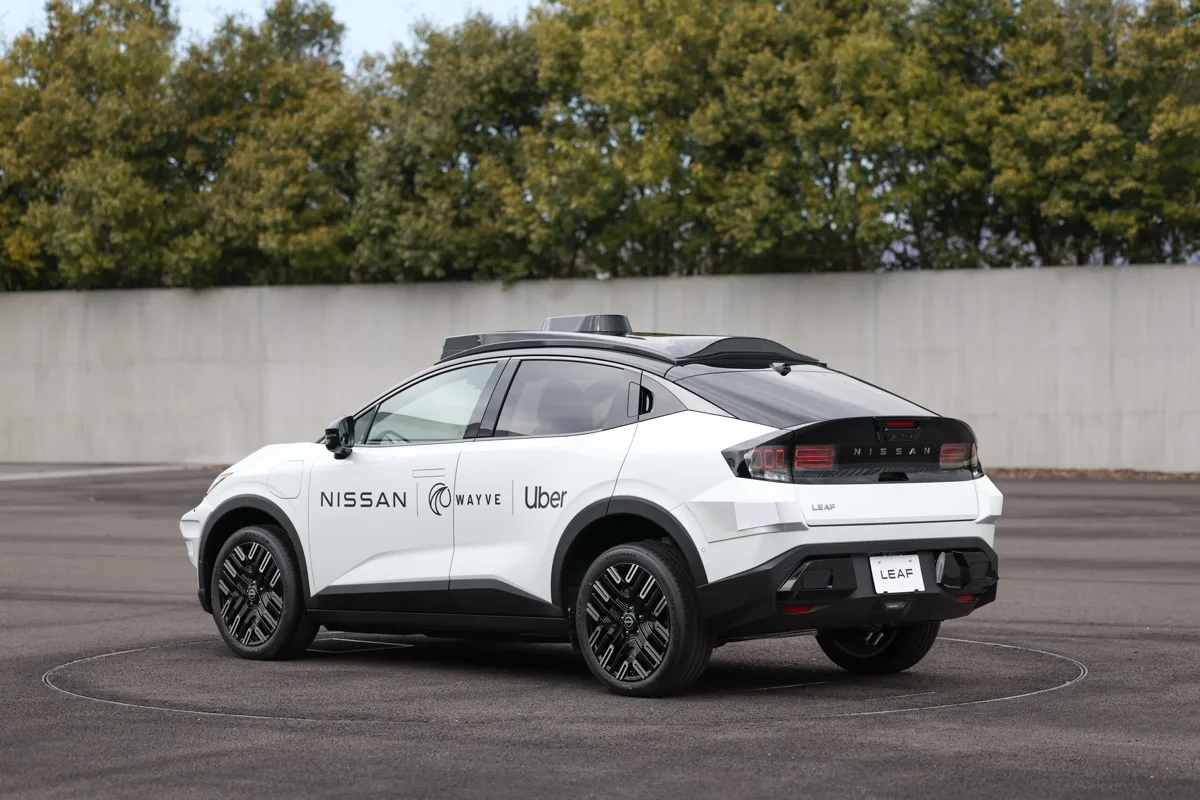
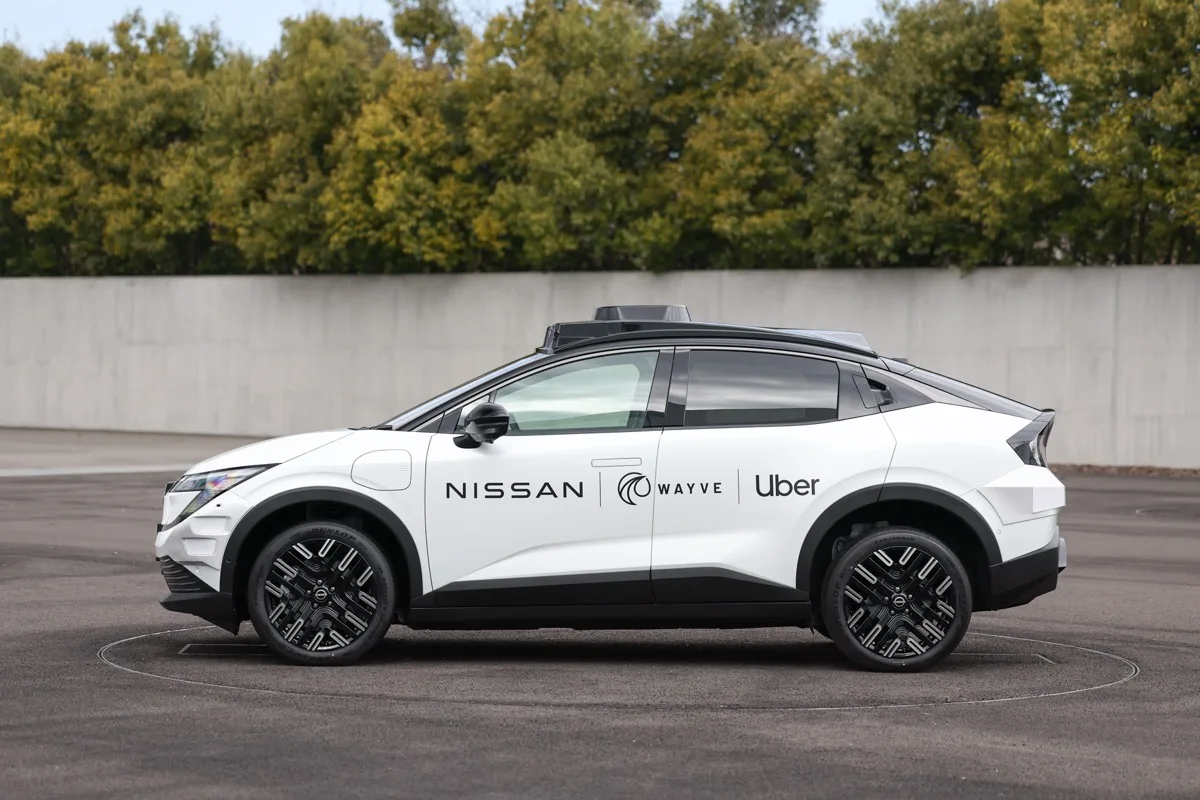
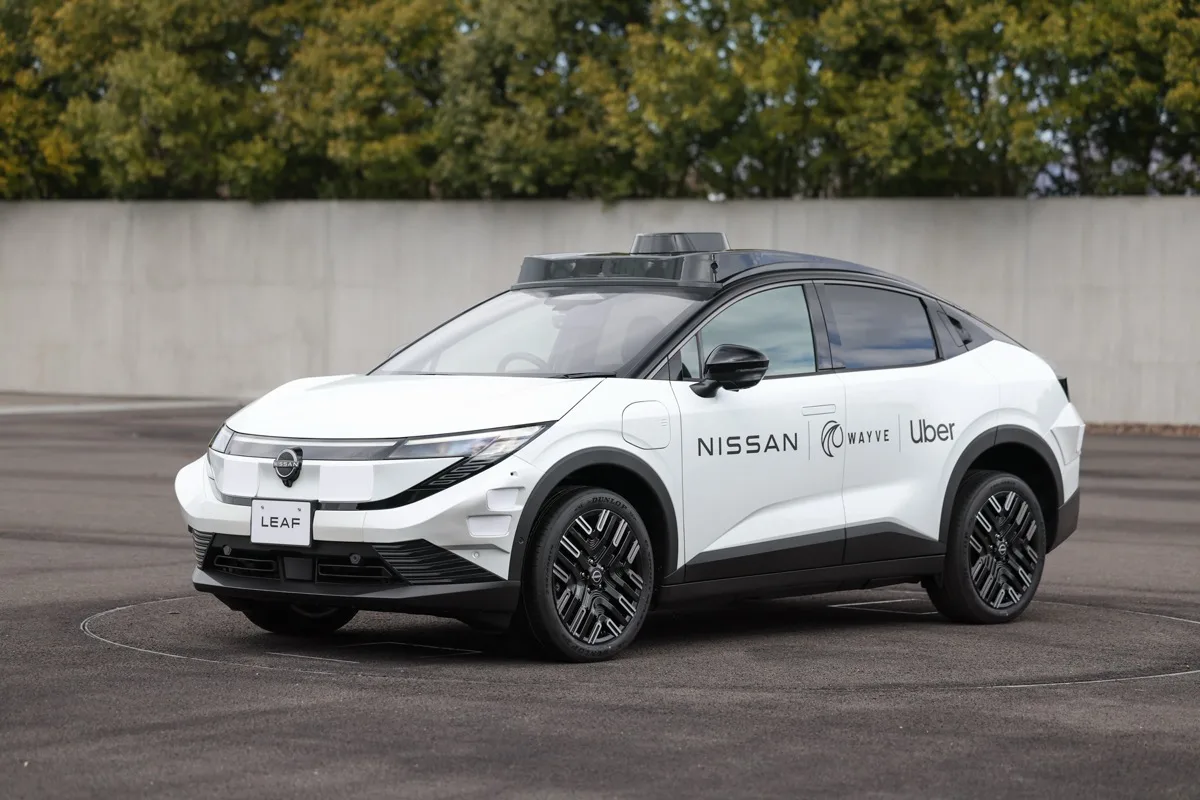
The robotaxi prototype itself is based on the current LEAF, fitted with a roof-mounted sensor pod containing the cameras and processing hardware that make the Wayve AI Driver tick. Branded with the triple logo of all three partners, it looks rather purposeful, if a little like a driving school car that got a tech upgrade.
Uber intends to launch the Tokyo service through a licensed local taxi partner, and all parties stress they’re working closely with Japanese authorities. Whether Tokyo commuters will trust a LEAF to navigate Shibuya Crossing without a human at the tiller remains to be seen, but the ambition is rather hard to fault.
More Nissan at GayCarBoys
- Getting Dirty in a Nissan X-Trail N-Trek
- Our Mini 2024 Nissan X-Trail Ti-L Roadtrip to Berrima
- 2024 Nissan Qashqai e-POWER Driven to Our Hepburn Spa Break
- Doug and Russell Want a Hybrid, What Do They Choose?
- 2023 Nissan Leaf + Review – Bi-Directional Quick Charging Facts
- 2023 Nissan Leaf + has Extra Power and New Tech
- A Nissan Pathfinder Takes 4 Gay Lads Glamping
- Nissan Navara SL Warrior Review Is It Worth the Money?
- Nissan’s X-Trail Gets Electric Power but Not as You Know it
- Top 10 Best Things About My Nissan Z – Cottaging
Help Support Gay Car Boys Subscribe to our Youtube Channel

Alan Zurvas is the founder and editor of Gay Car Boys, Australia's leading LGBTQI+ automotive publication. Before launching GCB in 2008, Alan's automotive writing was published in SameSame.com.au and the Star Observer. With over 16 years of hands-on car reviewing experience, Alan brings an honest, irreverent voice to every review — championing value and innovation over brand loyalty.
Leave a Reply