There are two types of car companies talking about sustainability. The first type produces glossy reports full of words like “journey” and “commitment” while quietly hoping nobody checks the footnotes. The second type actually publishes every single gram of CO2 baked into every single car it makes, then hands you the receipts. Polestar, rather refreshingly, is the second type.
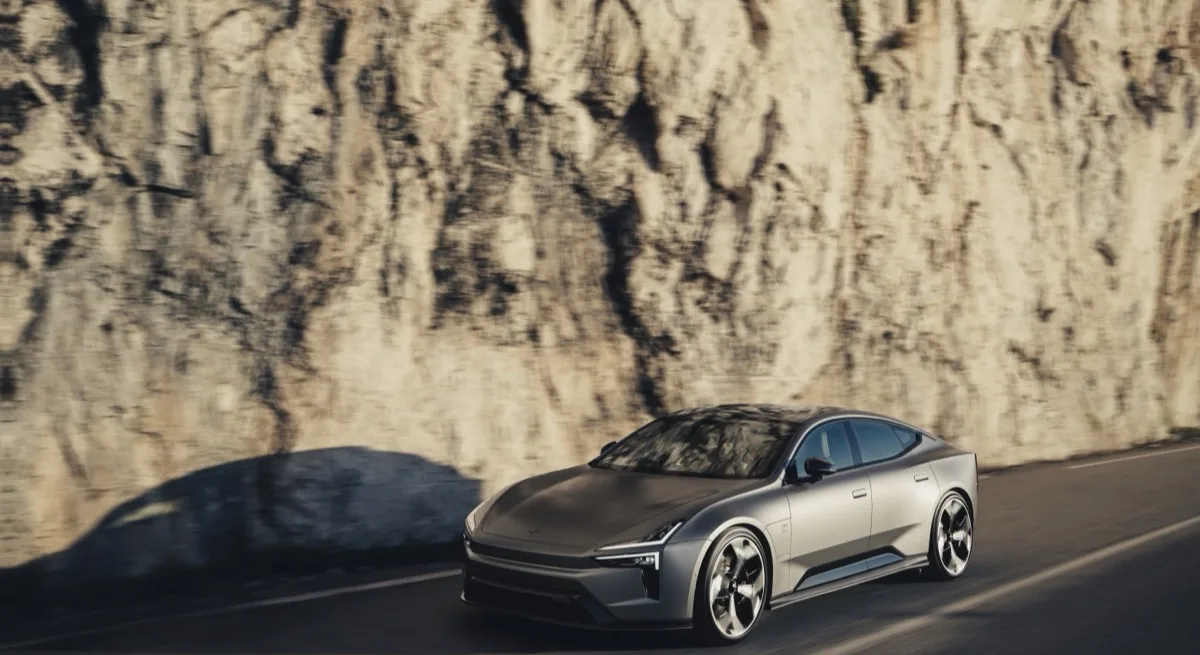
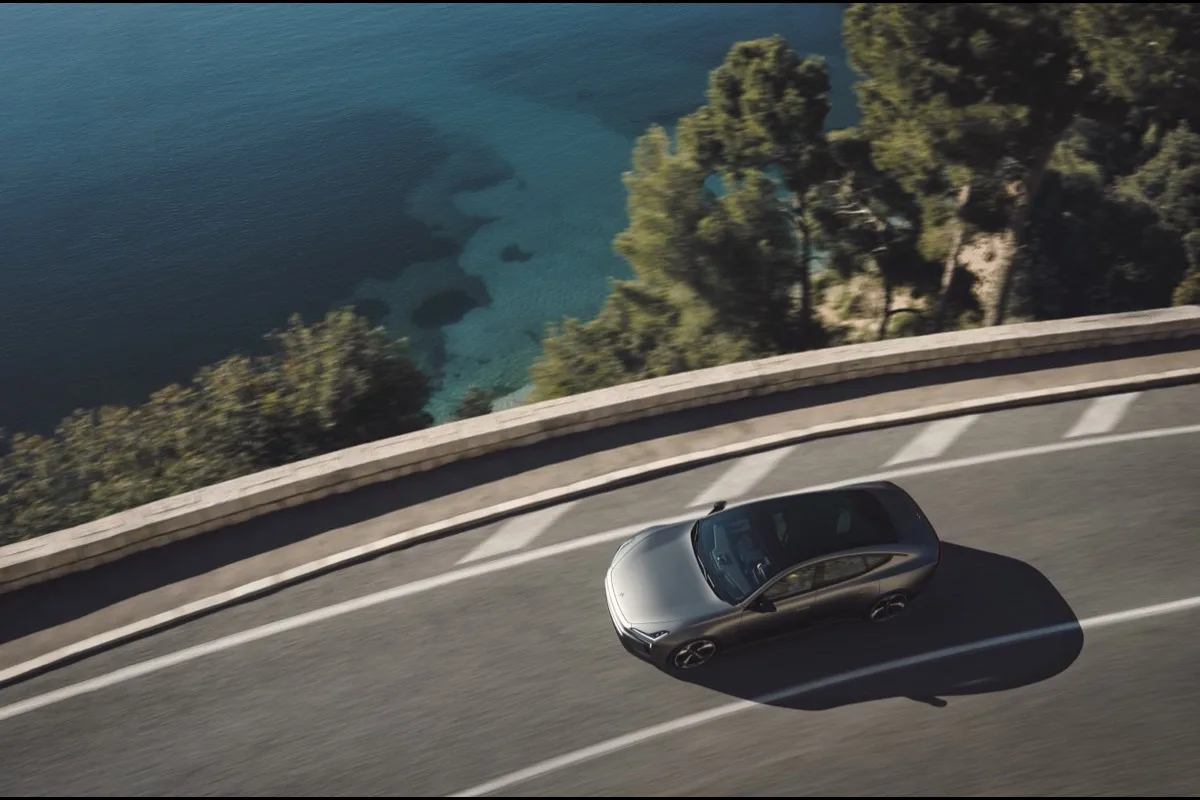
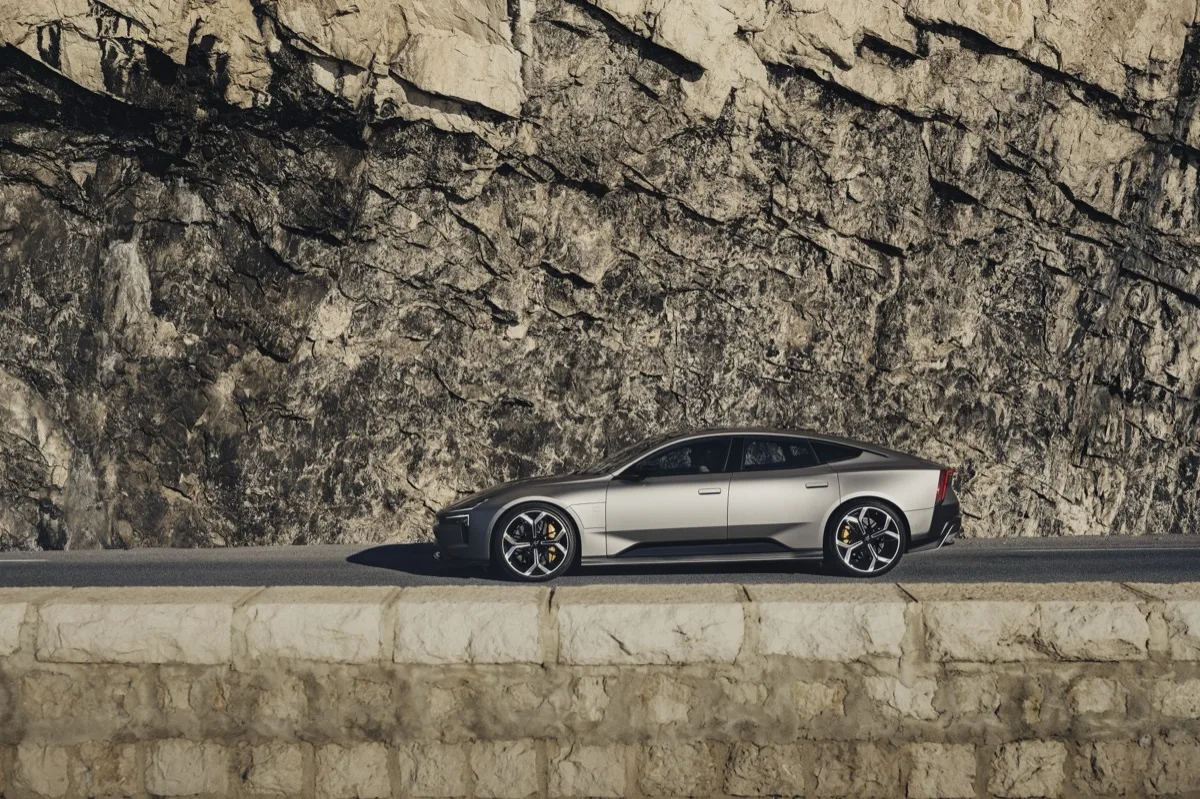
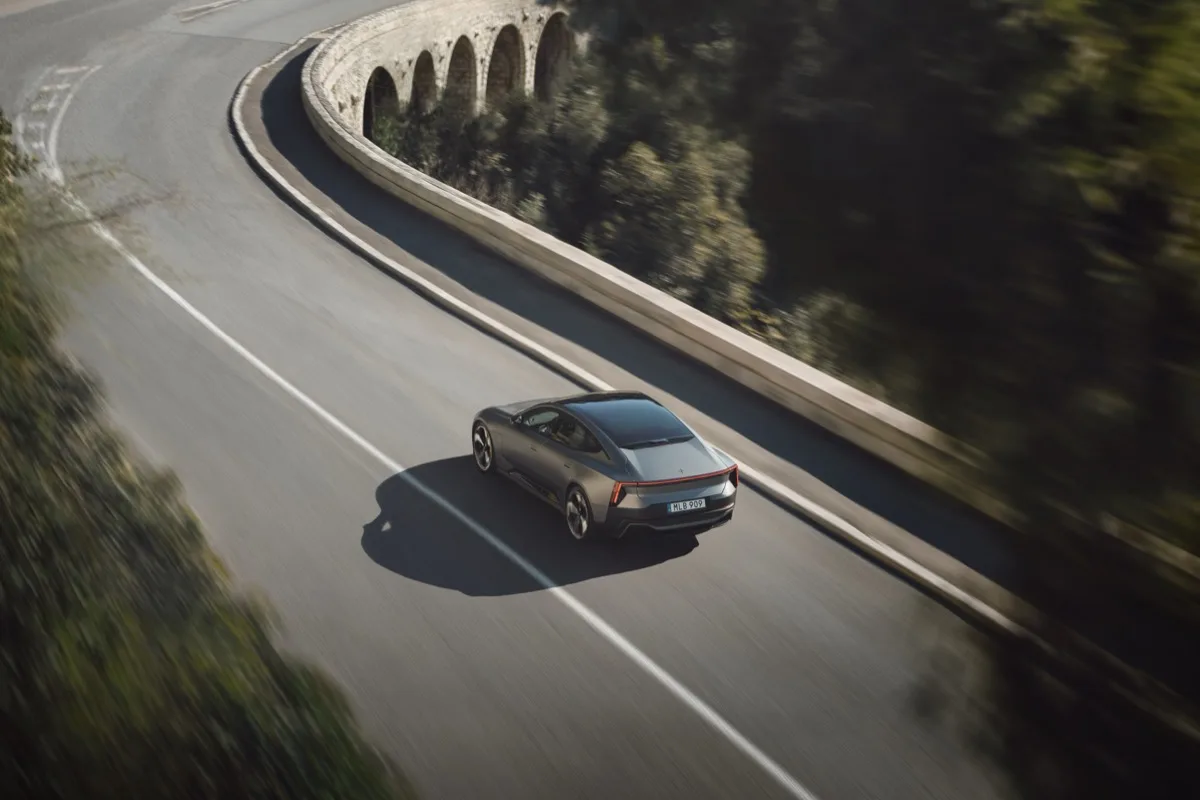
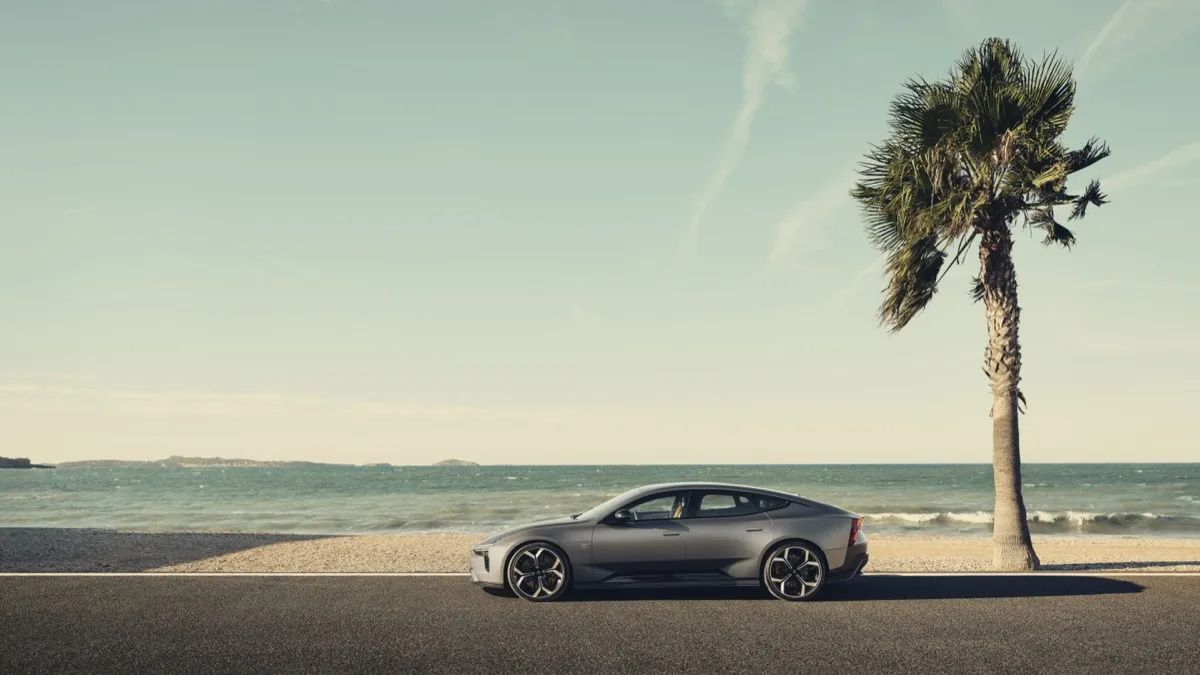
The Swedish electric GT brand has just dropped the full Life Cycle Assessment for its stunning Polestar 5, and the numbers are genuinely interesting. The cradle-to-gate carbon footprint sits at 23.8 tonnes of CO2 equivalent per car. That covers everything from dragging raw materials out of the earth to rolling the finished product off the line and delivering it to your door. Across its full life cycle, including 200,000 kilometres of driving and end-of-life treatment, the total footprint comes in at 28.5 tonnes using the European electricity mix.
Now, before you glaze over at the mention of tonnes and lifecycle assessments (I nearly did), here is the bit that matters. Polestar has avoided a staggering 14 tonnes of CO2 per car simply by changing where its aluminium comes from. A full 83 per cent of the aluminium in the Polestar 5 is smelted using renewable electricity, and 13 per cent of it is recycled. Aluminium is one of the filthiest materials in car manufacturing, and Polestar has essentially taken its biggest emission headache and halved it. That is not a press release platitude. That is actual engineering.
The interior tells a similarly thoughtful story. The floor carpets are made from Econyl, a material spun from discarded fishing nets (which is both admirably resourceful and vaguely nautical). The composite panels use Bcomp’s flax-based ampliTex, a bio-based alternative to carbon fibre that uses 50 per cent less fossil material and weighs up to 40 per cent less than conventional plastic. If you prefer your sustainability wrapped in cowhide, the Bridge of Weir Nappa leather is chrome-free and sourced as a by-product of the food industry.

Help Support Gay Car Boys Subscribe to our Youtube Channel
Above: This Week’s VIDEO Review –2026 Lexus LBX Paradox
#LexusLBX, #LBXSportLuxury, #ToyotaCHR, #LuxurySUV, #HybridCars, #GayCarBoys




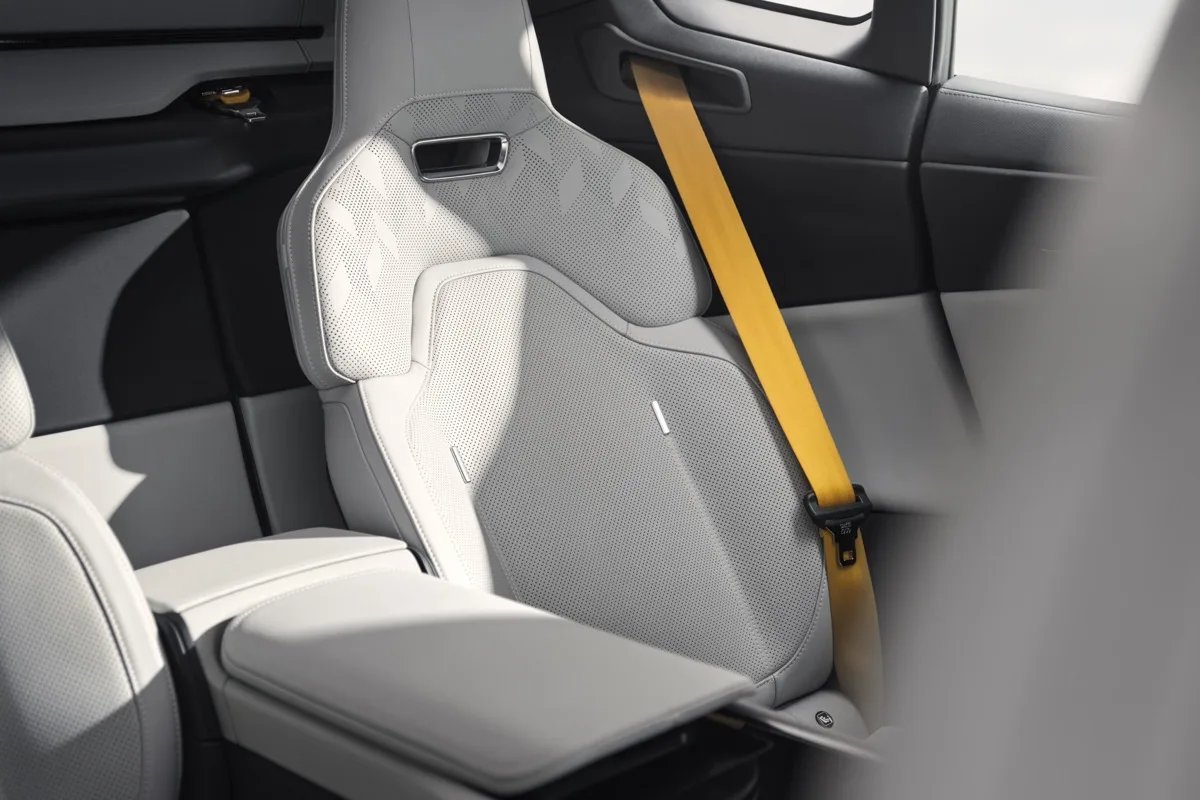
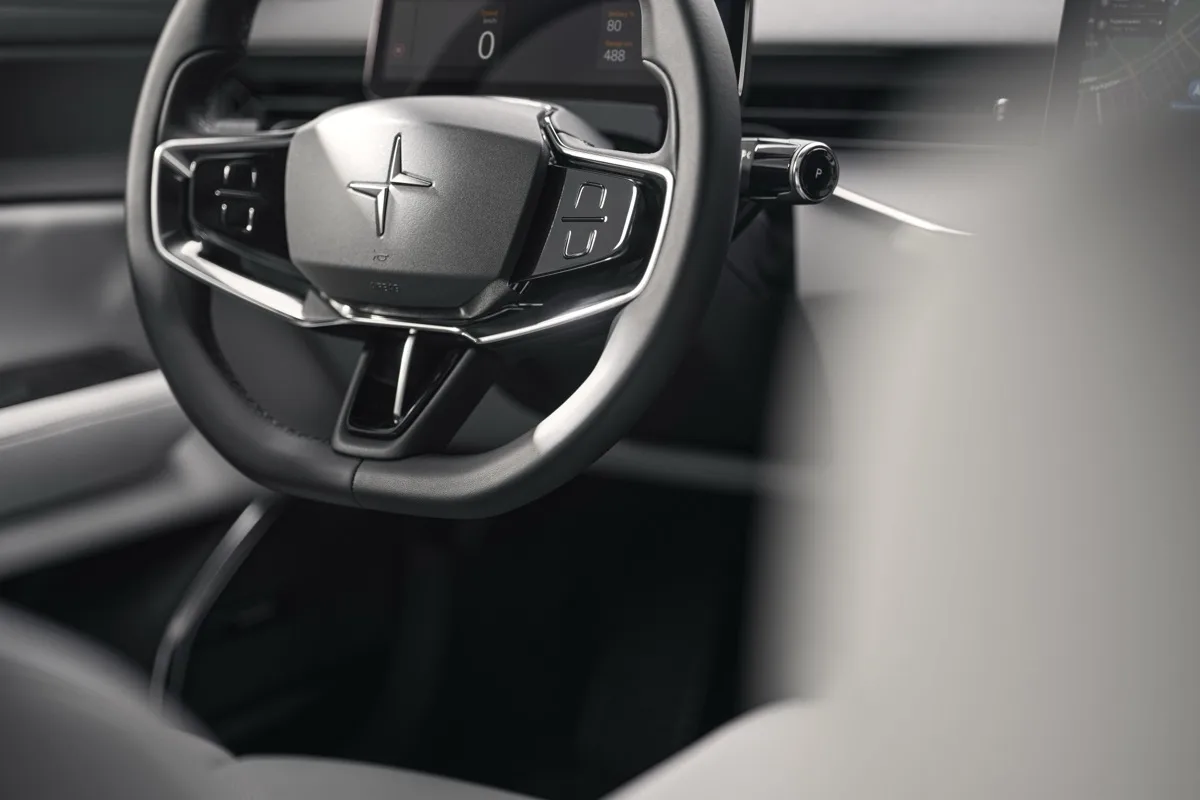
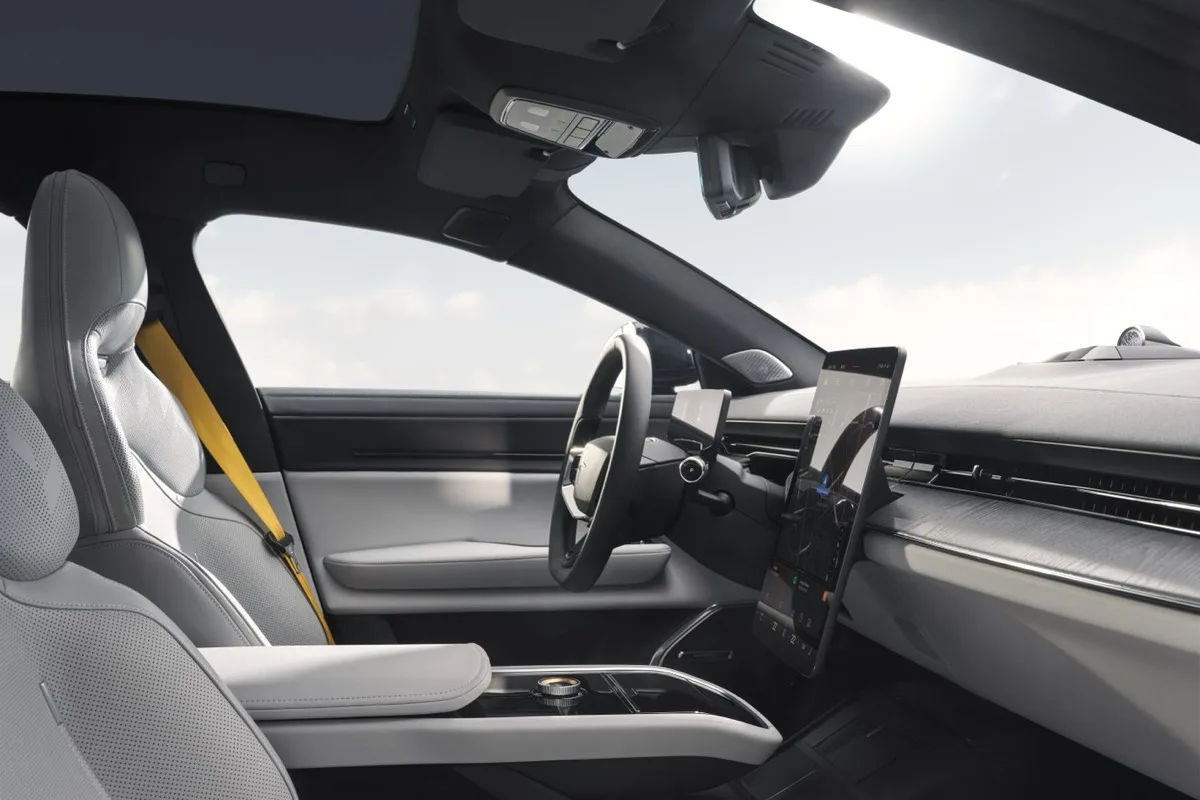
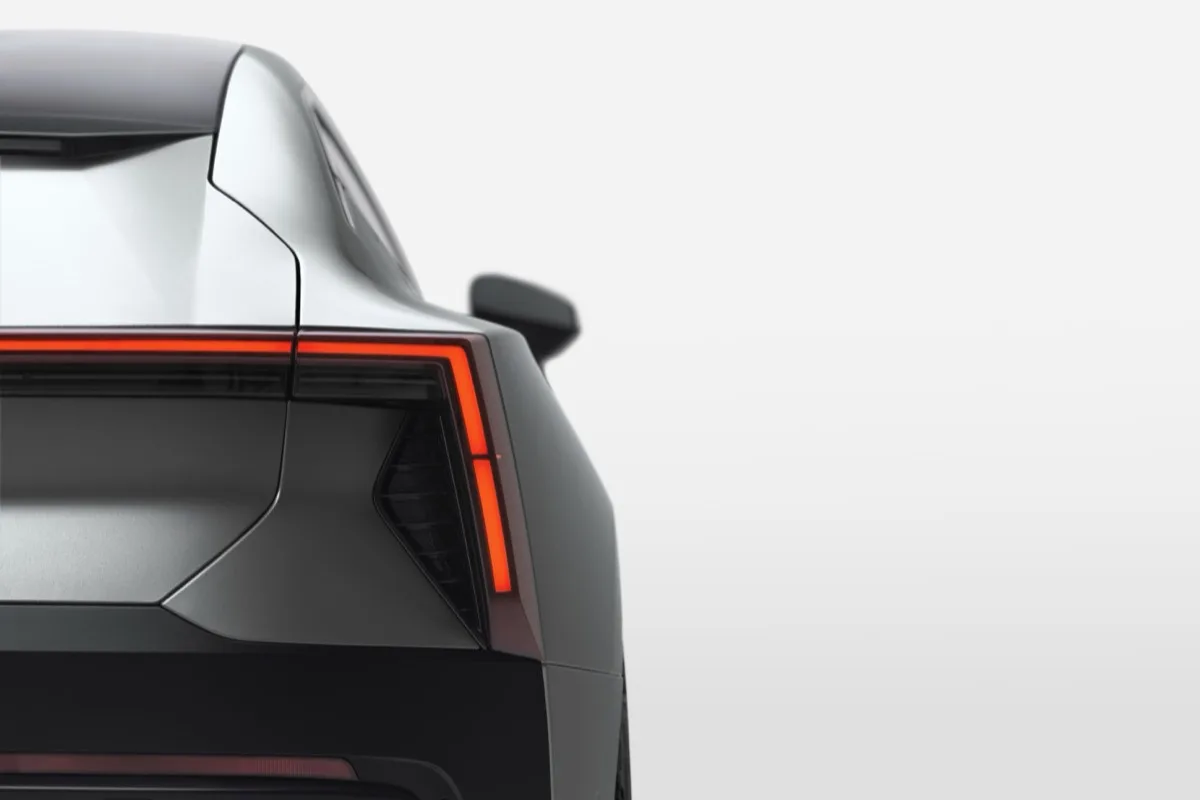

ABOVE: RS 3 competition limited
The front boot even gets a sustainability mention, using a mono-material PET construction that makes it easier to recycle at end of life. It is the first time a frunk has made me feel virtuous.
None of this would matter a tinker’s cuss if the car itself were a damp squib, but the Polestar 5 remains a properly thrilling machine. Up to 650 kW (that is 884 horsepower for the old school), 1,015 Nm of torque, a WLTP range of 678 kilometres, and 800-volt architecture that charges from 10 to 80 per cent in just 22 minutes. It is a four-door GT that could embarrass half the sports cars at a traffic light and then smugly inform them it offset their carbon footprint on the way past.
Polestar is now the only car manufacturer on the planet to have published full carbon footprints for every vehicle in its lineup. Every single one. In an industry where “sustainability” usually means a recycled brochure and a tree planted somewhere in Tasmania, that is worth paying attention to.
The timing is no accident. Polestar Australia has just appointed Kelly King as its new head of PR and communications, replacing Laurissa Mirabelli. King, previously global director of PR and partnerships at wellness group Bon Charge and founder of New Zealand’s Roar Media, arrives with a brief that goes well beyond press releases. Her role includes representing Polestar’s sustainability agenda to government and lobbying groups, essentially making the case for the broader renewable energy transition. Former automotive journalist Scott Collie stays on as product communications manager, which means the local team now has both a policy voice and a product voice. Clever.
The Polestar 5 is available to order now via polestar.com, for those whose conscience and right foot are equally demanding.
Other GayCarBoys EV Stories:
- The Trouble with Electric Car Charging-Polestar 2
- 2022 Polestar 2 Dual Motor Review
- Polestar 2’s Android Google Operating System Top 10 Tips
- Polestar 2 VS Tesla Model 3
- Polestar 2 Where Its Google OS is Star-Trek-Meets-Car-Trek
Help Support Gay Car Boys Subscribe to our Youtube Channel

Alan Zurvas is the founder and editor of Gay Car Boys, Australia's leading LGBTQI+ automotive publication. Before launching GCB in 2008, Alan's automotive writing was published in SameSame.com.au and the Star Observer. With over 16 years of hands-on car reviewing experience, Alan brings an honest, irreverent voice to every review — championing value and innovation over brand loyalty.
Leave a Reply