
One of the most commonly asked questions about used EV batteries is, what happens to them after the car is no more? Nissan has one answer.
Nissan, is now developing an entirely new way to combine the technologies used in both rail travel and EVs. For batteries in railroad crossing devices, East Japan Railway Company (JR East), one of Japan’s leading rail providers, is trialling repurposed Nissan LEAF EV batteries.
Railroad crossings are essential for train operation and road traffic safety. Rail companies install emergency power supply units at each crossing to ensure they operate properly at all times. This includes during scheduled maintenance work and temporary power outages. Currently, these emergency power supply units use lead-acid batteries. However, efforts to replace these with repurposed Nissan LEAF batteries began in January 2021 at the Atago railroad crossing on the Jōban Line, which runs through Minamisoma City in Fukushima Prefecture.
Above: This Week – 2021 ŠKODA Fabia runout model– plus a preview of the new model
Help Support Gay Car Boys Subscribe to our Youtube Channel
- Top GayCarBoys Stories:
- Sexy Men Drive 2021 Toyota Yaris Cross
- 10 Sexiest MotoGP Motorcycle Riders
- DON’T Drive YOUR CAR until you’ve Checked if your AIRBAG will KILL YOU
- 10 Hottest Racing Drivers
- Top 12 Best Gay Lesbian LGBTI Luxury Cars
- Top 10 Gay Lesbian LGBT Cars
- Top 10 Gay Lesbian LGBT Sports Cars
- Top 15 gay and lesbian LGBT SUVs
- Talented Twinks – Callum Ilott Virtually Races Arthur Leclerc
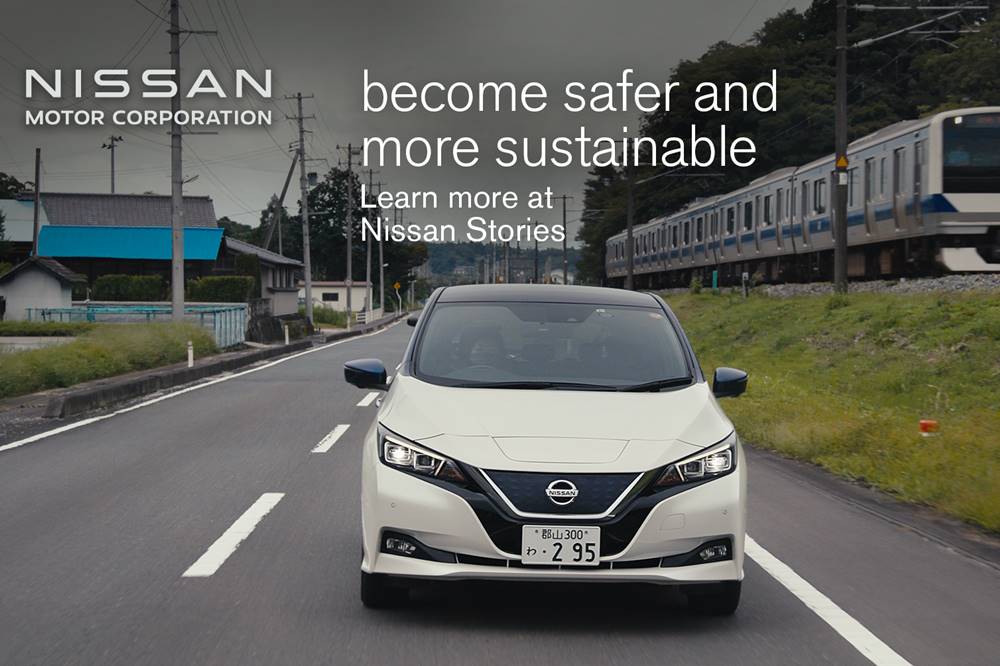
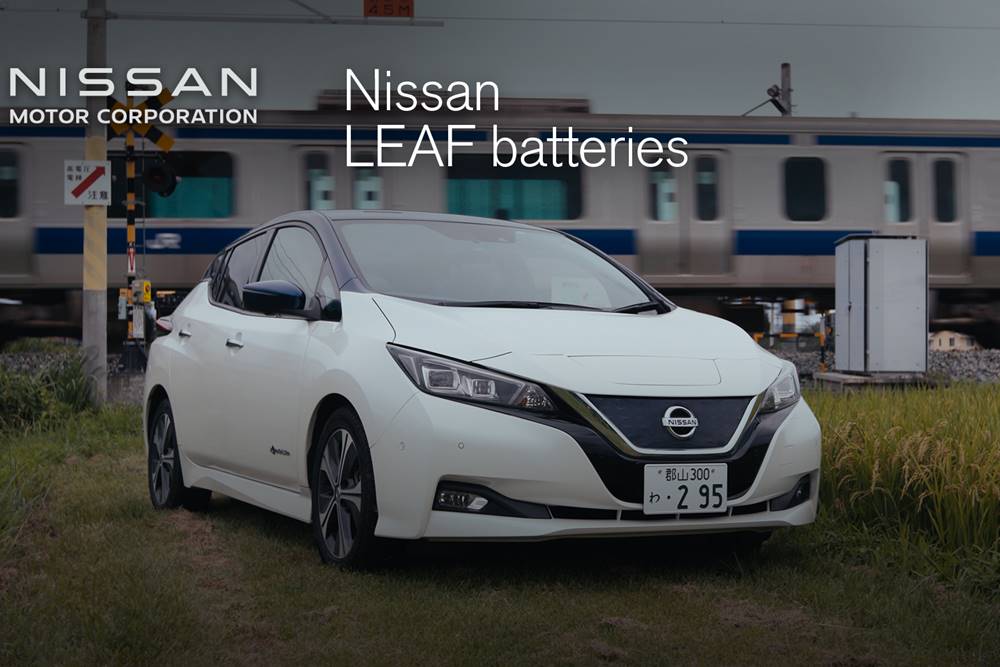
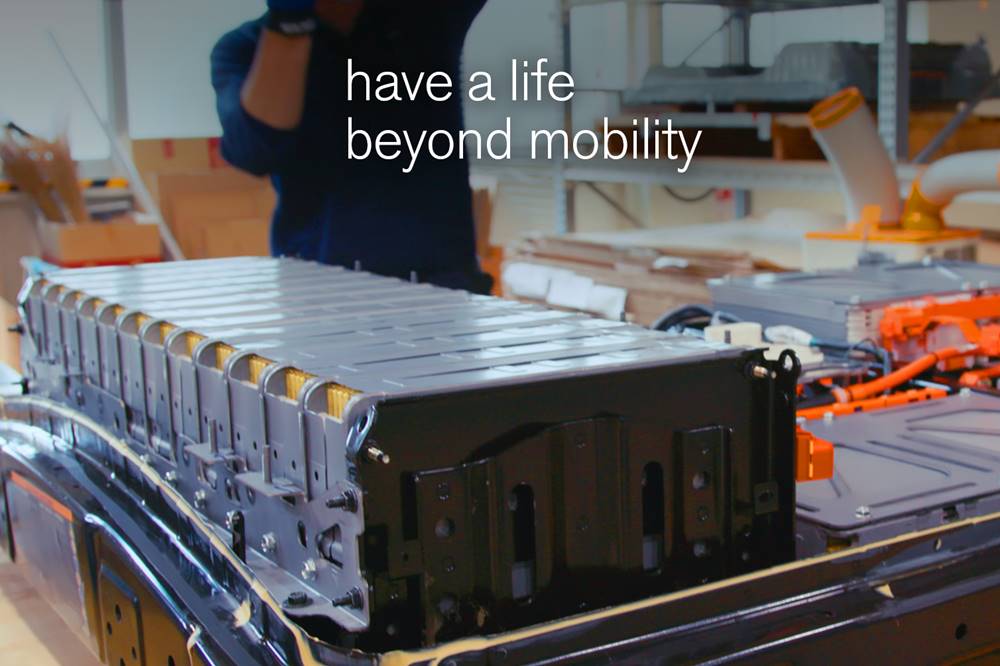

ABOVE: Using Nissan Leaf Batteries in Japanese Railroad Crossings
Repurposing EV batteries
A Nissan LEAF’s lithium-ion battery retains 60 to 80% of its electricity storage capacity at the end of its life cycle in a car. Therefore, by reusing used EV batteries, we can direct this remaining energy capacity elsewhere, such as into new replacement vehicle batteries or stationary batteries. Nissan’s partner, 4R Energy Corporation, is responsible for this effort. Repurposing vehicle batteries can reduce the CO2 emissions and rare resource usage associated with building a new battery from scratch. On top of that, it adds additional value to EV batteries, increasing the value of EVs in general, and leading to their wider adoption.
Benefits not limited to sustainability
For Kaito Tochihara, assistant chief researcher at the East Japan Railway R&D centre, when it comes to emergency power supply, switching from lead-acid to repurposed EV lithium-ion batteries not only promotes sustainability, but also leads to improved performance from the battery itself.
Compared to lead-acid batteries, the reused lithium-ion variety requires only 1/3 of the charging time. They are also far more durable, lasting on average 10 years, compared to 3-7 years for a standard battery. Tochihara is particularly interested in battery maintenance.
“With lead-acid batteries,” he said, “we have to periodically visit railroad crossings to check the state of charge and any deterioration. However, with repurposed lithium-ion batteries, there is a control system attached, similar to an EV, so we can remotely check the battery’s status. This should lead to improved maintenance standards. This system also enables preventative maintenance by informing us of the battery’s status before its voltage becomes too low.”
Discover more from Gay Car Boys
Subscribe to get the latest posts sent to your email.













Leave a Reply