Beijing does what Beijing always does at Auto China. It turns the volume up, polishes the future, and switches on every light ever created.
Nissan rolled in 2026 with two rather sexy NEV SUV concepts and a clear message dressed as strategy: China is no longer just a market. It is the workshop and proving ground, and increasingly the export hub where the next generation is being built at speed. Chinese brands are also the biggest threat to Japanese car makers, period. Although not alone in the move to create Chinese models or partnerships, it is doing it at light speed.
The naff version is two SUVs, one future direction which has to work if Nissan is to survive. The longer version starts to add a shift in gravity that extends into every and all markets.
there is a wider issue too, one where Nissan was shopping itself around desperate for partners with only months to live. Could it be that the Japanese carmaker survives nowhere outside of China? Could the Chinese push save Nissan in other markets? This is either incredibly exciting or a risky roll of the dice, or both.
Above: 2026 Polestar 2 DM Performance The Forgotten Polestar is Fabulous
#Polestar2 #EV #BowersWilkins #ElectricCars #SwedishDesign

Help Support Gay Car Boys Subscribe to our Youtube Channel by SMASHING THE BUTTON ABOVE


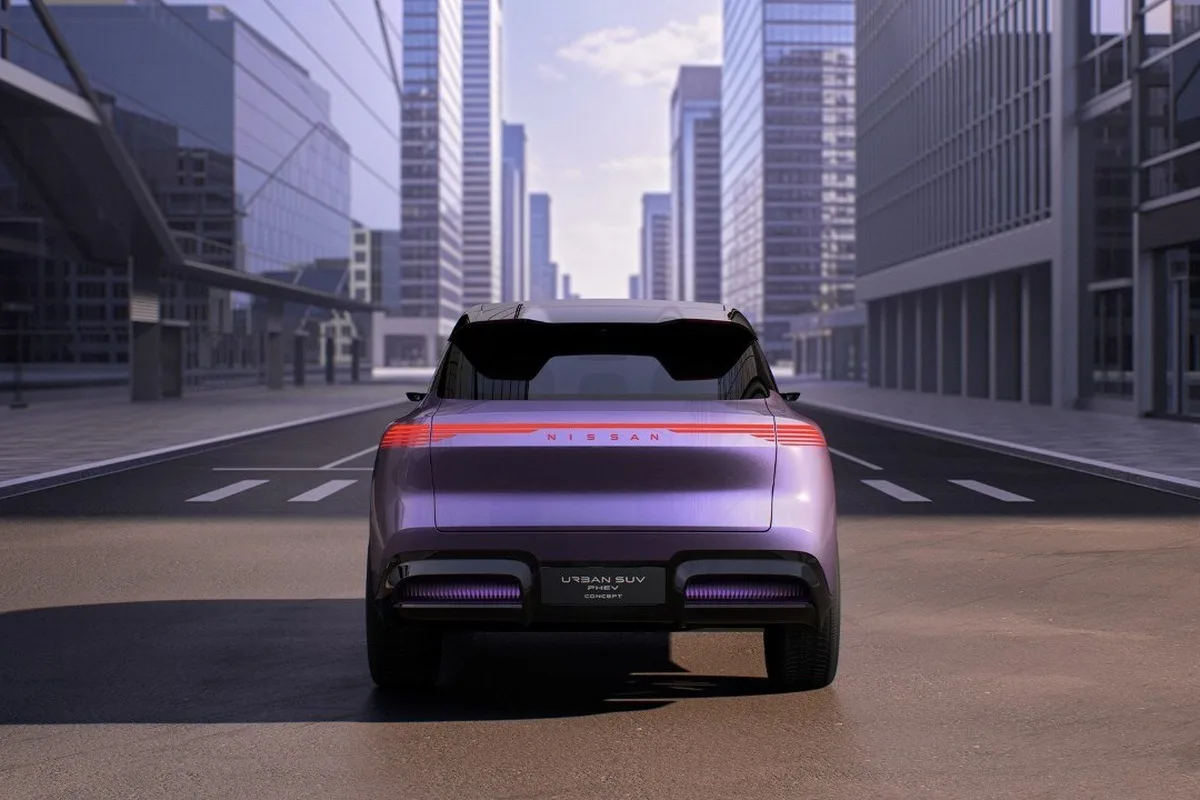
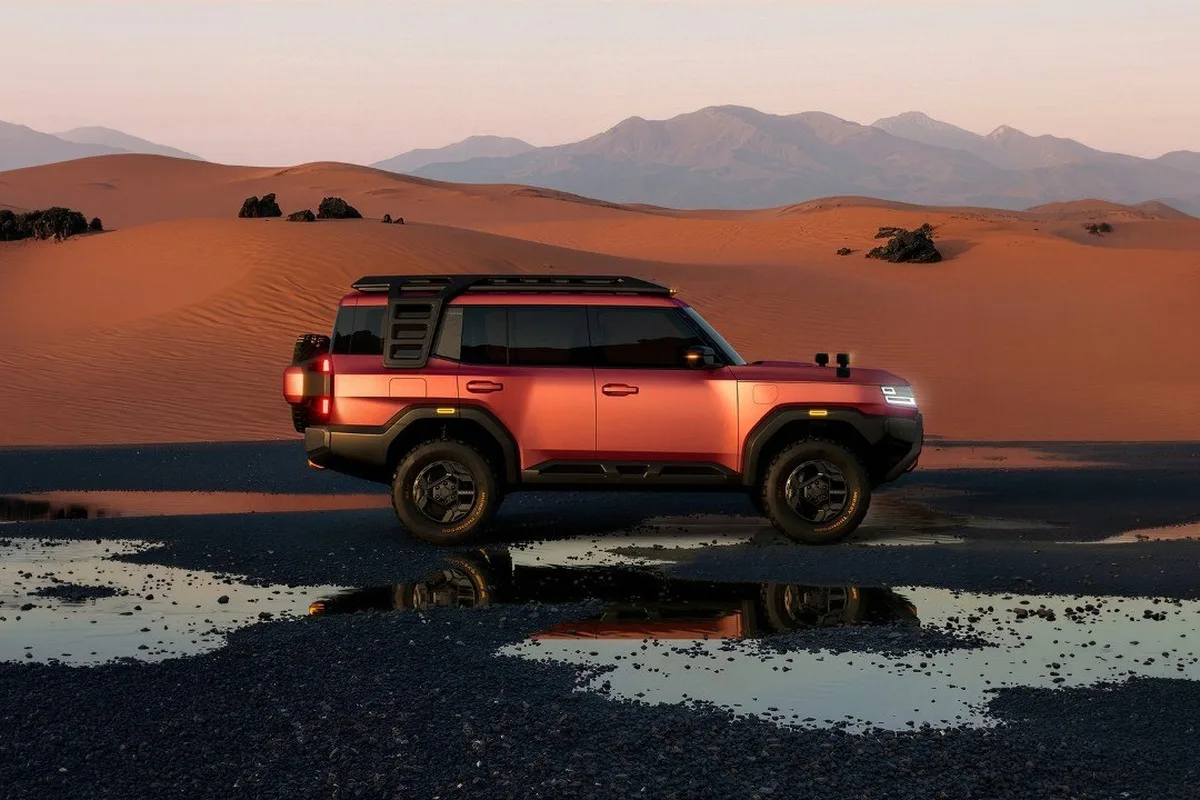
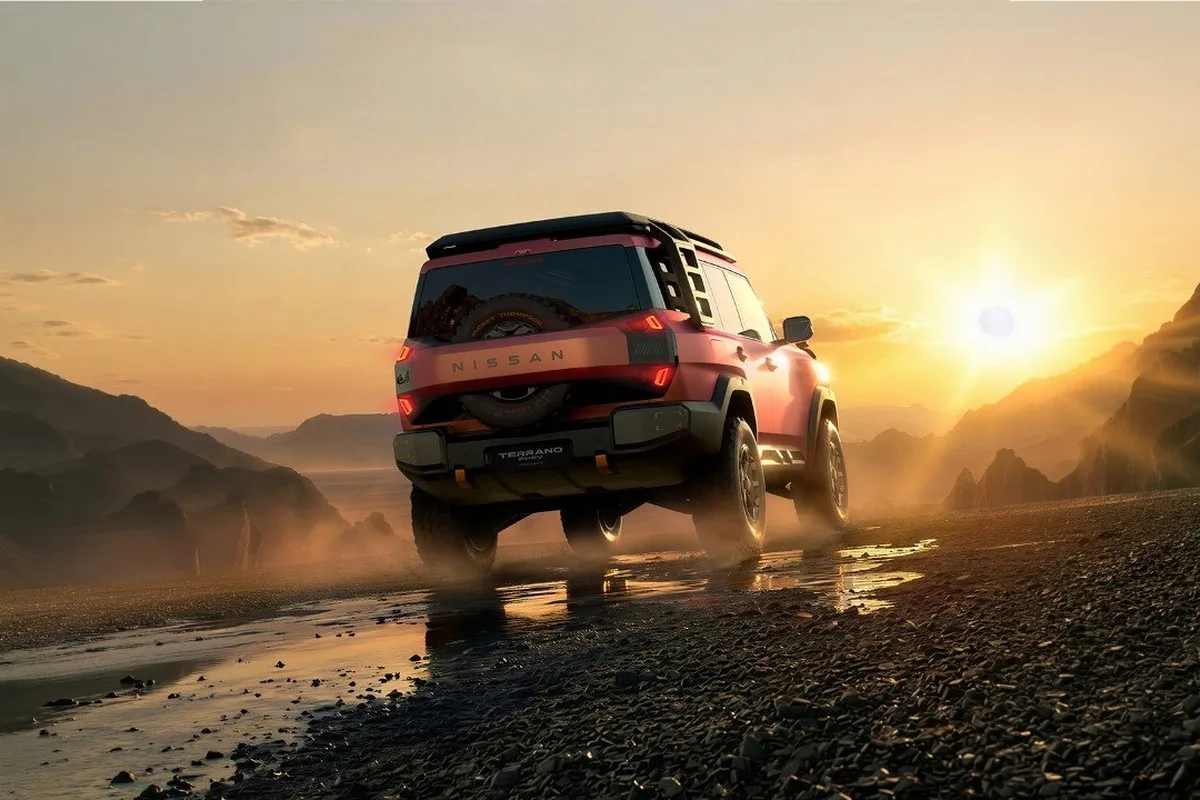

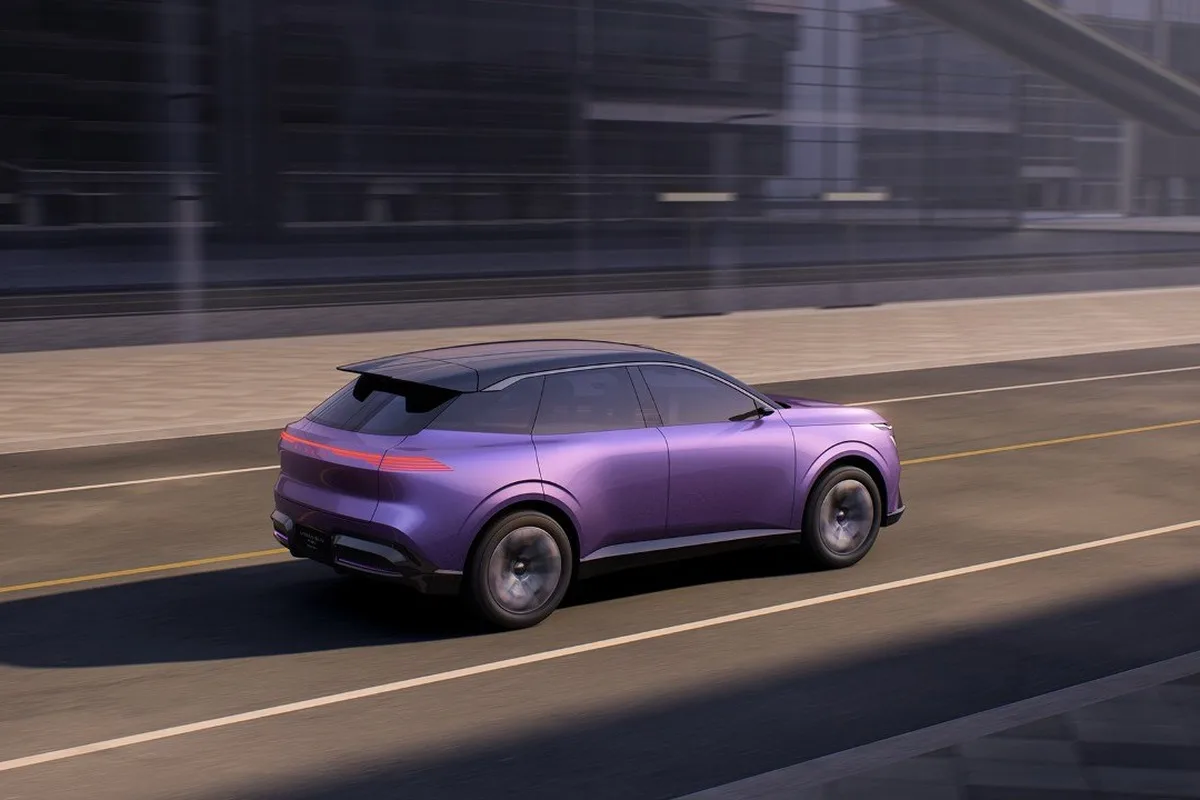
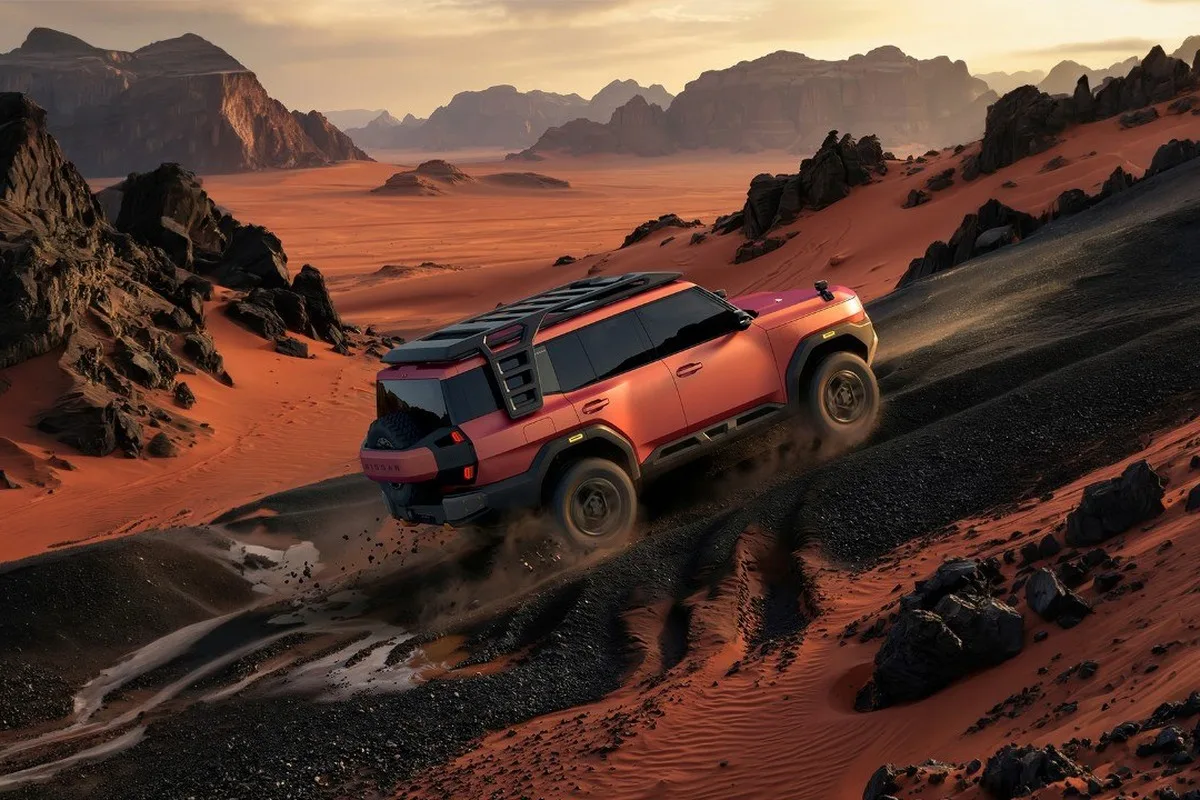
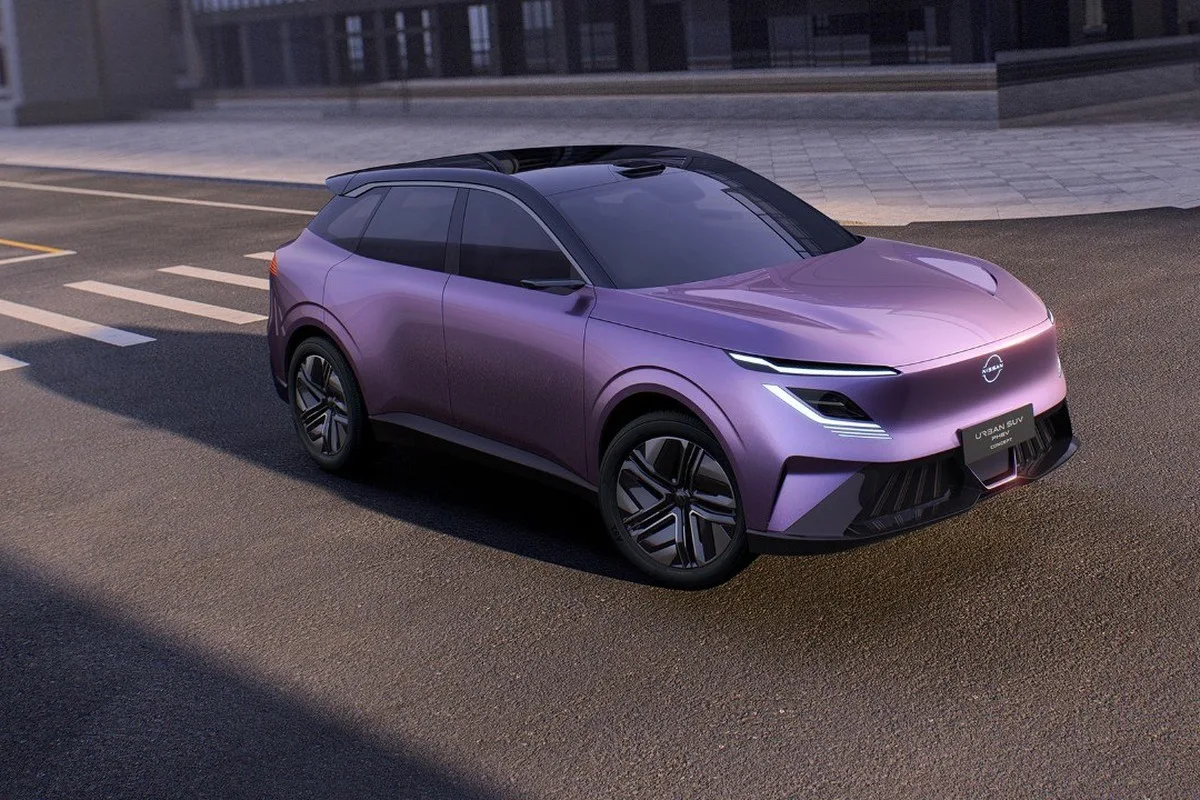
ABOVE: Nissan’s new Urban SUV and Terrano PHEV concepts at Auto China 2026.
Two concepts but one direction
Nissan’s reveal hovered like a spectre above two plug-in hybrid SUV concepts created under its accelerating NEV push in China. One is chic modern, urban, and deliberately forward-facing with a few other chintzy superlatives thrown in for effect. The other reaches backwards, grabs a comfortingly familiar badge, and spins it into a very different technological era.
Both are scheduled for production within a year which in automotive terms is warp 9.9.
Nissan is not just teasing, it is compressing concept cycles, shortening development loops, and treating China as the fastest way to test whether the shiny new thing works in the real world. Alongside these two SUVs, Nissan already confirmed more NEV models for China by fiscal 2027. The message is not a one-off reveal, it is a pipeline that might be a signal to the wider world.
Urban SUV PHEV Concept with city logic, electric thinking
The Urban SUV PHEV Concept is aimed at hip, young Chinese buyers, which is automotive code for: digitally fluent, time poor, and allergic to anything that feels like unnecessary friction. Unlike Australia and other markets, China has already made the philosophical leap into EVs and PHEVs. They didn’t have Murdoch media to dampen interest and spread pro-oil chutzpah. Plug-in now matters where hybrid alone doesn’t cut it. What a change from only a few years ago.
This is a compact SUV designed around plug-in hybrid efficiency and urban usability. It draws from Nissan’s future SUV design thinking and its NX8 direction, though what matters more than the philosophy is the execution.
It is built for packed cities that move fast and expect vehicles to keep up without demanding attention. Amongst all that cheap spin is clean, clear packaging. The electrified efficiency, and products that behave more like tools than toys, are what buyers demand, especially where it is supported by media instead of being defiled like an unlucky Christmas turkey.
There is no attempt to be rugged for the sake of nostalgia. Buyers the world over have moved past that trope. An SUV is now a high-riding hatchback that leans into the idea that modern urban driving is its own kind of off-roading. Tight spaces, constant stops, unpredictable movement, and the occasional existential moment in basement car parks are their own kind of fun, if you have the right attitude.
If older SUVs were about escaping the city, this one is about surviving it without feeling like you’ve been slapped about the face with a limp kipper.
Terrano PHEV Concept: heritage, rewritten
Then comes the Terrano PHEV Concept, the pretty one with emotional baggage, and is probably better for it.
The Terrano name carries history that traditionally it meant durability, off-road intent, and a willingness to go places where road signs stop. The brochures might say picnic and campsite, but your head says mountain pass and ski lift.
Now it returns as a plug-in hybrid SUV, carrying that legacy into a world where emissions targets and daily commuting realities sit in the same sentence as adventure. PHEVs were a dying breed until users started plugging them in as intended.
Nissan is not pretending this is a pure resurrection, it’s more selective than that. The name is retained, the spirit is referenced, but the architecture is new enough to belong firmly in the electrified present. It joins a big range of Chinese PHEV competition.
It is designed to straddle two lives, as many of us do. Quiet weekday commuting without emissions and guilt, and a weekend escape that may even involve powering a campsite.
The idea is not to choose between urban and outdoor use, it is to reframe the question entirely.
China as export engine, not just market
The deeper story sits underneath the metal.
Nissan’s updated vision, “Mobility Intelligence for Everyday Life”, sounds like something written after a boozy meeting. But the intent behind it is clearer than the phrasing. China is now positioned as two things at once. It is a highly competitive domestic market where value, speed, and technology expectations are unforgiving, and a global innovation and export hub where vehicles are developed quickly and then pushed outward into other regions. We only have to look at the rapid change in the Australian market to feel the winds of change.
That second role is the real shift. Nissan is already running this model. Since 2025, vehicles like the N7, Frontier Pro PHEV, N6, and NX8 have formed part of a China-led NEV expansion. So, these are not isolated products, they are part of a system designed to compress development time and expand global reach.
The N7 is heading to Latin America and ASEAN markets. The Frontier Pro PHEV follows the same path, along with the Middle East. The NX8 and production versions of the Terrano PHEV Concept are also earmarked for selected global regions.
This is not just localisation. It is inversion. China is no longer adapting global cars. It is now creating them. Nissan’s target sits at one million annual sales in China by fiscal 2030, with exports forming a central part of that ambition. That is not a forecast, it is a dependency for a company that is otherwise in deep strife.
Speed, pressure, and the new automotive normal
What Nissan showed in Beijing is not just two SUVs. It is a compressed timeline of how the company now intends to operate, but will it be enough to save the troubled carmaker? Concept to production in a year, with multiple NEV launches stacked across a short cycle. A design and engineering system tuned for speed rather than gradual evolution is something we’ve seen in Chinese carmakers, but legacy brands, not so much.
Ivan Espinosa, Nissan’s President and CEO, framed China as more than a competitive environment. It is an innovation source where technology is not just developed but immediately tested against real customer expectations. it changes the direction of influence and adds both urgency and a reality that if not realised, could be a grim one..
Traditionally, automotive ideas flowed outward from legacy hubs. Now they loop back faster, shaped by markets that move quicker and demand more immediate relevance. The result is a portfolio that is less about outdated and isolated models, and more about shared architecture, faster iteration, and regional intelligence feeding global output.
Whether that produces long-term character or short-term efficiency is still an open question, but the direction is already set. Nissan did not arrive in Beijing to show two cars, it arrived to show a system that is no longer waiting for permission to move faster.
The SUV concepts are just the visible part. The real product is the speed within them.
More Nissan at GayCarBoys
- Getting Dirty in a Nissan X-Trail N-Trek
- Our Mini 2024 Nissan X-Trail Ti-L Roadtrip to Berrima
- 2024 Nissan Qashqai e-POWER Driven to Our Hepburn Spa Break
- Doug and Russell Want a Hybrid, What Do They Choose?
- 2023 Nissan Leaf + Review – Bi-Directional Quick Charging Facts
- 2023 Nissan Leaf + has Extra Power and New Tech
- A Nissan Pathfinder Takes 4 Gay Lads Glamping
- Nissan Navara SL Warrior Review Is It Worth the Money?
- Nissan’s X-Trail Gets Electric Power but Not as You Know it
- Top 10 Best Things About My Nissan Z – Cottaging
Help Support Gay Car Boys Subscribe to our Youtube Channel

Alan Zurvas is the founder and editor of Gay Car Boys, Australia's leading LGBTQI+ automotive publication. Before launching GCB in 2008, Alan's automotive writing was published in SameSame.com.au and the Star Observer. With over 16 years of hands-on car reviewing experience, Alan brings an honest, irreverent voice to every review — championing value and innovation over brand loyalty.
Leave a Reply