
British electrified propulsion specialist, Drive System Design (DSD), has been announced as a key partner in the two-year Aerospace Technology Institute (ATI) and Innovate UK project known as InCEPTion. The consultancy will develop the electric motor and power electronics for a uniquely packaged and highly integrated propulsion module suitable for a range of aircraft.
Other GayCarBoys EV Stories:
- We drive 2019 Jaguar I-Pace SE EV400 Electric car
- 2019 Jaguar I-Pace SE EV400 Driven and rated in GALSTON GORGE Australia Video Review
- Nissan LEAF 2019: All New EV Powers Your Home VIDEO REVIEW
- Hyundai’s 2019 Electric Ioniq: The cheapest EV In Australia?
- New Nissan Leaf Could Power Your Home for a Week
- Tesla Model 3 Colors and Price
- Tesla Model 3 Full Review Inside, outisde, and Roadtest
- Mini Cooper SE electric
- Karma Starts E-Flex Prototype Testing
- Is Karma Automotive’s New E-Flex Platform a Game Changer
The project, known as InCEPTion (Integrated Flight Control, Energy Storage and Propulsion Technologies for Electric Aviation), is led by Blue Bear Systems Research and will be delivered by a consortium of organisations with highly specialised skills and infrastructure for design and test. The project will develop a modular electric propulsion unit for manned and unmanned aerial vehicles, vertical take-off and landing (VTOL) and conventional take-off and landing (CTOL) aircraft for up to 30 passengers.
Above: This Week’s VIDEO Car Review -2021 Jeep Compass Night Eagle

Help Support Gay Car Boys Subscribe to our Youtube Channel
- Top GayCarBoys Stories:
- Sexy Men Drive 2021 Toyota Yaris Cross
- 10 Sexiest MotoGP Motorcycle Riders
- DON’T Drive YOUR CAR until you’ve Checked if your AIRBAG will KILL YOU
- 10 Hottest Racing Drivers
- Top 10 Gay Lesbian LGBT Cars
- Top 10 Gay Lesbian LGBT Sports Cars
- Top 15 gay and lesbian LGBT SUVs
- Talented Twinks – Callum Ilott Virtually Races Arthur Leclerc

ABOVE: Stunning Electric Flight Pods
The project is a joint Government and industry investment to maintain and grow the UK’s competitive position in civil aerospace design and manufacture. It is delivered through a partnership between the ATI, Department for Business, Energy & Industrial Strategy (BEIS) and Innovate UK to addresses technology, capability and supply chain challenges.
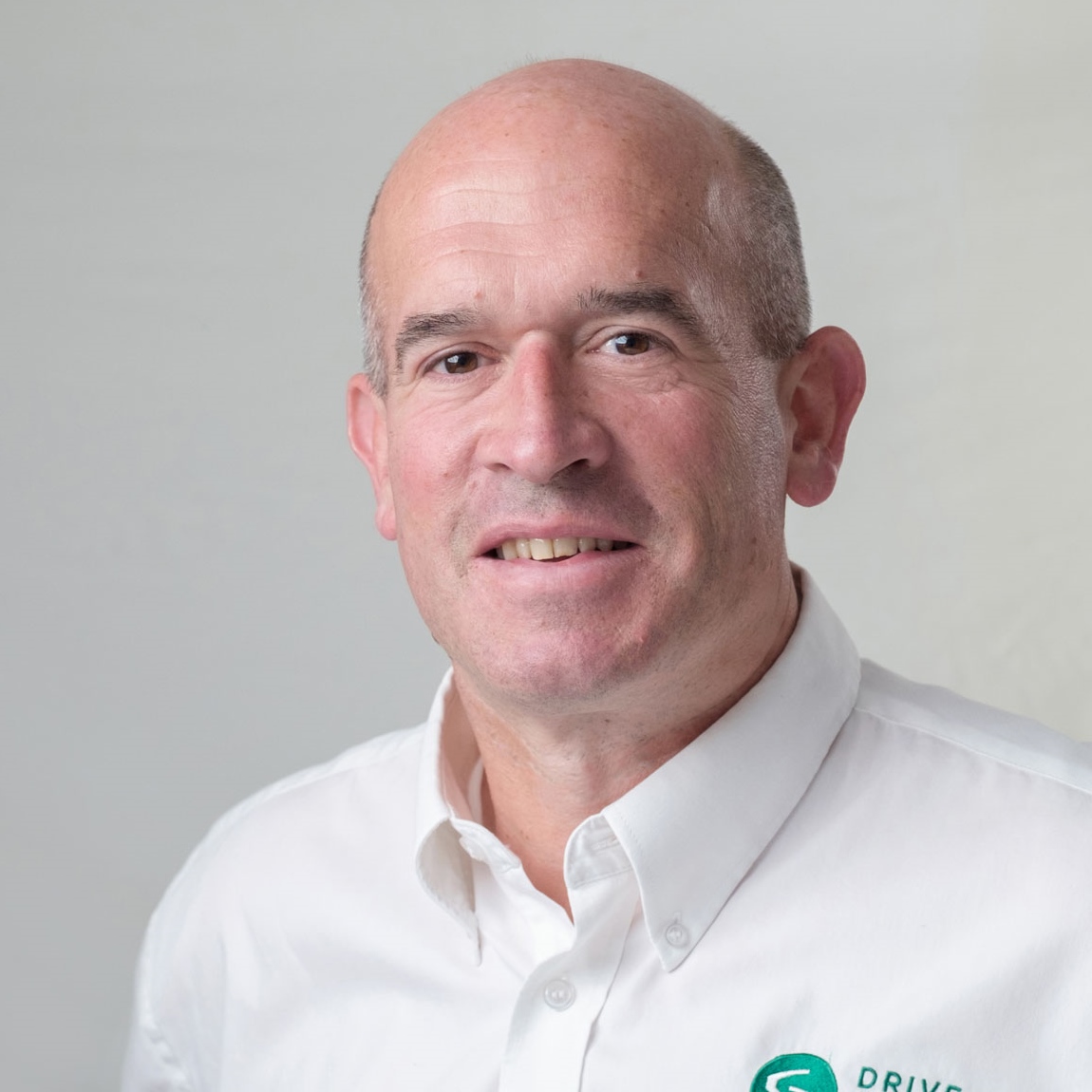
“Development of a stand-alone electric propulsion unit for the aerospace industry is a fascinating project that poses many novel challenges and our motor and inverter will play a critical role in meeting the efficiency and mass requirements,” explains John Morton, Drive System Design Engineering Director. “The level of integration in the unit and the modular construction means we will need to work very closely with our partners to ensure the project is successful.”
“To help overcome the engineering challenges posed by the novel nature of this project, and to accelerate development, it will benefit from our established ePOP (electrified Powertrain Optimisation Process) tool, which we have adapted for aerospace suitability,” Morton continues. “This enables us to apply DSD’s system approach, proven for our automotive customers, to aerospace, simulating tens of thousands of possibilities in order to optimise the way the sub-systems operate together within a strictly defined physical package.”
Following the design stage, Drive System Design will test and develop the motor and inverter at its test centre in the UK. It is one of Europe’s leading independent electrified propulsion test facilities specialising in durability, NVH and environmental testing.
Unmanned systems and Aerospace specialist Blue Bear Systems Research will lead the consortium of innovation partners from industry and academia which includes:
- Electrification specialists, Drive System Design
- Dowty Propellers
- Electrified propulsion systems and thermal systems consultancy, Ricardo
- Dielectric Liquid Specialist, M&I Materials
- University of Cambridge’s Whittle Laboratory
- University of Salford’s Acoustics Research Centre
“This project will significantly enhance our existing NVH skills with a deeper understanding of physcho-acoustics. It marks a key milestone in our mission to advance the development of future mobility systems, facilitating cross-sector collaboration and enabling the industry to engineer a sustainable future,” concludes Morton.
Discover more from Gay Car Boys
Subscribe to get the latest posts sent to your email.














Leave a Reply