Once upon a time, every motor car was coachbuilt. You bought a rolling chassis from the manufacturer and sent it to a specialist to be dressed in bespoke bodywork. Mass production killed that tradition, but Rolls-Royce never quite let it die.
Today, the marque has revived coachbuilding as the ultimate expression of automotive exclusivity. These are not cars with options ticked on a configurator. They are entirely new shapes, hand-formed from aluminium and carbon fibre, created for clients wealthy enough to commission what amounts to a rolling sculpture.
Above: Geely Starray and Which Driveline Is Best for You
#GeelyStarray #EV #Hybrid #PHEV #ElectricCars

Help Support Gay Car Boys Subscribe to our Youtube Channel by SMASHING THE BUTTON ABOVE


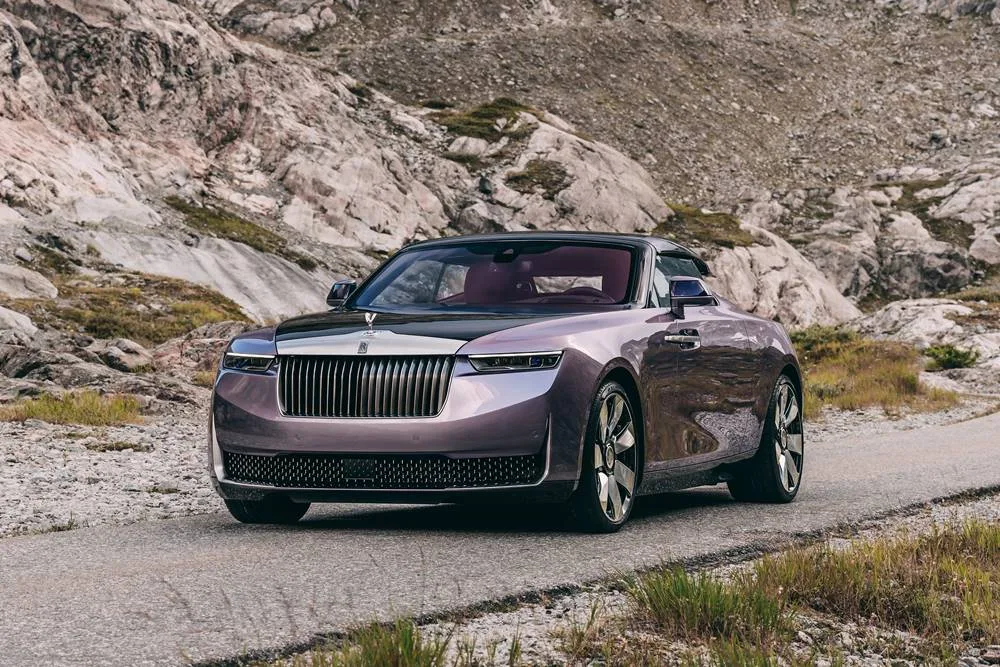
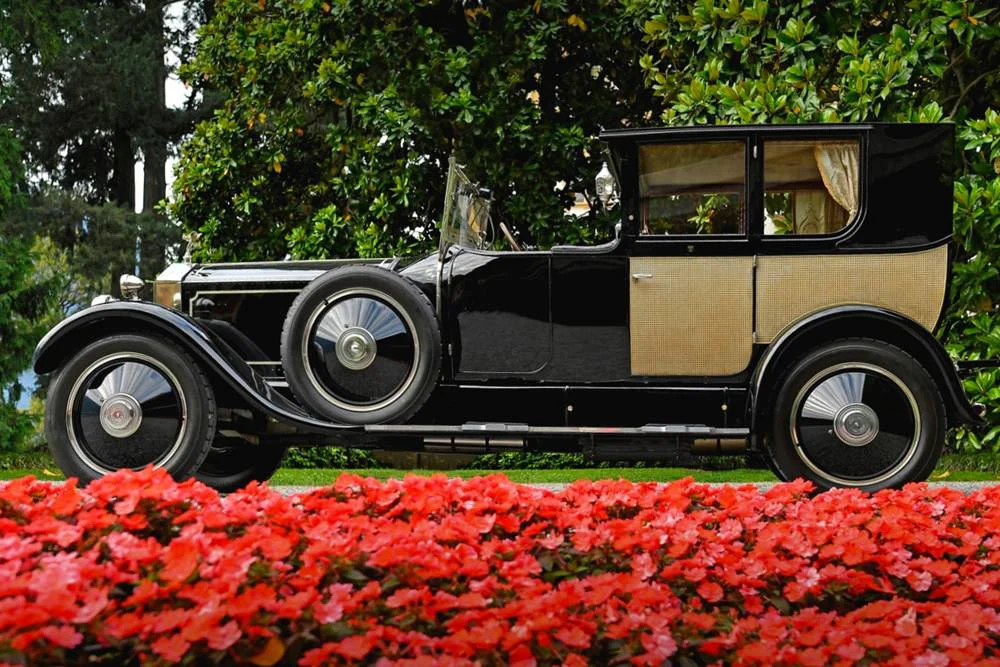
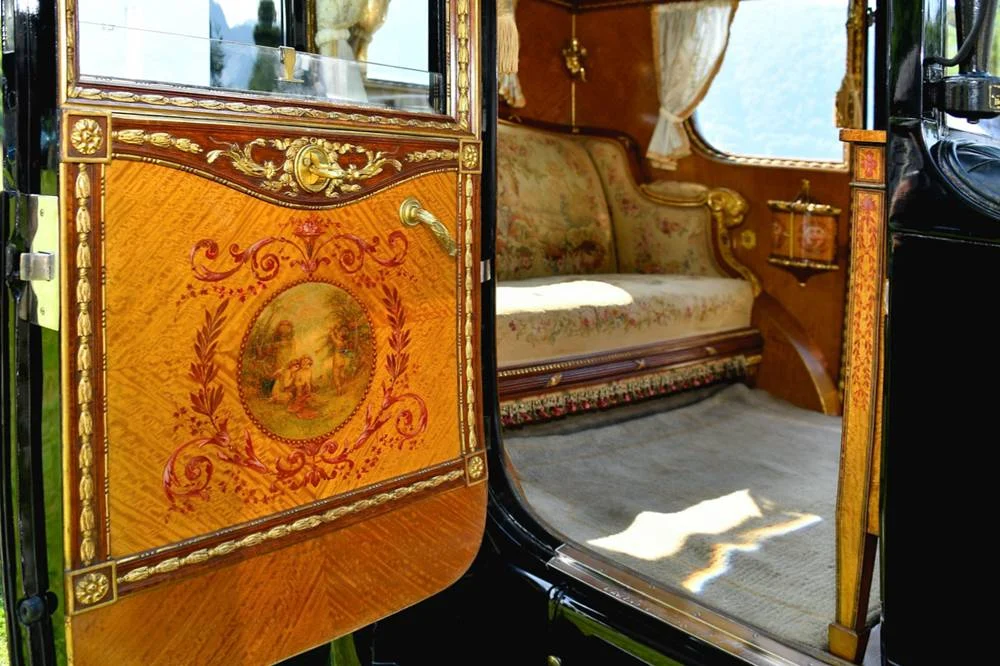
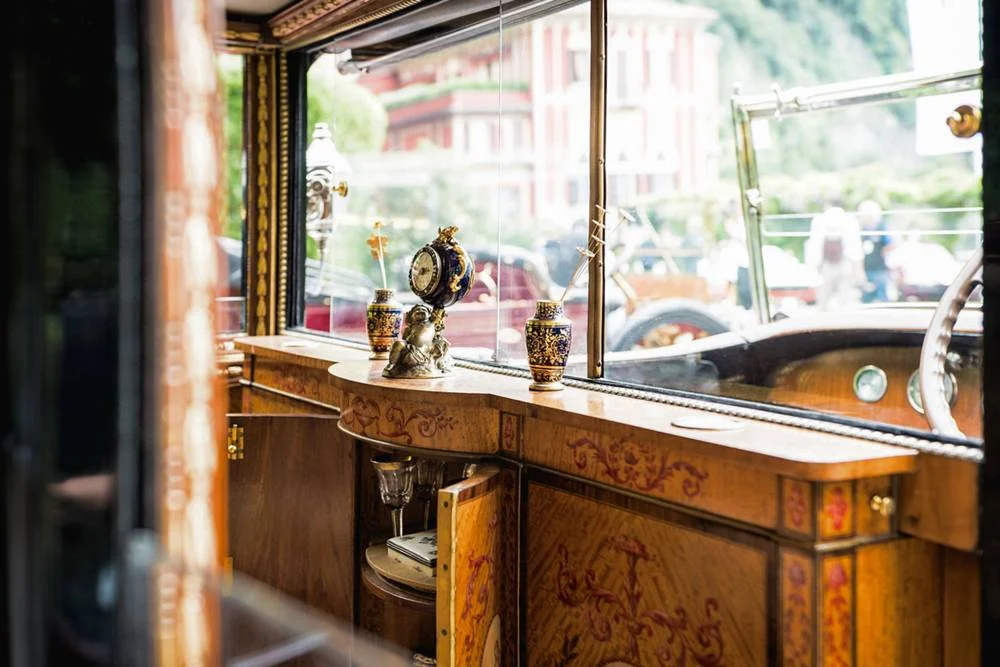
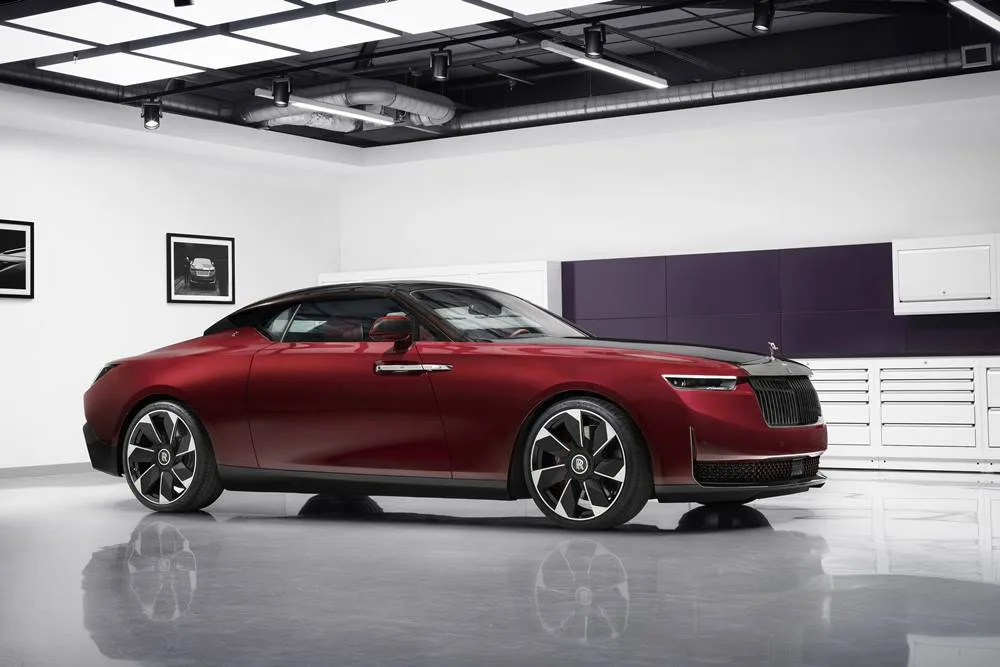
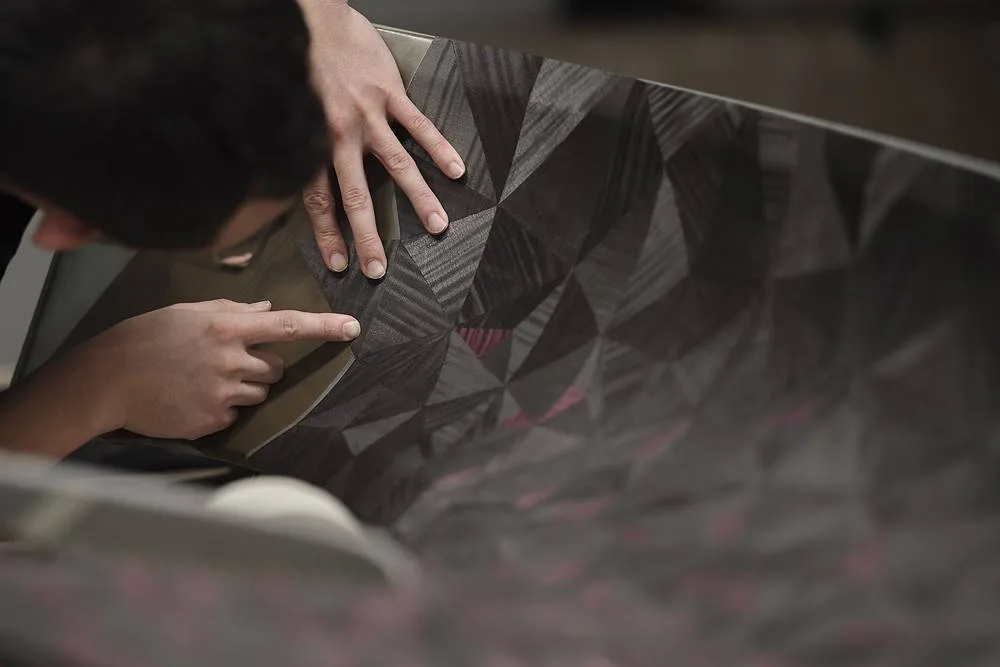
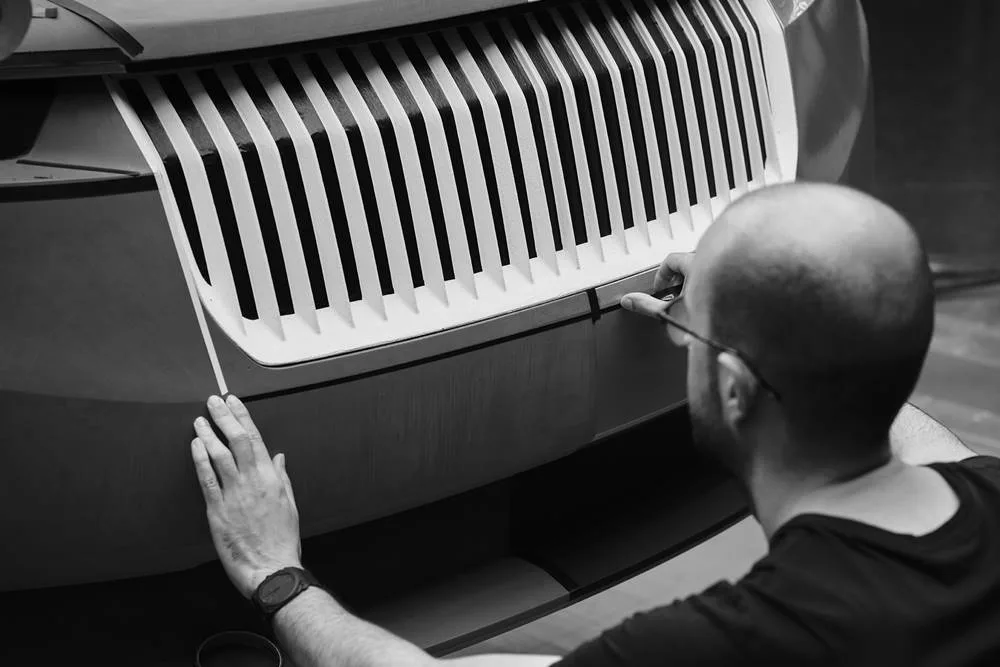

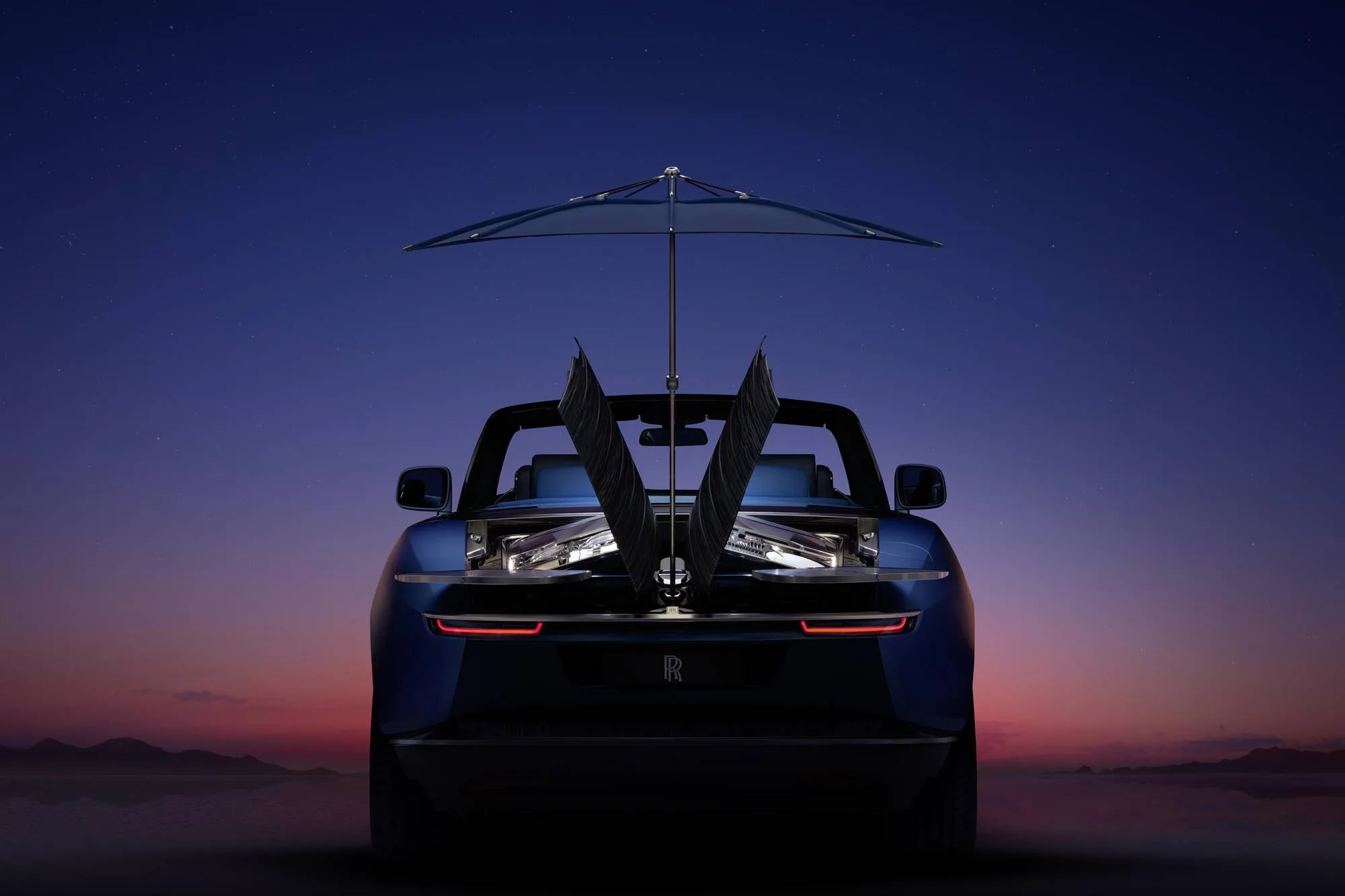
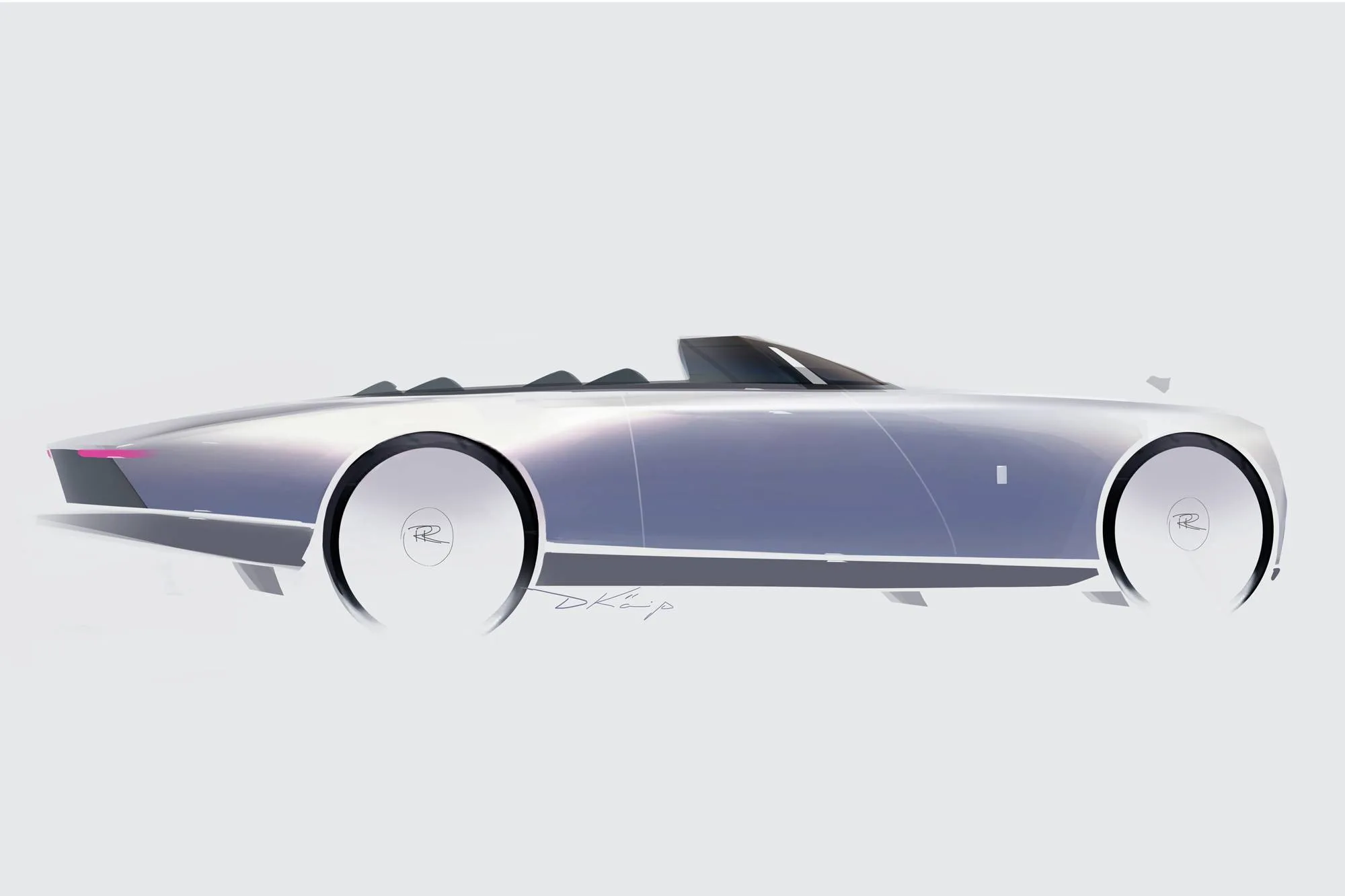
ABOVE: Rolls-Royce Coachbuild collection: Amethyst Droptail, Phantom of Love, La Rose Noire Droptail, and Boat Tail
The Golden Age
In the 1920s, coachbuilding reached its zenith. Bodies were assembled on wooden ash frames, with aluminium or steel panels nailed, tacked or screwed into place. As speeds increased, so did the engineering challenges. Vibration and torsional stress demanded new approaches.
The 1926 Phantom I Brougham De Ville, known as ‘The Phantom of Love’, exemplifies the era’s extravagance. Built by Charles Clark & Son for American businessman Clarence Warren Gasque as a gift for his wife, its interior recreated the Rococo ambience of a Versailles salon. Polished satinwood veneer, Aubusson tapestries, a painted ceiling inspired by Marie Antoinette’s sedan chair. Even the clock mounted on the partition is a work of French ormolu art.
The Experimental Years
Henry Royce was not a man to tolerate criticism. When competitors mocked the weight of coachbuilt Rolls-Royces, he responded with a series of experimental lightweight cars. The fifth, 17EX, completed in 1928, could exceed 90 miles per hour and looked as good as any production model. Royce insisted on that. Even experimental cars bearing his name had to be beautiful.
The Modern Renaissance
Coachbuilding might have remained a historical footnote if not for a commission in 2013. A client approached Rolls-Royce wanting a bespoke two-seater coupé with a panoramic glass roof, inspired by the 1920s and 1930s coachbuilt cars. Four years later, Sweptail emerged.
With its raked rear profile tapering to a bullet-tip tail, Sweptail caused an international sensation. The coachwork wraps under the car like a yacht hull. It was described as the Extrovert, and it set the template for what would follow.
Boat Tail arrived in 2021, a nautical fantasy inspired by the J-Class racing yachts of the 1930s. Three were built, each unique. The first featured a rear deck that opens in a butterfly motion to reveal a hosting suite with cocktail tables, stools by Promemoria, a parasol, and a refrigerator for Armand de Brignac champagne. The dashboard houses a pair of BOVET 1822 timepieces commissioned by the client.
Droptail, introduced in 2023, shifted the focus to intimacy. A two-seat roadster that transforms into a coupé with a carbon-fibre roof featuring electrochromic glass. La Rose Noire Droptail, inspired by the Black Baccara rose, features interior parquetry formed from 1,603 hand-cut sycamore triangles depicting falling petals. The fascia incorporates a removable Audemars Piguet Royal Oak that can be worn on a strap.
What It Costs
Rolls-Royce doesn’t discuss prices for Coachbuild commissions, but estimates place Sweptail at around £10 million, Boat Tail at £20-25 million, and Droptail at similar figures. These are not motor cars. They are investments in wearable art that happens to have wheels.
The Future
Rolls-Royce is expanding its Goodwood facility, with completion scheduled for 2029. The new space will accommodate more Coachbuild commissions and more complexity. For a select few clients, the art of creating something utterly unique continues.
More Stories
- Rolls-Royce Phantom Gets Fresh For Its Centenary
- Top 20 LGBTI cars for 2025-2026
- Romans Were Recycling 2,000 Years Before Rolls-Royce Made It Fashionable

Alan Zurvas is the founder and editor of Gay Car Boys, Australia's leading LGBTQI+ automotive publication. Before launching GCB in 2008, Alan's automotive writing was published in SameSame.com.au and the Star Observer. With over 16 years of hands-on car reviewing experience, Alan brings an honest, irreverent voice to every review — championing value and innovation over brand loyalty.
Leave a Reply