We’ve been trying to get people interested in green transport, including electric cars, for a very long time. This can be done in many ways including free rego, free parking, government subsidy, and the right to use bus and transit lanes for electric car drivers.
Indeed European and North American electric car drivers enjoy just such incentives. Australia is not only behind the 8-ball, it is behind an iron curtain when it comes to electric car incentives.
In the latest proposal, several state governments propose additional taxes on drivers of electric cars. They claim that these drivers do no contribute to the upkeep of roads etc. These are the drivers who use tollways, and park at council meters.
Other GayCarBoys EV Stories:
- We drive 2019 Jaguar I-Pace SE EV400 Electric car
- 2019 Jaguar I-Pace SE EV400 Driven and rated in GALSTON GORGE Australia Video Review
- Nissan LEAF 2019: All New EV Powers Your Home VIDEO REVIEW
- Hyundai’s 2019 Electric Ioniq: The cheapest EV In Australia?
- New Nissan Leaf Could Power Your Home for a Week
- Tesla Model 3 Colors and Price
- Tesla Model 3 Full Review Inside, outside, and Roadtest
- Mini Cooper SE electric
- Karma Starts E-Flex Prototype Testing
- Is Karma Automotive’s New E-Flex Platform a Game Changer
It is a nonsense to suggest that there is a separate pot of money, paid for by fuel taxes and registration, to find roads. That simply is not true. Instead of discouraging green transport, perhaps the government could increase the fuel tax. They might even stop corporate tax avoidance, making those large organisations responsible for slightly more than ZERO TAX.
We see government as a partner in the development of new technology, not as an opponent of it.
Above: This Week’s VIDEO Car Review -2021 GToyota Granvia Review

Help Support Gay Car Boys Subscribe to our Youtube Channel
- Top GayCarBoys Stories:
- Sexy Men Drive 2021 Toyota Yaris Cross
- 10 Sexiest MotoGP Motorcycle Riders
- DON’T Drive YOUR CAR until you’ve Checked if your AIRBAG will KILL YOU
- 10 Hottest Racing Drivers
- Top 10 Gay Lesbian LGBT Cars
- Top 10 Gay Lesbian LGBT Sports Cars
- Top 15 gay and lesbian LGBT SUVs
- Talented Twinks – Callum Ilott Virtually Races Arthur Leclerc


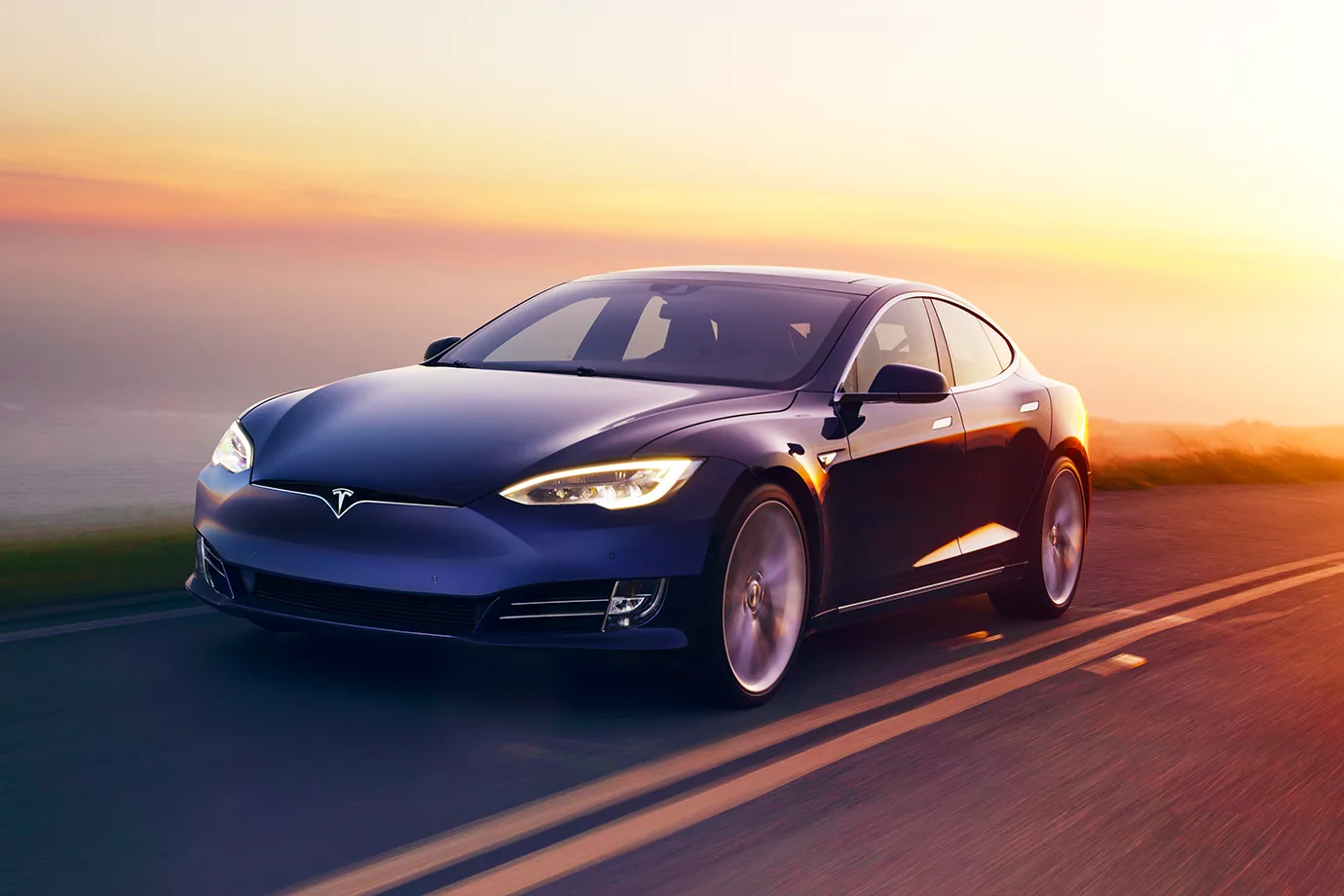


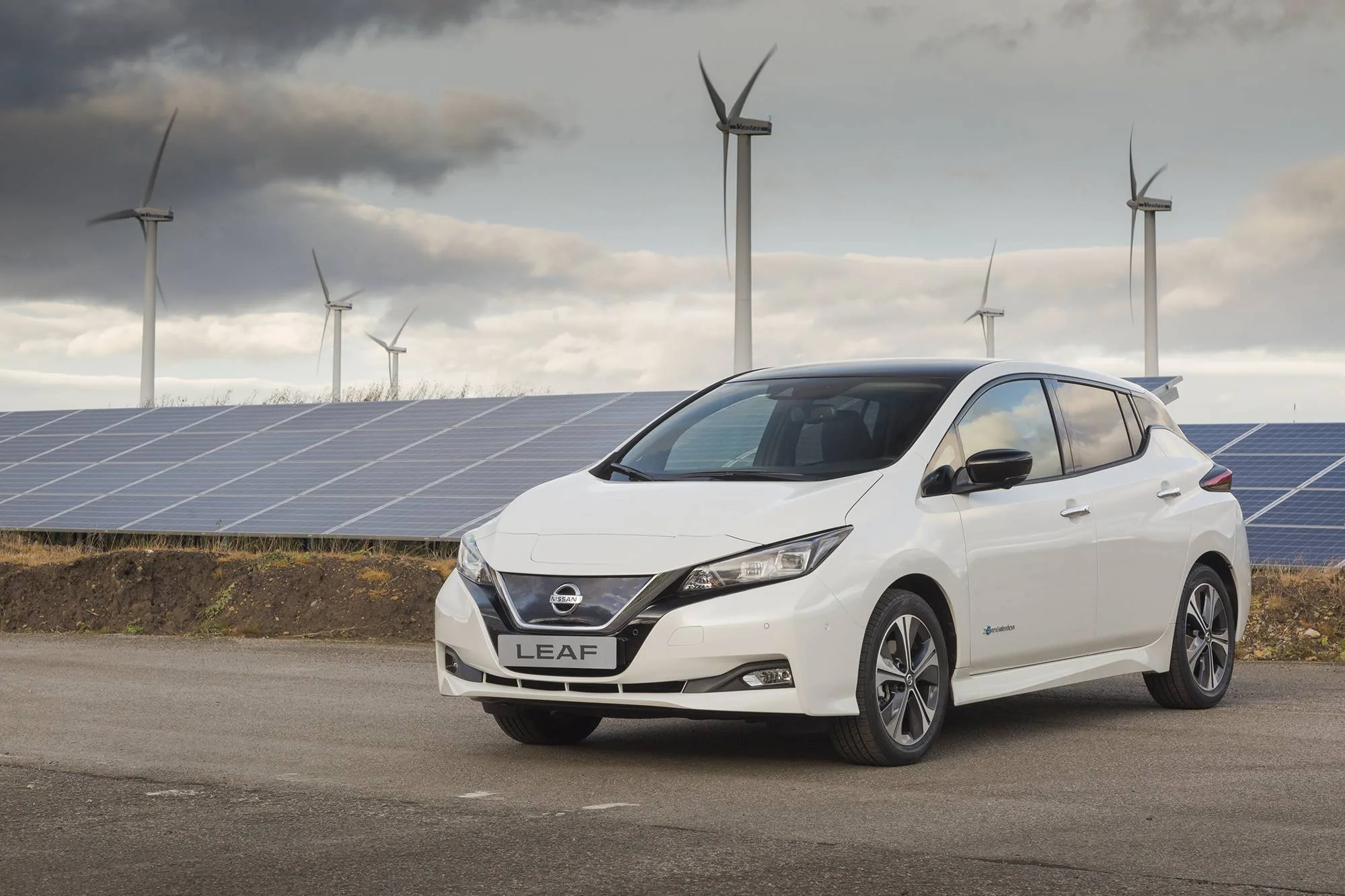
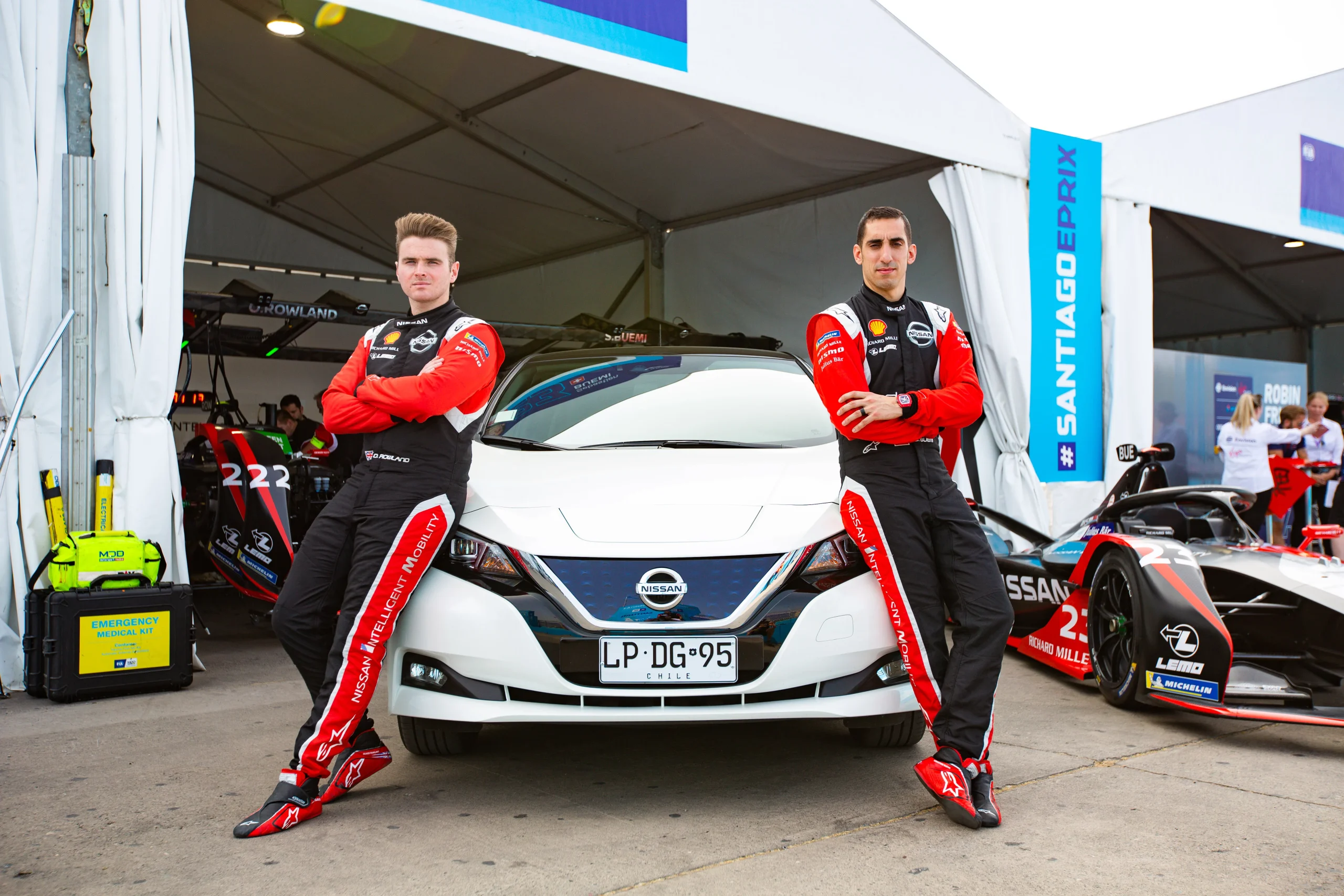
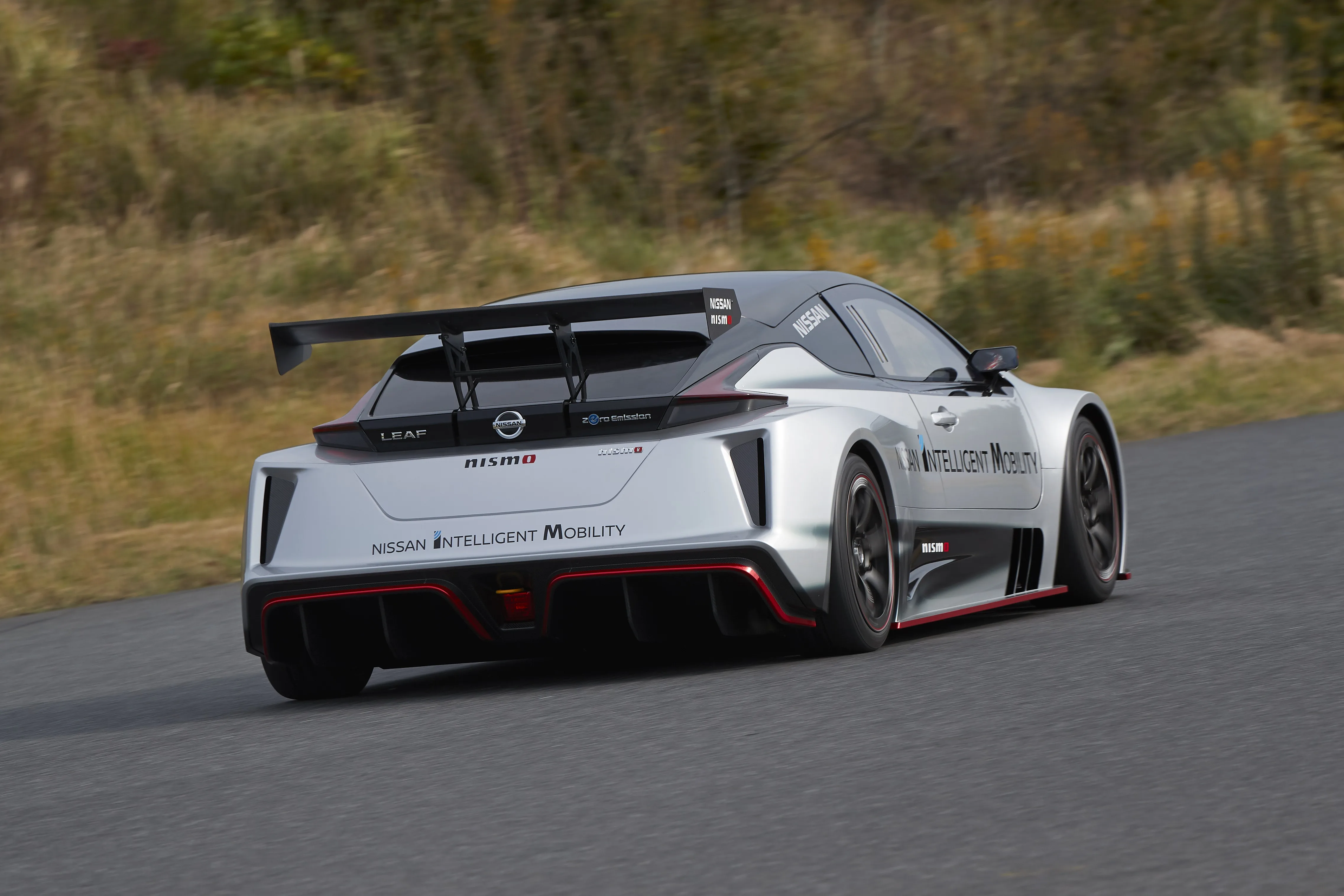
ABOVE: Tesla and Nissan Leaf
“The Victorian Government’s proposed legislation to introduce a new road charging framework for zero and low emissions vehicles is premature and might hinder the uptake of these vehicles on Victorian roads,” according to the Federal Chamber of Automotive Industries.
“An efficient road user charging framework associated with comprehensive tax reform has the potential to benefit governments and motorists and is an issue that must be considered for the future,” according the FCAI Chief Executive Tony Weber.
“However, it does not make sense to apply the charge to zero emission vehicles right now as these technologies are still in their infancy and account for a relatively small portion of vehicle sales across Australia.
“Right now, Governments should be encouraging the uptake of these technologies with positive policy initiatives particularly around emissions targets, infrastructure development and appropriate incentives for fleets and private consumers rather than introducing charges that potentially reduce the incentive for these customers to buy these vehicles.”
Mr Weber added that a nationally consistent approach to future road user charging frameworks should be introduced to provide clarity and consistency across the country rather than the potential for different approaches across each State.
“There is no doubt that Governments must consider future revenue streams to ensure continuing investment in road and transport infrastructure. The automotive sector is wanting to be a part of those discussions to support positive outcomes driven by efficiency and effectiveness for all stakeholders. However, at current volumes, the funds raised through this proposed legislation will be minimal.
“Until zero and low emission vehicles become more mature technologies, Governments should be avoiding the temptation to subject them to new taxes and charges that impact on their acceptance from consumers.
“Advanced economies across the world are finding ways to encourage and incentivize the introduction of these vehicles rather than introducing charges that are barriers to their market growth,” Mr Weber said.

Alan Zurvas is the founder and editor of Gay Car Boys, Australia's leading LGBTQI+ automotive publication. Before launching GCB in 2008, Alan's automotive writing was published in SameSame.com.au and the Star Observer. With over 16 years of hands-on car reviewing experience, Alan brings an honest, irreverent voice to every review — championing value and innovation over brand loyalty.
Leave a Reply