Solid State Batteries are not here, yet, but what will it mean when they arrive?
Associate Professor at University of NSW, Neeraj Sharma has been researching Solid State Batteries, and in particular, developing materials to extend the life and effectiveness of battery components.
Rechargeable batteries have been with us for ages. Wiki has an excellent page on it HERE
Batteries have 2 electrodes, and an electrolyte. Energy is stored on the positive and flows to the negative, electrons outside into a circuit, and ions through the electrolyte. Regardless of battery type, the electrodes break down.
ON a side note, Neeraj noted that it is unusual for a battery to catch fire, regardless of spectacular online videos. They’re more likely to fail than catch fire, with the electrolyte boiling between 60c and 70c. It expands, thus causing a breach. It is that breach and resulting fire that makes for impressive film clips.
EVs, including cars and SUVs, are less likely to catch fire, as they have inbuilt cooling to facilitate fast DC charging. Barring any external forces, it is charging or discharging that causes heat. That is something that worries body corporates across the land. If is happens in a unit block, you then have a spreading fire in the car park. So, as you read on, remember that is it the liquid electrolyte that is the problem.
Video Review: Are Solid State Batteries The Future of EV Travel #gaycarboys
1 Minute Video Review: The 2023 Subaru Outback Sport XT Turbo is quite sexy, but is it worth the money?
Help Support Gay Car Boys Subscribe to our Youtube Channel
- Top GayCarBoys Stories:
- Sexy Men Drive 2021 Toyota Yaris Cross
- 10 Sexiest MotoGP Motorcycle Riders
- DON’T Drive YOUR CAR until you’ve Checked if your AIRBAG will KILL YOU
- 10 Hottest Racing Drivers
- Top 12 Best Gay Lesbian LGBTI Luxury Cars
- Top 10 Gay Lesbian LGBT Cars
- Top 10 Gay Lesbian LGBT Sports Cars
- Top 15 gay and lesbian LGBT SUVs
- Talented Twinks – Callum Ilott Virtually Races Arthur Leclerc


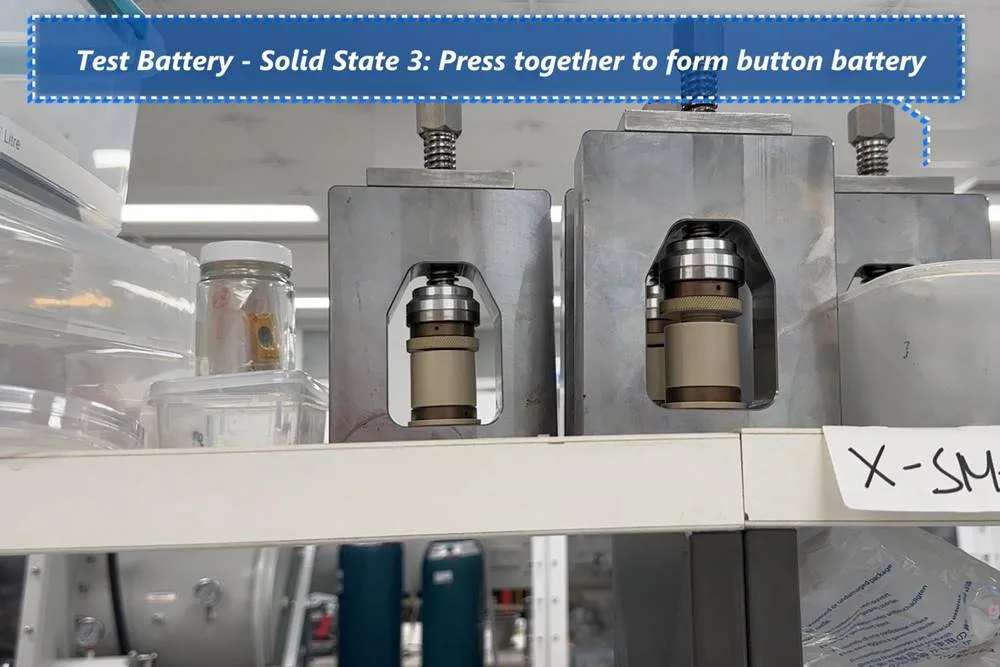
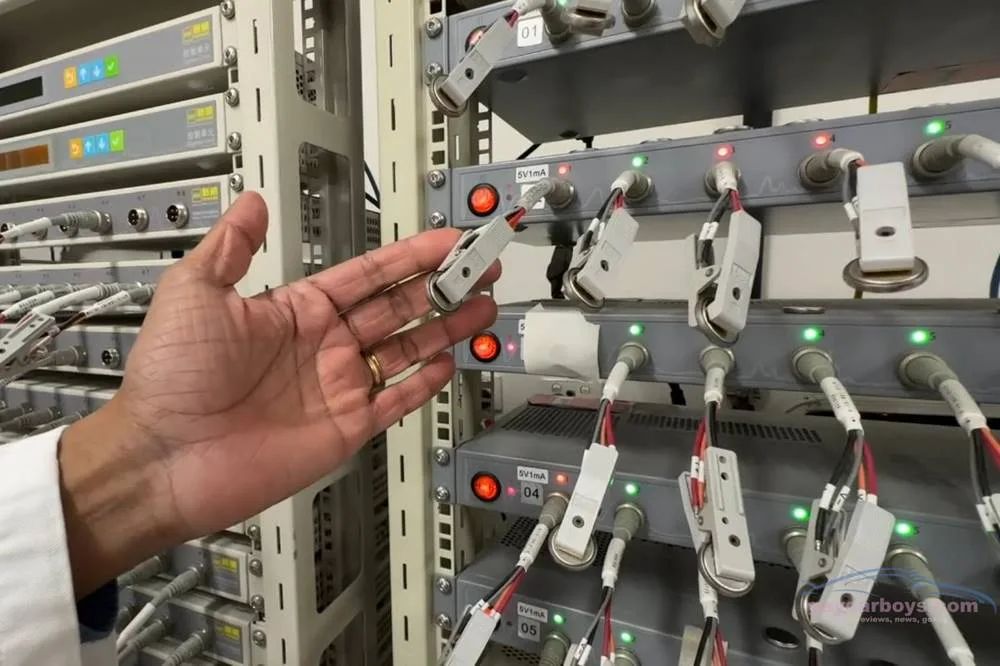
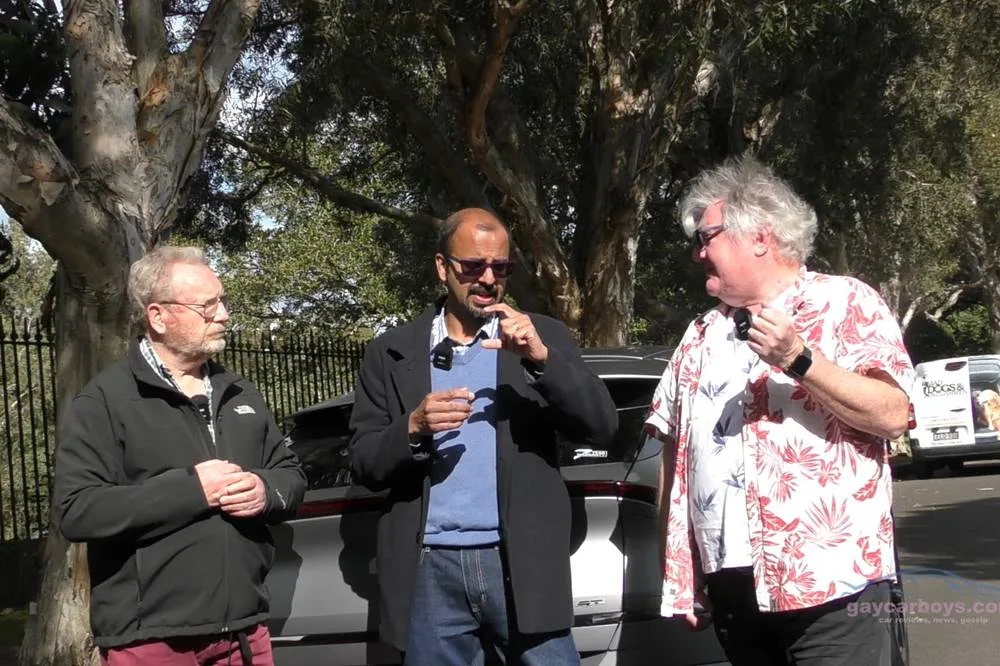
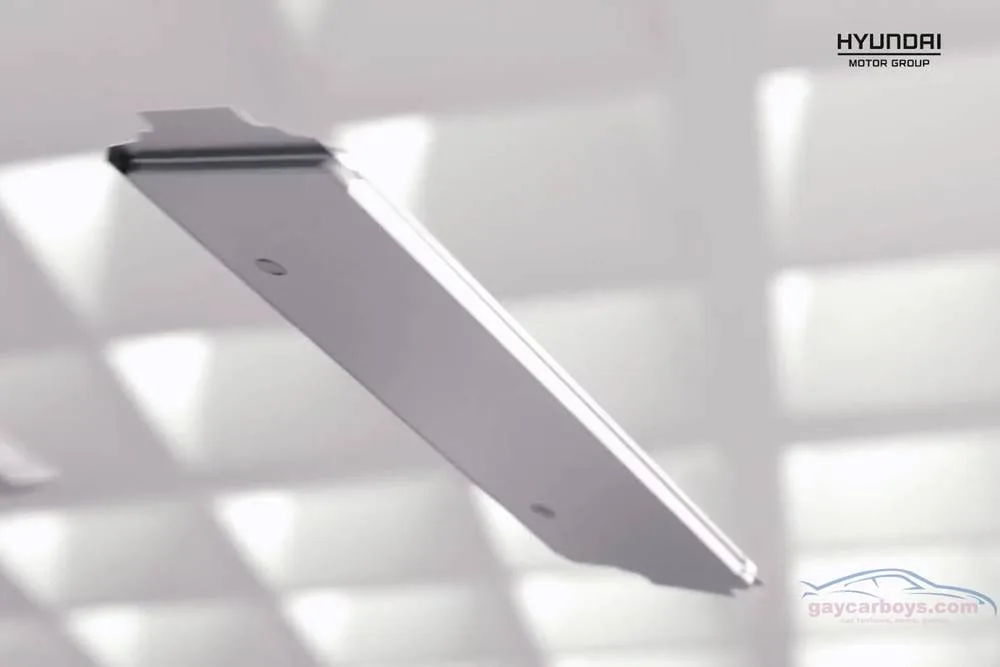
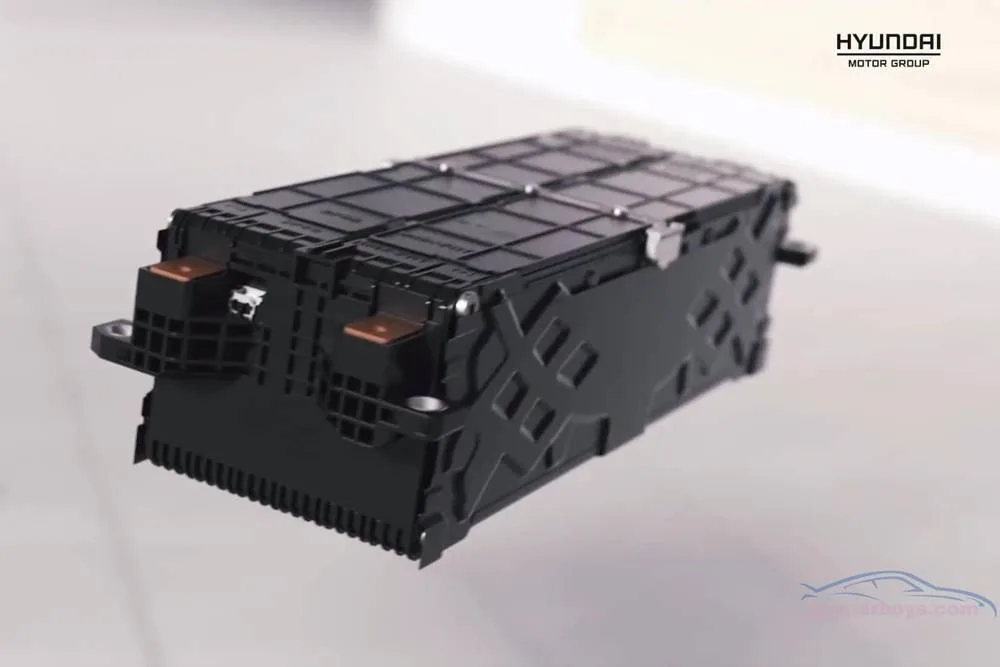


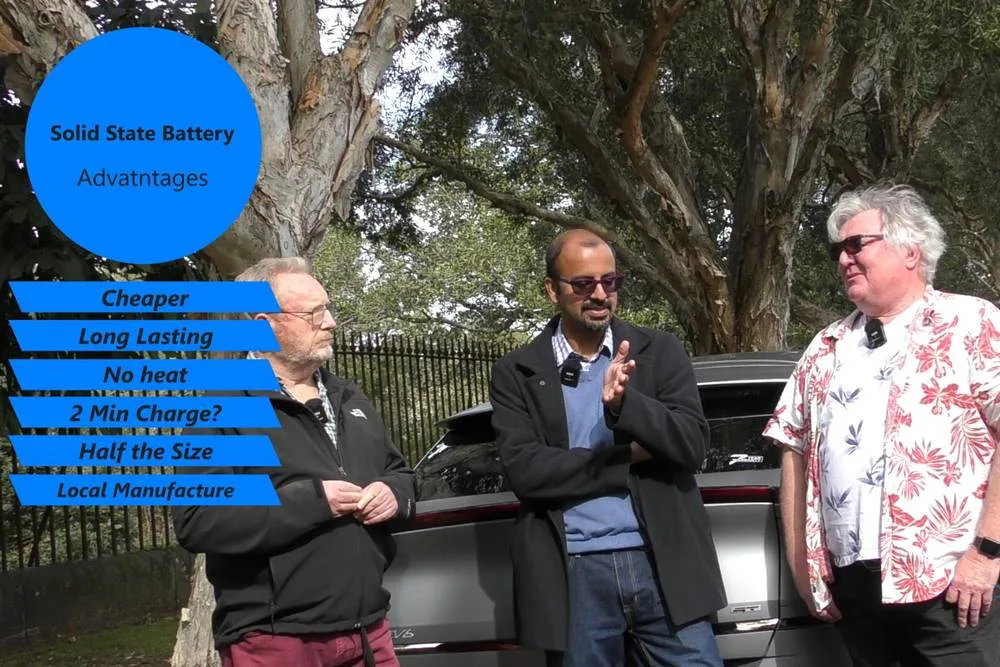
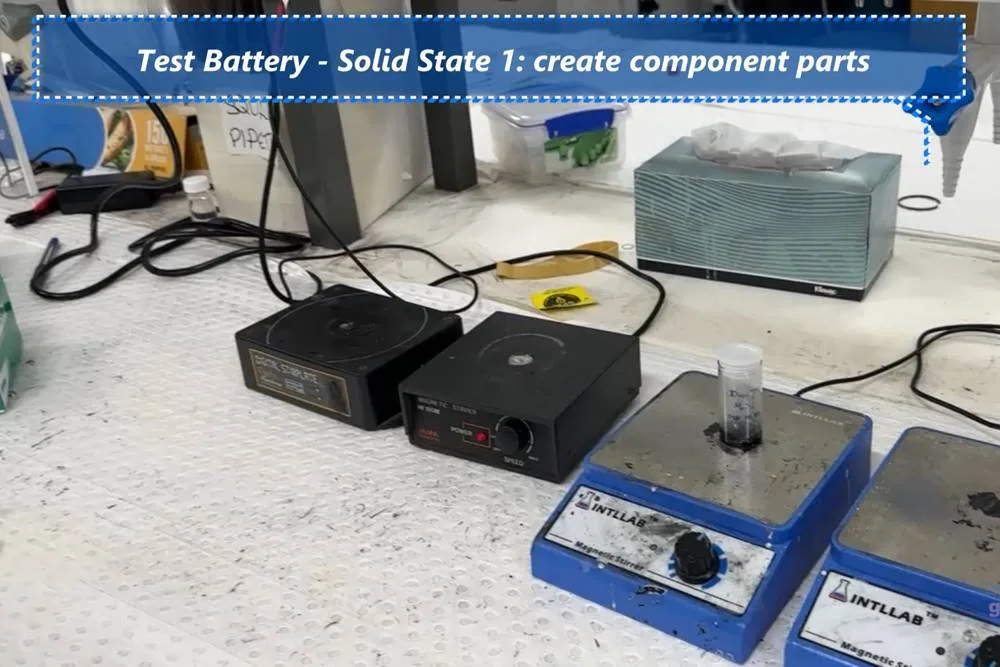
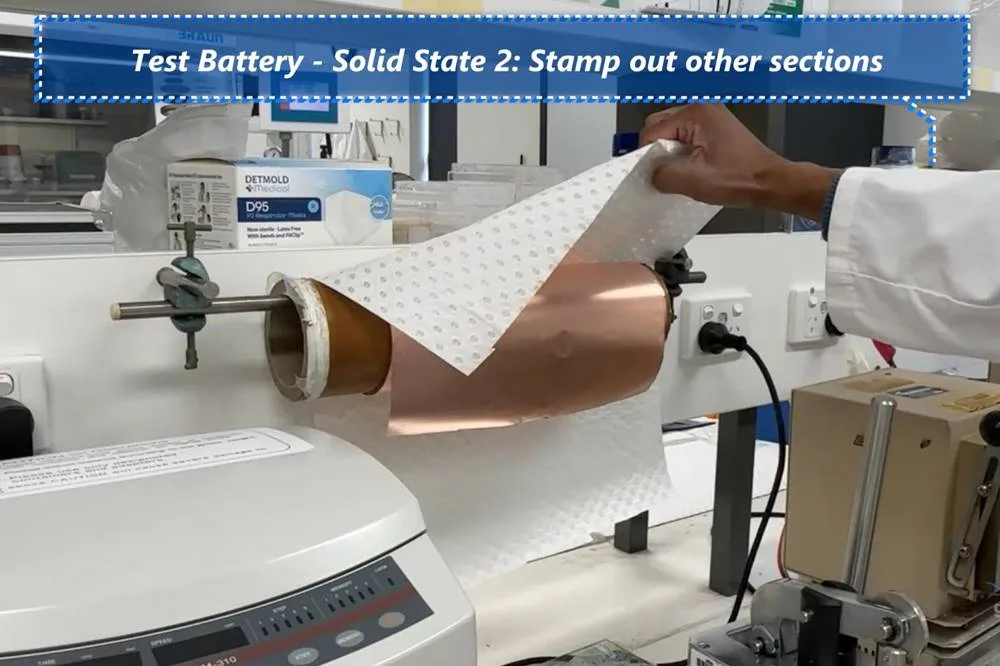
ABOVE: Alan Zurvas, Neeraj Sharma, David Brown, Uni NSW, Lithium Ion EV batteries, The production and testing of Solid State Batteries
There is no liquid in a solid-state battery, but up to now, Solid State Batteries have been too expensive and were too short-lived.
The “solid” material is a type of ceramic that controls the flow of from cathode to anode and vice versa. As the battery charges or discharges, the energy changes direction with ions flowing to the positive electrode. Electrons flow outside the battery, ions flow within the battery, both in the same direction for charge, and vice versa for discharge. It is the external flow of electrons that powers your phone, your car, and other essentials.
The electrodes, cathode and anode for +ve / -ve become unserviceable as they become coated with material, or break down completely. Neeraj Sharma and his UNSW, team are using a different kind of material to construct the solid-state cathode and anode, making them last longer.
Solid state batteries in this case, would still use Lithium-Ion electrodes embedded in the solid-state non-flammable material.
Top Points in Brief
- Lithium-Ion batteries made with a non-flammable solid ceramic-like electrolyte
- extend the battery life, possibly indefinitely.
- SSB will be cheaper
- half the size
- fully charge in minutes,
- eliminate heat and combustion.
With the Anode/cathode problem sorted, it is possible that the cheaper battery could last the life of the car, take less space, and have little or no degradation.
Batteries make up around half of the price of current EVs. Cheaper batteries could make EV’s cheaper than an ICE vehicle of similar segment size, and recharge in less time than an ICE vehicle can fill with fossil fuel.
By the way, want to see an Audi e-Tron battery ejected during a crash? VIEW HERE

Alan Zurvas is the founder and editor of Gay Car Boys, Australia's leading LGBTQI+ automotive publication. Before launching GCB in 2008, Alan's automotive writing was published in SameSame.com.au and the Star Observer. With over 16 years of hands-on car reviewing experience, Alan brings an honest, irreverent voice to every review — championing value and innovation over brand loyalty.
Leave a Reply