Toyota, the company that invented the very science of not wasting anything, has summoned 484 suppliers to a room to tell them, with corporate politeness barely masking existential dread, that the whole enterprise is in danger of going Titanic.
Koji Sato, who built his career inside the machine that Toyota spent seven decades perfecting, told the assembled room that “we in the automotive industry are battling for our very survival.” Not Toyota’s survival, note. The automotive industry’s. Which, when you are Toyota, the largest carmaker on the planet with 11 million vehicles a year flowing out of your factories, is either an act of extraordinary humility or the most theatrical piece of corporate alarming since the last time a CEO stood before shareholders and described a revenue dip as “challenging market conditions.” Toyota’s sales slipped 25% so far for 2026 in Australia and Australia is the canary in the coal mine
Sato is genuinely frightened. He should be.
It isn’t just Toyota’s product, or design, or price, or even attitude, it is a failure to read the room by all legacy brands. Just as Uber disrupted taxis, Japan, the EU and US are being beaten at their own game. This time there is not enough money for a “too big to fail” government rescue. The good ship government is far too leaky to help.
Above: ICE, Hybrid, PHEV, EV — Which Drivetrain Is Right for You? Review
#GeelyStarray #EV #Hybrid #PHEV #Drivetrain

Help Support Gay Car Boys Subscribe to our Youtube Channel by SMASHING THE BUTTON ABOVE


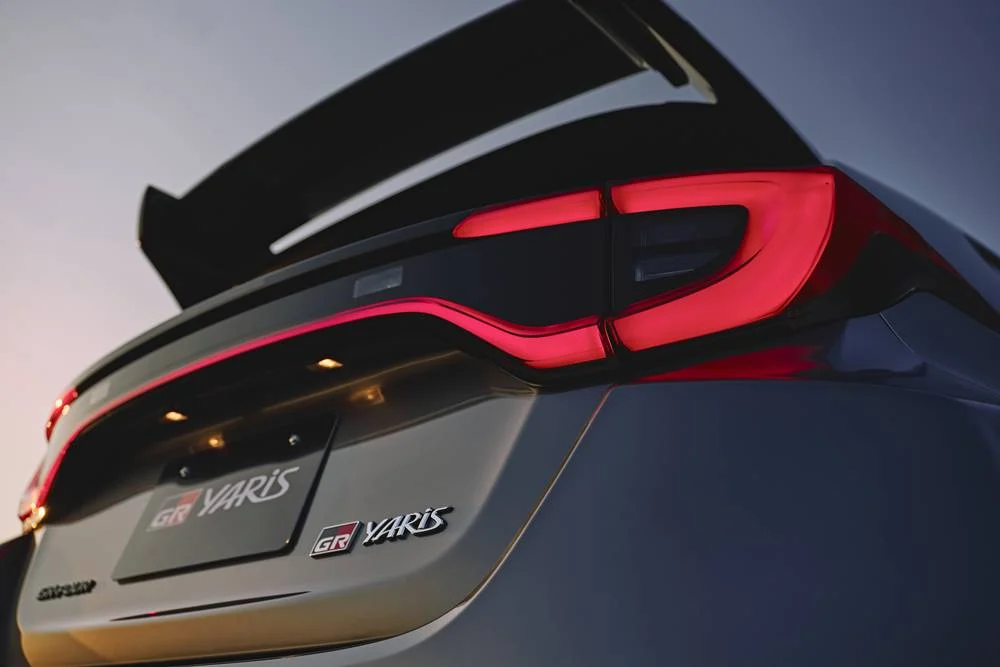
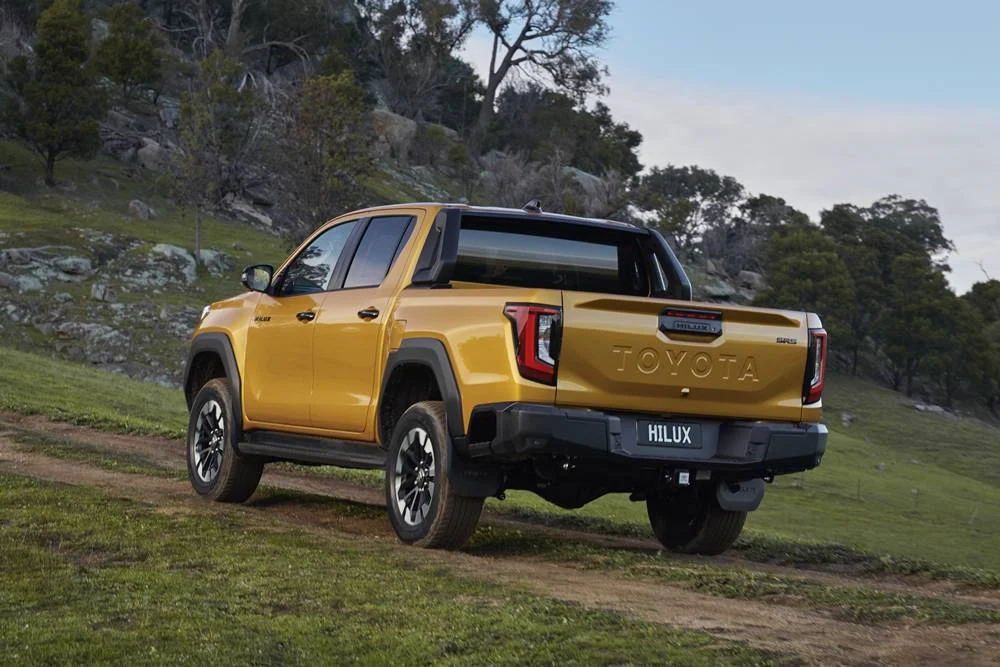
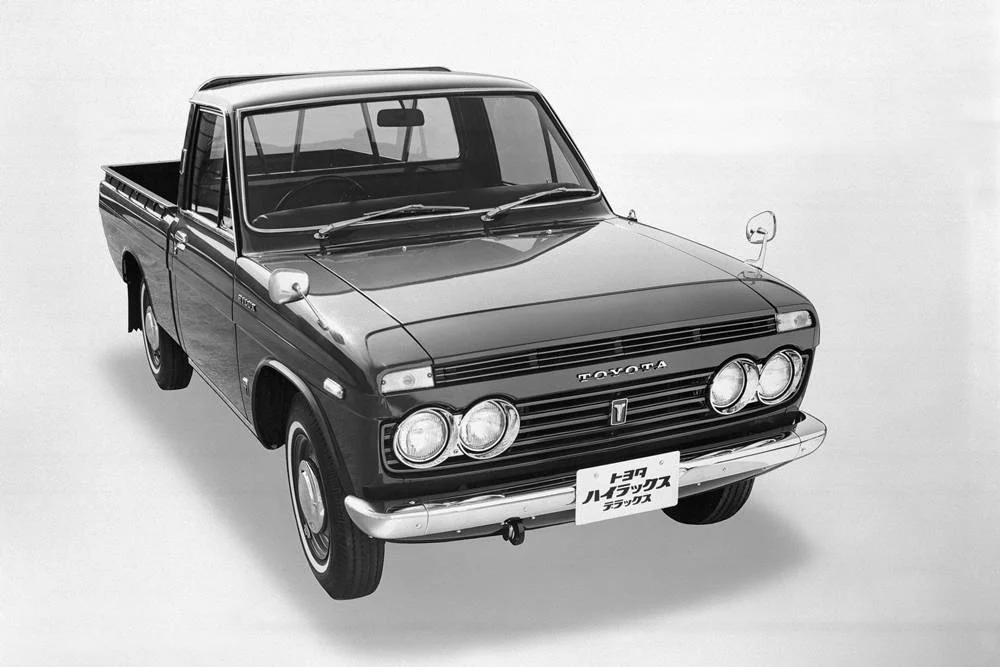


ABOVE: Is Toyota in freefall?
The Quality Gospel Has Left the Building
Here is where it gets properly uncomfortable: Toyota is relaxing its quality standards.
The same Toyota that previously discarded 10,000 wire harnesses a month because the plastic connectors had a touch of discolouration. The same Toyota whose inspectors once rejected headliners for black spots invisible to the naked eye, and steering wheels for wrinkles you’d need a magnifying glass to find. That Toyota, the one that turned quality control into a competitive moat so wide that “built like a Toyota” became its own cultural shorthand, is now asking whether some of those standards were perhaps a touch excessive after all.
The program has the perfectly polished name “Smart Standard Activity.” Which is the kind of name you give something when the real name, “we can no longer afford to throw things away at the rate we have been,” would cause a degree of press unpleasantness.
This is not Toyota loosening its collar at the end of a long week. This is Toyota pawning the cufflinks to make the mortgage payment.
The irony is staggering. For three decades, manufacturers from Seoul to Stuttgart scrambled to understand, copy, and implement the Toyota Production System. Business schools made careers out of it. The word “kaizen” entered management vocabulary because of what Toyota built. And now Toyota is quietly walking away from the very quality obsession it sold to the world, in the name of survival.
Seven Points and an Incoming CEO Who Is Not Pretending Things Are Fine
Sato published a seven-point survival plan in January, and it reads like the work of a very serious person who has been doing unhealthy amounts of thinking at 3am.
The plan covers locking down rare earth materials and lithium, which puts Toyota on a direct collision course with China at precisely the moment China is winning the car war. There is a multi-pathway approach to powertrains, because Toyota was never going to become an EV-only house and is not about to start. Circular economy investment, international expertise modelled on how Korea and China operate, chasing Tesla in autonomy, reforming Japanese vehicle taxes, and driving down production costs through common components at scale.
Kenta Kon, who takes the wheel on April 1, has been equally unsparing. Despite 11 million annual sales and a balance sheet that most carmakers would frame and hang above the fireplace, Kon says Toyota is not in “a secure and comfortable position.” He wants to “rebuild weakened competitive foundations.” His tone suggests a man who has read the same spreadsheet as Sato and arrived at the same conclusion: the old ways are not enough.
That is not language deployed by a company that is winning.
What This Looks Like From Australia
Toyota’s Australian numbers have been doing something the company would rather not discuss in polite company. Gay Car Boys covered the 22 per cent VFACTS sales drop in detail, and we looked at the broader forces reshaping the market in The Great Petrol Bloodbath: Why Australia Is Choosing the Plug. The numbers are not ambiguous.
And then there are the waiting lists, which have become a kind of dark national comedy. The RAV4 Hybrid, Toyota’s most popular nameplate in this country, has been on backorder long enough that some buyers have simply gone looking elsewhere, and “elsewhere” increasingly means a Chinese showroom with stock on hand and a competitive driveaway price. The LandCruiser remains a cultural institution but also a logistical frustration. Toyota themselves have acknowledged it directly, noting that “we continue to keep many customers waiting” and pointing to equipment failures and quality-related production stoppages as the cause.
The same obsessive quality culture that built the reputation is the same obsessive quality culture that keeps stopping the line. The machine is starting to look less like the well-oiled precision instrument of legend and more like a very expensive piece of equipment that keeps halting to check whether it has met its own standards.
What China Has to Do With Any of This
The short answer is: everything.
Chinese automakers are not simply selling cheaper cars. They are redrawing the entire cost architecture of vehicle manufacturing, from battery chemistry to software development to the speed at which a new model goes from concept to showroom. Software, which has become the central nervous system of every modern vehicle, is something Chinese manufacturers approach with the hunger of a venture-funded startup and the resources of a nation-state. BYD shipped more vehicles globally than Toyota last quarter. Not more EVs. More vehicles, full stop. The company that was making buses and mobile phone batteries fifteen years ago is now outshipping the company that invented the production system that defined modern manufacturing.
Sato’s seven-point plan reads rather differently when you understand what he is actually reacting to. This is not a generic improvement roadmap. This is a war footing. The kind of document you produce when a faster, cheaper, better-capitalised competitor has taken your customers, taken your market share, and is now eyeing your core business with the serene confidence of a prize fighter with the big belt.
Kon’s language about “more upheaval in recent years than in previous decades” is not boilerplate. It is an desperate reckoning delivered in the careful vocabulary of a Japanese corporation that does not do public distress.
The Fading Empire Problem
There is a thread running through the Japanese automotive story in 2026 that GCB has been following with a mounting sense of recognition and resignation. We wrote it about Subaru and the Uncharted. We are writing it now about Toyota. The pattern is the same: a company that once defined the category, now scrambling to stay relevant in a category it no longer controls.
Toyota is not going anywhere in the near term. The balance sheet is enormous. The brand loyalty in Australia and globally remains significant. The LandCruiser will sell regardless of who is running the company. But “enormous and surviving” is a different thing entirely from “setting the agenda,” and the agenda has moved to Shenzhen. Remember the US Big Three? All three came close to demise but are still churning the same dross into a market demanding more. Chrysler has had more owners than a banana republic, and Stellantis has managed Chrysler about as well it is capable but the bar is so low that Stellantis may also vanish. VW’s roof is on fire according to a now infamous address by company boss.
The big OEMs are bleeding from a car crash of their own making, and companies like BMW answer it by making subscriptions even more ubiquitous. Making things worse is not a survival plan, its a noose.
Whether Toyota’s seven-point survival plan, a new CEO, and a revised quality standard constitute a genuine course correction or a very dignified retreat will not be determined at a supplier summit. It will be determined by whether buyers in 2027 and 2028 choose a RAV4 or choose the vehicle sitting next to it in the carpark, which costs less, charges faster, and didn’t keep them waiting eight months.
The empire is still vast. But history has a habit of remembering vast empires mostly for their endings.
More Stories
Help Support Gay Car Boys Subscribe to our Youtube Channel

Alan Zurvas is the founder and editor of Gay Car Boys, Australia's leading LGBTQI+ automotive publication. Before launching GCB in 2008, Alan's automotive writing was published in SameSame.com.au and the Star Observer. With over 16 years of hands-on car reviewing experience, Alan brings an honest, irreverent voice to every review — championing value and innovation over brand loyalty.
Leave a Reply