The Australian car market is starting 2026 with a deceptive calm. The alleged experts keep telling us EV and PHEV sales are tanking, but the figures say otherwise.
Total sales hit 87,092 in January, a tiny 0.3% bump that masks a transition in how we buy cars. While the topline number is steady, the underlying data shows legacy brands like Toyota getting hammered by fleeing buyers while Chinese manufacturers and electrified powertrains are finding a renaissance.
Notable amongst the shuffle is bijou Subaru, which managed to outsell German giant Volkswagen this month, moving 2,336 units to VW’s 1,886. The brand that ignored customer complaints about leaks, oil consumption, and transmission failures, then lied to buyers about cheating on their emissions exams, has chickens coming home to roost.
Biggest Winners
The Australian new car market is currently performing a very convincing optical illusion. The topline numbers suggest calm and steady waters, but the truth is a struggle which we predicted would take down the biggest of players, and it is happening faster than we thought.
January 2026 recorded 87,092 sales, which is a statistical rounding error of 0.3% higher than last year. You might look at that and think business as usual. You would be wrong. Beneath that flat surface lies a violent reshuffling of the deckchairs that is leaving established legacy brands in the water while new players paddle away on well organised lifeboats.
Like the rest of manufacturing, car brands sat with deer in headlight stares into a void of their own making. They stopped innovating, pushed only by legislation into action. All the while, legacy brands treat buyers with indifference, contempt, or outright hostility.
While the Japanese master struggles, the Chinese apprentices are taking over. China is now firmly entrenched as the second largest source of cars for Australia, with imports up 68.6%. Remember, brands like Volvo, Polestar, and Tesla all sell models made in China. But wait, there’s more. The growth numbers for specific Chinese brands are frankly ridiculous. BYD is leading the charge with a 640.9% increase. They went from selling 675 cars last January to 5,001 last month. That is not growth, that is an obliterative egg on the face of the establishment that had previously been treating all Chinese brands as a joke. The BYD Seal alone saw sales rocket by 467.3%, and the new Shark 6 ute added over a thousand units to the tally immediately. We predict the Shark 6 to be the danger to both Ranger and Hilux, as neither come close to the comfort or value of the BYD.
Chery is the other winner here. They doubled their footprint with a hefty 105.8% jump to 3,780 sales. Their Tiggo 4 Pro is the new budget king on the block, with sales up 119.4% to land it in fourth place overall, kicking RAV4 to the kerb. GWM also posted a solid 31.3% gain to secure seventh place. These brands are simply offering the tech and value that legacy brands cannot match right now, and are unlikely or unwilling to try. As we continue to point out, this is the mistake Holden made and it led the Australian automaker to its doom, taking the rest of Aussie car making with it. Legacy brands have still not learned their lesson.
As with all things in life, luxury buyers are clearly living in a different economy to the rest of us. BMW had a ripper of a month, with sales up 53.7%. The X1 SUV was the star performer with a 118.8% gain, and the X3 jumped 235%. Porsche popped the champagne too. Sales of the iconic 911 increased by a staggering 536.4%. Even the Cayenne Coupe was up 53.5%. It seems that while the battlers are tightening their belts, the top end of town is still spending on German metal. Will this continue? We suspect not.
The Chinese brands like Xpeng, GWM, MG and Geely are taking over.
Above: This Week’s VIDEO Review –2026 Chery Tiggo 7 PHEV Ultimate -Why ASX is dead PART 2
#CheryTiggo7PHEV #MitsubishiASX #Remitzy #PHEVReview #GayCarBoys


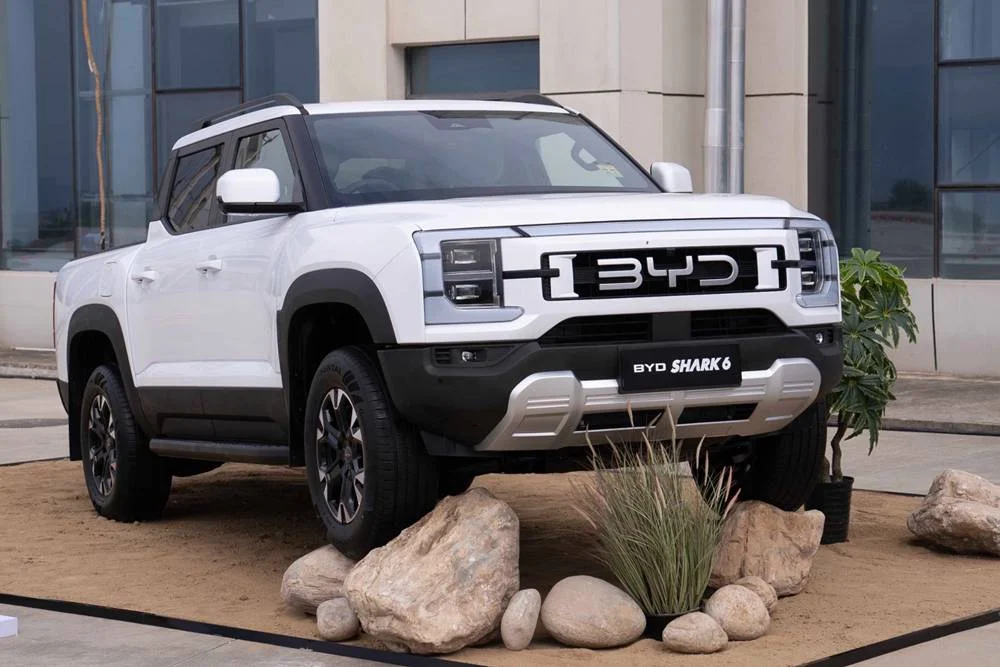
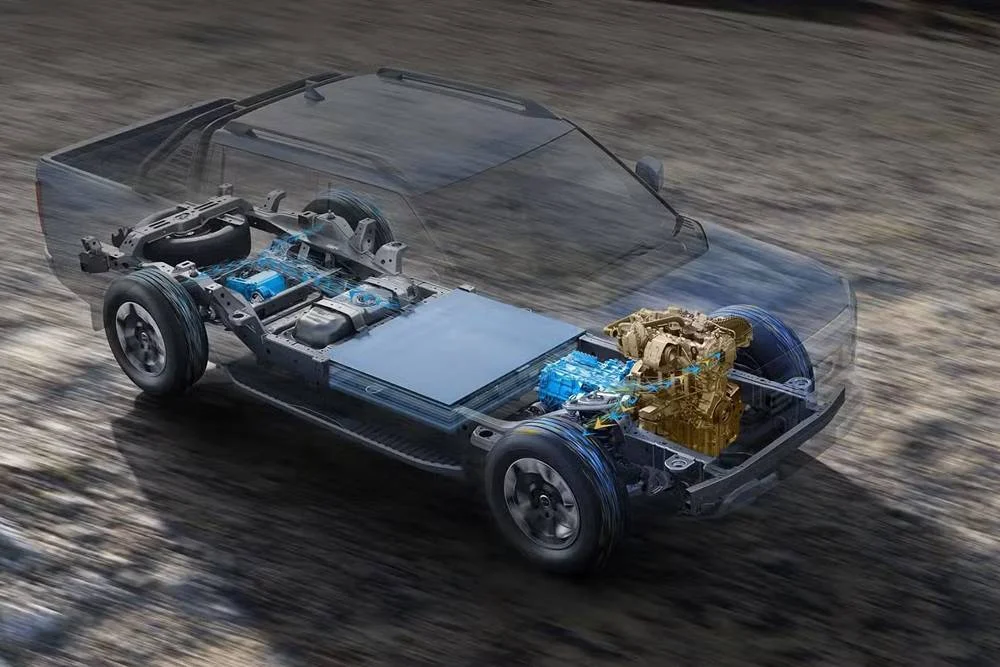
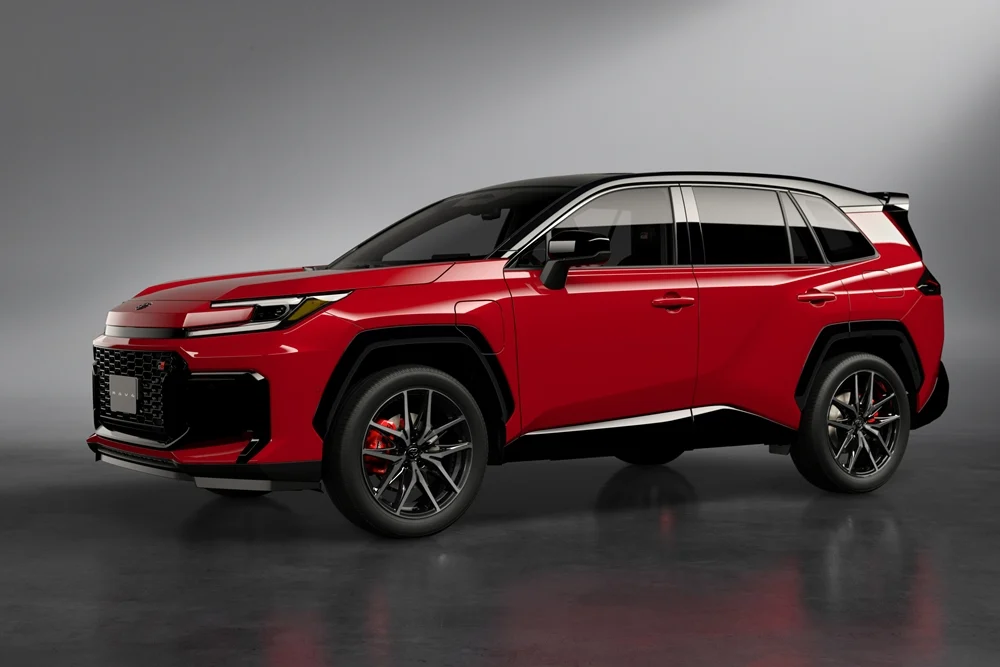
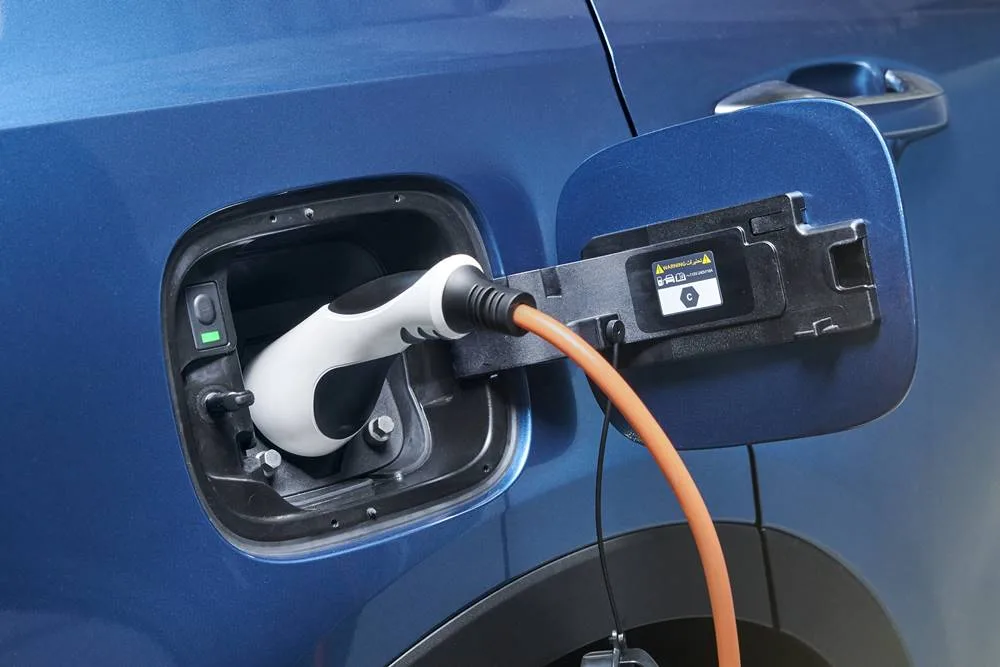
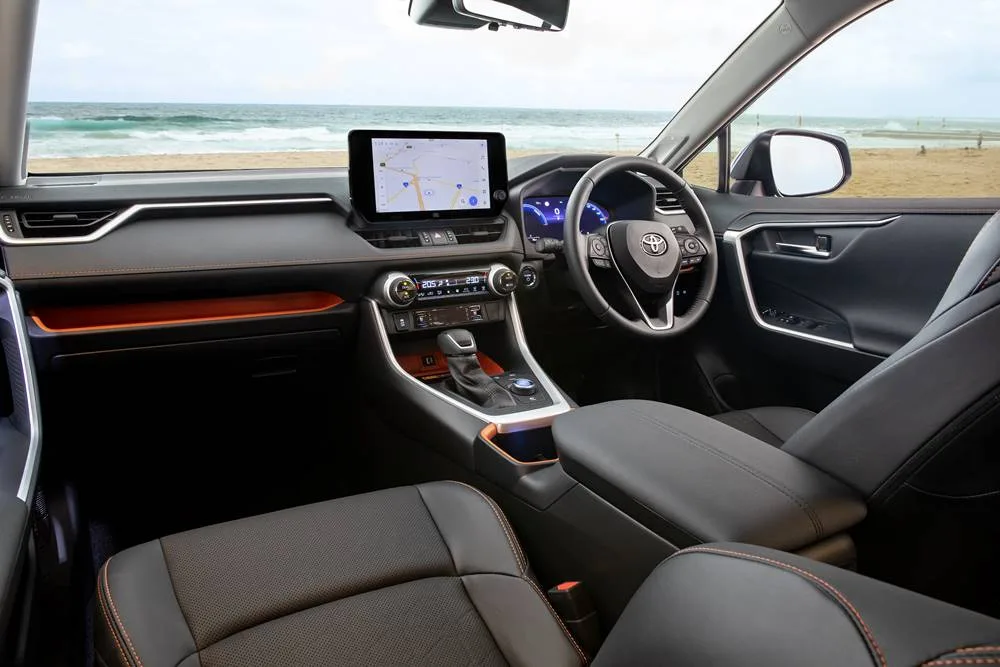

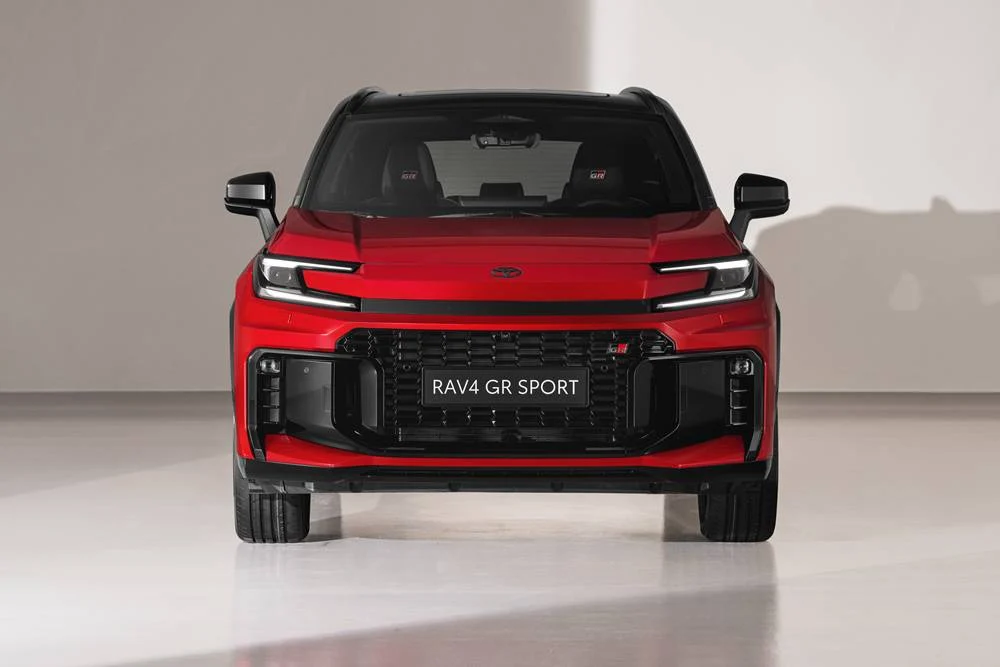
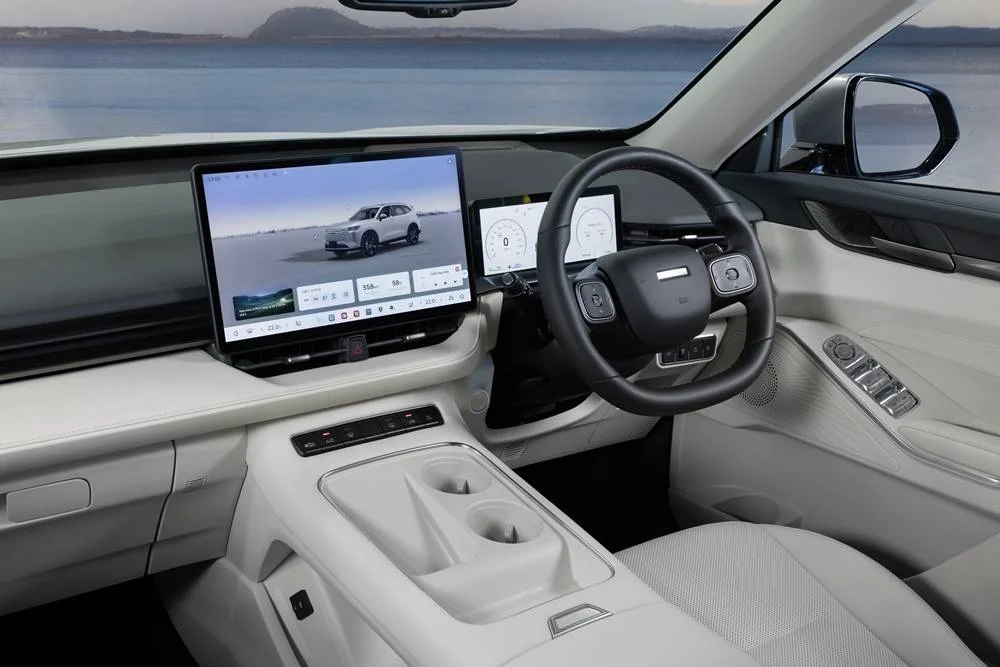

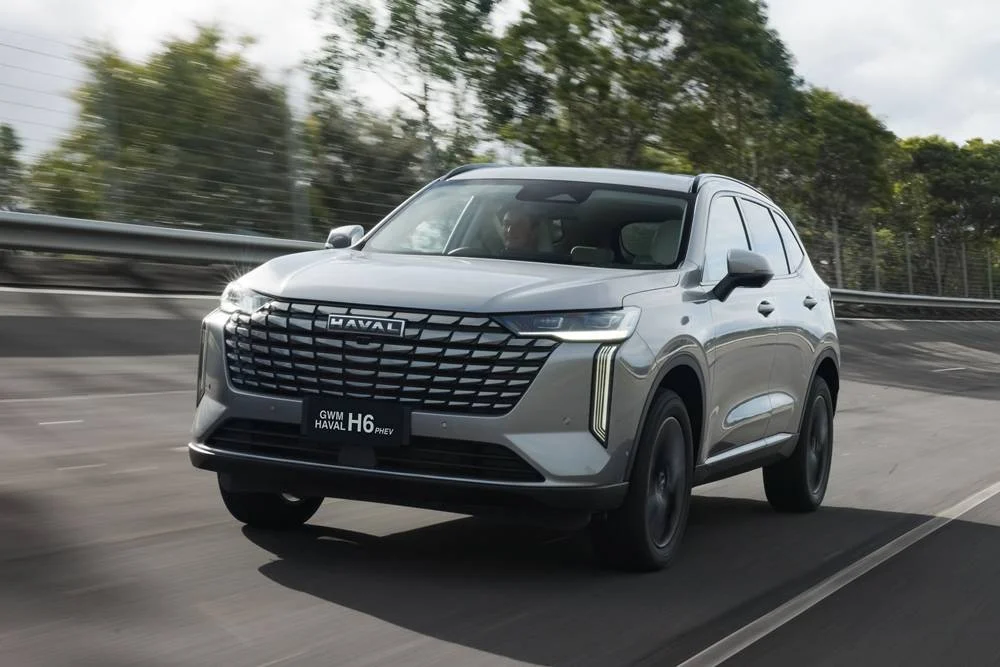
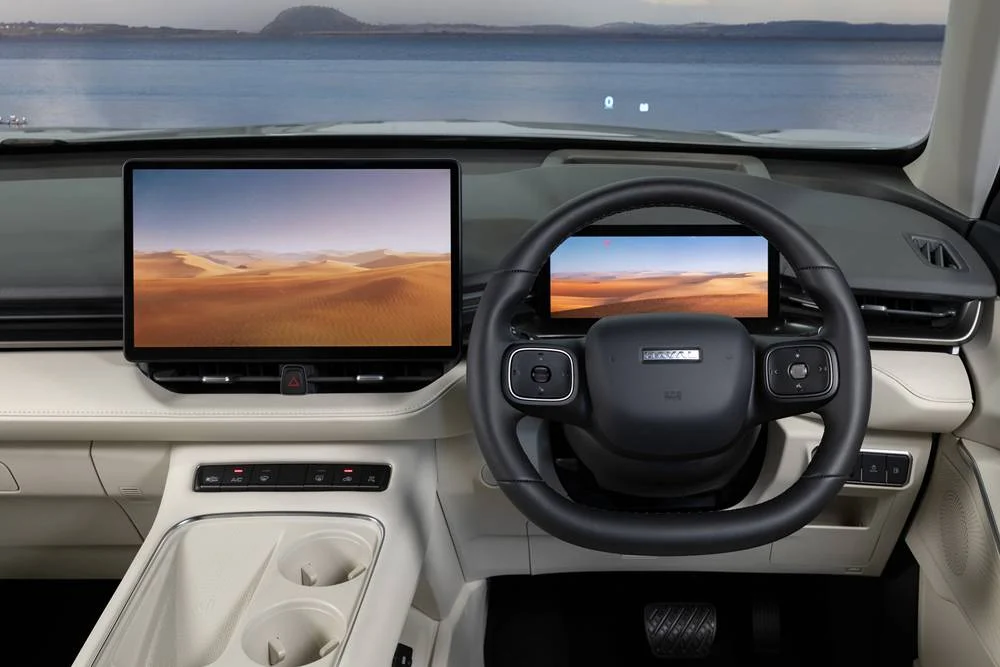



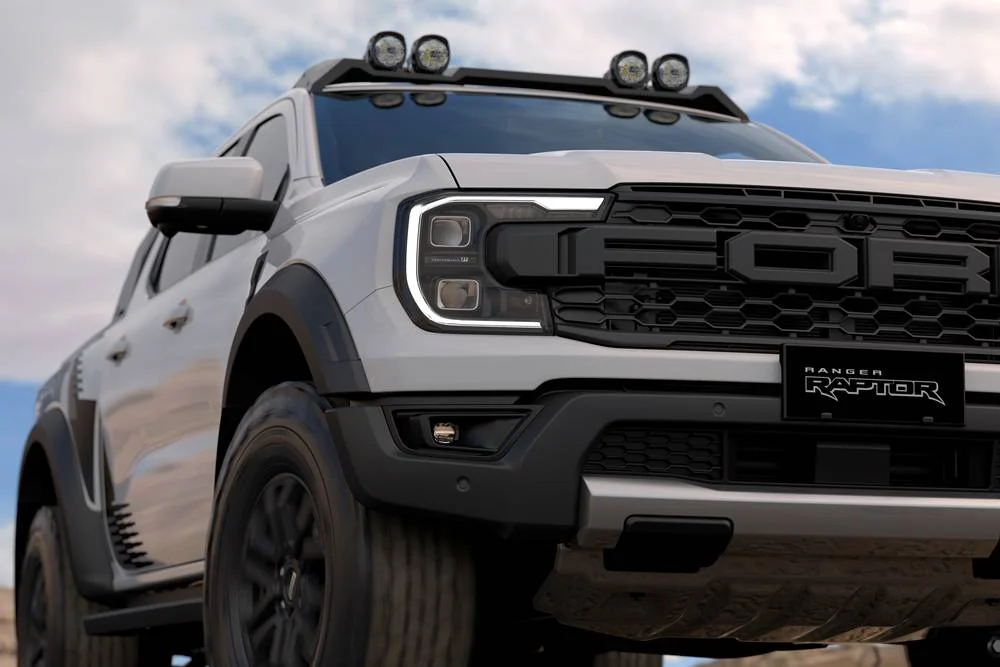

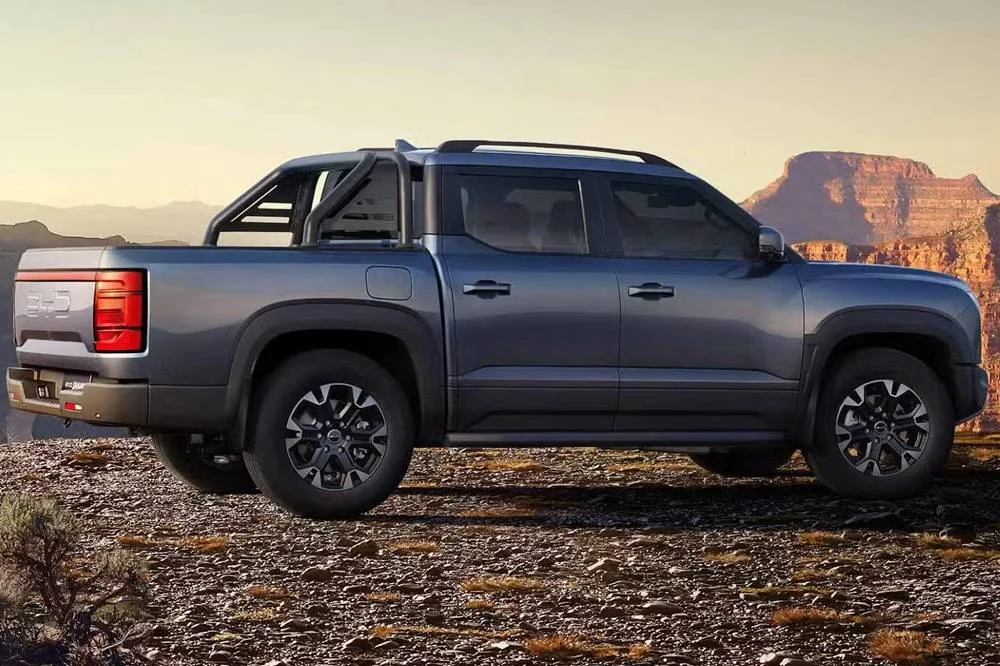
ABOVE: Australian Auto Range Takes a FLOGGING from Value Chinese Brands
Biggest Losers
We are watching the internal combustion engine die a death by a thousand cuts. Despite the kicking and screaming of some, pure petrol vehicle sales took a dive this month, with passenger petrol down 15.8% and SUV petrol down 12.9%. That is not a stumble, that is epic rejection. Australians are voting with their wallets, and they are voting for plugs. Plug-in hybrids are the current weapon of choice, with sales exploding by 170.5% to hit 5,161 units. Battery electric vehicles are also flexing hard with 7,314 total sales, accounting for 8.4% of the total market. The transition is no longer coming, the tsunami is already washing across the landscape, drowning anything not able to paddle fast enough.
The casualty in this war is Toyota. The Japanese giant is usually untouchable at the top of the charts, but January was an absolute bloodbath. Toyota moved 14,310 vehicles. That sounds like a lot until you realise they moved 18,424 in the same month last year. That is a 22.3% collapse. They lost over four thousand sales in a single month. The pain was spread right across the showroom floor. The RAV4 is normally a licence to print money, but its sales fell off a cliff with a 65.4% drop. Is it merely buyers waiting for the new model, or is it buyers looking for better value? The barely adequate all new Prado is struggling to fill the shoes of the old one, with volume down 51.1%. Even the Hilux took a 15.2% hit. Remember what we said about Shark 6 and Tiggo 4?
It was a grim month for the rest of the old guard too. Nissan had a shocker with sales plummeting 38.4%. Their X-Trail dropped 34.2%, and the Qashqai volume evaporated with a 65.6% decline. Mitsubishi fared little better with a 23.5% drop. The ageing ASX was dumped after 14 years, but the Renault replacement is expensive, terrible to drive, and short on features, leaving the model on life support with sales crashing 90.9%. The much ignored Eclipse Cross followed it down the gurgler with a 93.6% dive. Even Mazda took a 7.6% hit despite holding onto second place on the ladder. Both Toyota and Mazda have tried to move upmarket, abandoning the segments which made them great, and serves them right.
The Electric Pivot
The era of the simple petrol engine is ending in Australia. Pure petrol sales fell by 14% this month, while the electrified alternatives are eating their lunch. Battery Electric Vehicles are now a serious force, moving 7,314 units, excluding Tesla and Polestar, to take an 8.4% market share. However, the real story is the explosion of Plug-in Hybrids, which surged by 170.5% to reach 5,161 sales. Even the standard Hybrids are holding their ground, representing 17.4% of all sales in January. Australians are no longer dipping their toes into electrification, they are taking it by the balls, driven by better range and the aggressive arrival of superior tech-heavy models from China.
VW Group Performance
The Volkswagen Group had a mixed start to the year, but the topline was mostly red. The flagship Volkswagen brand suffered an 18.5% decline, moving 1,886 units compared to 2,314 last year. Audi also felt the pinch, dropping 15.6% with 856 sales. Porsche was the outlier in the group, recording a 15.2% dip in total brand sales despite that surge in 911 interest. Skoda managed a small 4.0% gain with 342 sales, and Cupra stayed in the green with 200 sales, up 7.0%. Bentley also saw growth from a low base, jumping 140% to 12 units. VW will never see top 10 again.
What the Trends Mean
This January report is a warning shot. The stability of the total number is a lie. We are witnessing a fundamental shift in what Australians drive and where those cars come from. The Japanese dominance has evaporated, and its continued recalcitrance on EVs is leaving the land of the Rising Star behind. The petrol engine is fading. The Chinese manufacturers are here to win, and they are taking no prisoners with aggressive pricing slicing through the veins of the Yanks, the Japanese, the Europeans, and even the Koreans.
The rental market is the one bright spot keeping the total volume respectable. Rental sales for passenger cars doubled with a 99.9% increase. SUV rental fleets grew by 37.3%. This suggests the tourism sector is restocking, but it also masks the softness in private demand. Another Covid would soon wipe that out, but it is political instability that has driven a dagger through confidence. Old allies are now foes, yes, you, USA.
Private buyers actually bought fewer cars than last year, with a 0.5% drop in passenger sales and a 0.6% drop in SUVs. Private buyers have become more price sensitive as rents and mortgages climb.
The ute market is usually the stronghold of Australian sales, but even the big trucks are feeling the heat. The Ford Ranger held onto the number one spot with 3,403 sales, but that is 20% lower than last year. The Hilux dropped 15.2%, and the Isuzu D-Max fell 13.8%. This softness in the light commercial segment suggests the tradie boom might be cooling or shifting toward cheaper alternatives like the GWM Cannon, which saw its 4×4 sales surge 400% off a low base. Toyota and the other legacy brands need to wake up fast because loyalty is dead and value is king.
Top Models and Brands
Top 20 Models
|
Rank |
Model |
Origin |
Sales |
|
1 |
Ford Ranger |
Thailand |
3,403 |
|
2 |
Toyota Hilux |
Thailand |
2,800 |
|
3 |
Mazda CX-5 |
Japan |
2,289 |
|
4 |
Chery Tiggo 4 Pro |
China |
2,234 |
|
5 |
Mitsubishi Outlander |
Japan |
1,975 |
|
6 |
Ford Everest |
Thailand |
1,913 |
|
7 |
Hyundai Kona |
South Korea |
1,839 |
|
8 |
Isuzu Ute D-Max |
Thailand |
1,798 |
|
9 |
GWM Haval Jolion |
China |
1,789 |
|
10 |
Toyota RAV4 |
Japan |
1,757 |
|
11 |
Toyota Corolla |
Japan |
1,735 |
|
12 |
Hyundai Tucson |
South Korea |
1,729 |
|
13 |
Mitsubishi Triton |
Thailand |
1,665 |
|
14 |
Toyota Prado |
Japan |
1,392 |
|
15 |
Kia Carnival |
South Korea |
1,321 |
|
16 |
MG ZS |
China |
1,267 |
|
17 |
Kia Sportage |
South Korea |
1,265 |
|
18 |
Mazda CX-3 |
Japan |
1,218 |
|
19 |
BYD Sealion 7 |
China |
1,171 |
|
20 |
Isuzu Ute MU-X |
Thailand |
1,131 |
Top 20 Brands
|
Rank |
Brand |
Origin |
Sales |
|
1 |
Toyota |
Japan |
14,310 |
|
2 |
Mazda |
Japan |
7,692 |
|
3 |
Kia |
South Korea |
6,600 |
|
4 |
Ford |
USA |
6,116 |
|
5 |
Hyundai |
South Korea |
5,856 |
|
6 |
BYD |
China |
5,001 |
|
7 |
GWM |
China |
4,509 |
|
8 |
Mitsubishi |
Japan |
4,347 |
|
9 |
Chery |
China |
3,780 |
|
10 |
MG |
China |
3,123 |
|
11 |
Isuzu Ute |
Japan |
2,929 |
|
12 |
Subaru |
Japan |
2,336 |
|
13 |
BMW |
Germany |
2,154 |
|
14 |
Volkswagen |
Germany |
1,886 |
|
15 |
Nissan |
Japan |
1,871 |
|
16 |
Mercedes-Benz Cars |
Germany |
1,794 |
|
17 |
Honda |
Japan |
1,222 |
|
18 |
LDV |
China |
960 |
|
19 |
Suzuki |
Japan |
908 |
|
20 |
Audi |
Germany |
856 |
Other GayCarBoys Toyota Stories:
- Sexy Men Drive 2021 Toyota Yaris Cross
- Toyota Landcruiser VX: King of the Load
- LandCruiser Sahara: Your limo to the wild awaits.
- 2019 Toyota Hilux Rugged X Review, Road Test, and video.
- 2020 Toyota Corolla Hybrid Sedan – Body in the Boot
- 2020 Toyota Corolla and its Gadgets are great
- 2019 Toyota Corolla Video Launch Review Gaycarboys
- 2019 Toyota Corolla hatch Driven at Launch Review
- 2019 Toyota Corolla Hatch Specifications
- 2018 Toyota Corolla ZR Review
- 2019 Toyota Corolla hatch Driven at Launch Review

Alan Zurvas is the founder and editor of Gay Car Boys, Australia's leading LGBTQI+ automotive publication. Before launching GCB in 2008, Alan's automotive writing was published in SameSame.com.au and the Star Observer. With over 16 years of hands-on car reviewing experience, Alan brings an honest, irreverent voice to every review — championing value and innovation over brand loyalty.
Leave a Reply