
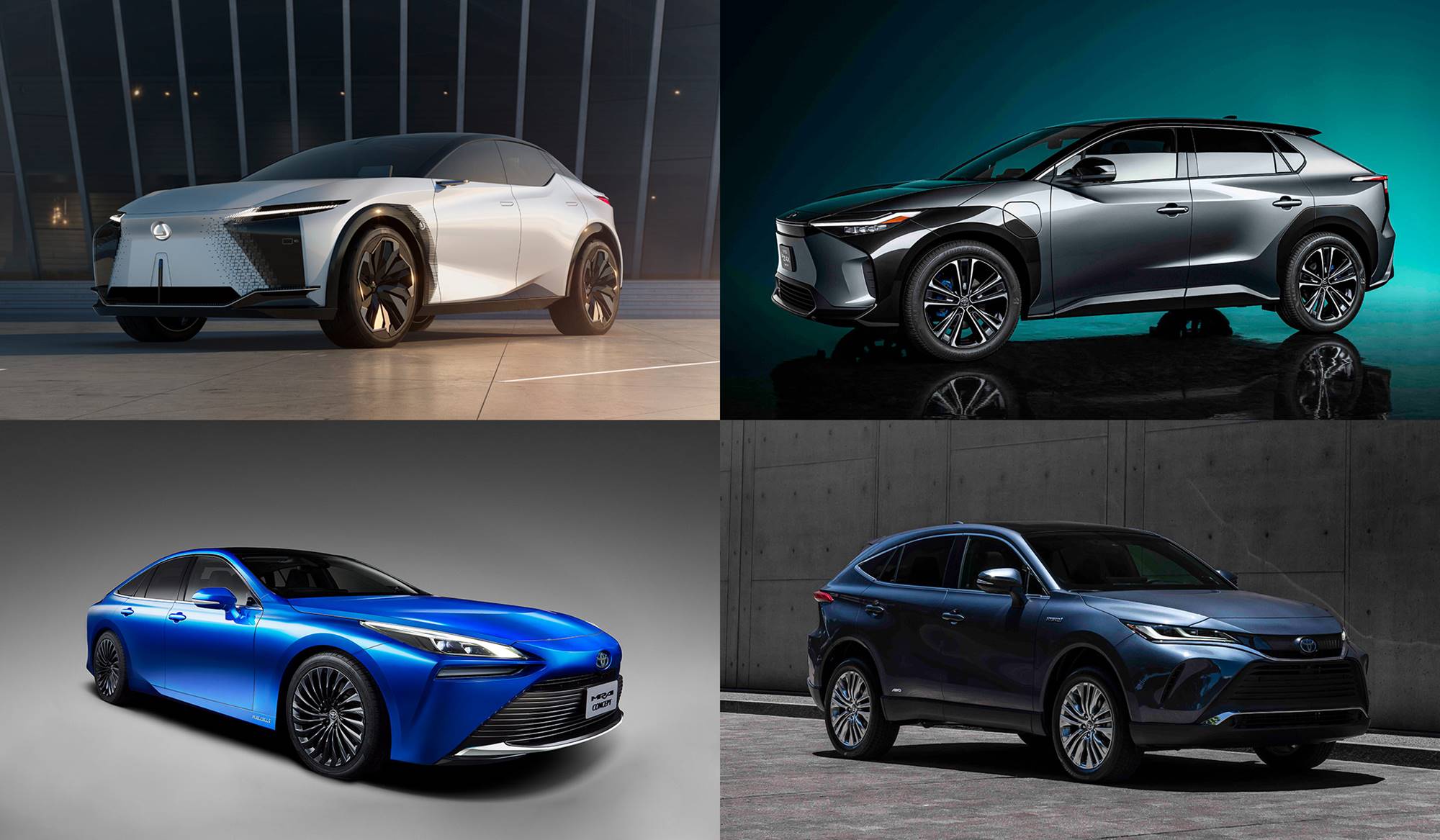
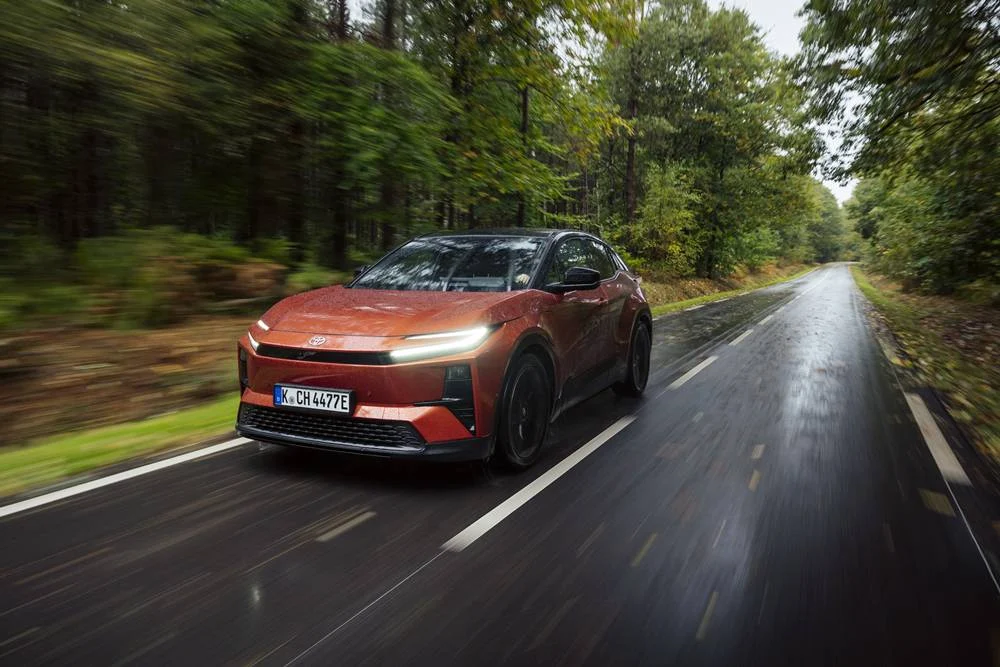
Toyota has committed to an electrified future by announcing battery electric vehicles (BEVs) will be a key part of its range. Lexus unveiled the LF-Z earlier in the year. It was a look at the future of the luxury segment. Shortly after, Toyota revealed the bZ4X concept, an electric SUV for the 2022 season.
Other GayCarBoys EV Stories:
- We drive 2019 Jaguar I-Pace SE EV400 Electric car
- 2019 Jaguar I-Pace SE EV400 Driven and rated in GALSTON GORGE Australia Video Review
- Nissan LEAF 2019: All New EV Powers Your Home VIDEO REVIEW
- Hyundai’s 2019 Electric Ioniq: The cheapest EV In Australia?
- New Nissan Leaf Could Power Your Home for a Week
- Tesla Model 3 Colors and Price
- Charging My tesla Model 3
- Tesla Model 3 Full Review Inside, outisde, and Roadtest
- Mini Cooper SE electric
- Karma Starts E-Flex Prototype Testing
- Is Karma Automotive’s New E-Flex Platform a Game Changer
Toyota expects electric models will be 15% of its U.S. sales by 2030.
LGBTI buyers have been particuarly keen to take up the new technology, not only because help helps the environment, but because an EV is the latest and greatest hi-tech gadget.
Above: This Week 2021 Peugeot 5008 Review

Help Support Gay Car Boys Subscribe to our Youtube Channel
- Top GayCarBoys Stories:
- Sexy Men Drive 2021 Toyota Yaris Cross
- 10 Sexiest MotoGP Motorcycle Riders
- DON’T Drive YOUR CAR until you’ve Checked if your AIRBAG will KILL YOU
- 10 Hottest Racing Drivers
- Top 12 Best Gay Lesbian LGBTI Luxury Cars
- Top 10 Gay Lesbian LGBT Cars
- Top 10 Gay Lesbian LGBT Sports Cars
- Top 15 gay and lesbian LGBT SUVs
- Talented Twinks – Callum Ilott Virtually Races Arthur Leclerc
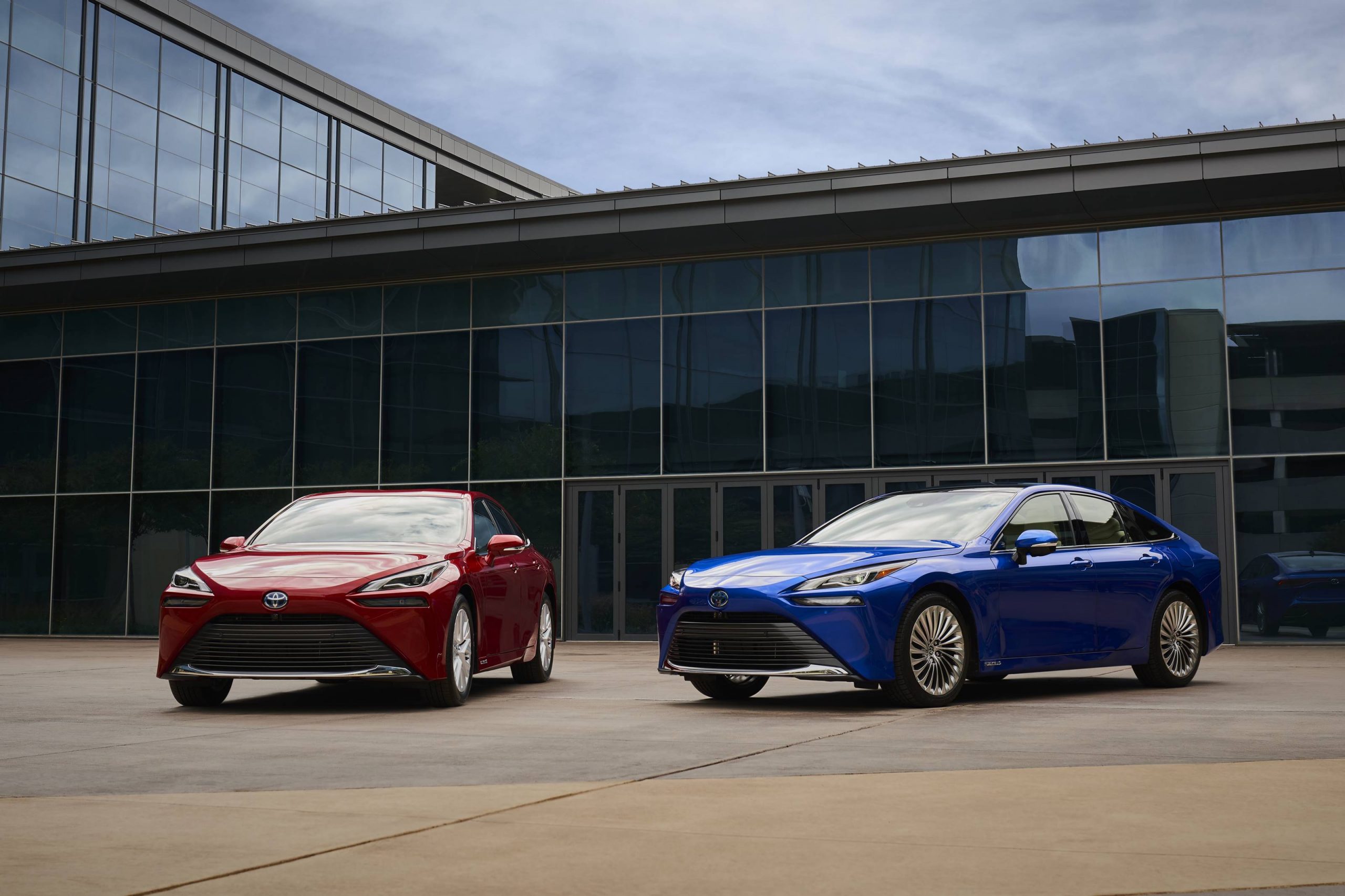
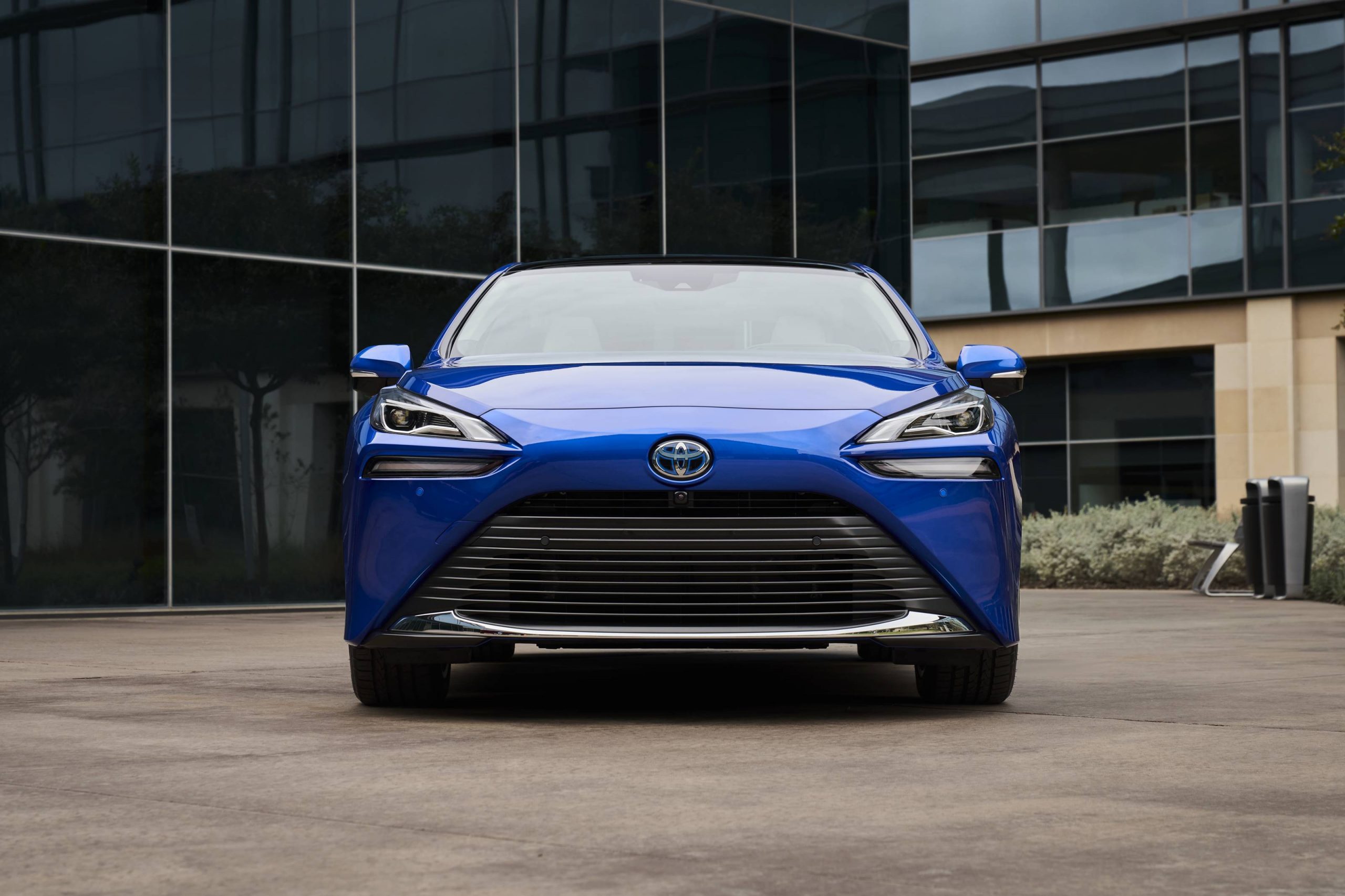
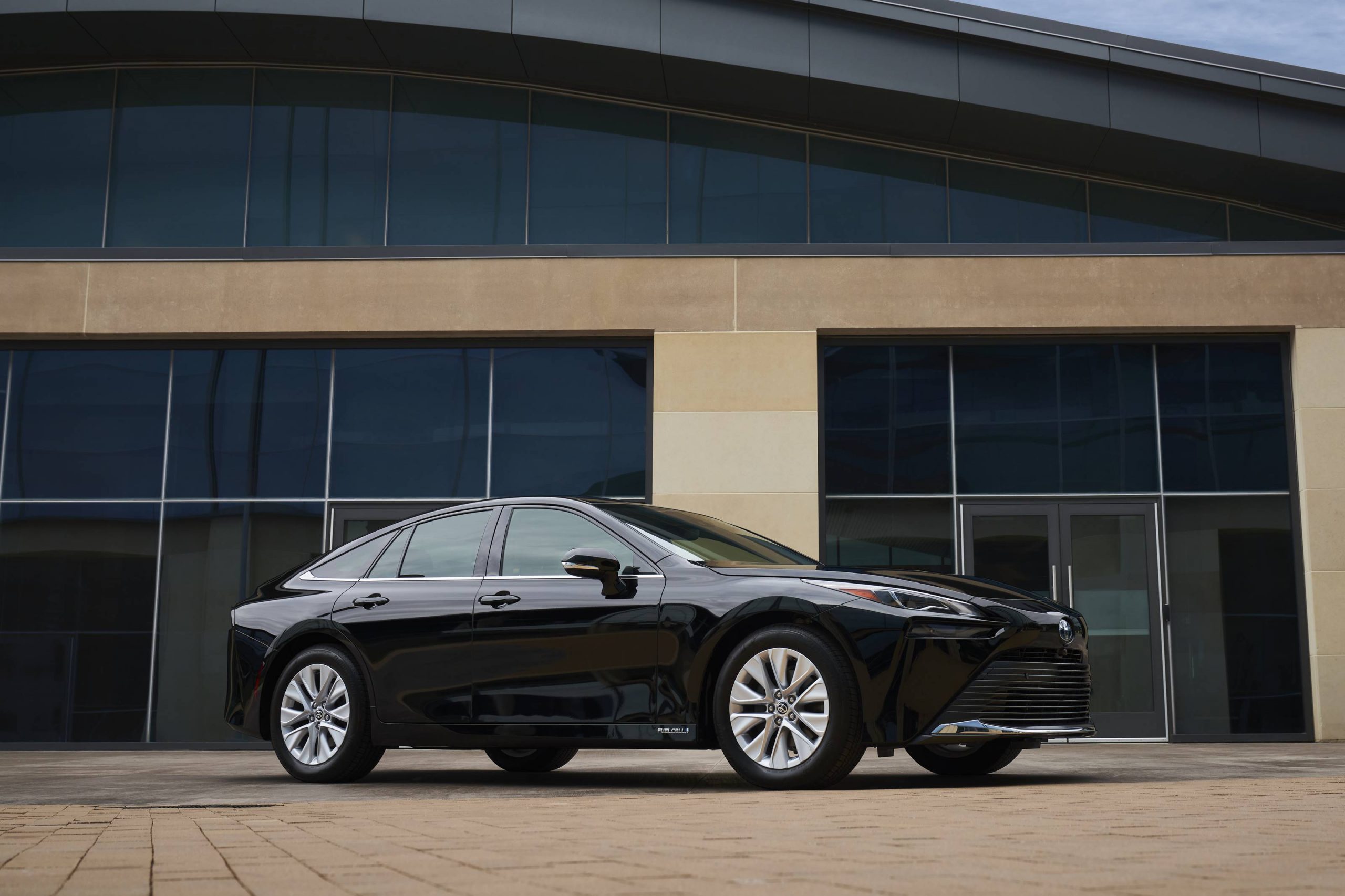
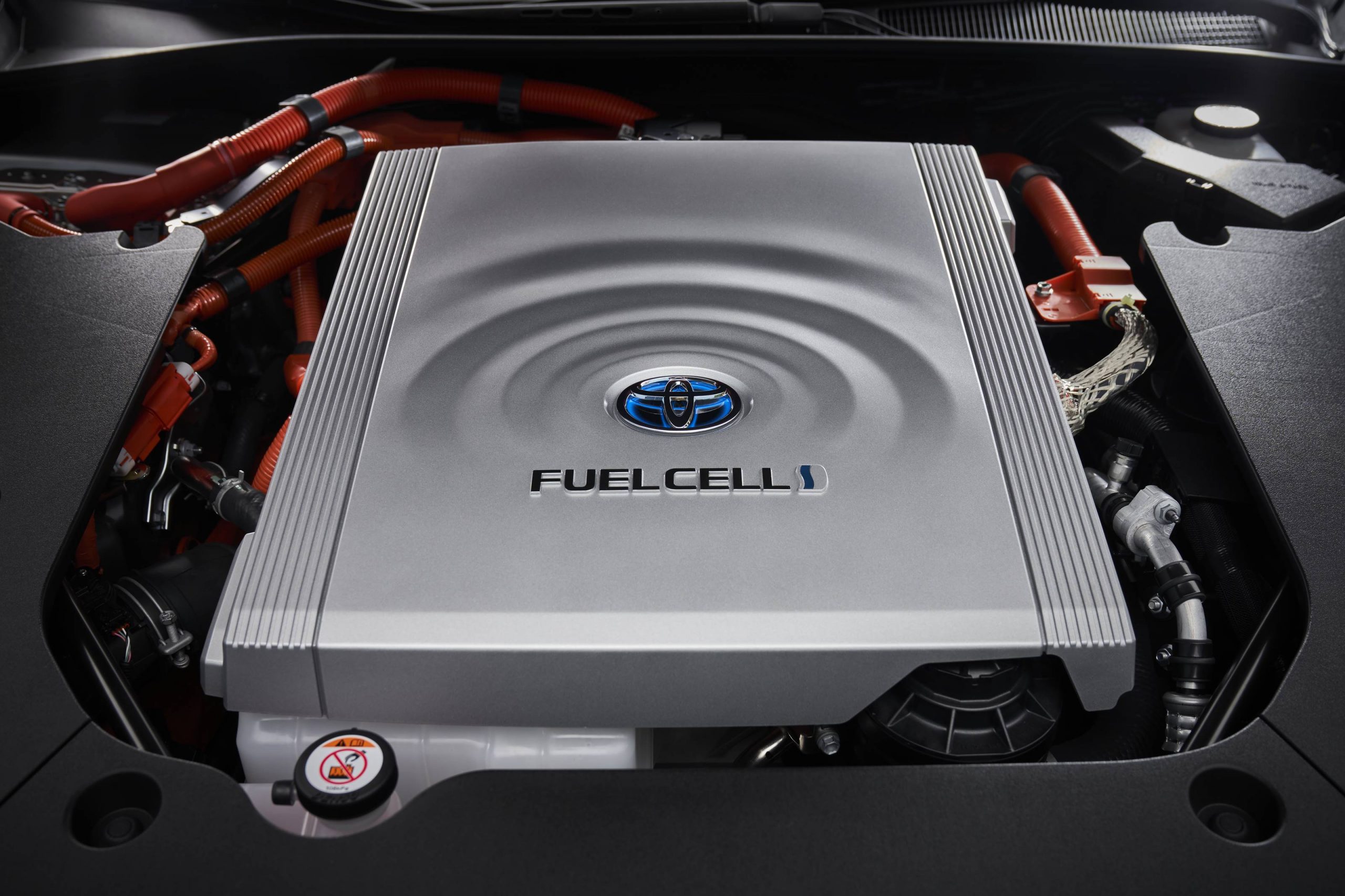
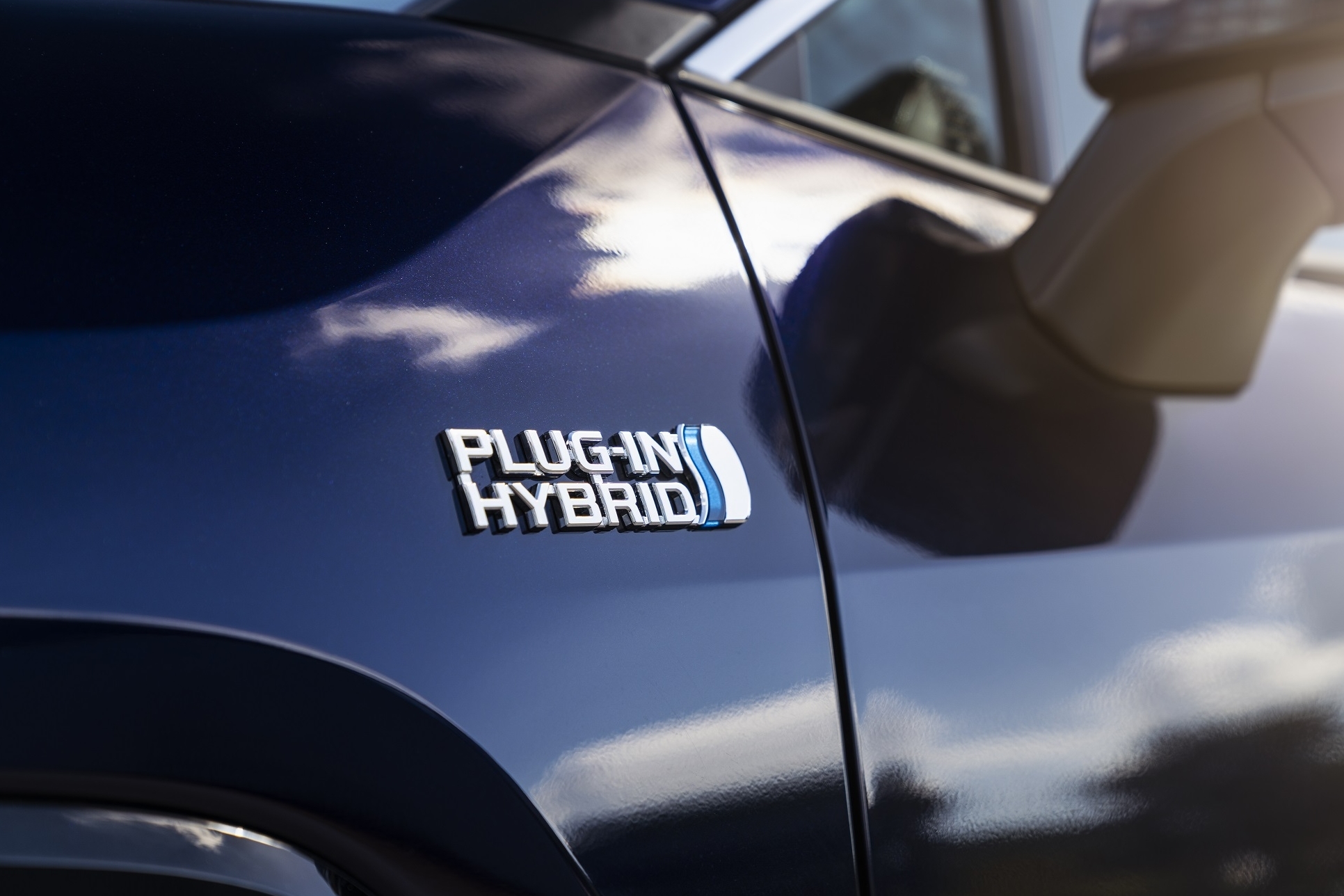
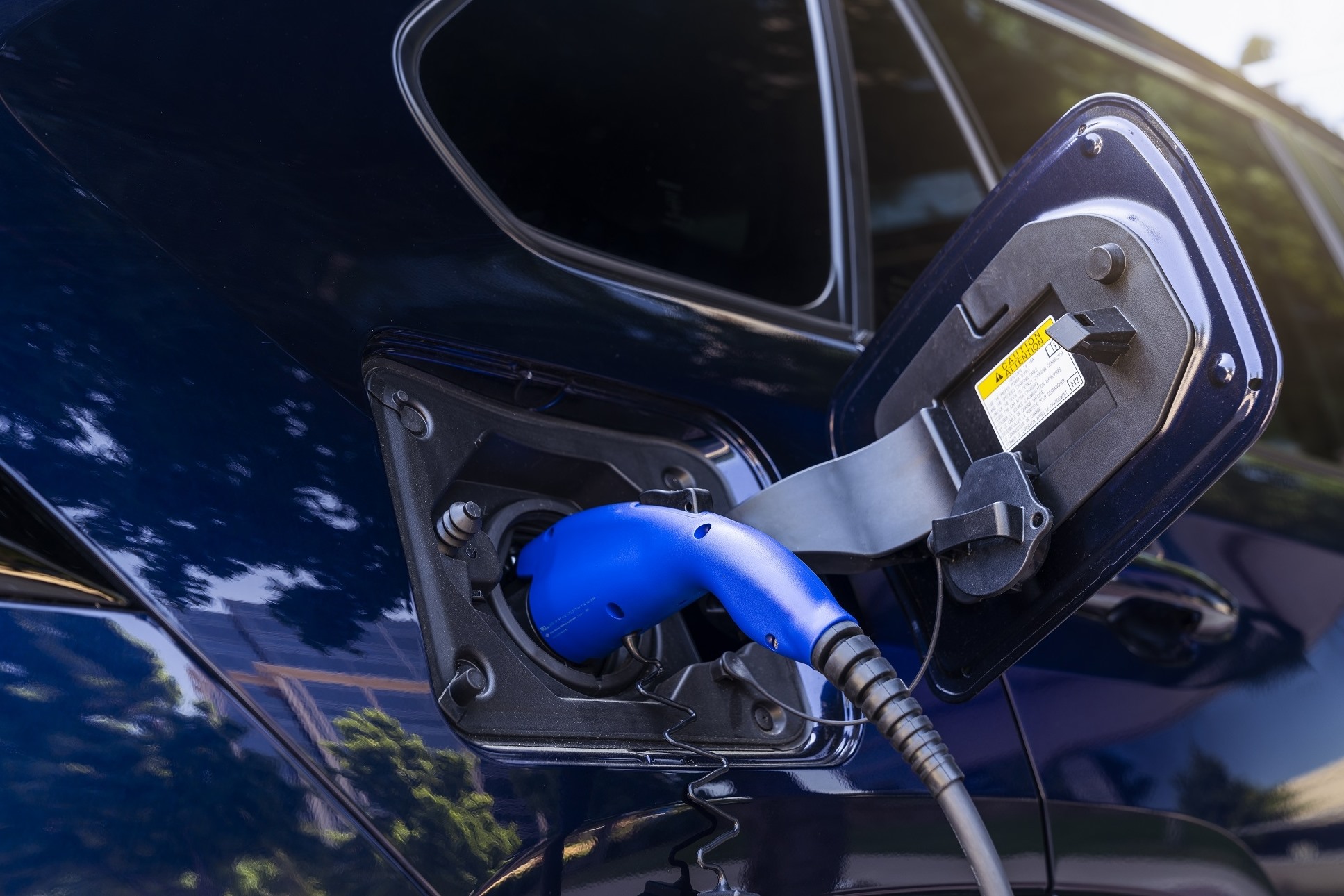
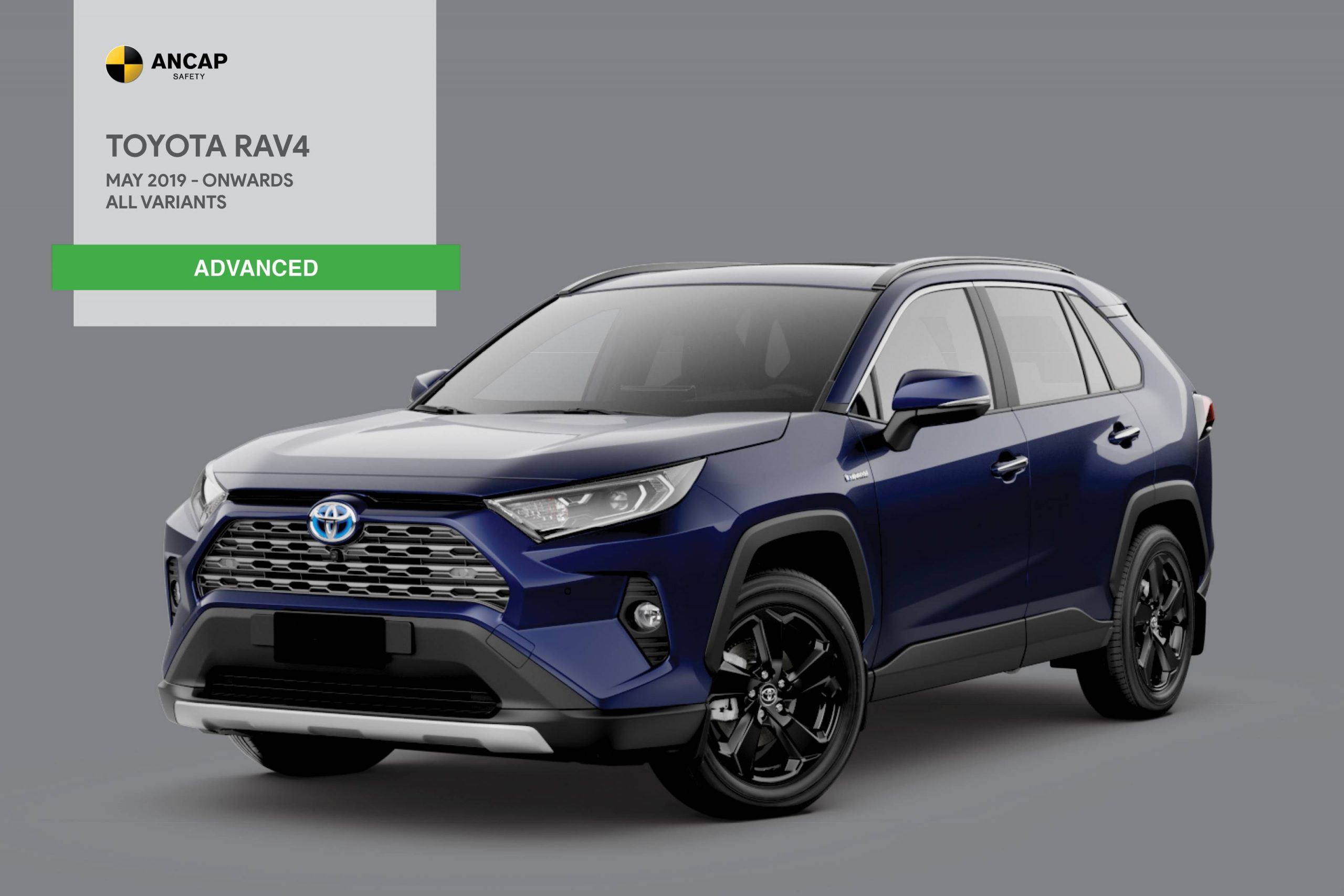

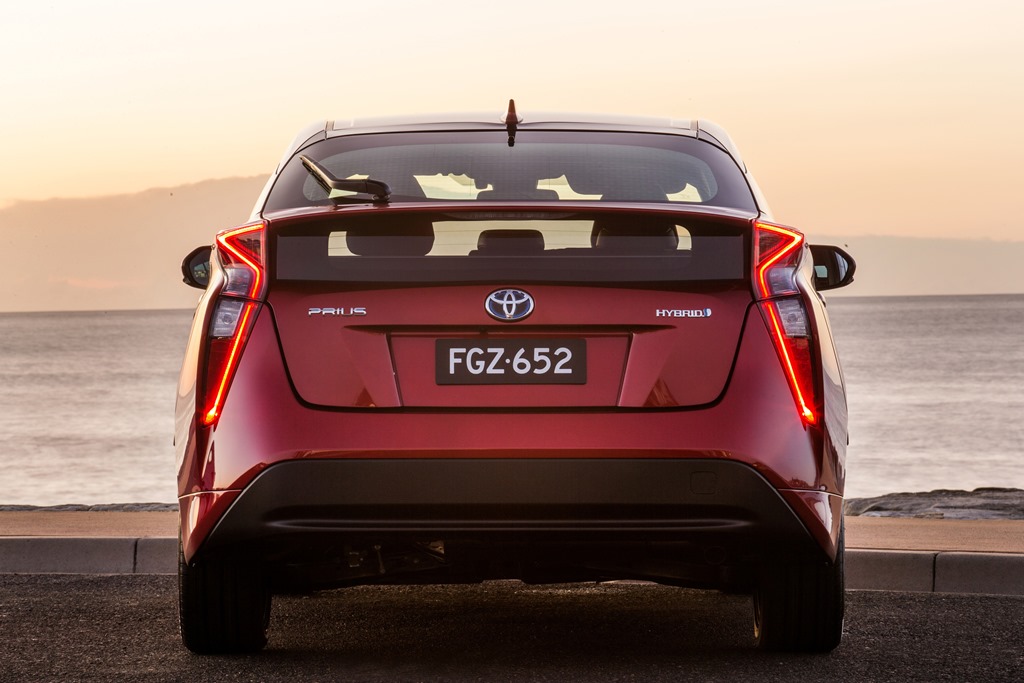
ABOVE: Toyota Hybrid and FCEV models
Toyota will continue hybrids and plug-in hybrids, such as Corolla Hybrid, so that these and the EVs will make 70% of the Toyota/Lexus sales by 2030. Toyota expects to sell approximately 8 million electrified vehicles worldwide by 2030. 2 million of those will be will be BEVs and FCEVs.
“For over 30 years, Toyota has been innovating and investing in technology to reduce vehicle emissions and achieve carbon reductions,” said Chris Reynolds, chief administrative officer, Toyota Motor North America. ”And, although some people believe concentrating resources on one possible solution will achieve the goal more quickly, we believe investing in many different solutions will actually be a faster way to achieve carbon neutrality around the world.”
Toyota claims it has had more electrified vehicles than all automakers combined. It started in 1997 with the first generation electric RAV4-EV, followed by Prius, a petrol-electric hybrid. In 2015, Toyota launched its first emissions-free, FCEV (fuel Cell Electric Vehicle), the Mirai.
Toyota has since added hybrid electric powertrains to money models, so there are now 17 electric models include HEVs, PHEVs, and FCEV. Toyota says there are more on the way.
Toyota’s hybrid models have saved 139 million tons of greenhouse-gas emissions worldwide–76 million tons in the U.S. To this end, the environmental impact of HEVs, PHEVs and FCEVs has been profound.
Toyota believes consumer choice of alternative powertrains can help transition to an all-electric future. Toyota is pushing a substantial carbon reduction every year until the recharging infrastructure and costs of BEVs make them an attractive, affordable choice for all consumers everywhere.
Toyota will push to solve charging cost issues by perusing policymakers to regulate, and to encourage consumers toward a carbon neutral world.
Discover more from Gay Car Boys
Subscribe to get the latest posts sent to your email.














Leave a Reply