New Electric Motor Could Revolutionise EV ownership
A UNSW team have built a new type of high speed electric motor which could extend the range of current EVs.
The prototype IPMSM had its designers seeking inspiration from a railroad bridge in South Korea. Speeds of up to 100,000 RPM is far in excess of that which is used in the current generations of EVs. This research has been going on for some time, but this new motor more than double the current he existing high-speed record of laminated IPMSMs (Interior Permanent Magnet Synchronous Motor). It is the fastest ever built with commercialised lamination materials.
It has a very high power density providing advantages such as lower weight, increased range, all while using fewer rare-earth material.
The new technology, developed by a team headed by Associate Professor Rukmi Dutta and Dr Guoyu Chu from the UNSW School of Electrical Engineering and Telecommunications, is an improvement on existing IPMSMs, which are predominantly used in traction drive of electric vehicles.
The IPMSM motor has magnets in its rotors, creating the strong torque needed for long distances. Current IPMSMs have low mechanical strength with their thin iron bridge rotors.
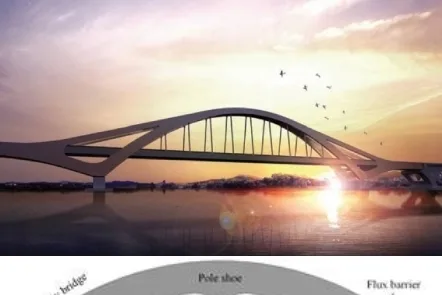
The Gyopo rail bridge, a double-tied arch structure in South Korea, gave the designers an idea, resulting in a more robust design.
And the motor’s impressive power density potentially offers improved performance for electric vehicles where weight is extremely important.
“One of the trends for electric vehicles is for them to have motors which rotate at higher speeds,” says Dr Chu.
Video Review: 2023 Nissan Pathfinder VIDEO REVIEW – What We Liked & Not So Much
Video Review: All-New Nissan X-Trail, Better in Almost Every Way. review
Help Support Gay Car Boys Subscribe to our Youtube Channel
- Top GayCarBoys Stories:
- Sexy Men Drive 2021 Toyota Yaris Cross
- 10 Sexiest MotoGP Motorcycle Riders
- DON’T Drive YOUR CAR until you’ve Checked if your AIRBAG will KILL YOU
- 10 Hottest Racing Drivers
- Top 12 Best Gay Lesbian LGBTI Luxury Cars
- Top 10 Gay Lesbian LGBT Cars
- Top 10 Gay Lesbian LGBT Sports Cars
- Top 15 gay and lesbian LGBT SUVs
- Talented Twinks – Callum Ilott Virtually Races Arthur Leclerc


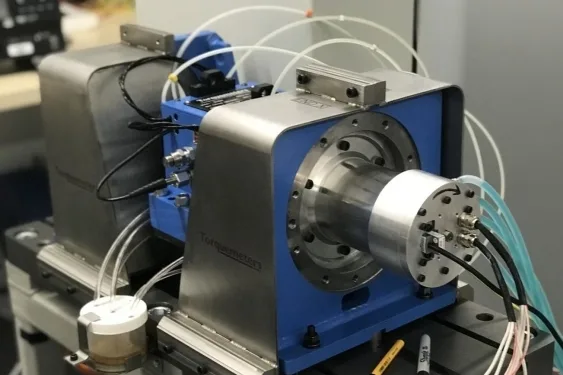

ABOVE: IPMSM electric motor – UNSW – Photo by Dr Guoyu Chu
“Every EV manufacturer is trying to develop high-speed motors and the reason is that the nature of the law of physics then allows you to shrink the size of that machine. And with a smaller machine, it weighs less and consumes less energy and therefore that gives the vehicle a longer range.
“With this research project we have tried to achieve the absolute maximum speed, and we have recorded over 100,000 revolutions per minute and the peak power density is around 7kW per kilogram.
“For an electric vehicle motor we would actually reduce the speed somewhat, but that also increases its power. We can scale and optimise to provide power and speed in a given range – for example, a 200kW motor with a maximum speed of around 18,000 rpm that perfectly suits EV applications.
“If an electric vehicle manufacturer, like Tesla, wanted to use this motor then I believe it would only take around six to 12 months to modify it based on their specifications.
“We have our own machine design software package where we can input the requirements of speed, or power density and run the system for a couple of weeks and it gives us the optimum design that satisfies those needs.”
The motors are not limited to EVs. In fact, anything with an electric motor could benefit. HVAC systems, those inside aircraft, CNC machines and many other applications would see a huge cost advantage.
This rotor negates the need for expensive sleeves made of carbon fibre or titanium. It uses 30% of the rare earth materials such as neodymium, much of which is recoverable and recyclable.

Alan Zurvas is the founder and editor of Gay Car Boys, Australia's leading LGBTQI+ automotive publication. Before launching GCB in 2008, Alan's automotive writing was published in SameSame.com.au and the Star Observer. With over 16 years of hands-on car reviewing experience, Alan brings an honest, irreverent voice to every review — championing value and innovation over brand loyalty.
Leave a Reply