The New Solid State Car (SSB) Battery Could be Cheaper and fully Charge in 5 Minutes.
Conventional Lithium-ion batteries have, until now, been one of the very few choices for the electric cars. As electrification becomes the norm, the number and type of vehicles using these batteries will soar.
Conventional Lithium-ion batteries degrade with the number or charge cycles. These batteries are used in EVs and in home storage solutions. EVs need fast charging and long life, while home batteries, in an effort to lower power prices, have a longer cycle and thus a longer life.
Solid-state batteries (SSBs) can provide a solution with many advantages, price and lifespan among them.
It doesn’t stop there. There are even more important advantages. Lithium-ion technology currently use a liquid which allows the lithium ions to flow when in use, either charging, or discharging while driving the car. This liquid is highly toxic, and can be spilt should the unit be compromised.
Video Review: 2023 Nissan Pathfinder VIDEO REVIEW – What We Liked & Not So Much
Video Review: All-New Nissan X-Trail, Better in Almost Every Way. review
Help Support Gay Car Boys Subscribe to our Youtube Channel
- Top GayCarBoys Stories:
- Sexy Men Drive 2021 Toyota Yaris Cross
- 10 Sexiest MotoGP Motorcycle Riders
- DON’T Drive YOUR CAR until you’ve Checked if your AIRBAG will KILL YOU
- 10 Hottest Racing Drivers
- Top 12 Best Gay Lesbian LGBTI Luxury Cars
- Top 10 Gay Lesbian LGBT Cars
- Top 10 Gay Lesbian LGBT Sports Cars
- Top 15 gay and lesbian LGBT SUVs
- Talented Twinks – Callum Ilott Virtually Races Arthur Leclerc


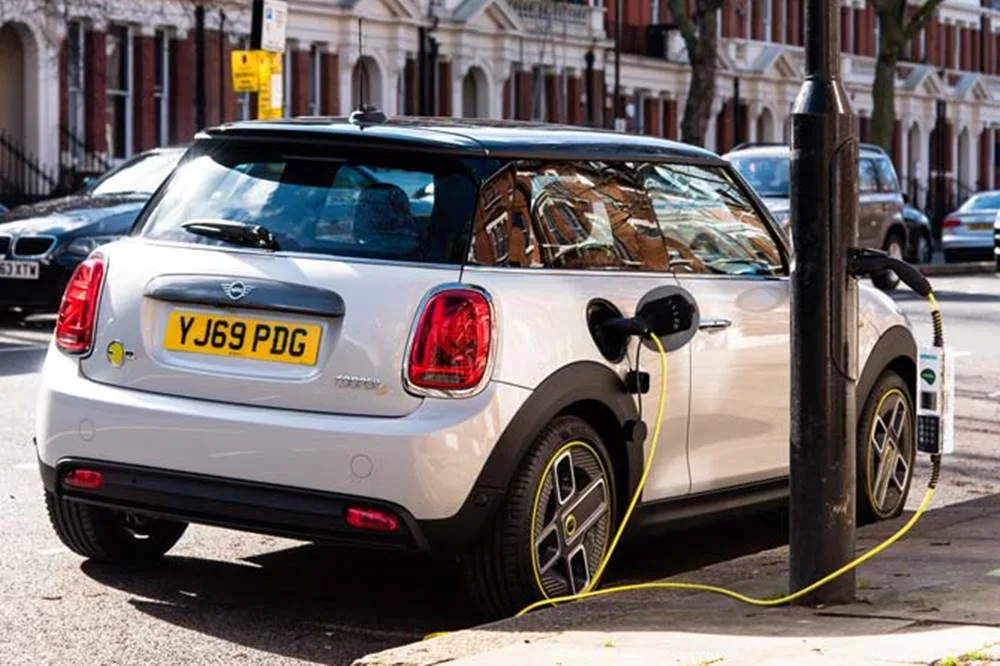
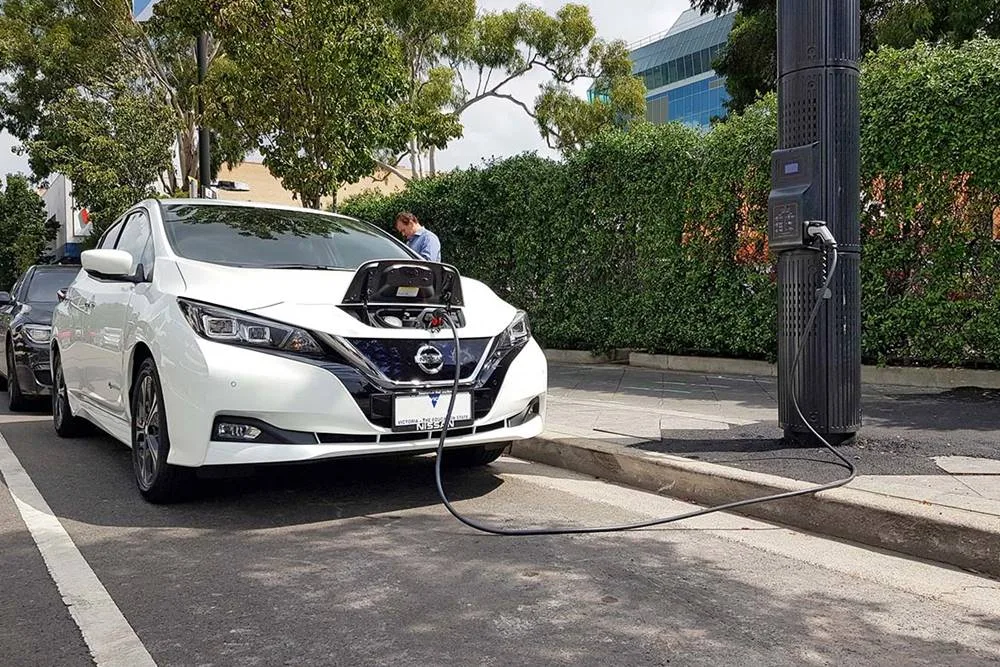
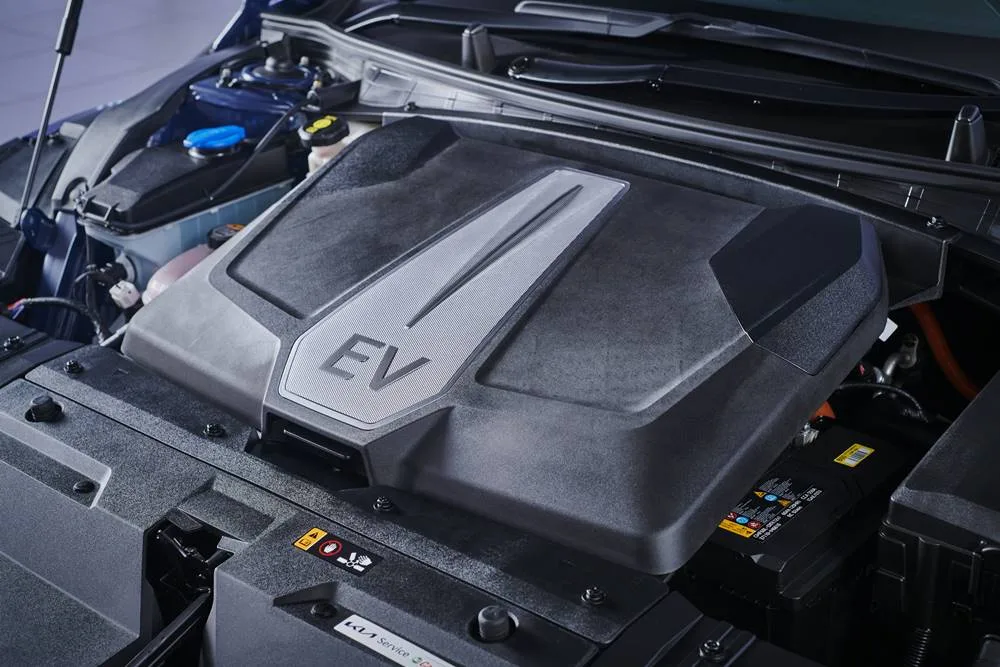

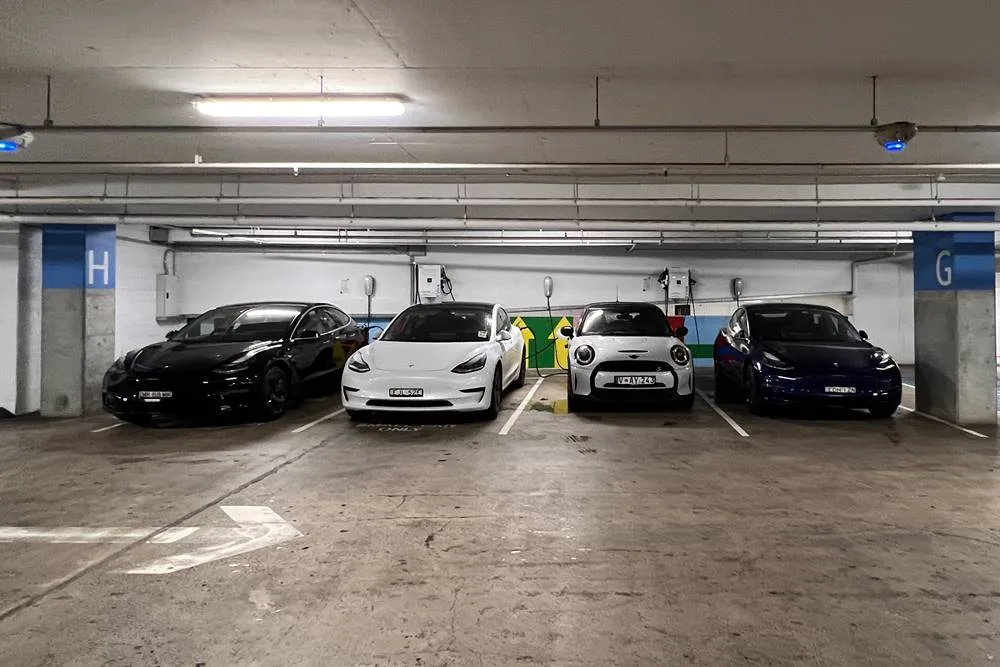
ABOVE: EVs using Lithium-ion Batteries
Solid-state batteries (SSBs) do not have this liquid, but have, until now, not been sufficiently durable. Continued cycles damaged the crystalline structure of the electrode, rendering the battery ineffective.
Professor Naoaki Yabuuchi of Yokohama National University, Japan, leads a team of scientists doing work with a new type of electrode material which remains stable during the repeated cycles necessary for EV ownership.
The SSB work was recently published in a paper co-authored by Associate Professor Neeraj Sharma from UNSW Sydney, Australia, and Dr. Takuhiro Miyuki from LIBTEC, Japan.
The SSB research uses Li8/7Ti2/7V4/7O2, a binary system composed of optimised portions of lithium titanate (Li2TiO3) and lithium vanadium dioxide (LiVO2). What makes this material different from the more conventional electrodes is that it does not use the liquid. The electrode does not expand and contract.
“When shrinkage and expansion are well balanced, dimensional stability is retained while the battery is charged or discharged, i.e. during cycling,” Prof. Yabuuchi says.
“We anticipate that a truly dimensionally invariable material – one that retains its volume upon electrochemical cycling – could be developed by further optimising the chemical composition of the electrolyte.”
To Round up:
The SSB work has many advantages. The batteries charge and discharge faster, are more stable, will last longer, and be cheaper, than those batteries currently in use. In fact, a full charge could take a mere 5 minutes, eliminating many of the current barriers to EV ownership.

Alan Zurvas is the founder and editor of Gay Car Boys, Australia's leading LGBTQI+ automotive publication. Before launching GCB in 2008, Alan's automotive writing was published in SameSame.com.au and the Star Observer. With over 16 years of hands-on car reviewing experience, Alan brings an honest, irreverent voice to every review — championing value and innovation over brand loyalty.
Leave a Reply