Volvo Google Gemini is rolling into cars with Google built in, but the fine print keeps the clever stuff firmly on the other side of the Pacific for now.
Volvo has decided the next person you argue with in traffic might be a large language model. Progress now means telling your car you want croissants, a warm family holiday, a late text in French, and calming music, then hoping the dashboard does not go off and compose a wellness itinerary in the style of a hostage note.
This could be useful, but only if you can rely on the results and so far Gemeni hasn’t able to do that, certainly not at home. Volvo says Google Gemini will start reaching eligible cars with Google built in, beginning with a first wave of customers in the United States before spreading across America and into other markets. Cars dating back to 2020 are in the mix, which is good news for owners want the future to arrive before the warranty runs out.
Volvo calls it a more natural way to interact with the car, which means fixed commands give way to intent, context, and follow-up questions, presumably if commented to data via cell reception. You should be able to ask for a stop on your route that sells croissants, then ask whether parking is easy, instead of barking at the screen like Basil Fawlty.
Above: 2026 Sealion 8 Premium a 359kw Beast
#BYDSealion8 #CarReview #PHEV #SUV #Australia

Help Support Gay Car Boys Subscribe to our YouTube Channel by SMASHING THE BUTTON ABOVE


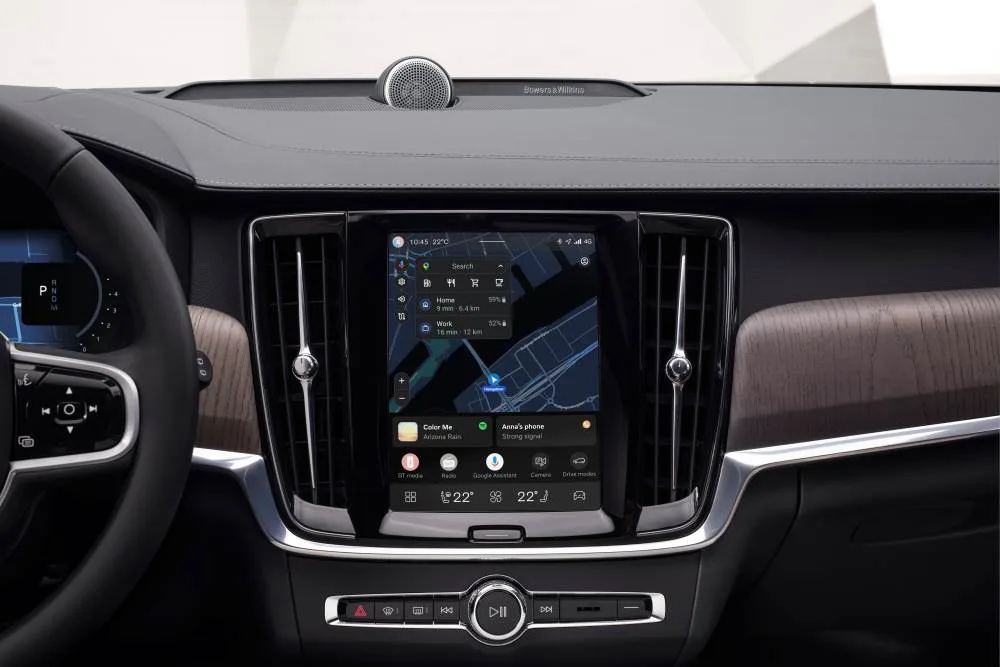
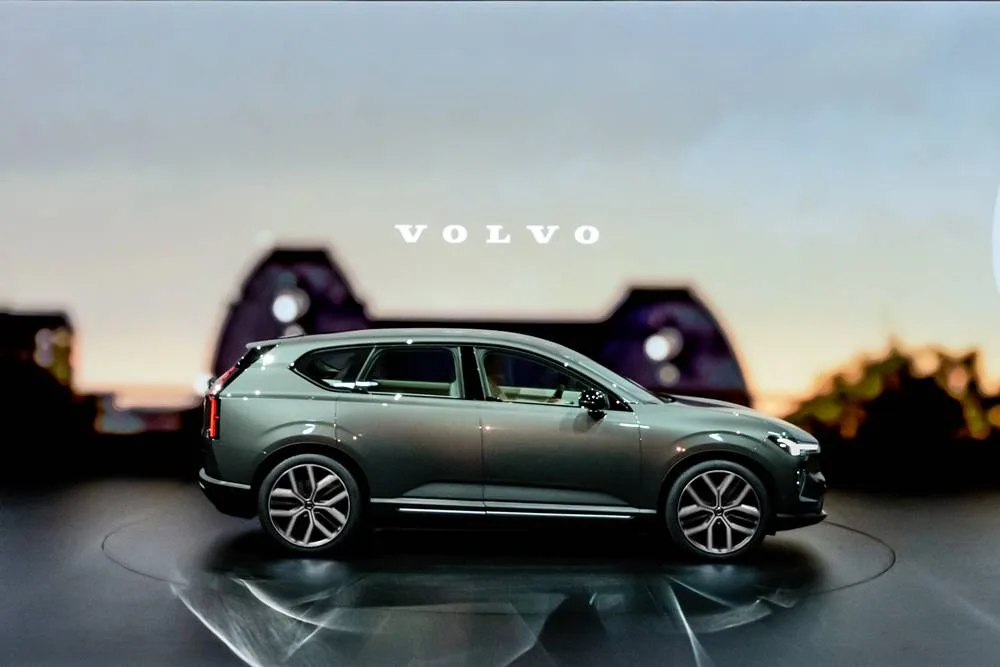


ABOVE: Volvou2019s Google built-in cars and software story
The Fine Print Still Bites
There is also message handling. Gemini can summarise incoming texts, send something more complex, translate it, and update the ETA without making you start again, which sounds lovely until your phone autocorrects one innocent word into a social disaster. Several polite Volvos somewhere in Connecticut may soon be sending very earnest French apologies while their owners sweat through summer seat heating.
The music side sounds less dramatic. Ask for something calming and Gemini should choose something from your streaming apps. That will either be soothing Scandinavian electronica or somethign classical. I’ve had success asking for either chillout, Zen, or meditation music using the existing Google assistant.
Volvo has a stronger claim than most car makers because it has been welded to Google’s car software for years. In 2025, Google selected Volvo as a lead development partner for new in-car features and updates, giving Gothenburg a seat at the table while these systems are turned from demo-room trickery into something that works when someone is late, lost, hungry, and slightly cranky.
Volvo needs that grown-up seat at the table, because voice systems in cars have spent years behaving like bored hotel receptionists. Older in-car voice systems have made drivers repeat simple requests far too often, only to open the wrong menu and make the whole cabin feel like a fight with a printer. If Gemini the screen jabbing while driving is a win, and anything that keeps eyes on the road deserves a serious look rather than the usual tech-bro confetti cannon.
The footnotes do most of the door-slamming. Initial access is for eligible Volvo customers in the United States with an active internet connection in the car and a US English Google Account. The brochure dream is a polite concierge, while the first version may be regional, account-tied, and subscription-flavoured.
Australia is not named in the first wave, which is the bit local Volvo owners will care about. The eligible model list is broad enough and includes: C40, EC40, EX40, XC40, S60, V60, V60 Cross Country, XC60, V90, V90 Cross Country, S90, XC90, EX90, ES90, EX30, and EX60. That is a lot of Volvos with screens big enough to host the future, if only the future would hurry up and renew its passport.
Still, over-the-air updates are doing their job. Volvo has already been pushing its new Volvo Car UX to millions of cars, and this is the next layer in the same software story. The company wants the car to feel less like a frozen appliance and more like something that improves after you buy it.
I like the idea, although I also want it tested hard in real cars with bad reception, road noise, people yelling, dodgy app logins, and owners who say “Bunnings sausage sizzle” in a way not even the sizzler can understand. AI in cars should be boringly reliable before it becomes charming.
For now, Volvo Google Gemini sounds promising, limited, and very modern, It might make a Volvo easier to live with, but judging from our experience it might also give us one more thing to troubleshoot from the driver’s seat. Either way, if it can find a decent croissant without sending Sophie the wrong ETA in French, I will consider that a small miracle.
However, there is the wider Google Gemini mess and AAOS chaos
Volvo is not alone in this little Google séance. Google is clearing out the old Assistant cupboard so Gemini can move through the Android Automotive world, and Volvo, Polestar, and GM are already in the queue, but many other brands also use it. Cars that once sat there waiting for exact words are being asked to understand intent, context, and muttered requests made while dodging an errant Camry with lane discipline issues.
Volvo with Google built-in models back to 2020, including XC40 Recharge, XC60, EX30, EX90, and the rest of the alphabet soup. Polestar 2, 3, 4, and 5 sit in the same Google family, while GM says Cadillac, Chevrolet, Buick, and GMC models from 2022 onward are in the firing line too, roughly four million cars. Four million dashboards waiting to become conversational. What could possibly go wrong?
Quite a bit, judging by the early list of ongoing weirdness. There is the Blink of Death, where the microphone icon pulses away like it has something to say, then registers nothing until the steering-wheel button gets a firm prod. Some owners are seeing an identity crisis, with firmware tossing them back to the old Google Assistant mid-drive like a concierge in a fit.
Then come the permission loops, where updates trip the Hey Google settings off and send owners spelunking through menus to re-enable voice match. Deep Sleep is another charmer, with battery optimisation killing Gemini’s background processes until the app is manually set to unrestricted, turning a simple voice command into tech-support séance at the lights.
See our recent BYD and Polestar reviews for more: Sealion 8, is a start
More Stories
- Volvo Car UX Brings Tech Upgrade to 2.5 Million Cars
- Volvo Crowned Worldu2019s Best at Software-Defined Vehicles
- Volvo Cuts EX30 and EX40 Prices Ahead of EX60 Arrival
Help Support Gay Car Boys Subscribe to our YouTube Channel

Alan Zurvas is the founder and editor of Gay Car Boys, Australia's leading LGBTQI+ automotive publication. Before launching GCB in 2008, Alan's automotive writing was published in SameSame.com.au and the Star Observer. With over 16 years of hands-on car reviewing experience, Alan brings an honest, irreverent voice to every review — championing value and innovation over brand loyalty.
Leave a Reply