Volvo just dumped its Q4 2025 homework on the desk, and while the grades are not exactly honour roll material, the Gothenburg crew insists they are still passing. Revenue for the quarter clocked in at SEK 94.4 billion, a noticeable slide from the previous year. Operating income did a bit of a belly flop to SEK 1.9 billion, leaving the EBIT margin sitting at a razor thin 2.0 per cent. It turns out that selling cars in a global economy that feels like a permanent Monday morning is harder than it looks.
The external environment is currently about as welcoming as a frozen windscreen. Volvo is dodging a barrage of EU-US tariffs, a Swedish krona that is acting far too strong for its own good, and a consumer base that is suddenly playing hard to get. In the US, the government yanked EV incentives, which essentially pulled the rug out from under the sales team just as they were getting started. It is a tough room, and the audience is not laughing.
The silver lining is the piggy bank. Despite the carnage, the company squeezed out SEK 8.8 billion in free cash flow this quarter. They are thanking their SEK 18 billion cost cutting diet for that, proving that skipping the corporate avocado toast actually works. For the full year, the adjusted margin settled at 3.5 per cent, which is better than a loss but still a long walk from the 8 per cent dream they have plastered on the office walls.
Electric dreams are still alive, albeit with a bit of a hangover. Fully electric sales crept up to 24 per cent of the mix, while China provided some much needed backup. The XC70 long range plug-in hybrid is doing the heavy lifting over there, helping Volvo grab a bigger slice of the premium pie while everyone else fights over crumbs. It seems the Chinese market still has an appetite for Swedish steel, even if the rest of the world is feeling a bit bloated.
|
Category |
Volvo EX60 P12 AWD (2026) |
BMW iX3 50 xDrive (2026) |
|
0-100km/h Acceleration |
3.9 Seconds |
4.9 Seconds |
|
Top Speed |
180km/h (Limited) |
210km/h |
|
Max Range (WLTP) |
810km |
805km |
|
Battery Size (Gross) |
117kWh |
115kWh |
|
Battery Size (Usable) |
112kWh |
108.7kWh |
|
DC Charge Rate (Peak) |
370kW |
400kW |
|
Charging (10-80%) |
19 Minutes |
21 Minutes |
|
Electrical Architecture |
800V SPA3 Platform |
800V Neue Klasse |
|
Total Power |
500kW (680hp) |
345kW (469hp) |
|
Total Torque |
790Nm |
645Nm |
|
Drive Configuration |
All-Wheel Drive |
All-Wheel Drive |
|
Towing Capacity (Braked) |
2,400kg |
2,000kg |
|
Boot Space (Seats Up) |
635 Litres |
520 Litres |
|
Boot Space (Seats Down) |
1,820 Litres |
1,750 Litres |
|
Front Storage (Frunk) |
58 Litres |
58 Litres |
|
Vehicle Length |
4,803mm |
4,782mm |
|
Wheelbase |
2,970mm |
2,897mm |
|
Ground Clearance |
182mm |
176mm |
|
Infotainment OS |
Google Gemini AI |
iDrive X (Operating System X) |
|
Safety Innovation |
Multi Adaptive Smart Belts |
Eye-Activated Lane Change |
|
Price (Est. AUD) |
$115,000 |
$120,000 |
Above: This Week’s VIDEO Review –2026 Chery Tiggo 7 PHEV Ultimate -Why ASX is dead PART 2
#CheryTiggo7PHEV #MitsubishiASX #Remitzy #PHEVReview #GayCarBoys


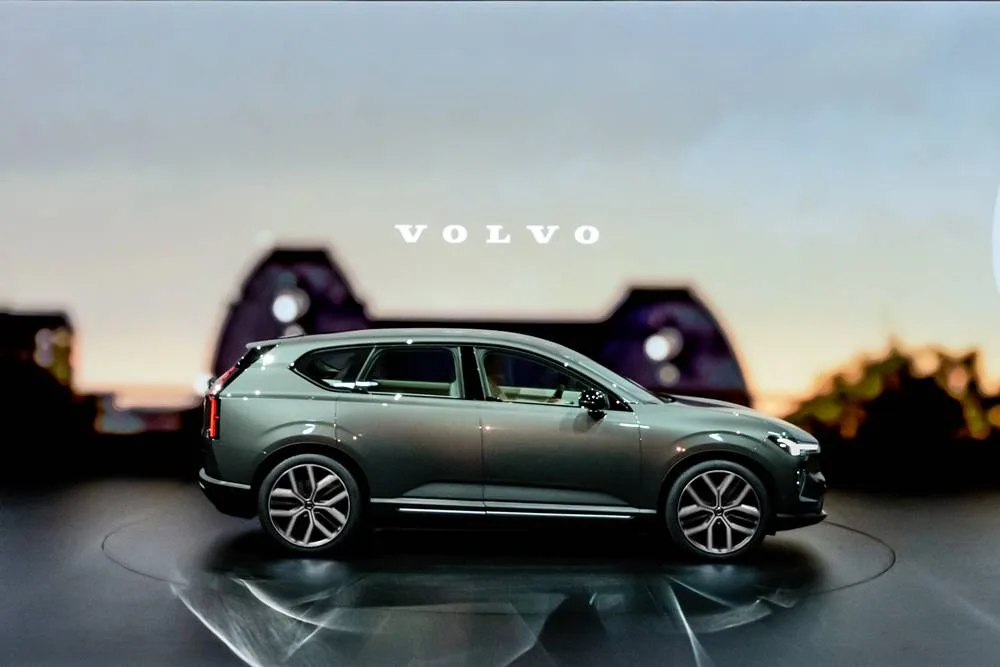
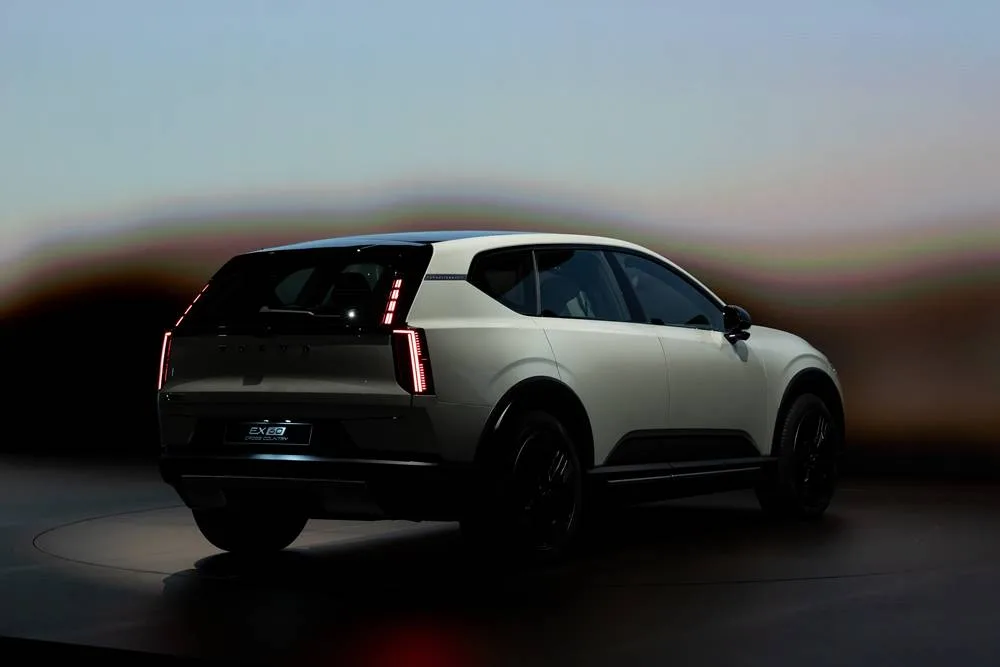


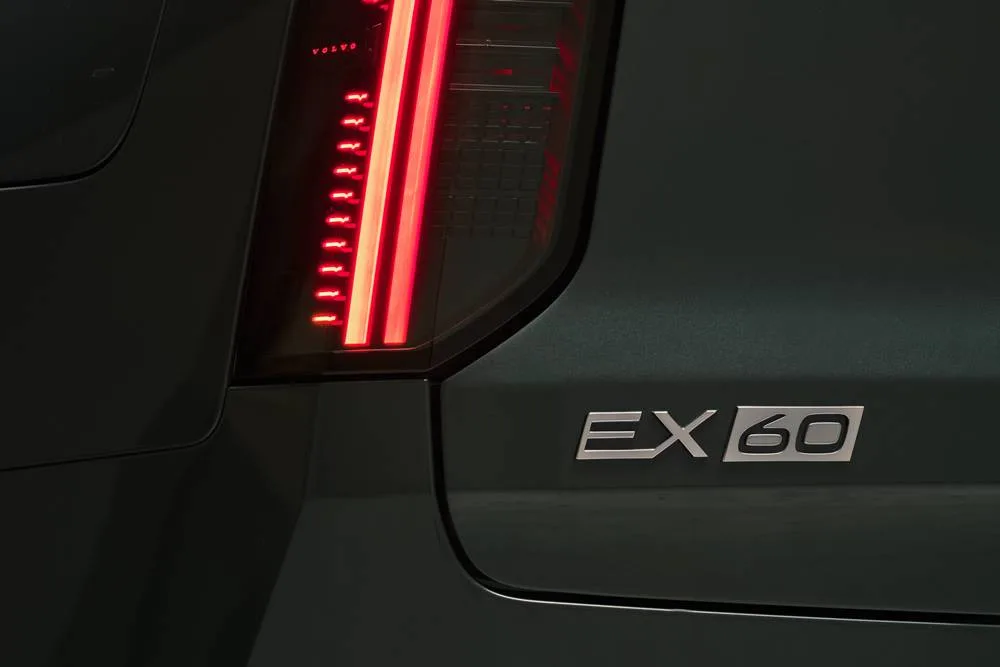
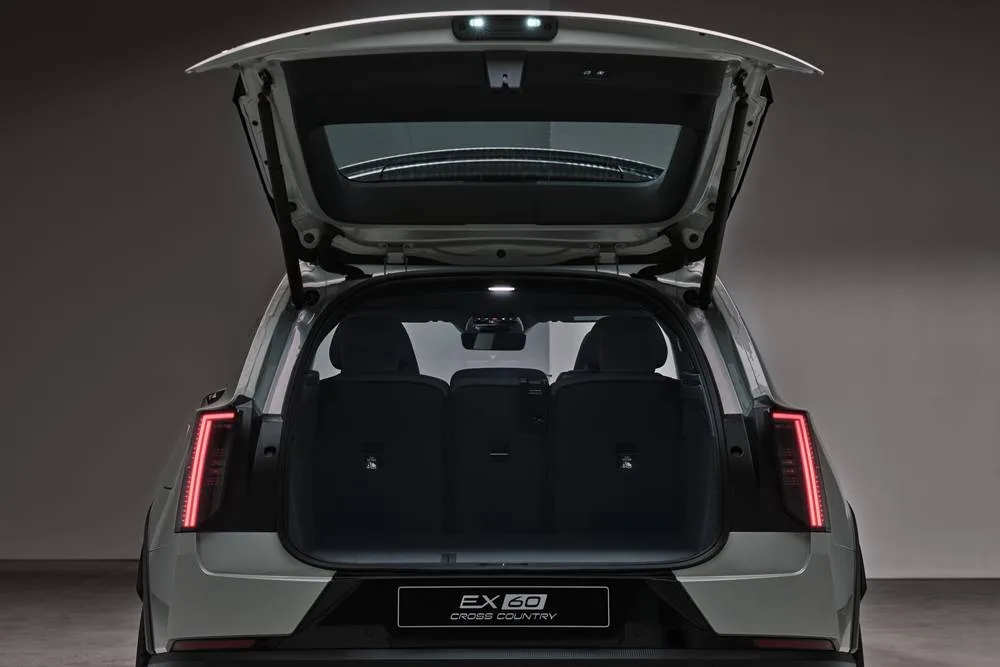
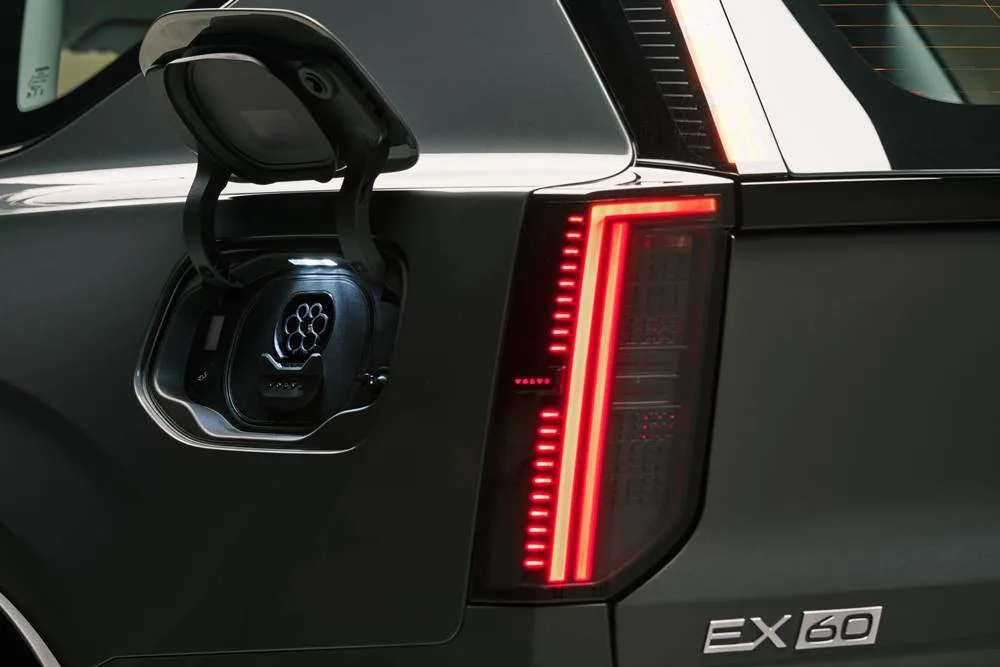
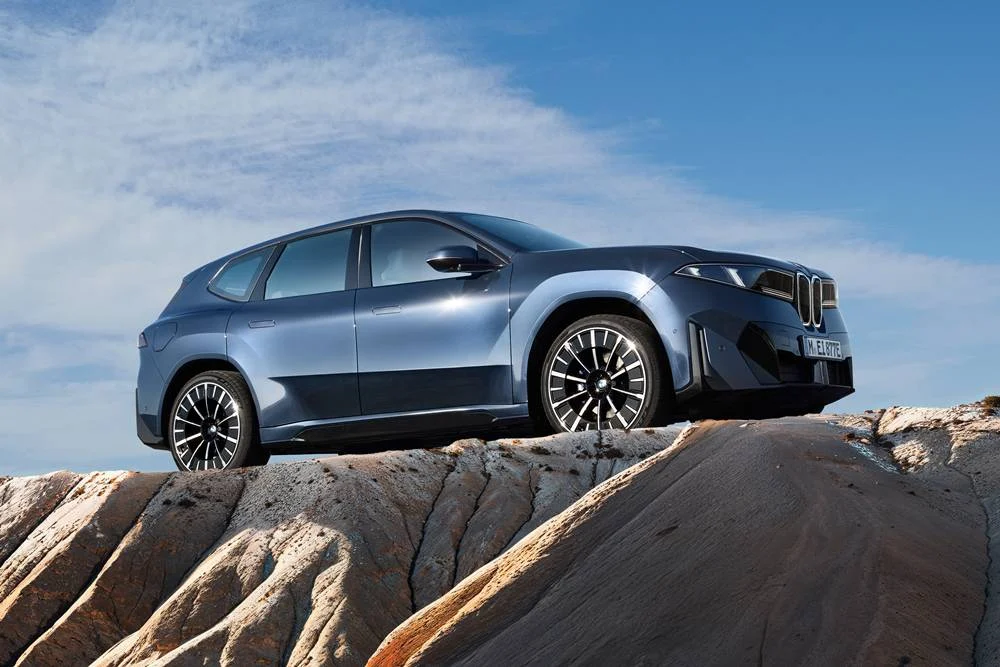

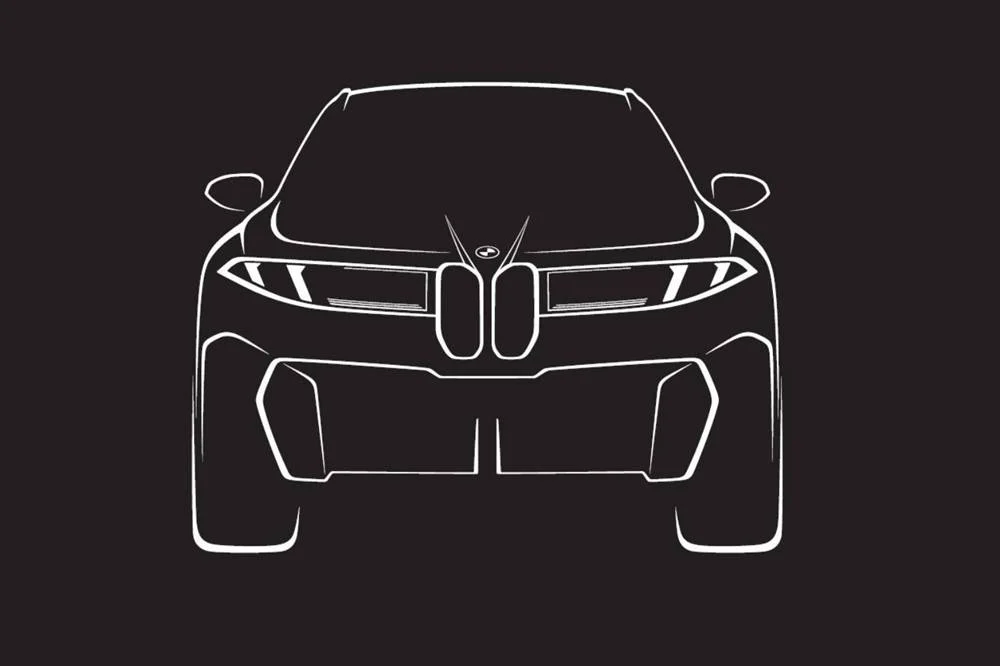
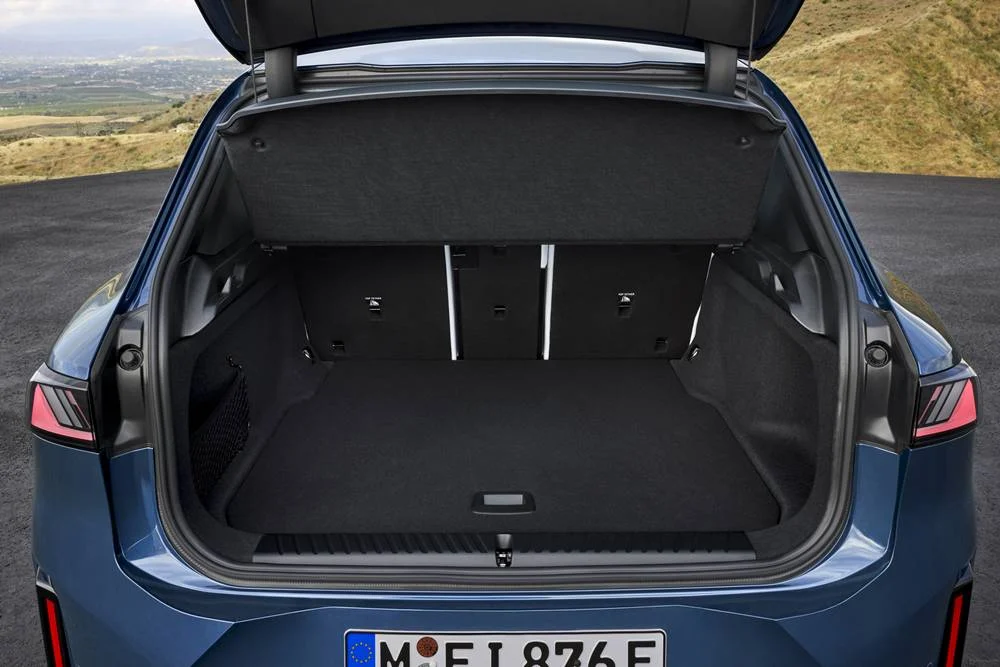

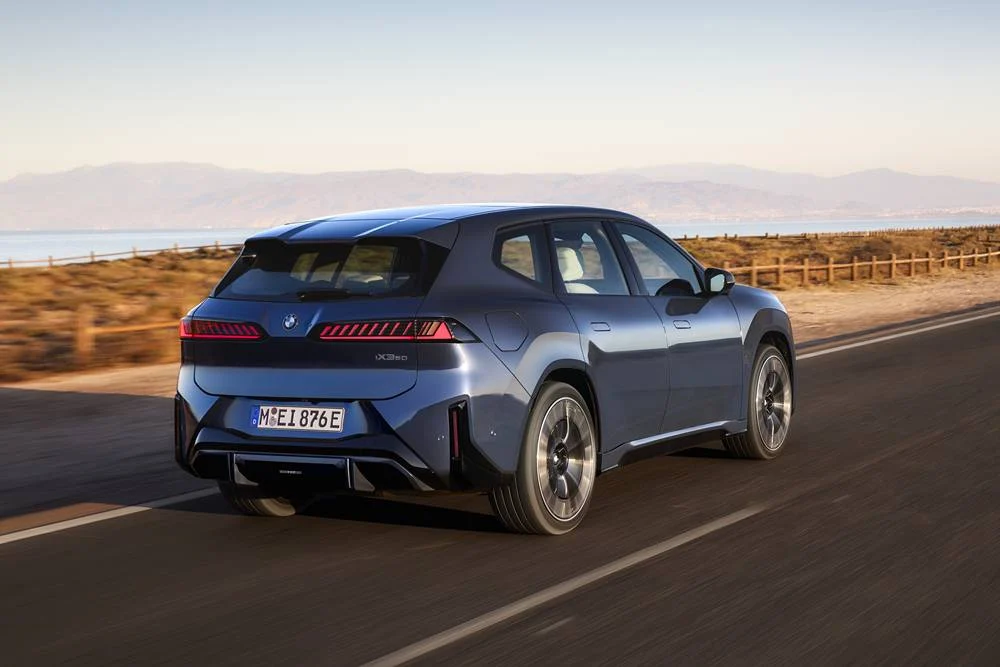

ABOVE: 2026 Volvo EX60 vs BMW iX3
CEO Håkan Samuelsson is betting the house on 2026, playing a high speed game of chicken with the German heavyweights. The plan involves the new EX60 electric SUV, which recently debuted to what the company calls overwhelming positivity. Translated from corporate speak, that means they have orders, but we will not see the cars until the second half of 2026. Until then, they have to survive a premium market that is expected to shrink like a cheap wool sweater.
While Volvo trims the fat, BMW and Audi are facing their own mid life crises. Volvo has set a target to move 20,000 electric vehicles per year in Australia alone by 2026. If they pull it off, they will officially nudge past Audi, which has been hovering around the 15,000 unit mark. In the US, the goals are even loftier, aiming to grow from 125,000 to 200,000 vehicles by 2030 to match Audi’s total American footprint. Meanwhile, the German trio is coming off a bruising 2025, with their collective luxury market share in China reportedly halved as local brands eat their lunch.
The incoming EX60 is Volvo’s secret weapon. It is boasting an 810km range, which comfortably beats the upcoming BMW iX3 and the Audi Q6 e-tron. On the charging front, the Volvo is promising a 10-80 per cent juice up in about 19 minutes, marginally quicker than the 21 minutes required by its German rivals. It is a classic battle of Swedish pragmatism versus German prestige, and 2026 will decide who actually owns the driveway.
The strategy for next year is basically survival of the leanest. They are cutting indirect costs, lowering investment levels, and bracing for a temporary inventory glut at the Torslanda plant. Volvo aims to return to volume growth eventually, assuming the global trade war does not decide to turn things up to eleven. It is a bold move, Cotton. Let’s see if it pays off for them.
More Geely brand stories
- Geely Starray EM-i Sets Guinness Record for Fuel Efficiency
- BYD Sealion 7 & Geely EX5 5-Star ANCAP – But It’s Not All Roses
- Smart EVs Earn 5-Star Safety for Mercedes-Benz / Geely Venture
- Chinese Geely Creates New Autonomous Electric Rideshare Van
- Volvo to Buy Geely’s Share in Chinese Plant
- Volvo Car Corporation Explores Co-Operation with Zhejiang Geely

Alan Zurvas is the founder and editor of Gay Car Boys, Australia's leading LGBTQI+ automotive publication. Before launching GCB in 2008, Alan's automotive writing was published in SameSame.com.au and the Star Observer. With over 16 years of hands-on car reviewing experience, Alan brings an honest, irreverent voice to every review — championing value and innovation over brand loyalty.
Leave a Reply