
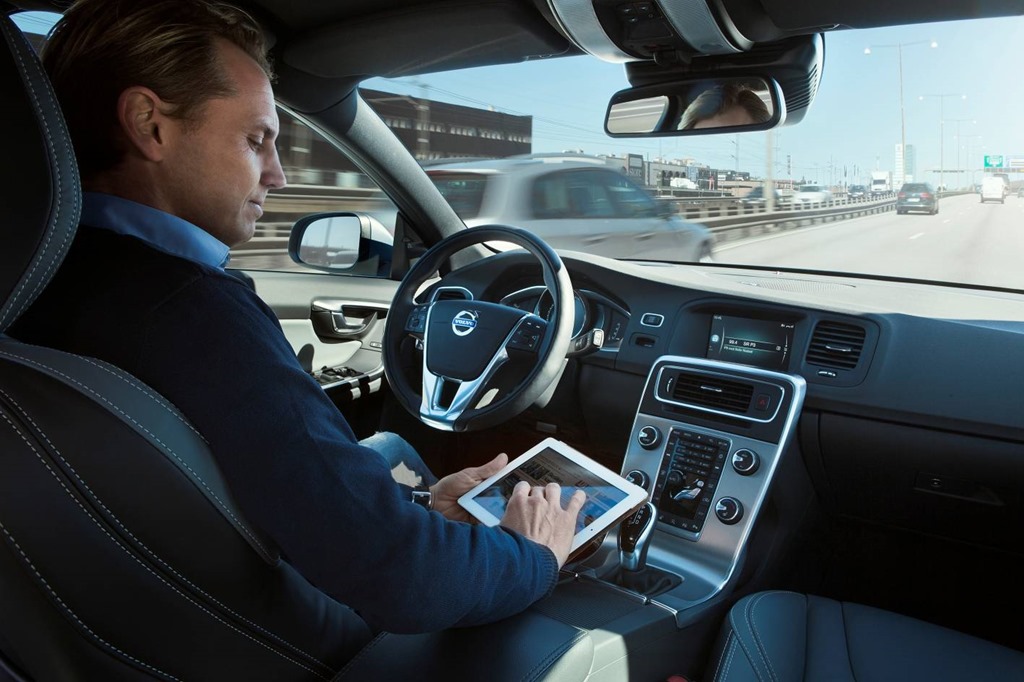
In 50 years, the concept of driving cars as we know it today is likely to undergo significant changes, but whether we’ll still be physically driving cars ourselves depends on several factors.
Autonomous Vehicles: One of the most significant developments likely to occur is the widespread adoption of autonomous vehicles (AVs). These vehicles, equipped with advanced sensors, artificial intelligence, and connectivity, can navigate and operate without human input. Over the next few decades, AV technology is expected to advance to the point where it becomes safer and more reliable than human drivers.
Shared Mobility: Alongside AVs, the rise of shared mobility services like ride-hailing and car-sharing is expected to continue. Instead of owning cars, many people may opt for on-demand transportation services, accessing AVs or human-driven vehicles when needed. This shift towards shared mobility could reduce the overall number of vehicles on the road while increasing their utilization.


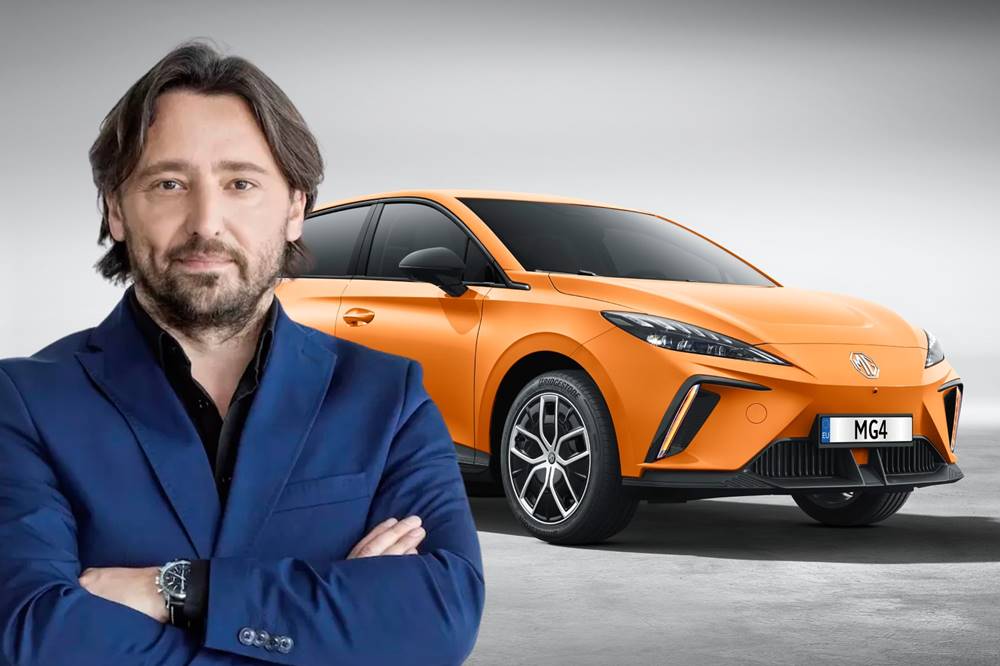
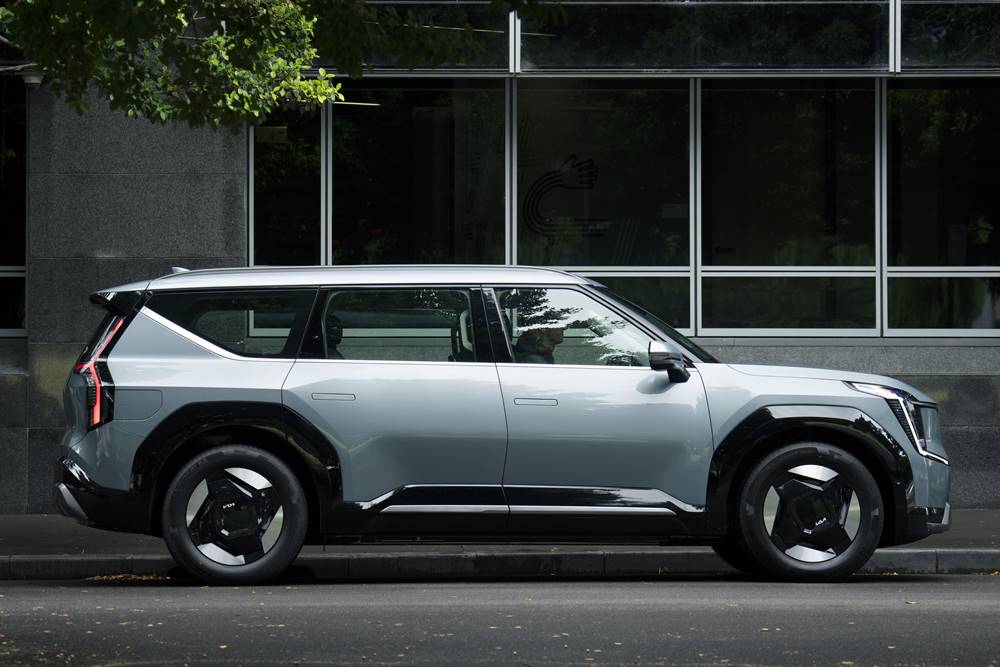
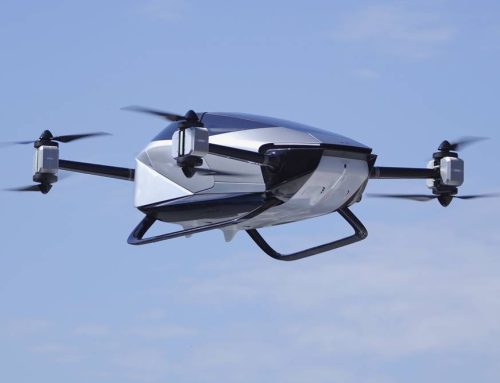
ABOVE: current cars need pilots. Will future cars need drivers?
More GayCarBoys Stories
- Sexy Men Drive 2021 Toyota Yaris Cross
- top 15 gay and lesbian LGBT SUVs
- RAM 1500 Laramie VIDEO car review
- 2018 Ram 1500 Road Test and Review
- Citroen C5 Aircross Released into the Wild
- See our Citroen C4 Cactus VIDEO REVIEW
- Citroen at the Paris Motor Show
- 2018 Citroen C3 Review
- Abath 1264
- Dodge SRT
- Peugeot 2008 Launch
- DS and Citroen Matrix LED Lights
Video Review: 2024 Kia EV9 EARTH Full Review good AND bad? – Full GayCarBoys Review – GayCarBoys – Alan Zurvas
#kia, #kiaEV9, #alanzurvas, #gaycarboys
SHORT Video Review: Audi e-Tron GT RS Quick Look – Light Show
#automobile #shorts #audietrongtrs #gaycarboys #alanzurvas ##shorts
Discover more from Gay Car Boys
Subscribe to get the latest posts sent to your email.













Leave a Reply