Geely has posted a 543% year-on-year sales jump in Australia, and if that does not make a few legacy brands clutch the linen napkins like a pensioner at a buffet, nothing will. Geely Auto Australia is not being subtle about it.
Unlike its previous failed attempt in Australia (2011–2014) which used an independent importer, Geely’s return in 2025 is a full factory-backed effort.
The factory-backed, direct-import model includes:
- Factory-Backed Subsidiary: Geely Auto Australia is a direct, factory-owned distributor, not a third-party, which oversees local dealer networks.
- Establishment of Local Subsidiary: To manage the import process efficiently, Geely established a regional subsidiary in Australia to integrate local dealers, suppliers, and strategic partners.
- Logistics Partnership: Geely appointed CEVA Logistics to handle the importation and logistics of its vehicles, starting with the EX5 electric SUV, ensuring direct supply chain management from China to Australia.
- Parts Support: The company has partnered with DB Schenker for the importation and storage of genuine parts to support its aftersales service.
This new approach allows Geely to directly control its brand experience, dealer network, and service standards in the Australian market, and it seems to be working.
In March alone, Geely registered 1,208 new vehicles, which is not merely a decent month for a growing brand, it is a statement of clear buyer movement. Especially when you consider the saturated Australian market is where Chinese brands are no longer knocking politely at the door.
Buyer Beware
Buyers are quite rightly wary in light of of failed car brands in Australia over the past 25 years. Some include iconic departures like Holden, Saab, and Daihatsu, alongside failed ventures like Infiniti, Chrysler, Dodge, and Chery MKI.
Recent failures include importer issues with Xpeng and Ford F-150 Lightning electric vehicles, showing high competition. Other failed, short-lived, or departed brands include Eunos, Rover, Tata, Opel, and Daewoo. While some like Chery and GWM made a spectacular comeback, others faded into a merciful obscurity. Holden went from 50% of the market to now having almost no examples left on the road. That’s quite the fall from grace.
Geely Growth
Geely’s headline number is the sort of thing PR spivs adore, but this one has proper teeth. Geely says the EX5 all-electric SUV delivered 606 units in March, up 222% year on year, and took the top spot in the SUV-C EV segment. Meanwhile, the Starray EM-i clocked 602 deliveries and landed in the top two for the mid-size PHEV SUV segment. That means Geely is not relying on one lucky model, one launch spike, or one oddly generous fleet deal. It is putting points on the board in both EV and plug-in hybrid territory at the same time.
The 2026 Geely EX5 electric SUV is receiving a significant update in Australia, featuring a larger 68.39kWh battery, boosting the WLTP range to claimed 475km. The updated model, which follows the March 2025 launch, includes standard cargo blinds, a Mode 2 charging cable, and a $1000 price increase to $41,990–$45,990 before on-roads. That’s still reasonable for an EV that is a decent drive.
Other Geely Brands
Geely Holding Group is a global manufacturing powerhouse that has systematically hoovered up or launched a diverse stable of brands. The portfolio is anchored by Geely Auto and its specialized EV sub-brand Geely Galaxy, alongside the high-end electric performance brand Zeekr.
Its European operations are led by Volvo Cars and the electric-only Polestar, while the group also owns British icons such as Lotus and the London Electric Vehicle Company (LEVC). Additional brands under its umbrella include the lifestyle-focused Radar Auto, the connected-mobility brand Lynk & Co, and Farizon for commercial vehicles.
Beyond these wholly-owned entities, Geely has a 50% stake in Smart through a joint venture with Mercedes-Benz and owns 49.9% of the Malaysian automaker Proton.
Above: Geely Starray and Which Driveline Is Best for You
#GeelyStarray #PHEVReview #GayCarBoys #CarNews
GeelyStarray #PHEVReview #GayCarBoys #CarNews

Help Support Gay Car Boys Subscribe to our Youtube Channel by SMASHING THE BUTTON ABOVE


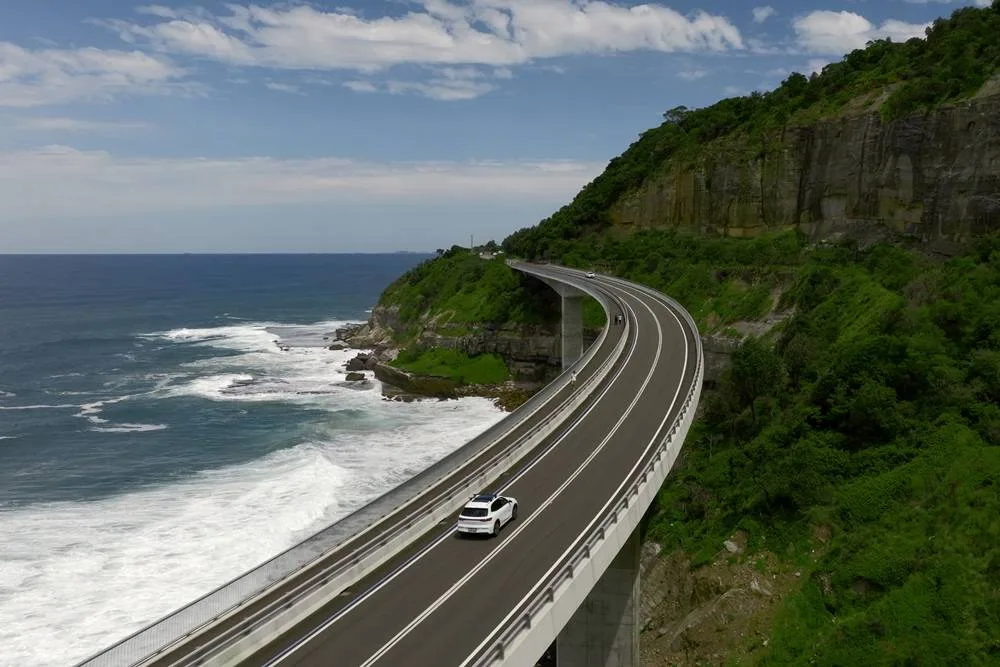
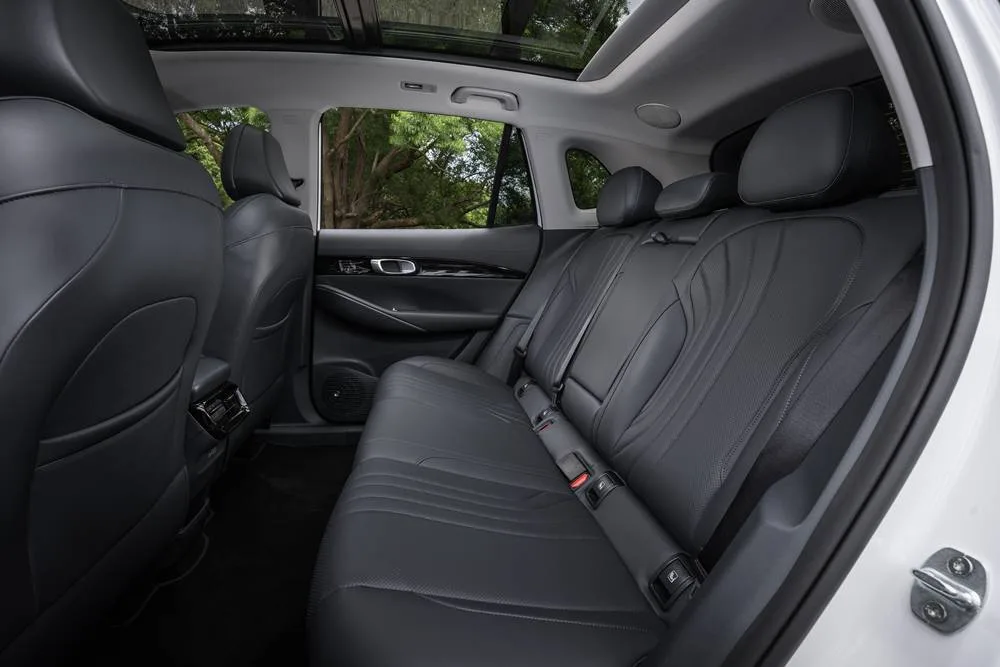
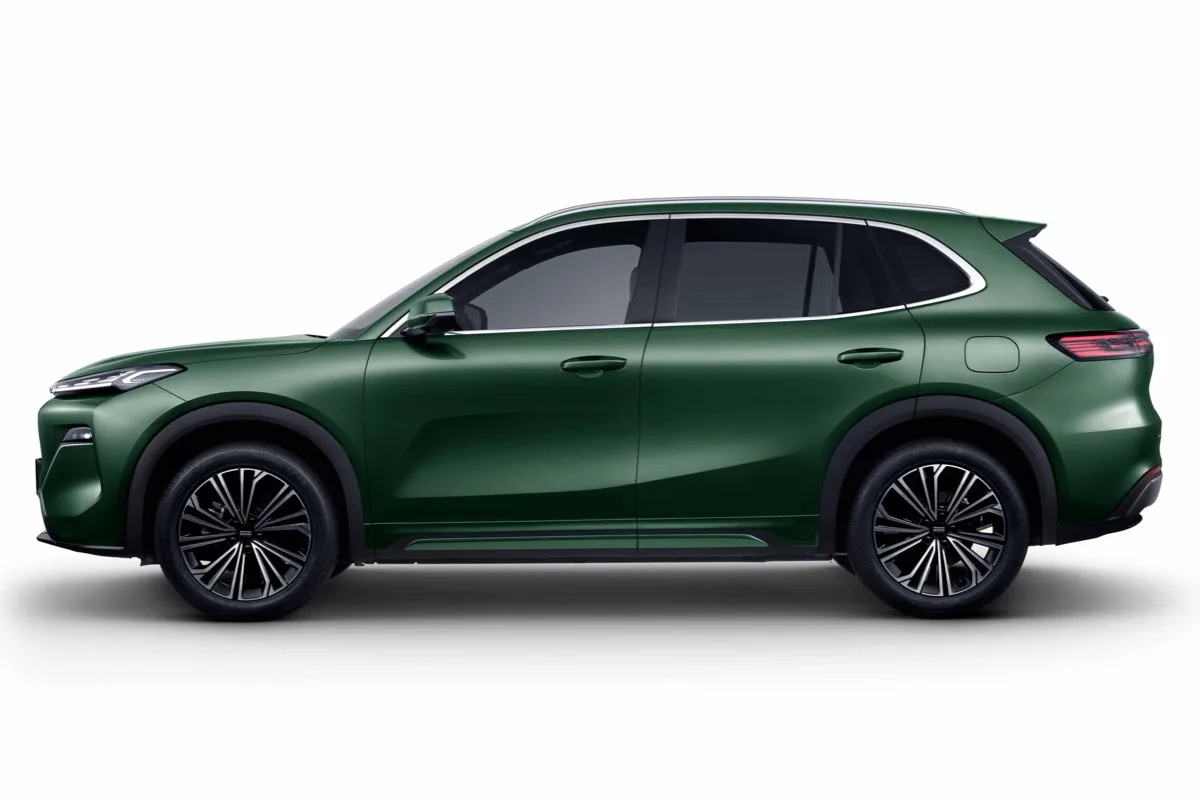
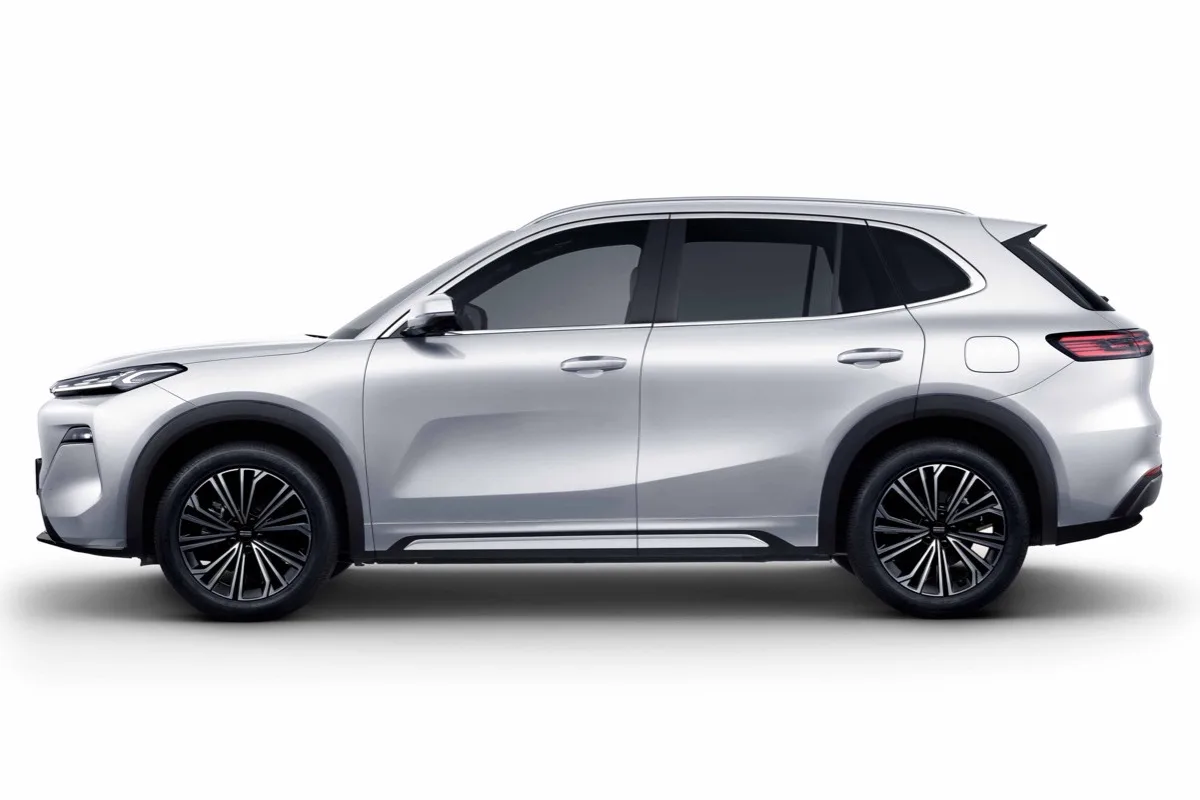
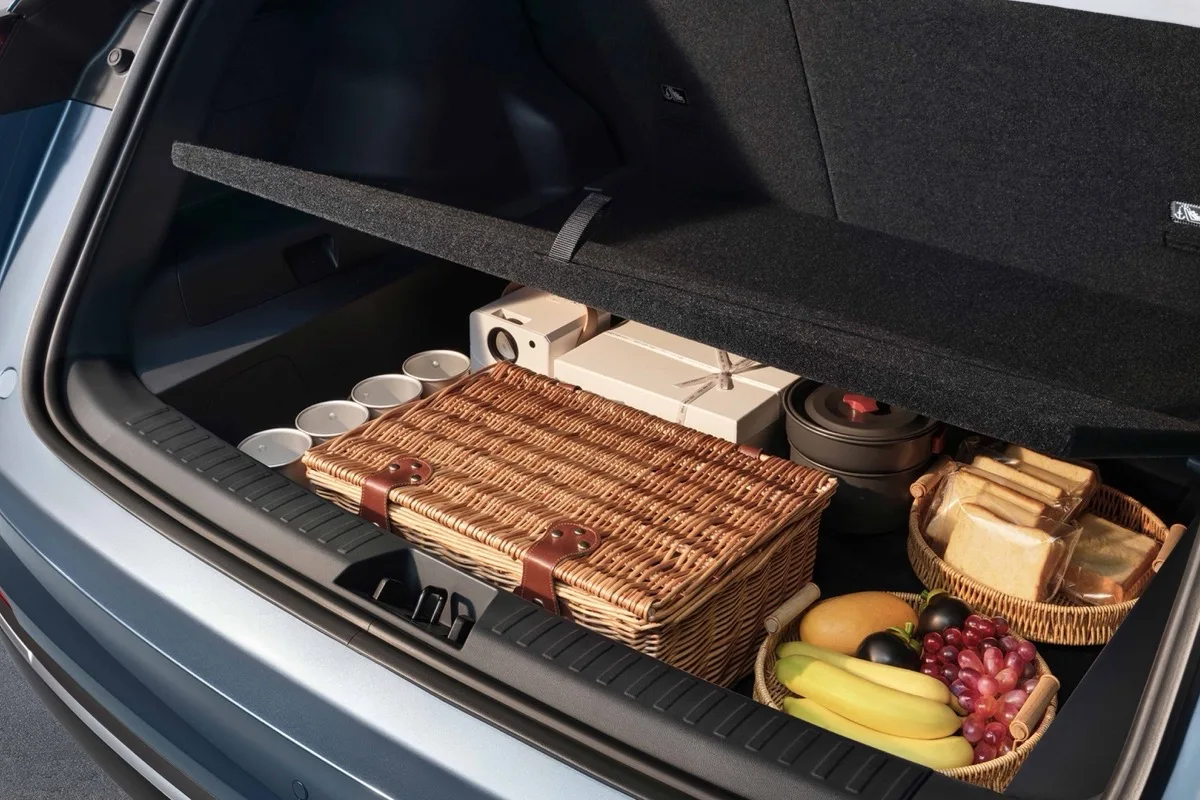
ABOVE: Geely EX5 and Starray EM-i stock images from the GCB library.
This Is What Market Traction Looks Like
Geely is framing the result as proof Australians are warming to its product quality, value, and new-energy credentials, despite a failed first attempt and somewhat shaky restart. Quite right too. Buyers are not stumbling into these cars by accident. They are seeing the specs, the pricing, the equipment levels, and the simple fact that many Chinese brands are no longer building cheap n cheerful shambles glued together in an an immature local industry. They are building compelling alternatives, and sometimes just plain better ones.
March has been another strong month for Chinese brands more broadly, but Geely calling itself one of the fastest-growing marques is not empty chest-beating. A 543% year-on-year rise is the sort of number that either signals a serious shift in consumer behaviour or a statistical freak. Given what we have seen across the broader market, this looks rather more like the former.
The rollout of a national dealer footprint has clearly helped, and so has getting two relevant products into showrooms at the right time. The EX5 gives buyers a family-friendly electric SUV without the usual luxury-brand tax pretending to be sophistication. The Starray EM-i gives people a plug-in hybrid option for those still wanting training wheels before committing to full electric life. Together they cover a handy chunk of the market.
The Legacy Brands Should Be Worried
There is a habit among older car brands, especially those who have had it easy for decades, of treating Chinese competition as a temporary irritation. A sort of passing rash. That fantasy is getting harder to maintain. One now-failing EOM once told GayCarBoys that MG made “great second-hand cars”. That very brand slipped off the top ten since and its “roof is on fire” according to its boss.
Geely is not arriving empty-handed. It has scale, technology, product depth, and a diverse parent company with enough reach to make half the industry look like regional theatre. Buyers are noticing. Once consumers work out they can get sharp design, generous equipment, electrified drivetrains, and prices that do not require a brief cry in the finance office, brand loyalty starts to look terribly fragile. Toyota, Mazda and Ford are all down for the 1st quarter of 2026 and Kia is now number 2 and on the way up, for now. But, how long will buyers continue to pay over the odds?
Alex Gu, Geely Auto Australia’s Managing Director, said local buyers are responding to the brand’s technology, value, and segment-leading specification. That much is hard to argue with. When a brand grows this quickly, it is not because Australians suddenly developed a taste for obscure badging. It is because the offer landed at the right time.
Trump’s catastrophic war in the middle east has sweetened buyer tastes for EVs despite a conservative media and a conga line of haters and vested interests saying otherwise.
EV and PHEV Buyers Are Both Being Tempted
Despite the recent war development and its far-reaching consequences, Geely is not forcing all buyers down one path. The EX5 is clearly finding favour with EV shoppers, while the Starray EM-i is hoovering up those who want electrification without severing the umbilical cord to petrol just yet. Let’s see how the demented Trump policy whim changes that.
Some brands are still acting as though the market will move in one neat ideological line. It will not. People buy for price, convenience, confidence, charging access, tax outcomes, and whether their brother-in-law has scared them with a cooked story about batteries exploding in the Woolies car park.
Offering both EV and PHEV options lets Geely meet buyers where they are instead of lecturing them from a sustainability podium. That tends to work rather well.
The GCB Take
A single strong month does not crown a king, but it can tell you which way the throne room is tilting.
Geely’s March result matters because it shows momentum, not just noise. It continues a trend started in the first few months of the year. EX5 leading its segment and Starray landing near the top of its own tells us the brand is not merely present, it is competitive in the bits of the market that matter. That should concern any legacy brand still hoping heritage alone will keep buyers in docile stupor.
Australians have shown again and again that they will switch when the value is obvious. Chinese brands understand that with unnerving clarity. If Geely keeps this pace, and keeps expanding its range sensibly, 2026 may be the year it moves from promising (re)newcomer to regular fixture in the sales conversation.
And once that happens, the old brands will need more than expensive press launches, heritage, mood lighting, and a brochure printed on thick paper to hold the line. Besides, who on earth ever touches a paper these days? the same people who still have land lines I suspect.
More Stories
- Geely Starray Inspire PHEV Review and Why Legacy Brands Are in Trouble
- 2026 Geely EX2 Australia China’s Best-Selling Electric Hatch Heads to Melbourne Motor Show
- Geely Grabs for the Great Global Girdle
Help Support Gay Car Boys Subscribe to our Youtube Channel

Alan Zurvas is the founder and editor of Gay Car Boys, Australia's leading LGBTQI+ automotive publication. Before launching GCB in 2008, Alan's automotive writing was published in SameSame.com.au and the Star Observer. With over 16 years of hands-on car reviewing experience, Alan brings an honest, irreverent voice to every review — championing value and innovation over brand loyalty.
Leave a Reply