Geely is sick of being the bridesmaid, and it has now gotten serious about a light spot of world domination. Li Shufu started out small, making fridge parts in 1986, because he had to start somewhere. Then he went on a spree and spent forty years buying every legacy brand he could find. They snagged Volvo from the ailing Ford and equally ill Lotus while the rest of the industry was taking a nanna nap, but the collection got frightfully messy. Suffering a bad case of brand bloat and expensive electric dreams that left a few financial scuff marks, the Taizhou Declaration was created as a hard reset to stop the bleeding and consolidate a fractured empire.
The 2030 plan is about total control and zero excuses. While legacy carmakers twiddle their thumbs, Geely wants 6.5 million sales and a top five global spot, which is a gutsy move for a company that started in a shed. By smashing Zeekr and Lynk & Co together, they are finally killing the redundancy that eats profits and confuses the market. The goal is 1 trillion RMB in revenue and a 75% new energy vehicle penetration rate. They are cutting R&D cycles and overall costs by 30% because wasting money on slow development is for losers who cannot keep up with the pace of Chinese innovation.
Innovation is the only thing that actually matters now. Their Seven Dimension technology ecosystem handles everything from G-Pilot autonomous tech to high performance batteries. The new NordThor AI hybrid engine is aiming for thermal efficiency over 50%, while the Zeekr 8X is supposed to prove you can have electric speed with hybrid convenience. Safety is still the anchor, with Geely and Volvo acting as the global safety dual pole to keep everyone from crashing into each other while they play with car AI.
Above: This Week’s VIDEO Review –2025 Chery Tiggo 4 Hybrid
CheryTiggo4, #HybridSUV, #GayCarBoys, #CarReview, #ToyotaKiller, #AffordableCars, #HybridReview


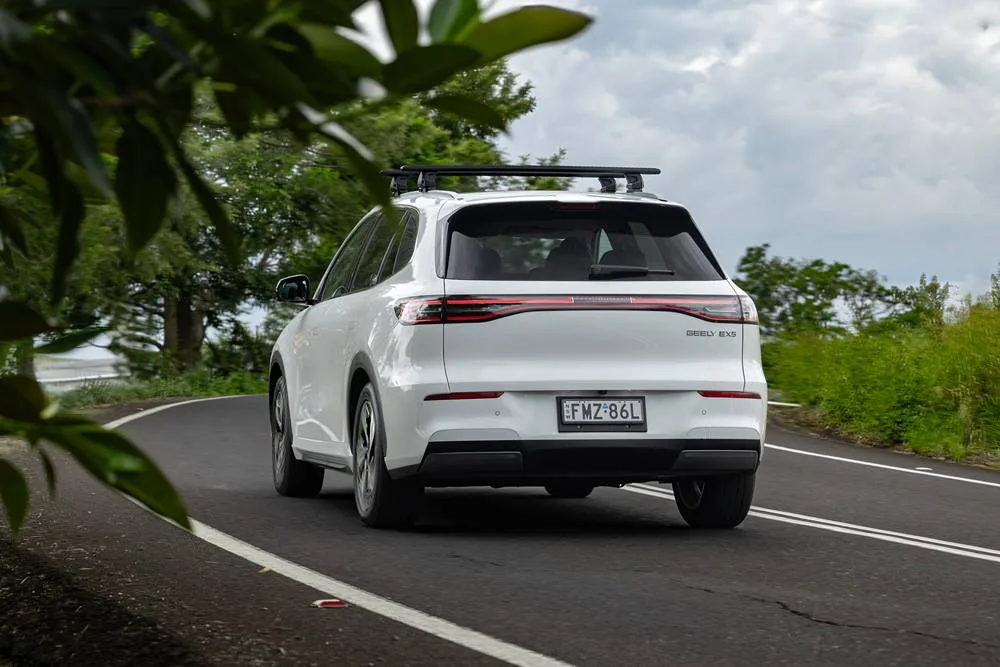
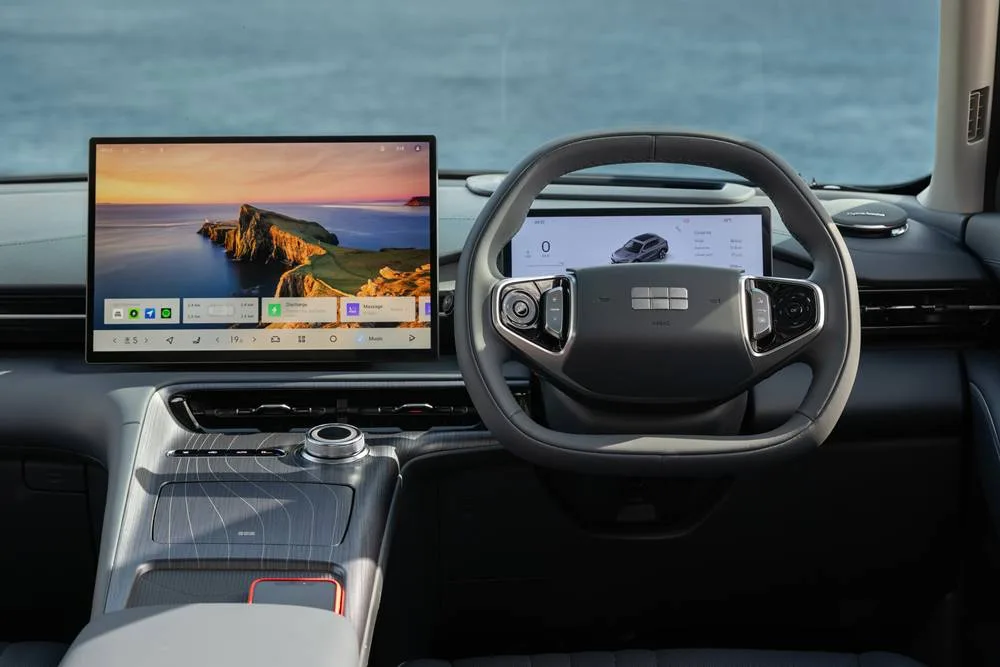
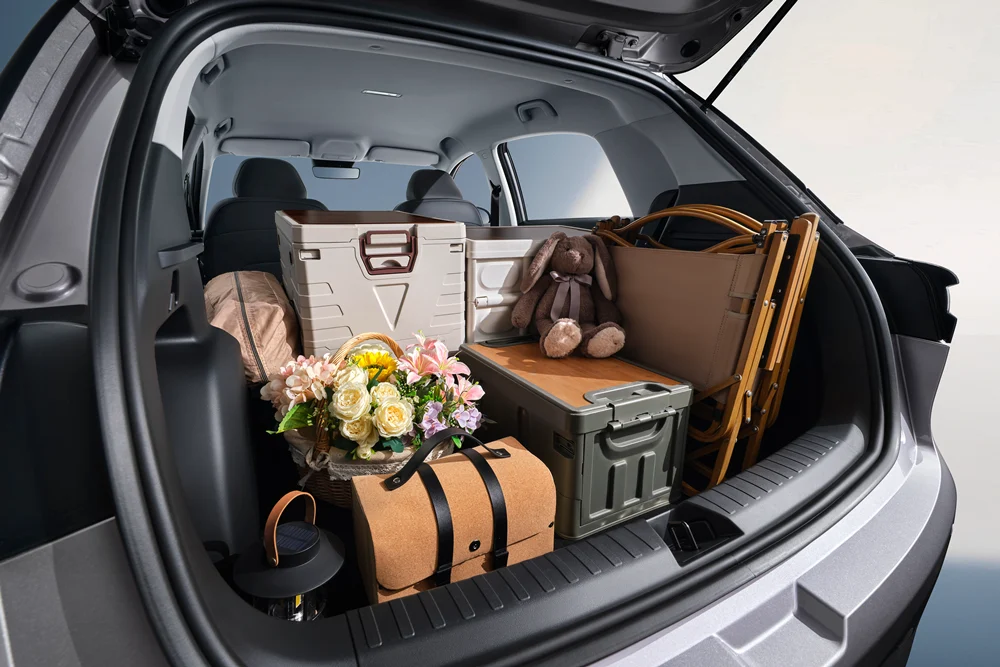


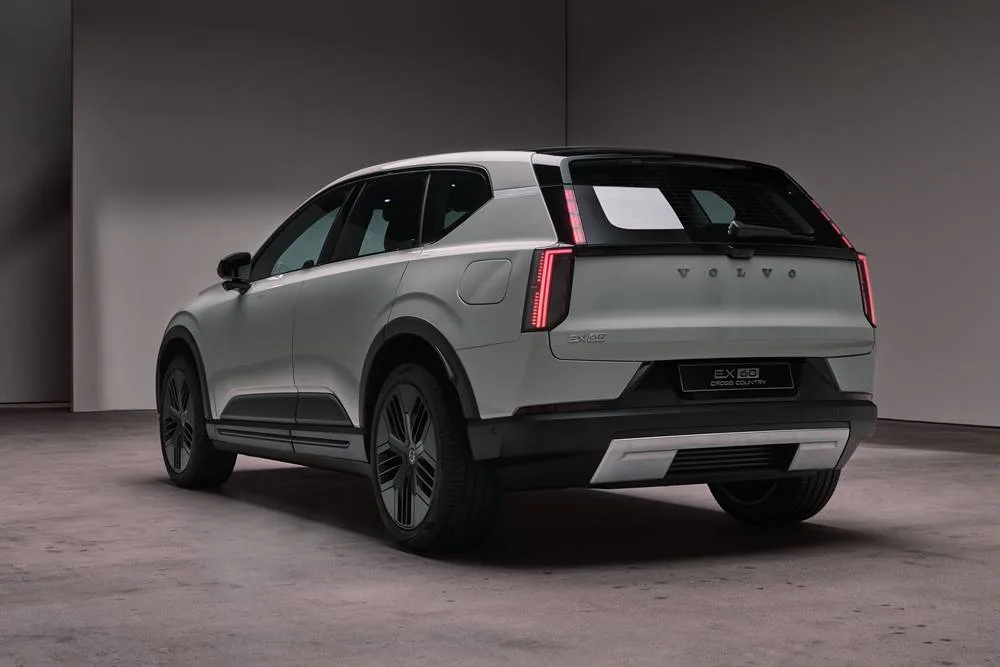
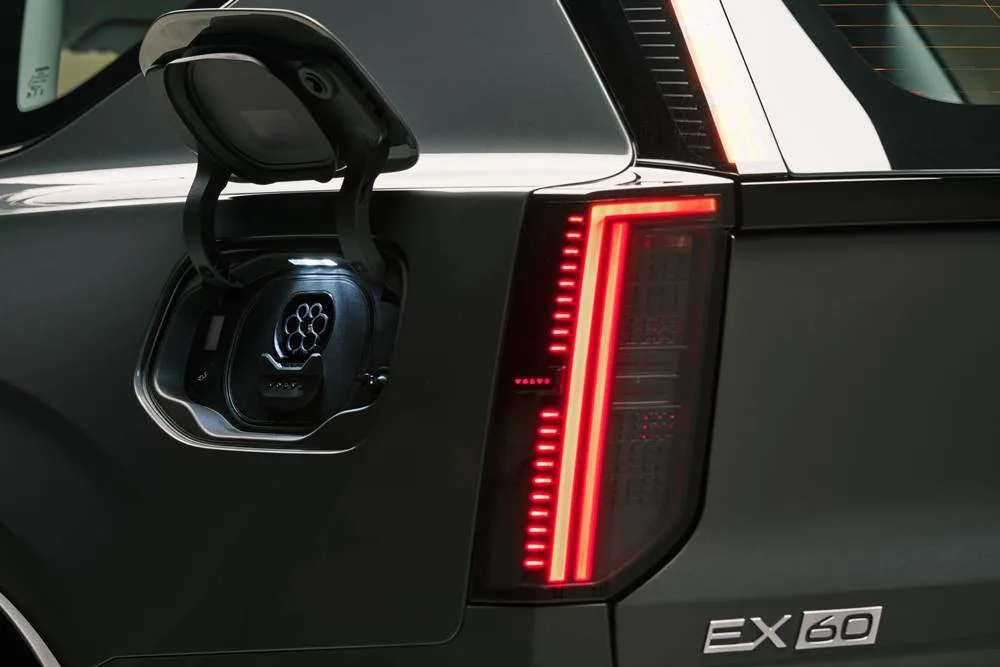
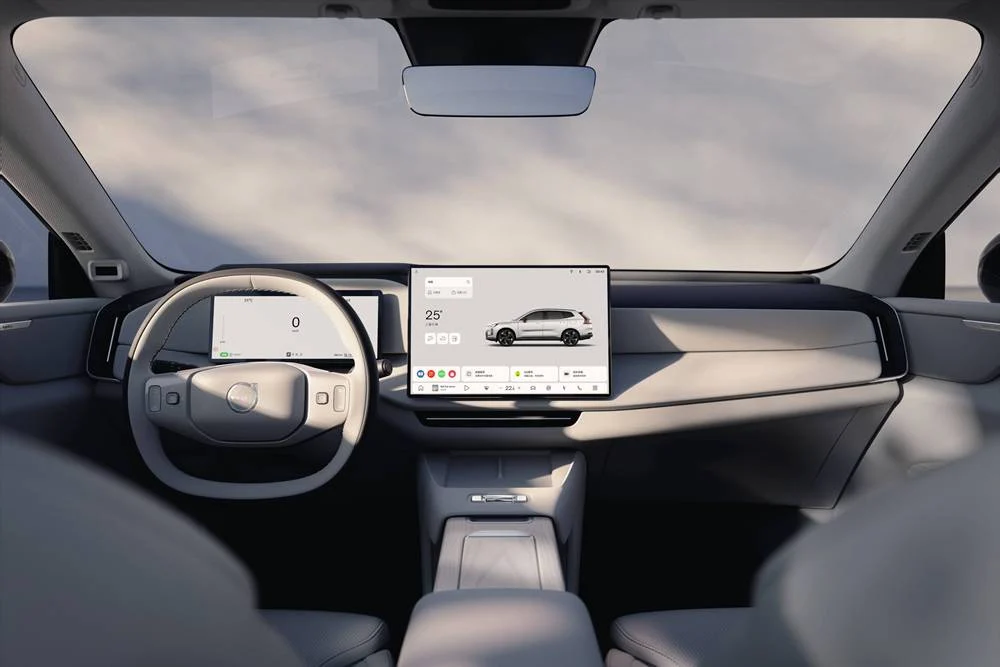

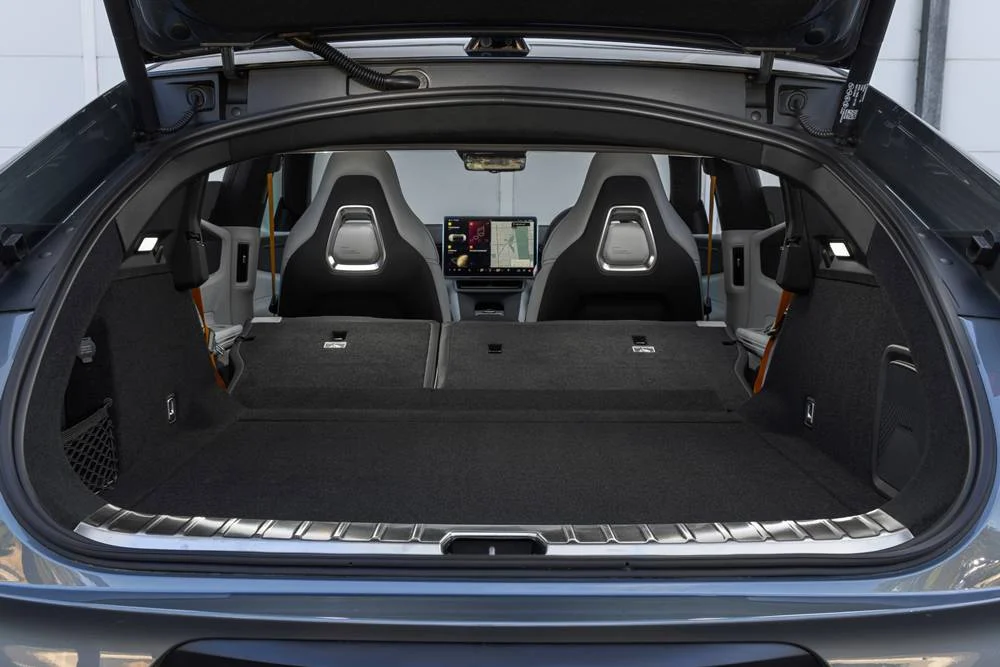


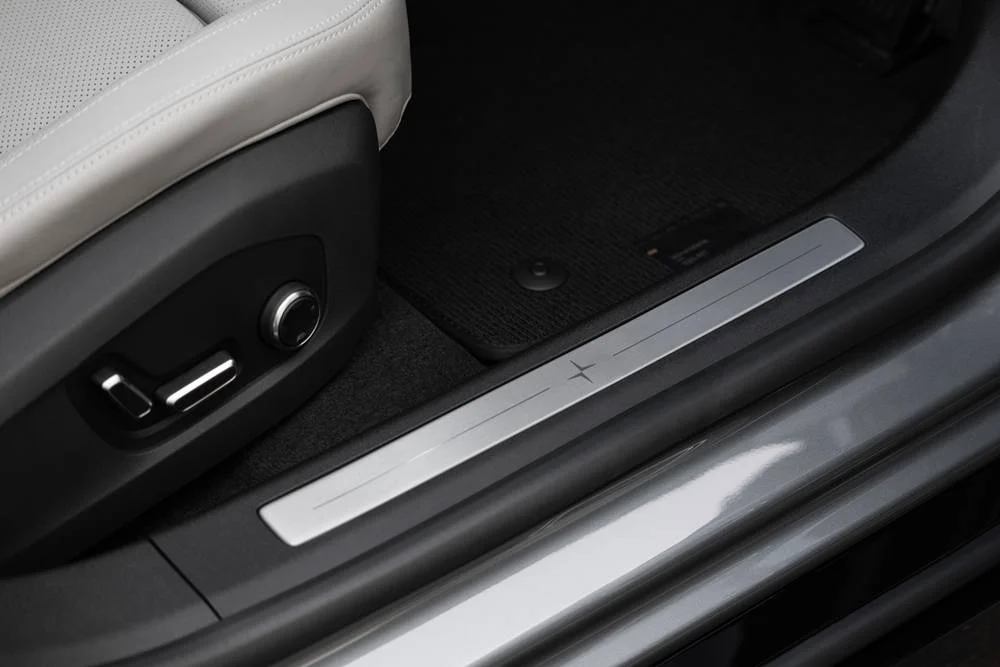

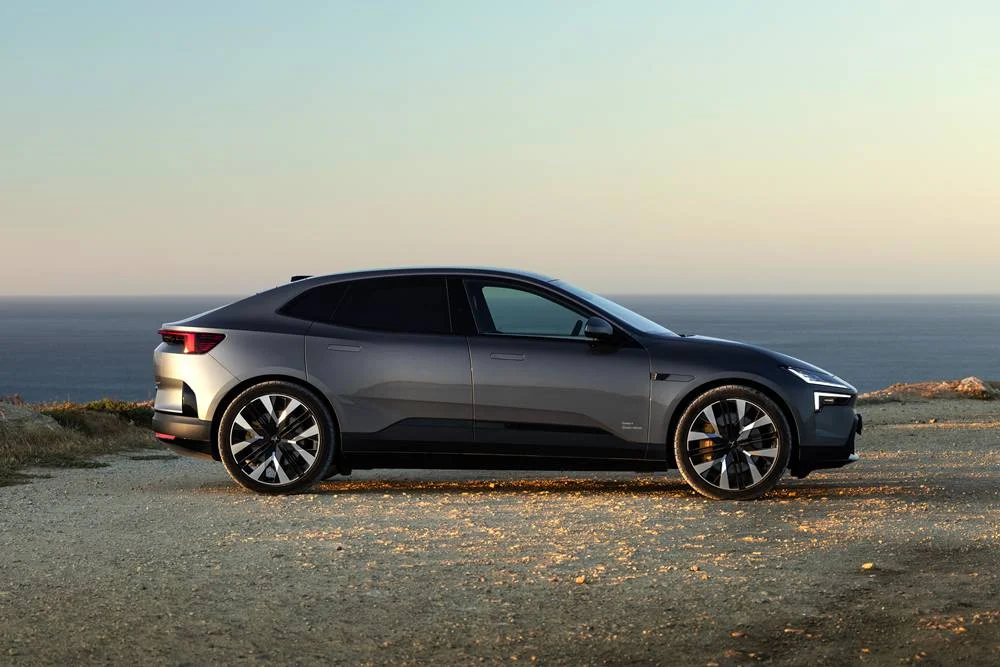

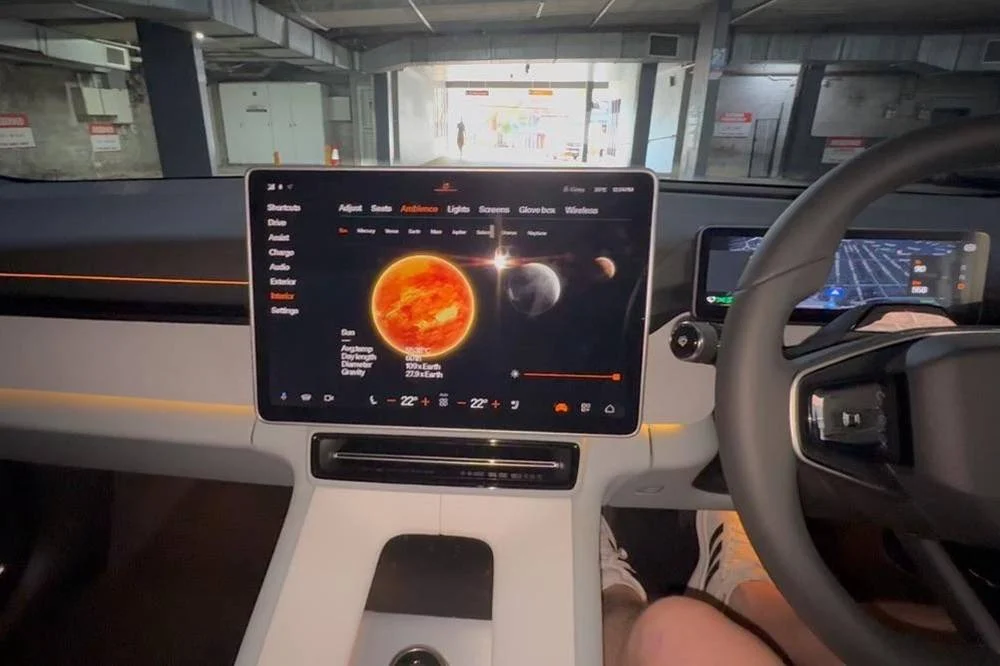
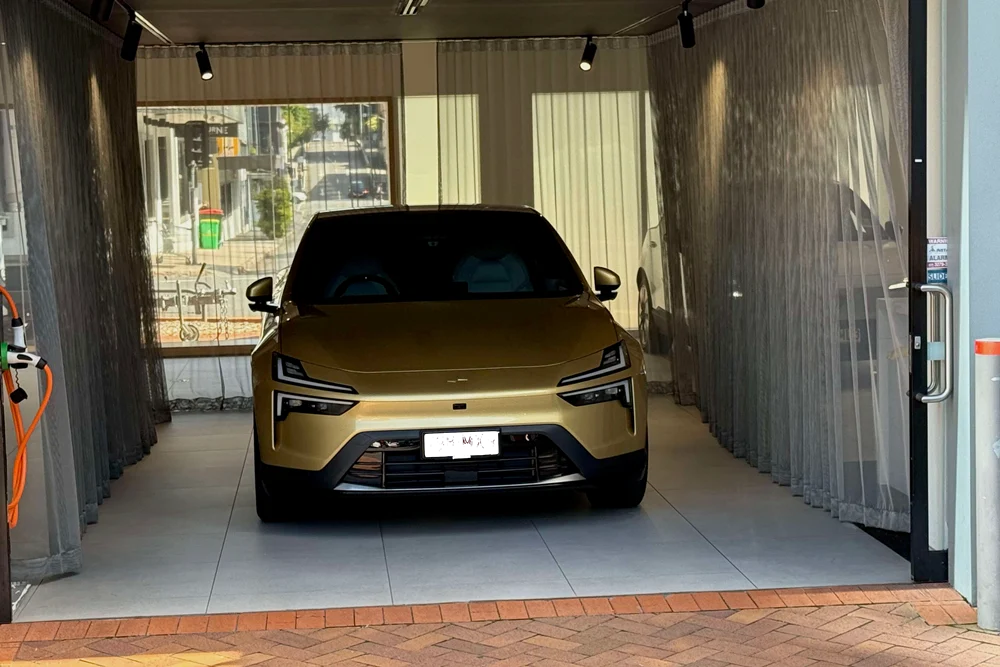


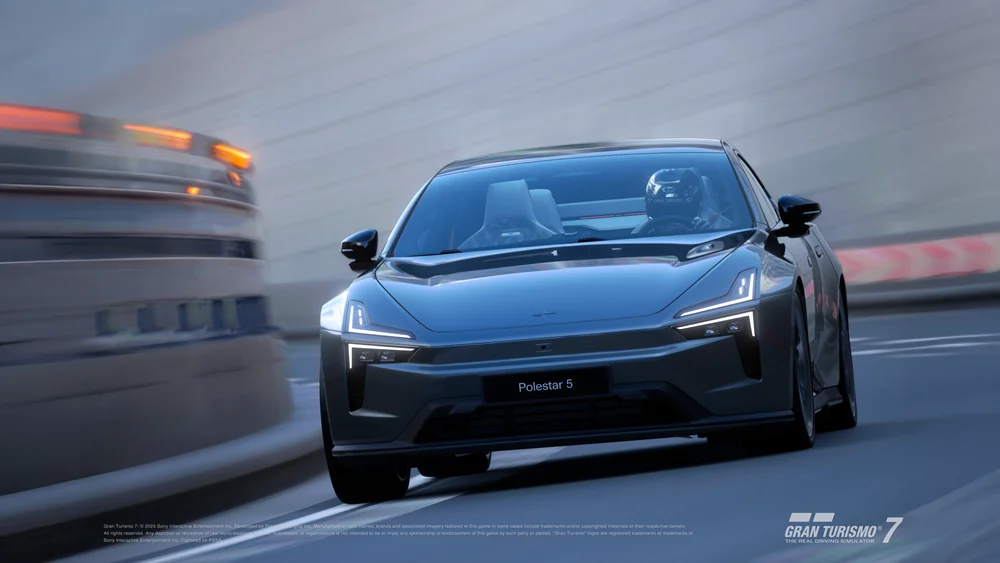

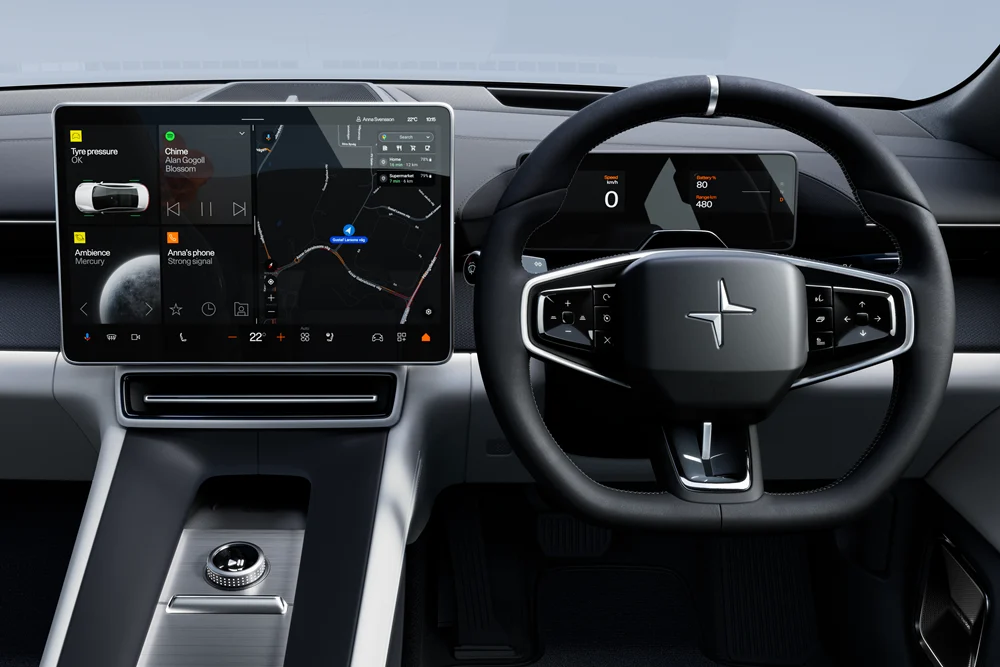


ABOVE: Geely, Volvo and Polestar models
The money trail is just as aggressive as the tech. While casual observers think Warren Buffett backed them, the truth is he ignored Geely to bet on their rival BYD. Geely did it the hard way, starting with family loans for fridge components before leveling up. In 2009, they secured $334 million from Goldman Sachs to grease the wheels for the Volvo acquisition. By 2025, they were posting record revenues of 240 billion RMB and proving that you do not need the Oracle of Omaha to build a 4 million unit powerhouse.
This ecosystem is everywhere. Geely is launching satellites and planning 100,000 Robotaxis because just making cars is too boring for Li Shufu. They have already driven 23 billion kilometers on methanol hydrogen tech and refuse to slow down for anyone. By their 40th anniversary in 2026, they are dumping 300 million yuan into a youth innovation program to make sure their talent forest actually grows instead of just looking pretty in a corporate brochure.
The financial reality is a constant struggle for balance. They have the cash, but they also have the baggage of being a global conglomerate with too many mouths to feed. The 2030 strategy is a rescue mission wrapped in a growth plan. If they cannot make these brands talk to each other and share the same parts, the dream of being a top five player will stay just that, a dream. They are betting that software and satellites will save the margins that hardware alone keeps destroying.
Geely is pushing into European and American markets with a confidence that borders on arrogance. They are using Volvo and Polestar as Trojan horses to get through the door, then flooding the room with Geely tech. It is a high stakes game of musical chairs where they intend to be the ones left standing. The next five years are the bridge between being a manufacturing company and becoming an ecosystem service provider, a shift that most old school car makers are too terrified to even attempt.
Ultimately, this is a story about a guy who made fridges and decided he wanted to own the road, the air, and the space above it. The Taizhou Declaration was the wake up call, and the 2030 plan is the march to the front lines. Whether the world actually wants a car that talks to a Geely satellite while running on methanol remains to be seen, but Geely is not waiting for an answer. They are building the future they want, and if you do not like it, you can stay stuck in the past with your legacy engines and your slow R&D cycles.
More Geely brand stories
- Geely Starray EM-i Sets Guinness Record for Fuel Efficiency
- BYD Sealion 7 & Geely EX5 5-Star ANCAP – But It’s Not All Roses
- Smart EVs Earn 5-Star Safety for Mercedes-Benz / Geely Venture
- Chinese Geely Creates New Autonomous Electric Rideshare Van
- Volvo to Buy Geely’s Share in Chinese Plant
- Volvo Car Corporation Explores Co-Operation with Zhejiang Geely

Alan Zurvas is the founder and editor of Gay Car Boys, Australia's leading LGBTQI+ automotive publication. Before launching GCB in 2008, Alan's automotive writing was published in SameSame.com.au and the Star Observer. With over 16 years of hands-on car reviewing experience, Alan brings an honest, irreverent voice to every review — championing value and innovation over brand loyalty.
Leave a Reply